
 Arabic
  English
  Russian
  French
  German
  Japanese
  Korean
  Portuguese
  Italian
  Dutch
Dutch  Turkish
  Indonesian
  Polish
  Spanish
انظر، إذا كنت تعمل في مجال البحث والتطوير في مجال الطاقة الجديدة، وتحديداً مع خلايا وقود غشاء تبادل البروتونات (PEM)، فأنت تدرك حجم المعاناة. أنت تقوم ببناء مجمع رائع، وكل شيء يبدو مثالياً في نموذج التصميم المدعوم بالحاسوب (CAD)، ثم تنتقل إلى منصة الاختبار.
انخفاض الضغط.
الهيدروجين يتسرب. مرة أخرى.
إنه أصغر جزيء في الكون. إنه يريد الخروج. وإذا كنت لا تزال تستخدم المطاط الصناعي القياسي أو حلول الختم الرخيصة، فسوف يخرج. لقد رأيت مشاريع تأخرت لأشهر فقط لأن الفريق الهندسي استهان بـ "قابلية منع تسرب" غاز الهيدروجين.
اليوم، سأشرح لك لماذا حشوات الـ PTFE لخلايا وقود الهيدروجين هي تقريباً الخيار الجاد الوحيد لمتانة طويلة الأمد. سوف نتعمق في الكيمياء، ومشاكل "الزحف" (وكيفية إصلاحها)، ونطلع على بعض البيانات الحقيقية. لا حشو، فقط ما ينجح.
العدو الخفي: فهم نفاذية الهيدروجين
قبل أن نتحدث عن تفلون X، علينا أن نتحدث عن الغاز نفسه. الهيدروجين ($H_2$) صعب المراس. فهو لا يتسرب من خلال الفجوات فحسب؛ بل ينفذ عبر المادة نفسها.
تخيل مانع التسرب المطاطي كأنه إسفنجة. بالنسبة للماء، يبدو صلباً. أما بالنسبة للهيدروجين، فيبدو ذلك المطاط كأنه سياج من الأسلاك الشائكة. حيث تتسلل جزيئات الهيدروجين مباشرة عبر سلاسل البوليمر.
إليك الحسابات الأساسية للنفاذية التي نستخدمها عند حساب سلامة مانع التسرب. لن أستخدم كوداً معقداً هنا لكي تتمكن من نسخ ذلك مباشرة إلى ملاحظاتك:
تدفق النفاذية (J) = P * (p1 – p2) / d
أين:
- J هو التدفق (كمية الغاز التي تتحرك عبر المادة).
- P هو معامل النفاذية للمادة.
- p1 – p2 هو فرق الضغط عبر الختم.
- d هو سمك الختم.
العامل الحاسم هنا هو P (النفاذية). تمتلك معظم اللدائن المرنة قيمة P عالية للهيدروجين. ومع ذلك، يتميز بولي تترافلورو إيثيلين (PTFE) بهيكل جزيئي أكثر كثافة. وتعد رابطة الكربون-فلور واحدة من أقوى الروابط في الكيمياء العضوية، كما أن طريقة تراص هذه السلاسل تجعل من الصعب للغاية على الهيدروجين النفاذ من خلالها.
عندما نختبر هذا في تفلون X، نرى باستمرار أن حشوات PTFE توفر معدلات نفاذية أقل بعدة مراتب من السيليكون القياسي أو EPDM.

حشية PTFE عالية الحرارة لصمامات الكرة | حلول حلقات وصفائح مانعة للتسرب من التفلون
توفر حشية PTFE (حشية التفلون) مقاومة كيميائية استثنائية لأنظمة إحكام صمامات الكرة. صُممت هذه الحشية لتتحمل عوامل التآكل عالية الضغط، وتحافظ على سلامتها عند درجة حرارة 260 درجة مئوية. مثالية كحشيات صمامات كروية من PTFE في مصانع البتروكيماويات. تتيح ألواح حشية PTFE لدينا إمكانية القطع بالقالب حسب الطلب لفواصل الأعاصير والآلات الصناعية. متوفرة كحلقات مسطحة، أو بطانات، أو أختام تفلون ثلاثية الأبعاد.
لماذا لا يتم استخدام الأختام المعدنية فحسب؟
سؤال جيد. الأختام المعدنية ممتازة لمنع النفاذية، لكن خلايا الوقود، وخاصة في تطبيقات السيارات، تتعرض للاهتزاز بشكل كبير.
تفتقر الأختام المعدنية إلى المرونة تماماً. إذا تمددت مجموعة الخلايا وتقلصت (الدورة الحرارية) أو اهتزت، فقد يفقد الختم المعدني التلامس أو يتلف الألواح ثنائية القطب الحساسة. أنت بحاجة إلى شيء يمكنه الانضغاط قليلاً ولكنه يمنع الغاز مثل الجدار. هذا هو التوازن المثالي الذي يوفره الختم من نوع PTFE.
الاختبار الحقيقي: الصمود في بيئة غشاء تبادل البروتون (PEM)
هنا تزداد الأمور تعقيداً. داخل غشاء تبادل البروتون (PEM) مجمع خلايا الوقود، لا يقتصر الأمر على غاز الهيدروجين فحسب، بل تكون البيئة دافئة ورطبة وحمضية.
يتطلب الغشاء ترطيباً لنقل البروتونات، مما يخلق بيئة ساخنة ورطبة. بالإضافة إلى ذلك، يمكن أن تؤدي الكيمياء المعنية إلى خلق ظروف حمضية طفيفة (تكون حمض الهيدروفلوريك في حالة حدوث تحلل للغشاء).
لقد رأيت أختام النيتريل (NBR) القياسية تصبح هشة وتتشقق بعد 500 ساعة فقط في منصة الاختبار لأنها لم تستطع تحمل البيئة الكيميائية.
مادة بولي تترافلورو إيثيلين (PTFE) خاملة كيميائياً. يمكنك غليها في الحمض عملياً ولن تتأثر. وفي سياق أختام خلايا الوقود الهيدروجينية، يعني هذا ما يلي:
- عدم وجود ارتشاح: الختم لا يتحلل ولا يطلق أيونات في المكدس. هذا أمر بالغ الأهمية. إذا تسربت الأيونات من الختم، فسوف تلوث المحفز، مما يؤدي إلى تدهور كفاءة المكدس تماماً.
- الاستقرار طويل الأمد: لا يتحلل بمرور الوقت بسبب الهجوم الكيميائي.
إليكم جدول مقارنة سريع أعددته بناءً على الخصائص العامة للمواد التي نلاحظها في المختبر:
| ميزة | حشوات PTFE | FKM (فايتون) | سيليكون |
|---|---|---|---|
| مقاومة نفاذية الهيدروجين (H2) | ممتاز | معتدل | فقير |
| الخمول الكيميائي | عالٍ (الرقم الهيدروجيني 0-14) | عالي | معتدل |
| خطر تسرب الأيونات | منخفضة للغاية | معتدل | عالي |
| قابلية الانضغاط | منخفض (ما لم يكن ممدداً) | عالي | عالي |
| يكلف | معتدل | عالي | قليل |
يمكنك أن تدرك لماذا تنتقل فرق البحث والتطوير في النهاية إلى استخدام PTFE. فهو يمثل شبكة الأمان ضد تلوث المحفز.
جدل "الزحف": التعامل مع التدفق البارد
حسناً، سأكون صريحاً هنا. مادة PTFE البكر العادية بها عيب؛ فهي "تتدفق".
إذا قمت بتثبيتها تحت حمل عالٍ، فستتحرك المادة بعيداً عن منطقة الضغط بمرور الوقت. يُسمى هذا "التدفق البارد" أو "الزحف". في خلية الوقود، إذا زحفت الحشية، فستفقد حمل المسامير، وإذا فقدت حمل المسامير، فسيحدث تسرب.
لهذا السبب يخشى بعض المهندسين مادة PTFE. لقد جربوها مرة واحدة في عام 1995، وتسربت بعد أسبوع، ومنذ ذلك الحين تجنبوها تماماً.
لكن التكنولوجيا قد تغيرت.
هنا يأتي دور PTFE الممدد (ePTFE) والأنواع المعززة.
في تفلون X، نادراً ما نوصي باستخدام مادة PTFE البكر النقية والمقشوطة لمداخن خلايا الوقود ذات الضغط العالي. بدلاً من ذلك، نستخدم إصدارات معدلة.
مادة PTFE الموسعة (ePTFE) هو العنصر الذي يغير قواعد اللعبة. من خلال تمديد المادة بطريقة مدروسة أثناء التصنيع، نقوم بإنشاء هيكل ليفي متعدد الاتجاهات.
- إنها مادة ناعمة: إنها تتوافق مع الألواح ثنائية القطب (والتي قد لا تكون مسطحة تماماً).
- يمنع الزحف (الارتخاء التدريجي): يتم تثبيت الهيكل في مكانه.
- يحقق الإحكام بقوة أقل: لست بحاجة إلى شد البراغي حتى تنكسر.
إذا كنت تبحث عن مواصفات محددة للمنتج في هذا الصدد، يرجى الاطلاع على فئة حشيات PTFE. لدينا درجات مصممة خصيصًا لمقاومة الزحف مع الحفاظ على حاجز الهيدروجين الحاسم.
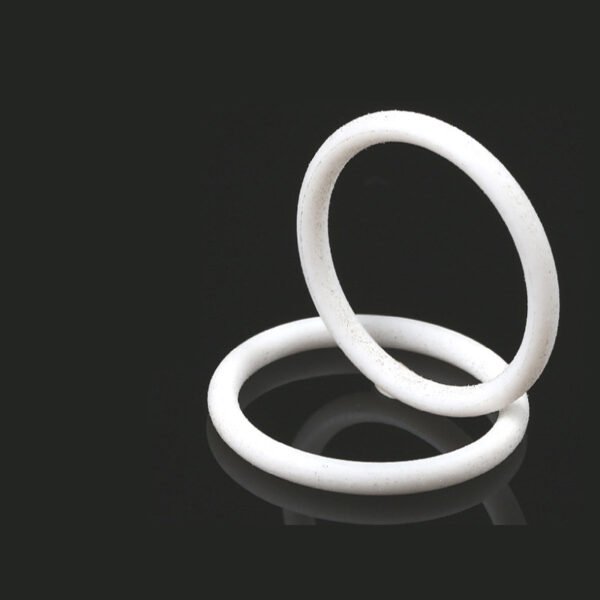
حشية PTFE عالية الحرارة وحلقة O من التيفلون | مانع تسرب PTFE لمقاومة المواد الكيميائية
توفر حشية PTFE عالية الحرارة وحلقة O من التيفلون إحكامًا ممتازًا في درجات الحرارة العالية والمواد الكيميائية العدوانية. كما أنها مقاومة للتآكل وتوفر عمرًا افتراضيًا طويلًا. مثالية للصناعات الكيميائية والصيدلانية وتصنيع الأغذية التي تتطلب أختامًا آمنة ونظيفة.
دراسة حالة: مشروع حزمة خلايا الطاقة بقدرة 50 كيلو واط
دعني أخبرك عن مشروع عملنا عليه العام الماضي. لن أذكر اسم العميل، لكنهم لاعب متوسط الحجم في سوق طائرات الدرون التي تعمل بالهيدروجين.
المشكلة
كانوا يقومون ببناء حزمة بقدرة 50 كيلو واط لدرون مخصص للحمولات الثقيلة. وكانوا يستخدمون موانع تسرب من مادة FKM (فلورولاستومر). كانت موانع التسرب تعمل بشكل جيد في الاختبارات المعملية، ولكن خلال اختبارات الطيران، كانت كفاءة الحزمة تنخفض.
قمنا بتحليل مجموعات أقطاب الغشاء (MEAs) المستخدمة ووجدنا آثارًا لملوثات. كانت مادة FKM تتحلل بشكل طفيف تحت درجات حرارة التشغيل المرتفعة (80 درجة مئوية)، وكان الاهتزاز يتسبب في حدوث تسريبات دقيقة.
الحل:
قمنا باستبدالها بقطع مخصصة من تفلون X حشية ePTFE مع حشو معين لتحسين الموصلية الحرارية.
النتيجة:
- التلوث: تلاشى تمامًا. لا يوجد دليل على تآكل مانع التسرب بعد 1000 ساعة عمل.
- الكفاءة: استقرت.
- الصيانة: في الواقع، قاموا بتمديد فترات الخدمة لأنهم لم يعودوا قلقين بشأن جفاف موانع التسرب أو تشققها.
هذا ليس سحراً؛ بل هو مجرد مطابقة المادة المناسبة مع فيزياء التطبيق.
نصيحة عملية: تصميم سدادة الإحكام الخاصة بك
إذا كنت تقوم بتصميم الأخدود لـ سدادة إحكام لخلية وقود هيدروجينية، فإليك بعض النصائح من واقع التجربة العملية.
1. جودة تشطيب السطح مهمة
الهيدروجين مادة لا تتهاون. إذا كانت الصفيحة ثنائية القطب تحتوي على خدش عبر سطح الإحكام، فسيجد الهيدروجين طريقه عبره.
مع مادة ePTFE، لديك قدر من المرونة لأن المادة تتدفق لتملأ العيوب. ولكن، استهدف تشطيباً للسطح أفضل من Ra 3.2 ميكرومتر (حوالي 125 ميكرو-بوصة).
2. لا تبالغ في عزم الربط
أرى هذا طوال الوقت؛ أشخاص يستخدمون مفاتيح ربط كبيرة معتقدين أن «الربط الأقوى هو الأفضل».
مع مادة PTFE، بمجرد وصولك إلى الحد الأدنى من إجهاد التثبيت، فإن الربط الزائد لا يفيد كثيراً وقد يؤدي إلى التواء الصفائح. يرجى استخدام مفتاح عزم الربط.
3. حساب إجهاد التثبيت
تحتاج إلى الوصول إلى «الحد الأدنى لإجهاد التثبيت» (قيمة y في كود ASME، على الرغم من أننا نستخدم مقاييس مختلفة قليلاً لخلايا الوقود).
بالنسبة لمادة ePTFE اللينة، قد ينخفض هذا إلى 15-20 ميجا باسكال. تأكد من أن نظام التثبيت الخاص بك يمكنه توفير ذلك بشكل موحد. فالمجموعة غير المتوازنة تؤدي إلى... كما خمنت، تسريبات.
لماذا Teflon X؟
هناك الكثير من موردي حشوات الإحكام (الجوانات) في السوق. لماذا تختارنا؟
لأننا لا نبيع رقائق بلاستيكية فحسب؛ بل نحن نفهم نفاذية الهيدروجين البيانات. نحن نعرف ما الذي يحتاجه مجمع خلايا الوقود للصمود لمدة 5,000 أو 10,000 ساعة من التشغيل.
فريقنا في تفلون X نعمل مباشرة مع ملفات CAD الخاصة بك لقص نماذج أولية تتناسب تماماً. يمكننا التعامل مع التفاوتات الدقيقة المطلوبة للمجموعات المدمجة.
بالإضافة إلى ذلك، نحن سريعون. فالبحث والتطوير يتحركان بسرعة، ولا يمكنك الانتظار لستة أسابيع للحصول على نموذج أولي لسدادة الإحكام.

حشية حلقة تفلون | حشية PTFE ومانع تسرب تفلون للاستخدام الصناعي
تُستخدم حلقات التفلون الدائرية (O Ring) وحشوات PTFE على نطاق واسع في عمليات الختم الصناعية. تضمن حلول ختم التفلون هذه تشغيلًا مانعًا للتسرب وتحمّلًا لدرجات الحرارة العالية. كما أن حشوات PTFE وحشوات التفلون مناسبة للمضخات والصمامات وخطوط الأنابيب الحساسة في القطاعات المتطلبة.
الأسئلة الشائعة: أسئلة متكررة حول حشوات PTFE لخلايا وقود الهيدروجين
س1: هل يمكن لحشوات PTFE تحمل درجات حرارة خلايا وقود غشاء تبادل البروتونات (PEM) عالية الحرارة؟
أ: بالتأكيد. تتميز مادة PTFE بالاستقرار حتى درجة حرارة 260 مئوية (500 فهرنهايت). تعمل معظم خلايا HT-PEM عند درجات حرارة تتراوح بين 160 إلى 180 درجة مئوية، وتتحمل مادة PTFE هذه الظروف بسهولة دون أن تتحلل، على عكس العديد من اللدائن المرنة التي تبدأ في التدهور عند تلك الدرجات.
س2: هل يمكن إعادة استخدام مادة ePTFE في حال قمت بتفكيك الحزمة؟
أ: بشكل عام، لا. بمجرد ضغط مادة ePTFE، فإنها تتوافق مع السطح وتفقد جزءاً من سمكها بشكل دائم. إذا قمت بفتح المجموعة للصيانة، يجب عليك دائماً استبدال الـ حشوات PTFE لضمان إحكام غلق موثوق. تأمين رخيص، أليس كذلك؟
س3: كيف تقارن سدادات PTFE بسدادات الجرافيت بالنسبة للهيدروجين؟
أ: يُعد الغرافيت جيداً لتحمل درجات الحرارة العالية، إلا أنه هش وموصل للكهرباء. في خلايا الوقود، غالباً ما تحتاج لأن يكون مانع التسرب عازلاً كهربائياً لمنع حدوث تماس كهربائي بين الألواح. وتُعد مادة (PTFE) عازلاً كهربائياً ممتازاً، بينما يتطلب الغرافيت خطوات إضافية للعزل، مما يزيد من تعقيد التصميم.
هل أنت مستعد لإيقاف التسربات؟
إن بناء خلية وقود أمر صعب بما يكفي دون القلق بشأن فشل الحشوات. أنت بحاجة إلى شريك يدرك الجوانب العلمية ويمكنه توفير الأجزاء اللازمة.
إذا مللت من انخفاض الضغط وتريد مناقشة كيف تفلون X يمكن تأمين مجموعتك، فلنتحدث.
يمكنك الاطلاع على مجموعة حلولنا عبر موقعنا الإلكتروني: https://teflonx.com/
أو، إذا كان لديك رسم فني محدد أو مشكلة تقنية معقدة تحتاج إلى حلها الآن، أرسل بريداً إلكترونياً مباشرة إلى أليسون يي@teflonx.com. أليسون هي قائدة فريقنا لهذه المشاريع وهي خبيرة في مجالها.
لا تدع مانع تسرب بقيمة $5 يفسد نموذجاً أولياً بقيمة $50,000. تواصل معنا اليوم.
اتصل بنا الآن للحصول على عرض أسعار
