
 Arabic
  English
  Russian
  French
  German
  Japanese
  Korean
  Portuguese
  Italian
  Dutch
Dutch  Turkish
  Indonesian
  Polish
  Spanish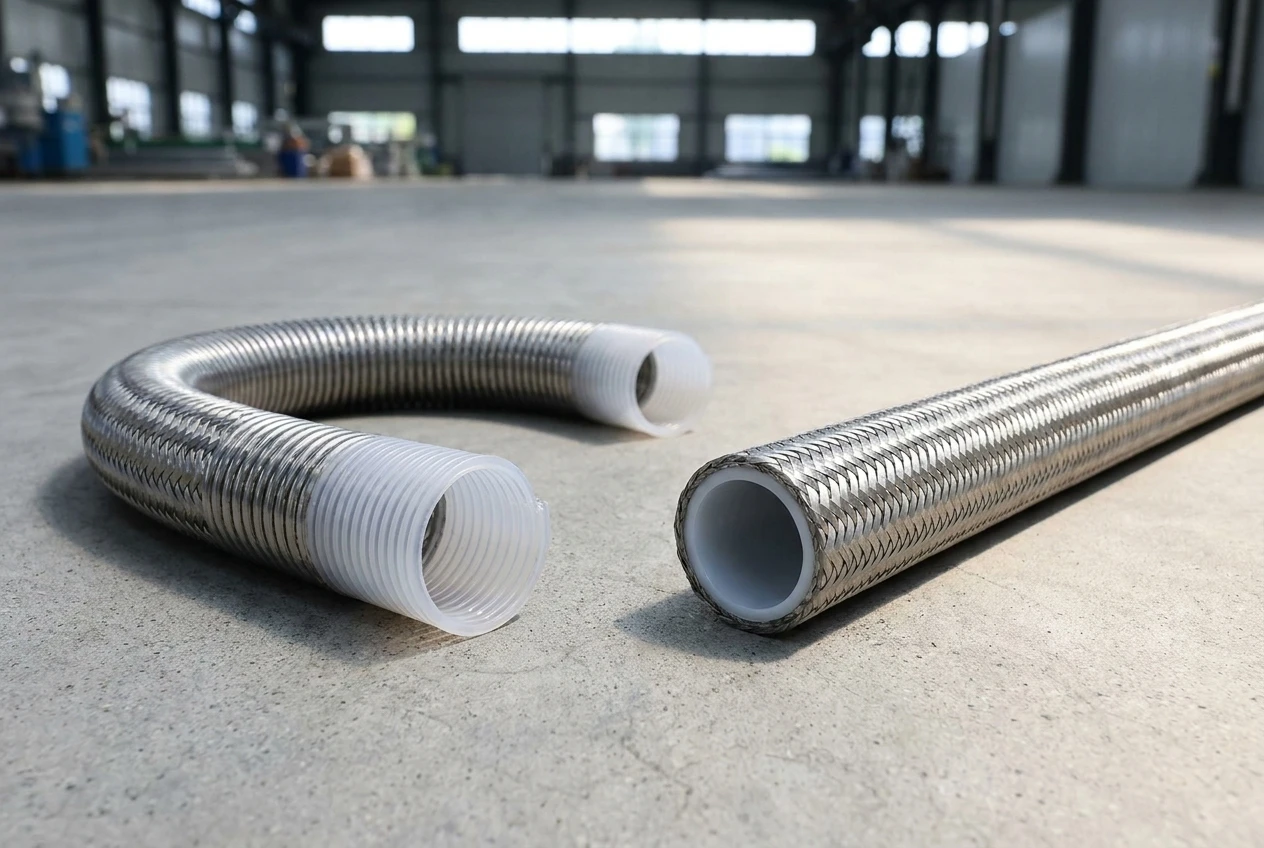
انظر، لقد قضيت وقتاً طويلاً في هذا المجال لأعرف أنه عندما يتصل بي مدير الصيانة في الساعة الثانية صباحاً بسبب تعطل خط كيميائي، فإن السؤال الأول لا يكون تقريباً "ما هي المادة الكيميائية؟" بل يكون عادةً "ما مدى الضيق الذي أحتاجه لثني هذا الخرطوم اللعين؟"
هذا السؤال الواحد هو السبب في أن خرطوم PTFE ذو التجويف الأملس مقابل المموج الجدل يرفض أن يتلاشى. كلا الخرطومين مصنوعان من نفس المادة المعجزة —PTFE— لكنهما يتصرفان بشكل مختلف تماماً في العالم الحقيقي للمصانع، وحقول الخزانات، ومحطات الخلط.
بعد مساعدة العشرات من فرق الصيانة والإصلاح والتشغيل (MRO) في اختيار النوع المناسب (ومشاهدة البعض يختارون النوع الخاطئ)، أدركت أن الوقت قد حان لتوضيح كل شيء. لا حشو مؤسسي. فقط الأمور التي تهم حقاً عندما تحاول الحفاظ على تدفق المنتج وسلامة الأشخاص.
ما الذي نقارنه بالضبط؟
خراطيم PTFE ذات التجويف الأملس هي بالضبط كما تبدو — مستقيمة تماماً وملساء من الداخل. تخيلها كطريق سريع بدون مطبات اصطناعية. يتدفق السائل خلالها بأقل قدر من الاضطراب.
خراطيم PTFE المموجة تحتوي على تلك الحلقات المميزة حولها. تبدو وكأنها هجين بين خرطوم مكنسة كهربائية وبوق فرنسي. تمنح تلك الالتواءات الخرطوم قواه الخارقة... ونقاط ضعفه.
كلاهما عادة ما يكون مغطى بجدائل من الفولاذ المقاوم للصدأ من الخارج لاحتواء الضغط، ولكن ما يحدث في الداخل هو ما يحدد ما إذا كانت عملية النقل ستتم بسلاسة أو ستتحول إلى صداع صيانة.
المقايضة الكبرى: معدل التدفق مقابل المرونة
إليك الجزء الذي لا تخبرك به معظم المواصفات الهندسية: لا يمكنك الحصول على أقصى تدفق و وأقصى مرونة في نفس الخرطوم.
لقد قمت بإعداد جدول المقارنة هذا بناءً على خراطيم حقيقية بقطر 1 بوصة اختبرناها في الميدان:
| عامل | خرطوم PTFE ذو التجويف الأملس | خرطوم PTFE مموج | الفائز في نقل المواد الكيميائية؟ |
|---|---|---|---|
| معدل التدفق | ممتاز (الأساس 100٪) | أقل بنسبة 15-25٪ بسبب الاضطراب | تجويف أملس |
| الحد الأدنى لنصف قطر الانحناء | 6-8 أضعاف قطر الخرطوم | 1.5-2 ضعف قطر الخرطوم | المموج (بفارق كبير) |
| تصنيف الضغط | أعلى عادةً | أقل قليلاً | تجويف أملس |
| الاضطراب / قابلية التنظيف | منخفضة جداً | أعلى | تجويف أملس |
| Kink Resistance | فقير | ممتاز | مموج |
| وزن | أخف وزناً | أثقل قليلاً | تجويف أملس |
| السعر | أدنى | أغلى بنسبة 20-35٪ | تجويف أملس |
هذه ليست أرقاماً نظرية. إنها ناتجة عن تركيبات فعلية حيث قمنا بقياس التدفق قبل وبعد تغيير أنواع الخراطيم.
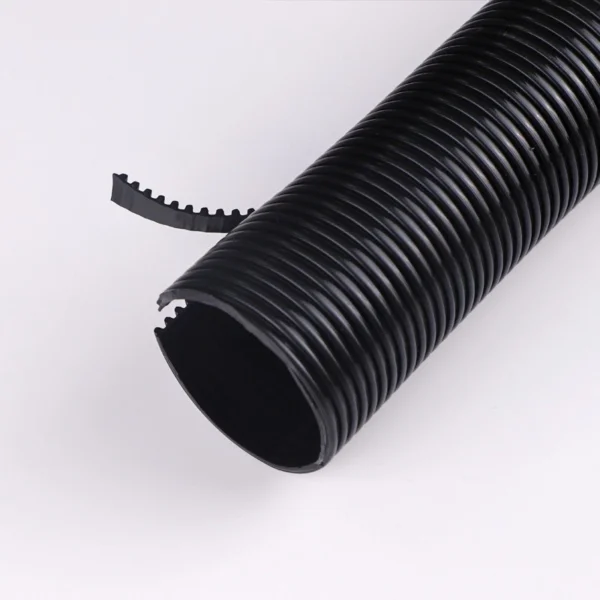
أنابيب PTFE المرنة الداخلية والخارجية المموجة المسطحة لمعالجة الأغذية
صُمم أنبوبنا المرن المصنوع من مادة PTFE، المسطح الداخلي والخارجي، بطبقة داخلية ناعمة لسهولة التنظيف، وطبقة خارجية مموجة لضمان مرونة خطوط معالجة الأغذية. يضمن هذا الأنبوب، ذو التجويف الداخلي الأملس والخارجي المموج المصنوع من مادة PTFE، نقلًا آمنًا وغير سام للأطعمة والمشروبات، وفقًا لمعايير إدارة الغذاء والدواء الأمريكية.
يعتبر أنبوب منفاخ PTFE مثاليًا لنقل المواد اللزجة، فهو يمنع تلوث النكهة ويقاوم عمليات الغسيل المتكررة.
قم بدمج هذا الأنبوب المموج الداخلي المسطح الخارجي في إعدادك؛ حيث يضمن هيكل الأنبوب المموج الداخلي المسطح الخارجي المصنوع من مادة PTFE النظافة والمتانة.
عندما يكون معدل التدفق هو كل شيء
إذا كنت تقوم بنقل مذيبات عالية القيمة أو تحتاج إلى تفريغ مفاعل في 45 دقيقة بدلاً من 90، التجويف الأملس هو الفائز الواضح عادةً.
أتذكر إحدى محطات الكيماويات السائبة التي كانت تخسر أموالاً طائلة بسبب بطء تفريغ عربات السكك الحديدية. كانوا يستخدمون خراطيم مموجة بقطر 2 بوصة لأن 'هذا ما اعتادوا استخدامه دائماً'. استبدلناها بخراطيم PTFE ذات تجويف أملس مع نفس التوصيلات، وحصلنا على الفور على أوقات تفريغ أسرع بنسبة 22%. لقد دعاني مدير المصنع لتناول عشاء ستيك. قصة حقيقية.
الفيزياء هنا واضحة ومباشرة. فكلما زاد نعومة التجويف، قل الاضطراب. والاضطراب الأقل يعني انخفاضاً أقل في الضغط. لم يكن 'هاغن-بوازوي' يمزح عندما كتب أن التدفق يتناسب طردياً مع القوة الرابعة لنصف القطر. فحتى الزيادات الطفيفة في الاضطراب الفعلي تقضي على معدل التدفق لديك.
عندما تغير المرونة قواعد اللعبة
ولكن هنا يصبح الأمر مثيراً للاهتمام.
منذ حوالي 18 شهراً، اتصلت بنا شركة مصنعة للطلاءات المتخصصة في حالة ذعر. كان مفاعل الدفعات الجديد الخاص بهم قد صممه مهندسون لم يضطروا يوماً لصيانة أي شيء في حياتهم. كانت وصلات الخراطيم في موقع يمثل كابوساً حقيقياً؛ مسافات ضيقة، زوايا غريبة، ولا مجال للخطأ.
كان خرطوم التجويف الأملس سيتطلب ثلاثة أكواع إضافية ووصلتين إضافيتين. المزيد من الوصلات يعني المزيد من نقاط التسريب. والمزيد من نقاط التسريب يعني المزيد من الصداع عند نقل المذيبات القوية.
لقد قمنا بتركيب منتجنا الـ خراطيم PTFE المموجة بدلاً من ذلك. كان الفرق شاسعاً؛ خرطوم واحد بدلاً من نظام معقد ومفرط في التعقيد. تحول المشغلون من المعاناة مع الوصلة في كل دفعة إنتاج إلى إنجازها في أقل من 90 ثانية.
هذا هو الجانب الواقعي لـ اختيار خراطيم PTFE الذي لا تستطيع جداول البيانات رصده.
اختبار الواقع لنقل المواد الكيميائية
إن مادة PTFE بحد ذاتها مادة رائعة؛ فهي تقاوم معظم المواد الكيميائية التي قد تآكل الفولاذ المقاوم للصدأ في غضون أيام. لكن تصميم الخرطوم يؤثر على ما هو أكثر من مجرد التدفق والمرونة.
مزايا التجويف الأملس لنقل المواد الكيميائية:
- سهولة تنظيف أفضل (أمر بالغ الأهمية عند تغيير المنتج)
- تقليل مخاطر انحباس المنتج
- خصائص تدفق أكثر قابلية للتنبؤ
- أفضل بشكل عام لتطبيقات النقاء العالي
مزايا الخراطيم المموجة لنقل المواد الكيميائية:
- تقليل الضغط بشكل كبير على الوصلات الناتج عن الاهتزاز والحركة
- توجيه أسهل بكثير في منصات المعدات المزدحمة
- مقاومة أفضل للالتواء عند تعرض الخرطوم لإساءة الاستخدام (وهذا سيحدث حتماً)
- غالباً ما يمكنه الاستغناء عن الوصلات الإضافية
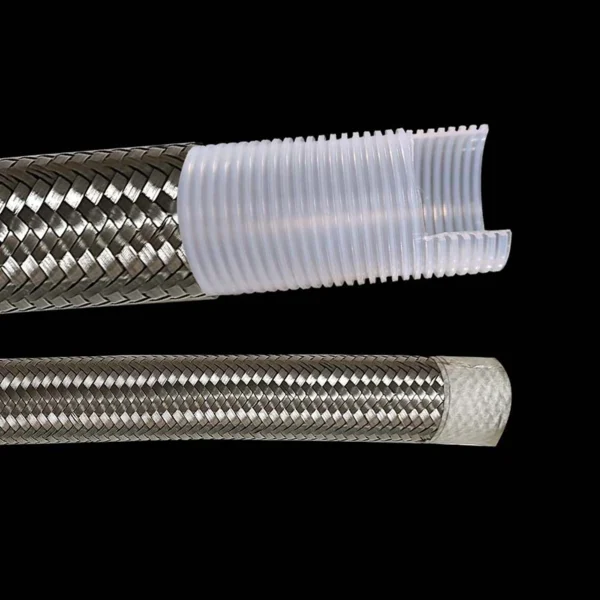
أنبوب منفاخ PTFE: داخلي مسطح خارجي مموج للاستخدام في الصناعات الدوائية
أنبوب منفاخ PTFE بتصميمه الداخلي المسطح والمموج الخارجي يوفر أداءً صحيًا خاليًا من التلوث للتطبيقات الصيدلانية. يُسهّل هذا الأنبوب المصنوع من PTFE ذو التجويف الداخلي الأملس والمموج الخارجي نقل المنتج بسلاسة مع مقاومة عوامل التعقيم القاسية.
إن الأنبوب المموج الخارجي المسطح الداخلي مناسب للبيئات المعقمة، ويحافظ على النقاء في عمليات تصنيع الأدوية، ويوفر المرونة دون المساس بالقوة.
اختر أنبوب PTFE المموج الداخلي المسطح الخارجي هذا لتعزيز الكفاءة؛ حيث يضمن هيكله المشابه للمنفاخ، المشابه لأنبوب PTFE المموج الداخلي المسطح الخارجي، الامتثال لمعايير الصناعة الصارمة.
اختيار خرطوم PTFE الصحيح
إليك إطار اتخاذ القرار الواقعي والصريح الذي أقدمه لكل مشرف صيانة يسأل:
اختر التجويف الأملس إذا:
- كانت أوقات النقل تؤثر بشكل مباشر على معدلات الإنتاج
- كنت بحاجة للحفاظ على تحكم صارم في درجة الحرارة (اضطراب أقل = انتقال حرارة أكثر استقراراً)
- كانت إمكانية التنظيف بين الدفعات أمراً غير قابل للتفاوض
- كان لديك مسارات مستقيمة نسبياً مع وجود عوائق قليلة
اختر النوع المتعرج إذا:
- كان على الخرطوم المرور عبر مساحات ضيقة أو مسارات معقدة
- كانت المعدات تتحرك أو تهتز بشكل كبير
- سئمت من استبدال الخراطيم الملساء الملتوية
- كنت ترغب في تقليل عدد نقاط الاتصال
ونعم، أحياناً تكون الإجابة الصحيحة هي... كلاهما. فغالباً ما تتطلب التطبيقات المختلفة داخل نفس المصنع حلولاً مختلفة. يستخدم أحد عملائنا التجويف الأملس لخطوط النقل الرئيسية والنوع المتعرج للأطراف المرنة في نهاية كل خط. إنه حل ذكي.
ما يخطئ فيه "الخبراء"
هل يمكنني أن أطرح رأياً مثيراً للجدل لثانية؟
تنظر العديد من فرق المشتريات في الشركات إلى هذين الخيارين وتلجأ فوراً إلى التجويف الأملس لأن السعر الأولي أقل وأرقام التدفق تبدو أفضل على الورق. ثم بعد ستة أشهر، يجدون أنفسهم يستبدلون الخراطيم الملتوية ويعالجون التسريبات في جميع الوصلات الإضافية التي احتاجوها لتشغيل الخرطوم الصلب.
أحياناً يكون الخيار المتعرج "الممتاز" أرخص فعلياً عندما تنظر إلى التكلفة الإجمالية للملكية.
لقد رأيت مصانع توفر الآلاف من خلال استثمار مبلغ إضافي بسيط في البداية للحصول على الخيار الصحيح. تفلون X استخدام خرطوم مموج بدلاً من المعاناة مع خرطوم ذو تجويف أملس غير مناسب لسنوات.
نصائح صيانة تهمك حقاً
لا يهم أيهما تختار - فكلاهما يحتاج إلى العناية:
للخراطيم ذات التجويف الأملس: انتبه للتآكل الخارجي وكن حذراً أثناء التركيب. فبمجرد التوائها، تصبح غير صالحة للاستخدام تماماً.
للخراطيم المموجة: يمكن للتلافيف أن تحجز المواد إذا لم يتم غسلها بشكل صحيح. نوصي ببروتوكول تنظيف مخصص عند الانتقال بين منتجات معينة.
يستفيد كلا النوعين بشكل كبير من اختيار الطول المناسب. فالقصر الزائد يؤدي لتلف الخرطوم، والطول الزائد يجعله عرضة لخطر الارتداد المفاجئ.
الخلاصة
لا يوجد خيار "أفضل" عالمياً في هذا خرطوم PTFE ذو التجويف الأملس مقابل المموج النقاش. بل يوجد فقط الخيار الأفضل لتطبيقك الخاص.
ينتهي الأمر بمعظم المصانع التي أتعامل معها باستخدام كلا النوعين لأغراض مختلفة بمجرد استيعاب المفاضلات بينهما. أما أولئك الذين يصرون على استخدام نوع واحد فقط، فغالباً ما يخوضون معارك غير ضرورية.
إذا سئمت من التخمين حول خرطوم PTFE الأنسب لاحتياجات نقل المواد الكيميائية لديك، فيتعين علينا التحدث. لقد ساعد فريقنا المصانع في جميع أنحاء أمريكا الشمالية في حل هذه المشكلات تحديداً.
توقف عن الصراع مع الخراطيم التي تعيق عملك.
→ تواصل معنا هنا أو أرسل لي بريداً إلكترونياً على أليسون يي@teflonx.com. أخبرني بتفاصيل تطبيقك وسأخبرك بصراحة بالخيار الذي سأتخذه.
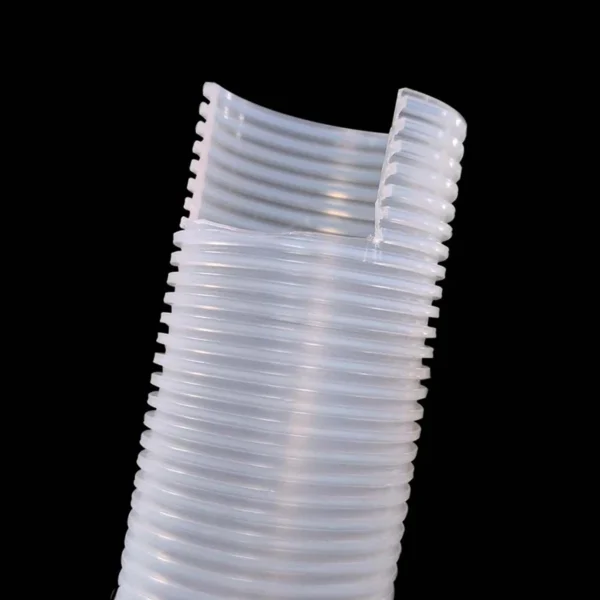
أنابيب PTFE المموجة ذات الثقب الأملس لمعالجة السوائل الصناعية
اكتشف أنابيب PTFE المموجة ذات التجويف الأملس، التي تتميز بسطح داخلي مستوٍ لضمان تدفق فعال وطبقة خارجية مموجة لتعزيز مرونة التعامل مع السوائل الصناعية. تتميز هذه الأنابيب المموجة الداخلية والخارجية المسطحة المصنوعة من PTFE بمقاومة كيميائية لا مثيل لها وثبات حراري، مما يجعلها الخيار الأمثل للأداء الموثوق.
في التطبيقات مثل معالجة البتروكيماويات، يعمل الخرطوم المموج الخارجي المسطح الداخلي على تقليل الاضطرابات والتراكم، مما يضمن عمليات نظيفة.
بفضل هيكلها المصنوع من مادة PTFE، تتميز هذه النسخة من أنبوب PTFE المموج الخارجي ذو الثقب الداخلي الأملس بطول العمر وسهولة التركيب في الأنظمة المعقدة.
التعليمات
س: هل يقلل خرطوم PTFE المموج حقاً من معدل التدفق إلى هذا الحد؟
ج: نعم، عادةً ما تتراوح بين 15-25% بناءً على تصميم التموج ولزوجة السائل. ومع ذلك، إذا أتاح لك الخرطوم المموج الاستغناء عن الأكواع واستخدام مسار إجمالي أكثر استقامة، فقد تحصل أحيانًا على أفضل تدفق كلي للنظام مقارنةً بالتركيب الملتوي ذو التجويف الأملس.
س: هل يمكنني استخدام الخرطوم المموج في تطبيقات الدرجة الغذائية أو التطبيقات عالية النقاء؟
أ: بالتأكيد، شريطة اختيار خرطوم يستوفي الشهادات المناسبة. لا تؤدي التموجات إلى استبعاده تلقائياً، ولكن يصبح التحقق من صحة عملية التنظيف أكثر أهمية.
س: كيف أعرف ما إذا كان نصف قطر الانحناء ضيقاً جداً بالنسبة للتجويف الأملس؟
أ: إذا كنت تضطر للضغط عليه لوضعه في مكانه أو لاحظت أي تسطح عند الانحناء، فهذا يعني أنه مشدود للغاية. في مثل هذه الحالات، نوصي عادةً بالانتقال إلى النوع المموج. ثمة قاعدة عامة جيدة تقضي بأن يكون نصف قطر الانحناء 6 أضعاف القطر الداخلي للخرطوم على الأقل في حالة التجويف الأملس ضمن التطبيقات الديناميكية.
س: ما هو الفرق في العمر الافتراضي بين الاثنين؟
أ: في التطبيقات المتماثلة، غالباً ما يدوم التجويف الأملس لفترة أطول بسبب انخفاض إجهاد الانثناء. ولكن في التطبيقات التي يتعرض فيها التجويف الأملس للالتواء أو الإجهاد، فإن النوع المضلع سيدوم لفترة أطول منه بسهولة.
