
 Arabic
  English
  Russian
  French
  German
  Japanese
  Korean
  Portuguese
  Italian
  Dutch
Dutch  Turkish
  Indonesian
  Polish
  Spanish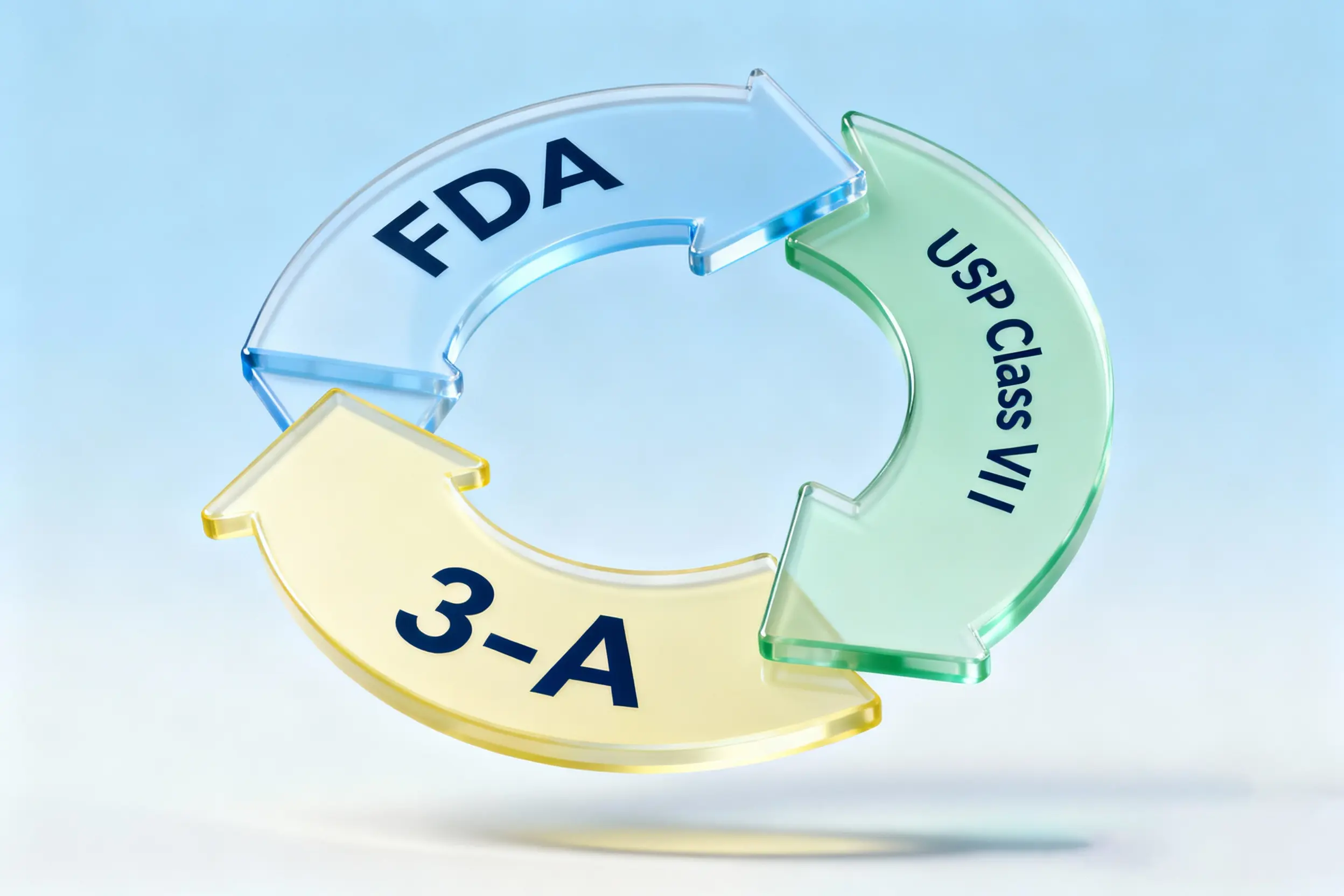
هل سبق لك أن حدقت في ورقة مواصفات لخرطوم وشعرت أنها مكتوبة بشفرة سرية؟ تتنقل بين مصطلحات مثل "متوافق مع FDA" أو "معتمد وفقاً لـ USP Class VI"، وفجأة تبرد قهوتك لأنك تشكك في ما إذا كانت تجهيزاتك ستجتاز التفتيش. أنا أتفهم ذلك تماماً - لقد مررت بهذا الموقف، حين كنت منغمساً في تدقيق بمصنع أدوية، وأنا أتصبب عرقاً قلقاً مما إذا كان خط أنابيب واحد سيفشل عملية التحقق بالكامل. وبصفتي شخصاً قضى أكثر من عقد في التعامل مع خراطيم PTFE للعاملين في تصنيع الأغذية والأدوية، دعني أخبرك: فك شفرة شهادات خراطيم PTFE ليس مجرد عمل روتيني؛ بل هو الفرق بين سلاسة العمليات وتوقف قد يكلفك الآلاف.
فكر في الأمر. في عالم الأدوية، خطأ واحد في معدات غير متوافقة قد يعني دفعات ملوثة، أو سحب منتجات، أو ما هو أسوأ - غرامات تصل بسهولة إلى ستة أرقام. أما في قطاع الأغذية فالأمر ليس سهلاً أيضاً؛ فلا أحد يريد رؤية عناوين أخبار عن بكتيريا الليستيريا بسبب خرطوم مشكوك فيه. لكن إليك الخبر السار: بمجرد أن تفهم ما ترمز إليه هذه الشهادات حقاً، يصبح اختيار المعدات المناسبة أمراً مباشراً. سنستعرض معايير FDA وUSP Class VI و3-A خطوة بخطوة، ونقدم بعض الأمثلة الواقعية من الميدان، بل وسنتحدث عن كيفية... تفلون X يتناسب مع المزيج من خلال خيارنا المعتمد... أنبوب PTFE مموج داخلي أملس خارجي المصمم خصيصاً لهذا النوع من المشكلات. وبحلول النهاية، ستشعر بالتمكن والاستعداد – وربما تتواصل مع... صفحة الاتصال الخاصة بنا للحصول على عرض سعر سريع إذا وجدت ما تبحث عنه.
لنبدأ، بعيداً عن الرسميات.
مقدمة سريعة: لماذا تتربع خراطيم PTFE على العرش في الصناعات ذات الرقابة الصارمة؟
قبل أن نتعمق في الشهادات، لنتحدث قليلاً عن سبب كون PTFE (وهو البولي تترافلورو إيثيلين، إذا كنت جديداً في هذا المجال) هو العنصر الأبرز للخراطيم في أماكن مثل المختبرات أو خطوط التعبئة. هذه المادة تشبه "السكين السويسري" للمواد – فهي قوية للغاية ضد الكيماويات، وتتحمل درجات حرارة قاسية من -100 درجة فهرنهايت إلى 500 درجة فهرنهايت دون أدنى تأثر، ولا تفرز مواد ضارة في السوائل التي تمر عبرها. في قطاعي الأدوية والأغذية، حيث اللوائح صارمة للغاية، تعتبر هذه المادة بمثابة كنز.
من خلال تجربتي في تركيب هذه الخراطيم في مصنع للألبان في ويسكونسن، رأيت بنفسي كيف أدى استبدال الخراطيم الأساسية بخراطيم PTFE إلى تقليل دورات التنظيف بمقدار النصف. لا مزيد من الفرك لساعات لمجرد الوصول إلى درجات النظافة المطلوبة. ولكن السحر الحقيقي؟ يكمن في الشهادات التي تثبت سلامتها. فبدونها، أنت تراهن على الامتثال للوائح. والإحصائيات لا تكذب: في عام 2023، أنفقت شركات الأدوية العالمية أكثر من 50 مليار دولار فقط للبقاء في الجانب الصحيح من اللوائح، مع ارتفاع هذا الرقم بنحو 7% سنوياً. يا له من رقم كبير، دعنا لا نزيد من تلك التكاليف.
فك الشفرة بشأن الأنابيب المتوافقة مع FDA: خط الدفاع الأساسي لسلامة الغذاء
حسناً، لنبدأ بالأهم: الامتثال لـ FDA. إذا كنت في قطاع الأغذية أو الأدوية، فهذا يظهر في كل مكان لأنها ختم إدارة الغذاء والدواء الأمريكية الذي يقول: "مرحباً، هذا الخرطوم لن يسمم منتجك". وتحديداً بالنسبة لخراطيم PTFE، نحن نتحدث عن FDA 21 CFR 177.1550 – وهي اللائحة التي تعطي الضوء الأخضر لـ "الاستخدام المتكرر" في تطبيقات ملامسة الأغذية. الترجمة؟ الحليب أو الصلصات أو حتى الحقن المعقمة يمكن أن تلمسه دون التقاط أي رواسب غريبة.
ولكن ماذا يعني "متوافق" حقاً في الواقع العملي؟ إنه ليس مجرد ملصق يوضع بعد توقيع موظف مكتب. تقوم المختبرات باختبار المواد القابلة للاستخراج – وهي الأشياء التي قد تنتقل إلى الخارج تحت تأثير الحرارة أو الضغط – وتتأكد من بقاء المستويات أقل بكثير من الحدود المسموح بها. على سبيل المثال، في إعدادات التعبئة، تعني الأنابيب المتوافقة مع FDA عدم تسرب نكهات غريبة إلى مشروباتك أو انبعاث غازات في خطوط الزبادي. أتذكر تحديث خط أغذية خفيفة حيث كانت الخراطيم المطاطية القديمة تفشل في هذه الاختبارات باستمرار، مما أدى إلى نكهات غريبة اشتكى منها العملاء. استبدلناها بـ PTFE، واختفت المشكلات تماماً، بالإضافة إلى أنها صمدت لفترة أطول بثلاث مرات.
إليك جدول سريع يوضح كيفية مقارنة FDA في الفحوصات اليومية:
| جانب الاختبار | ما يغطيه | لماذا يهمك بالنسبة لك |
|---|---|---|
| المواد القابلة للاستخراج/المواد القابلة للترشيح | المواد الكيميائية التي قد تنتقل إلى المنتج | يحافظ على نقاء الأغذية والأدوية، ويتجنب سحب المنتجات من الأسواق |
| تصنيف الاستخدام المتكرر | يتحمل دورات التنظيف (بالبخار، والتنظيف المكاني CIP) | يوفر الوقت والمال المهدر في عمليات الاستبدال |
| حدود درجة الحرارة والضغط | تصل إلى 500 درجة فهرنهايت، وضغط عالٍ دون تحلل | يناسب عمليات البسترة عالية الحرارة أو أجهزة التعقيم (أوتوكلاف) |
الخلاصة: إذا كانت عملياتك تلامس أي شيء صالح للأكل أو طبي، فإن الأنابيب المتوافقة مع معايير إدارة الغذاء والدواء (FDA) غير قابلة للتفاوض. إنها الحد الأدنى المطلوب، وليست السقف. وفي تفلون X، كل أنبوب PTFE مموج داخلي أملس خارجي نشحنها تحقق هذا المعيار، بقطر داخلي أملس لسهولة التدفق وغلاف خارجي مموج للمرونة دون حدوث التواءات.
حاصلة على شهادة USP الفئة السادسة (Class VI): السلاح السري لمتخصصي الصناعات الدوائية ضد التفاعل الحيوي
والآن، لننتقل إلى قطاع الأدوية – حيث تصبح المتطلبات أكثر دقة. هنا تظهر المواد المعتمدة من الفئة السادسة لـ USP. ما هي USP؟ إنها دستور الأدوية الأمريكي، المرجع الأساسي لمعايير الأدوية. الفئة السادسة هي المستوى الأكثر صرامة للبلاستيك واللدائن، وهي تعني ببساطة أن المواد متوافقة حيوياً بما يكفي لملامسة الأنسجة البشرية دون أي مشكلات. نحن نتحدث عن اختبارات السمية الجهازية الحادة، وتهيج الجلد، وحتى زرع العضلات في الحيوانات لمحاكاة أسوأ السيناريوهات.
لماذا يمثل هذا نقطة تحول؟ في خطوط التعبئة المعقمة أو تغذية المفاعلات الحيوية، لا يمكنك السماح للخرطوم بإثارة ردود فعل تحسسية أو تسريب أيونات تعبث بنقاء الدواء. الأمر يتعلق بالمواد منخفضة الاستخلاص طوال الوقت – تخيل مستويات أجزاء لكل مليار. في إحدى الاستشارات التي قدمتها لشركة للتكنولوجيا الحيوية تنتج أجساماً مضادة وحيدة النسيلة؛ كانت خطوط السيليكون القديمة تفشل في هذه الاختبارات الحيوية، مما يعرض دفعات الإنتاج لخطر الرفض. قمنا بتركيب أنابيب PTFE المعتمدة من USP الفئة السادسة، ولم تقف النتائج عند حد قفز الإنتاجية بنسبة 15%، بل أصبح التحضير لعمليات التدقيق أمراً في غاية السهولة.
وبالتعمق أكثر، تنقسم الشهادة إلى ثلاث فئات: الجهازية (عدم وجود ردود فعل في كامل الجسم)، والجلدية (عدم حدوث طفح جلدي من الحقن)، والزرع (عدم حدوث التهاب من الأجسام المزروعة). اجتياز هذه الاختبارات الثلاثة يعني أنك في وضع ممتاز للمواد التي تُعطى عن غير طريق الجهاز الهضمي – مثل أدوية الحقن الوريدي، والغرسات، وما إلى ذلك. بالنسبة للخراطيم، يعني هذا تكاملاً سلساً في الغرف النظيفة دون متاعب إضافية في عمليات التحقق.
نصيحة من الميدان: ادمجها مع نهايات مصقولة كهربائياً لتعزيز قابلية التنظيف. إن منتجاتنا أنبوب PTFE مموج داخلي أملس خارجي في Teflon X؟ هي معتمدة من الفئة السادسة لـ USP منذ البداية، مع نعومة داخلية تقلل من الاضطراب وتمنع تراكم البكتيريا حسب التصميم.
معايير 3-A الصحية: الحفاظ على نظافة خطوط الألبان والأغذية تماماً
في مجال معالجة الأغذية – وخاصة الألبان – تعتبر معايير 3-A الصحية هي الأبطال المجهولين. تدير هذه المبادئ التوجيهية منظمة غير ربحية تضم كبار الخبراء في الصناعة، وتضمن بناء المعدات (بما في ذلك الخراطيم) لسهولة التنظيف المكاني (CIP) وعدم إيواء البكتيريا مثل أطباق المختبرات. يغطي المعيار رقم 02-62 مجموعات الخراطيم تحديداً، حيث يتطلب أسطحاً ملساء (Ra < 32 ميكروبوصة)، ووصلات خالية من الشقوق، ومواد مقاومة للمطهرات.
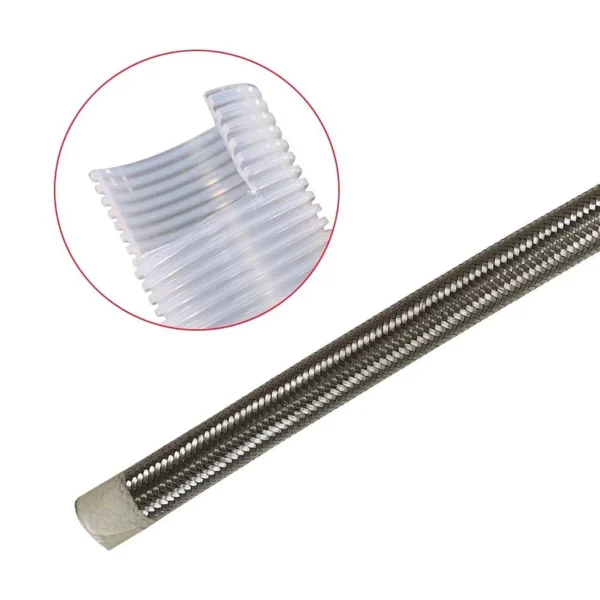
أنبوب PTFE مموج ناعم داخلي وخارجي متين للسوائل عالية الحرارة
صُمم أنبوبنا المتين المصنوع من مادة PTFE، والمموج والملس، لتحمل الظروف القاسية، ويتميز بثقب داخلي مسطح لنقل السوائل عالية الحرارة بسلاسة، وطبقة خارجية مموجة لمزيد من المتانة. يتميز هذا الأنبوب المموج والمسطح الداخلي والخارجي المصنوع من مادة PTFE بمقاومة ممتازة للتلف الحراري والتأثيرات الكيميائية.
في قطاعي السيارات والفضاء الجوي، يوفر الخرطوم المموج الخارجي المسطح الداخلي أداءً موثوقًا به تحت الضغط.
اختر هذا النوع من أنبوب PTFE الخارجي المموج ذو الثقب الداخلي الأملس لمتانته؛ حيث يضمن تكرار تصميم أنبوب PTFE الخارجي المموج ذو الثقب الداخلي الأملس كفاءة طويلة الأمد في أنظمة السوائل الساخنة.
في الممارسة العملية؟ يتعلق الأمر بالتدفق دون "أذرع ميتة" حيث تتراكم الأوساخ. قمت ذات مرة باستكشاف خلل في مصنع للأجبان حيث لم تكن الخراطيم مصنفة وفق معايير 3-A – أدى تراكم رواسب الحليب إلى إنتاج أقراص جبن رديئة الجودة وتوقف العمل. بعد التحول إلى أنابيب PTFE المتوافقة، وصلت درجات النظافة الصحية إلى 99%، وارتفعت الإنتاجية بشكل ملحوظ.
المزايا الرئيسية باختصار:
| متطلبات معيار 3-A | الفائدة على أرض الواقع | الملاءمة الصناعية |
|---|---|---|
| تشطيب السطح | Ra < 32μ للتصريف الذاتي | مبسترات الألبان، ونقل المشروبات |
| متانة المواد | يتحمل أكثر من 250 دورة تنظيف مكاني (CIP) | يقلل من وقت التوقف في المصانع ذات الإنتاجية العالية |
| سلامة التجميع | لا توجد فجوات للميكروبات | جاهز لعمليات تفتيش وزارة الزراعة الأمريكية (USDA) |
معيار 3-A طوعي، ولكن في قطاع الأغذية؟ هو إلزامي عمليًا لضمان المصداقية. وتخيل ماذا؟ مجموعة منتجات Teflon X، مثل أنبوب PTFE مموج داخلي أملس خارجي، تلبي هذه المعايير بدقة، فهي مموجة من الخارج لسهولة التوجيه مع الحفاظ على المزايا الصحية.
مقارنة مباشرة: كيف تتماشى هذه الشهادات مع تجهيزاتك
ولتوضيح الأمر تمامًا، إليك جدول مقارنة حول شهادات خراطيم PTFE. تم استخلاص ذلك من سنوات من الاختبارات المقارنة - لا حشو، فقط حقائق.
| الشهادة | التركيز الأساسي | الاختبارات/اللوائح الرئيسية | الأفضل لـ | ملاحظات التداخل |
|---|---|---|---|---|
| أنابيب متوافقة مع معايير إدارة الغذاء والدواء (FDA) | سلامة ملامسة الغذاء | المواد القابلة للاستخلاص وفقاً للمعيار 21 CFR 177.1550 | المواد الغذائية والمشروبات العامة، وبعض أساسيات الأدوية | قاعدة عريضة؛ تعتمد عليها معايير USP/3-A |
| معتمد وفقاً لمعيار USP Class VI | التوافق الحيوي، سمية منخفضة | جهازي، داخل الجلد، زرع | الأدوية المعقمة، الغرسات | المعايير الأكثر صرامة للتلامس البشري |
| 3-أ المعايير الصحية | القابلية للتنظيف، النظافة الصحية | صقل السطح، والقدرة على تحمل التنظيف المكاني (CIP) | منتجات الألبان، والأغذية المصنعة | رائد النظافة الصحية؛ يتكامل مع معايير إدارة الغذاء والدواء (FDA) |
أرأيت؟ إنهم ليسوا متنافسين، بل هم شركاء في العمل. معظم خراطيم PTFE عالية الجودة تحمل الشهادات الثلاث لضمان أقصى قدر من التعددية في الاستخدام.
قصص من الميدان: تطبيقات ونجاحات واقعية باستخدام خراطيم PTFE المعتمدة
الجانب النظري جيد، ولكن دعونا نتحدث عن النجاحات الميدانية. لنأخذ شركة أدوية متوسطة الحجم في جيرسي كمثال - كانت تعمل على زيادة إنتاج الببتيدات ولكنها واجهت عقبات بسبب المذيبات القوية التي تسببت في تآكل الأنابيب القياسية. بعد التحول إلى خراطيم PTFE المعتمدة من فئة USP Class VI، انخفضت مخاطر التلوث إلى الصفر تقريباً. أما العوائد؟ فقد ارتفعت بنسبة 20% في غضون ستة أشهر، كل ذلك مع اجتياز عمليات تدقيق إدارة الغذاء والدواء (FDA) بسلاسة.
أو بالانتقال إلى قطاع الأغذية: واجه مصنع جعة حرفي في كولورادو مشكلة العتامة في المشروبات الناتجة عن المواد القابلة للاستخلاص في خطوط النقل الخاصة بهم. عالجت الأنابيب المتوافقة مع معايير FDA هذه المشكلة فوراً - صب أنقى ونتائج أفضل. لن نذكر أسماء، لكن الفكرة واضحة. هذه ليست مجرد افتراضات؛ لقد قمت بتحديد هذه المواصفات بنفسي.
في تغذية المفاعلات الحيوية، تلك أنبوب PTFE مموج داخلي أملس خارجي تتألق – سطح داخلي ناعم للتدفق الطبقي، وتعرجات خارجية لتجنب الشقوق في الأماكن الضيقة. أحد العملاء في مجال المنتجات البيولوجية قلل وقت التجهيز بنسبة 30% بمجرد تسهيل عملية التوجيه.
لماذا يعد Teflon X خيارك الأول للحصول على هذه الشهادات
انظر، لقد بحثت كثيراً - الكثير من صانعي الخراطيم يبالغون في الوعود، ولكن في تفلون X، نحن نعيش هذا الواقع. إن أنبوب PTFE مموج داخلي أملس خارجي الخاص بنا ليس مجرد تقليد جاهز؛ إنه مصمم هندسياً وفقاً للوائحك، مع إمكانية تتبع كاملة من الراتنج إلى البكرة. لقد ساعدنا أكثر من 200 مصنع في تحقيق الامتثال دون تجاوز الميزانية، مستمدين ذلك من الخبرة العملية المكتسبة من عمليات التركيب المتعثرة (التي قمنا بإصلاحها).
هل تريد التفاصيل؟ أرسل بريداً إلكترونياً إلى أليسون يي@teflonx.com أو ألقِ نظرة على صفحة الاتصال الخاصة بنا لإجراء محادثة واقعية ومباشرة. عروض الأسعار سريعة، ونقوم حتى بتجهيز عينات لأطوال مخصصة.
الأسئلة الشائعة: الإجابات على أسئلتك الملحة حول شهادات خراطيم PTFE
س: هل أحتاج إلى جميع الشهادات الثلاث - إدارة الغذاء والدواء (FDA)، وUSP Class VI، و3-A - لعملياتي التشغيلية؟
ج: لا، ليس دائماً. قد يلتزم العاملون في مجال الأغذية بمعايير FDA و 3-A؛ بينما يركز قطاع الأدوية بشدة على USP Class VI. ولكن الجمع بينهما؟ خطوة ذكية لضمان المستقبل. تحقق من اللوائح الخاصة بك - فمثلاً، قطاع الألبان يتطلب بشدة معيار 3-A.
س: كم مرة يجب عليّ استبدال خراطيم PTFE المعتمدة لضمان الامتثال؟
ج: يعتمد الأمر على الاستخدام، ولكن يُنصح بإجراء فحوصات سنوية. هل تتعرض لمواد كيميائية قاسية أو دورات استخدام مكثفة؟ كل ستة أشهر. تصمد معدات Teflon X الخاصة بنا لفترة أطول بمقدار 2-3 مرات من المنتجات المماثلة، وفقاً للاختبارات الميدانية.
س: هل يمكنني الحصول على خراطيم PTFE مخصصة تستوفي شهادات اعتماد متعددة من مورد واحد؟
أ: تماماً. في تفلون X، نقوم بتخصيص أنبوب PTFE مموج داخلي أملس خارجي لدمج الأنابيب المتوافقة مع معايير إدارة الغذاء والدواء (FDA) مع تلك المعتمدة وفقاً لـ USP Class VI والمعايير الصحية 3-A. تواصل معنا للحصول على المواصفات.
س: ما هي أكبر خرافة حول هذه الشهادات يجب أن أحذر منها؟ (سؤال إضافي، لمَ لا؟)
ج: أن كلمة "معتمد" تعني "لا يقهر". الحقيقة؟ الأمر يتعلق بالمنظومة بالكامل - الوصلات والمشابك أيضاً. أي تقصير هناك سيعيدك إلى نقطة الصفر.
ختاماً: لديك الآن الأدوات اللازمة لفك رموز شهادات خراطيم PTFE واختيار المنتجات الرابحة التي تحافظ على استمرار خطوطك ورضا المفتشين. لكن المعرفة هي نصف المعركة فقط - القوة الحقيقية هي العمل بها. تخيل التدقيق القادم: لا ملاحظات سلبية، وفريق يحتفل بالنجاح، وعمليات تسير دون أي خلل. هذا هو الطموح، أليس كذلك؟ اجعله حقيقة - تواصل مع أليسون يي@teflonx.com أو تفضل بزيارة https://teflonx.com/contact-us/ للحصول على استشارة مجانية أو عرض سعر لـ أنبوب PTFE مموج داخلي أملس خارجي. ما هي الخطوة التي ستتخذها اليوم؟ لنبدأ النقاش - فمنظومتك تستحق التطوير.
