
 German
  English
  Russian
  French
  Japanese
  Korean
  Portuguese
  Arabic
  Italian
  Dutch
Dutch  Turkish
  Indonesian
  Polish
  Spanish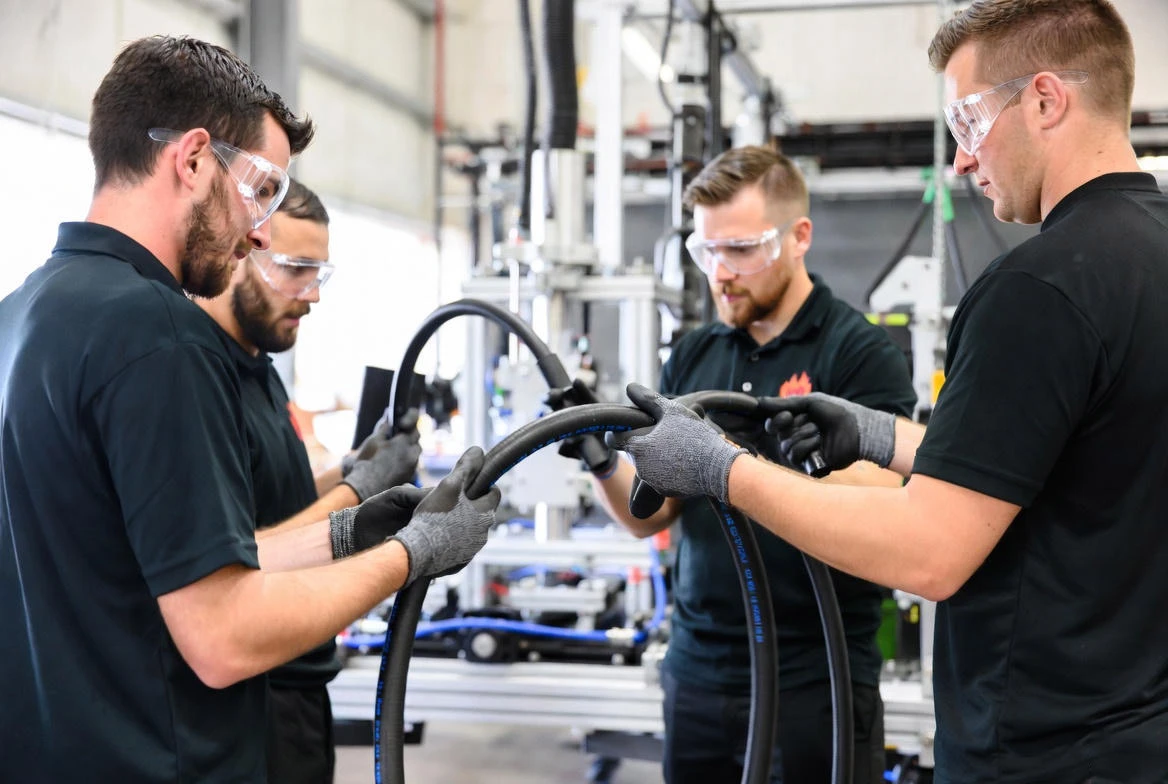
Wenn Sie jemals mit Schläuchen in heißen Umgebungen zu tun hatten, wie etwa in der Nähe von Motoren oder industriellen Leitungen, wo es richtig heiß hergeht, wissen Sie, wie frustrierend es sein kann, wenn Standardschläuche der Hitze nicht standhalten. Sie reißen, werden undicht oder, was noch schlimmer ist, verbrennen Ihnen die Hände, wenn Sie versuchen, etwas zu reparieren. Hier kommen silikonbeschichtete PTFE-Schläuche ins Spiel – sie sind eine echte Bereicherung für Wartungsteams, die eine robuste Lösung benötigen, auf die sie sich verlassen können.
Ich habe dies in mehreren Werken aus erster Hand miterlebt. In einem Betrieb, mit dem ich zusammengearbeitet habe, führten Leitungen mit heißen Flüssigkeiten in der Nähe von Öfen vorbei, und die alten Schläuche fielen ständig aus, was zu Stillstandszeiten und sogar zu einigen beinahe erfolgten Verbrennungen führte. Nach dem Wechsel auf diese silikonummantelten PTFE-Schläuche lief plötzlich alles reibungsloser. Weniger Probleme, sicherere Handhabung. Lassen Sie uns analysieren, warum diese Schläuche in Hochtemperaturbereichen so überzeugen.
Was zeichnet silikonbeschichtete PTFE-Schläuche aus?
Im Kern besteht der Schlauch aus PTFE – dem Material, das oft als Teflon bezeichnet wird – und das bereits für sich genommen hervorragend für den Umgang mit Chemikalien und extremen Temperaturen geeignet ist. PTFE-Schläuche halten einer Dauerhitze von bis zu ca. 260 °C (500 °F) und zeitweise sogar höheren Temperaturen stand, ohne sich zu zersetzen. Herstellerdaten zeigen, dass Standard-PTFE im Bereich von -70 °C bis +260 °C zuverlässig funktioniert und gegenüber den meisten Flüssigkeiten inert ist.
Einfaches PTFE kann jedoch in rauen Umgebungen etwas ungeschützt wirken. Deshalb ändert die Hinzufügung eines Silikonmantels alles. Die Silikon-Außenschicht fungiert als hitzebeständiger Schlauchschutz und schirmt das innere PTFE vor direkter Flammeneinwirkung, Abrieb und Strahlungswärme ab. Silikonkautschuk selbst hält ebenfalls einer Dauerbelastung von ca. 260 °C stand und bietet diese zusätzliche Thermoschutzschicht.
Zusammen ergeben sie einen Schlauch, der nicht nur im Inneren hitzebeständig, sondern auch außen geschützt ist. Man kann es sich so vorstellen, dass das PTFE die Hauptarbeit beim Flüssigkeitstransfer leistet, während das Silikon vor Verbrennungen und äußeren Schäden schützt. Wartungspersonal schätzt dies sehr, da das Anfassen einer heißen Leitung nicht mehr sofortige Verbrühungen bedeutet.
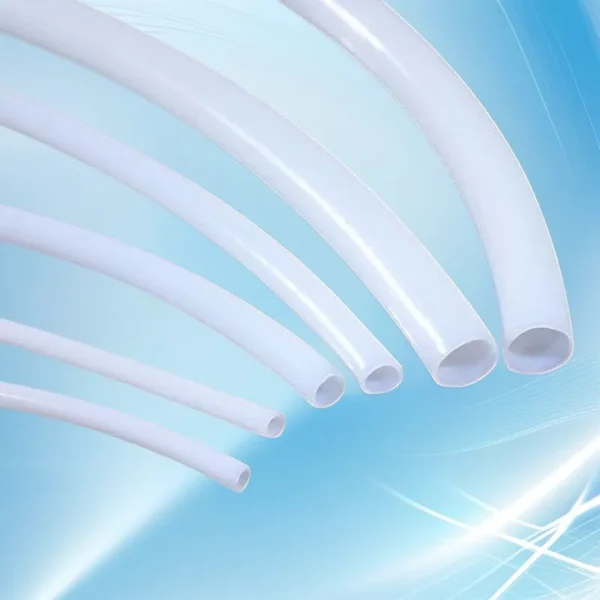
PTFE-Teflonschlauch für die Luft- und Raumfahrt | Leichte Kraftstoff- und Kühlmittelleitungen
PTFE-Teflonschläuche bieten leichte und temperaturbeständige Eigenschaften für Kraftstoffleitungen und Kühlsysteme in der Luft- und Raumfahrt. Die geflochtene Edelstahlvariante widersteht Vibrationen und Temperaturschwankungen und gewährleistet so Sicherheit unter extremen Bedingungen. Entspricht den AS/EN9100-Normen.
Wesentliche Vorteile in Hochtemperaturumgebungen
Arbeiten in heißen Zonen? Diese Schläuche bieten eine Reihe praktischer Vorteile:
- Herausragende Hitzebeständigkeit: Die Kombination ermöglicht es dem Schlauch, einer dauerhaften Belastung von 260 °C oder mehr standzuhalten, wobei einige Konfigurationen für kurzzeitige Spitzenwerte ausgelegt sind. Im Gegensatz zu Gummischläuchen, die bei etwa 150 °C an ihre Grenzen stoßen und verhärten oder reißen, bleiben diese flexibel und intakt.
- Verbrennungsschutz und Sicherheit: Das Design des silikonummantelten PTFE-Schlauchs bewirkt, dass die Außenfläche bei Berührung kühler bleibt, selbst wenn heiße Medien im Inneren fließen. Keine versehentlichen Verbrennungen mehr bei Kontrollen oder Reparaturen – ein enormer Sicherheitsvorteil in belebten Werken.
- Thermische Isolierung: Die Ummantelung reduziert den Wärmeverlust und hält Flüssigkeiten länger heiß, was in einigen Leitungen Energie spart. Zudem schützt sie umliegende Komponenten vor Strahlungswärme.
- Beständigkeit gegen Abrieb und Flammen: Silikonbeschichtete Versionen widerstehen Funken, Spritzern von geschmolzenem Metall und gelegentlicher Flammeneinwirkung besser als blanke geflochtene Schläuche. In Tests hielten vergleichbare Schutzschläuche einer Dauerbelastung von bis zu 500 °F und kurzzeitig bis zu 2200 °F stand.
Hier ist eine kurze Vergleichstabelle, die zeigt, wie sie im Vergleich zu gängigen Alternativen abschneiden:
| Schlauchtyp | Maximale Dauertemperatur | Verbrennungsschutz | Chemische Beständigkeit | Flexibilität | Typischer Anwendungsfall |
|---|---|---|---|---|---|
| Standardgummi | ~150 °C (302 °F) | Arm | Mäßig | Hoch | Allgemeine niedrige Hitze |
| Reines Silikon | ~260 °C (500 °F) | Gut | Gut | Exzellent | Flexibel für Lebensmittel/Pharma |
| Blankes PTFE | ~260 °C (500 °F) | Keine | Exzellent | Mäßig | Chemischer Transfer |
| Silikonummanteltes PTFE | ~260 °C (500 °F)+ | Exzellent | Exzellent | Gut | Industrielle Hochtemperaturanwendungen |
Diese Zahlen stammen aus Industriestandards wie SAE und Herstellerspezifikationen – PTFE-Kerne erreichen zuverlässig die Marke von 260 °C, wobei Silikon die äußere Schutzschicht bildet.
Praxisanwendungen und Szenarien
In industriellen Umgebungen kommen diese Schläuche häufig dort zum Einsatz, wo Hitze und Sicherheit aufeinandertreffen. Beispielsweise sorgt der Wärmeschutz in Fertigungsanlagen mit Dampfleitungen oder Heißölsystemen für einen reibungslosen Betrieb ohne häufigen Austausch.
Ein Szenario, an das ich mich erinnere (ohne Namen zu nennen), war eine Anlage, in der heiße Kühlmittelleitungen in der Nähe von Maschinen gehandhabt wurden. Herkömmliche Schläuche wurden zu heiß für eine sichere Handhabung, was zu langsameren Wartungsarbeiten und Risiken führte. Nach dem Wechsel auf silikonummantelte PTFE-Schläuche konnte das Team schneller und mit weniger Zwischenfällen arbeiten. Die Ausfallzeiten sanken, da die Schläuche unter der konstanten Hitzeeinwirkung länger hielten.
Ein weiterer häufiger Einsatzbereich: Kraftstoff- oder Kühlmittelleitungen in der Luft- und Raumfahrt oder im Automobilsektor, wie unsere PTFE-Schlauch Optionen bei Teflon X. Sie sind leicht und dennoch robust, wobei die Silikonummantelung den Verbrühschutz für Bodenpersonal bietet.
Oder denken Sie an die chemische Verarbeitung – das PTFE im Inneren ist resistent gegen aggressive Flüssigkeiten, während die Ummantelung die äußere Hitze von benachbarten Geräten bewältigt.
Warum Wartungsteams sie für Isolierungs- und Verbrühschutzanforderungen schätzen
Wenn Sie als Wartungsfachkraft nach besseren Isolierungs- und verbrennungssicheren Optionen suchen, ist dies die Lösung. Dank der hitzebeständigen Schlauchummantelung können Sie Leitungen näher an heißen Oberflächen verlegen, ohne sich allzu große Sorgen machen zu müssen. Sie isoliert gegen Strahlungswärme und schützt sowohl den Schlauch als auch Ihre Hände.
In einer Anlage ersetzte ein Team, das mit Hochtemperatur-Dampfleitungen arbeitete, alte Schläuche, die bei der Verlegung immer wieder zu Verbrennungen führten, durch diese Produkte. Der Unterschied war enorm – sicherere, einfachere Installationen und die Schläuche hielten über die Zeit besser stand.

Vergleich mit anderen Optionen
Einfache Silikonschläuche sind flexibel und hitzebeständig, erreichen jedoch nicht die chemische Trägheit oder die höheren Temperaturspitzen von PTFE. Gummi? In extrem heißen Umgebungen ungeeignet – es verschleißt schnell.
Blankes PTFE mit Stahlumflechtung ist hervorragend für Reinheit und Druck geeignet, ist aber ohne Silikon heiß bei Berührung und äußerlich anfällig. Die ummantelte Version kombiniert das Beste: innere Reinheit, äußerer Schutz.
Tipps zur Installation und Wartung
Die Installation dieser Schläuche ist recht unkompliziert – ähnlich wie bei umflochtenen Schläuchen, aber das Silikon lässt sie an engen Stellen leichter gleiten. Halten Sie die Biegeradien großzügig, um ein Abknicken des PTFE-Kerns zu vermeiden.
Prüfen Sie die Ummantelung regelmäßig auf Abrieb, um eine lange Lebensdauer zu gewährleisten. Die Reinigung erfolgt mit milden Mitteln – das Silikon lässt sich leicht abwischen.
Wenn Sie Hochdruck- oder Vakuumanwendungen betreiben, verwenden Sie diese in Kombination mit den passenden Armaturen.
Häufig gestellte Fragen
Welche Temperaturen können silikonummantelte PTFE-Schläuche aushalten?
Sie sind in der Regel für Dauertemperaturen von bis zu 260 °C (500 °F) ausgelegt, wobei der PTFE-Kern die primäre Beständigkeit gewährleistet und Silikon als äußerer Schutz für höhere kurzzeitige Belastungen dient.
Sind diese Schläuche zur Vermeidung von Verbrennungen sicher?
Ja, der Silikonmantel fungiert als thermische Barriere, wodurch die Außenfläche deutlich kühler bleibt und das Risiko von Verbrühungen bei der Handhabung reduziert wird.
Wie schneiden sie im Vergleich zu herkömmlichen Hitzeschutzschläuchen ab?
Ähnliches Konzept – viele Hitzeschutzschläuche bestehen aus silikonbeschichtetem Glasfasergewebe für einen dauerhaften Schutz bis zu 500 °F (ca. 260 °C). Die integrierte Ummantelung bietet hier diesen Schutz sowie die volle Schlauchfunktionalität.
Sind Sie bereit, Ihre Leitungen für ein besseres Hitzemanagement und mehr Sicherheit aufzurüsten? Entdecken Sie unser Sortiment bei Teflon X, einschließlich leichtgewichtiger PTFE-Schlauch Optionen, die sich perfekt für Hochtemperaturanwendungen eignen.
Schreiben Sie uns eine Nachricht unter https://teflonx.com/contact-us/ oder E-Mail Allison.Ye@teflonx.com für ein Angebot oder weitere Details. Wir unterstützen Sie gerne bei der Optimierung Ihres Systems.

Kundenspezifische PTFE-Teflonschläuche | Korrosionsbeständiger Schlauch für die industrielle Kühlung
Maßgefertigte PTFE-Teflonschläuche wurden für industrielle Kühlsysteme entwickelt und bieten chemische Inertheit und thermische Stabilität. Metallummantelte Varianten erhöhen die Druckbeständigkeit in Flüssigkeitskühlkreisläufen für Maschinen und Leistungselektronik. Erhältlich in FDA-konformen Ausführungen für verschiedene Branchen.
