
 German
  English
  Russian
  French
  Japanese
  Korean
  Portuguese
  Arabic
  Italian
  Dutch
Dutch  Turkish
  Indonesian
  Polish
  Spanish
Wenn Sie jemals mit Dichtungen zu tun hatten, die dem Druck nicht standhalten oder sich viel zu schnell abnutzen, sind Ihnen vielleicht glasgefüllte PTFE-Dichtungen begegnet. Sie sind sozusagen das Arbeitstier unter den PTFE-Varianten – Sie wissen schon, dieses extrem gleitfähige, chemikalienbeständige Material, das oft als Teflon bezeichnet wird. Doch der Zusatz von Glasfasern verändert die Eigenschaften erheblich. Ich arbeite seit Jahren bei Teflon X mit diesen Materialien und helfe Kunden in Chemieanlagen und Industriebetrieben, die passende Lösung zu finden. Lassen Sie uns also darüber sprechen, was glasgefüllte PTFE-Dichtungen auszeichnet, was ihre Vor- und Nachteile sind und wo sie ihre volle Leistung entfalten.
Häufig suchen Anwender nach Begriffen wie „glasgefüllte Teflon-Dichtung“ oder entdecken diese charakteristischen blauen PTFE-Dichtungen auf den Websites von Anbietern. Tatsächlich deutet die blaue Farbe meist auf eine Glasfüllung hin – der Füllstoff verleiht dem Material diesen Farbton und steigert gleichzeitig die Leistungsfähigkeit. Wenn Sie herausfinden möchten, ob diese Dichtungen für Ihre Anlage geeignet sind, bleiben Sie dran. Wir erklären die Details ohne kompliziertes technisches Fachchinesisch.
Was genau sind glasgefüllte PTFE-Dichtungen eigentlich?
PTFE an sich ist hervorragend für Dichtungen geeignet, da nichts daran haftet, es gegen die meisten Chemikalien beständig ist und extreme Temperaturen von etwa -268 °C (-450 °F) bis zu 260 °C (500 °F) verträgt. Doch reines PTFE, auch Virgin-PTFE genannt, hat einen Nachteil: Es neigt unter Last zum Fließen. Das bedeutet, dass es sich unter dauerhaftem Druck mit der Zeit verformt – dies wird als Kaltfluss oder Kriechen bezeichnet. Das ist problematisch, wenn man einen Flansch fest verschrauben möchte.
Hier setzt die Glasfüllung an. Hersteller mischen Glasfasern bei, üblicherweise 15 % oder 25 % nach Gewicht. Dadurch wird das weiche, flexible PTFE steifer und robuster. Das Ergebnis? Ein Material, das weiterhin chemisch inert ist, aber unter Belastung deutlich formstabiler bleibt.
Man sieht diese oft als blaue PTFE-Dichtungen, da der Glasfüllstoff das Material einfärbt. Eine glasgefüllte Teflon-Dichtung ist entweder als Plattenware zum Zuschneiden oder als vorgefertigte Hüllendichtung für Flansche erhältlich. Bei Teflon X arbeiten wir mit hochwertigen Ausführungen, bei denen der Füllstoffanteil für den praktischen Einsatz optimal abgestimmt ist.
Die Vorteile: Warum so viele Experten auf glasgefüllte PTFE-Dichtungen schwören
Kommen wir zunächst zu den positiven Aspekten. Der Zusatz von Glas behebt eine Reihe von Schwachstellen des reinen PTFE, ohne dessen grundlegende Stärken zu beeinträchtigen.
Zunächst einmal steigt die Kriechfestigkeit massiv an. Reines PTFE kann sich unter Dauerlast stark verformen, was mit der Zeit zu Leckagen führt. Mit 25 % Glasanteil sinkt das Kriechen erheblich – wir sprechen hier von Reduzierungen, die die Lebensdauer von Dichtungen in Hochdruckbereichen um Jahre verlängern.
Auch die Verschleißfestigkeit ist ein großer Pluspunkt. Reines PTFE nutzt sich bei Bewegung, etwa in Pumpen oder Ventilen, schnell ab. Glasfasern machen es widerstandsfähiger, sodass eine glasgefüllte Teflon-Dichtung Abrieb deutlich besser standhält.
Hinzu kommt die Druckfestigkeit. Datenblätter zeigen für PTFE mit 25 % Glasanteil eine Druckfestigkeit von etwa 2200 psi, verglichen mit wesentlich niedrigeren Werten bei reinem PTFE. Das bedeutet, dass es höhere Schraubkräfte aufnehmen kann, ohne zu stark gequetscht zu werden.
Auch die Dimensionsstabilität verbessert sich – es kommt zu weniger Ausdehnung oder Kontraktion bei Temperaturschwankungen. Dennoch bleibt die exzellente chemische Beständigkeit gegen Säuren und Lösungsmittel erhalten, bis auf wenige Ausnahmen wie geschmolzene Alkalimetalle.
Hier ist eine kurze Tabelle zum Vergleich einiger wichtiger Eigenschaften (basierend auf typischen Datenblättern für 25 % glasgefülltes PTFE im Vergleich zu reinem PTFE):
| Eigentum | Reines PTFE | 25 % glasgefülltes PTFE | Warum es wichtig ist |
|---|---|---|---|
| Druckfestigkeit (psi) | Etwa 1000–1500 | ~2200 | Besser für hohe Schraubkräfte, weniger Leckagen |
| Kriechfestigkeit | Hohes Kriechen unter Last | Deutlich reduziert | Längere Dichtungslebensdauer bei Anwendungen mit konstantem Druck |
| Verschleißfestigkeit | Geringe Eignung für dynamische Anwendungen | Deutlich verbessert | Hervorragend geeignet für Ventile und Pumpen mit Bewegung |
| Wärmeleitfähigkeit | Niedrig | Geringfügig höher | Unterstützt eine etwas bessere Wärmeableitung |
| Chemische Beständigkeit | Exzellent | Weiterhin exzellent (geringfügige Kompromisse) | Sicher für die meisten aggressiven Medien |
| Temperaturbereich | -450°F bis +500°F | Gleicher Bereich | Bewältigt Extreme in beide Richtungen |
In meiner Zeit bei Teflon X habe ich miterlebt, wie diese Vorteile Kunden große Probleme erspart haben. In einer chemischen Verarbeitungsanlage (die anonym bleibt) half beispielsweise der Wechsel zu glasgefülltem Material, Wartungsstopps zu reduzieren, da sich die Dichtungen nicht mehr verformten.

Chemikalienbeständige Teflon-Dichtungsplatte | PTFE-Ventildichtungen und Zyklondichtungen
PTFE-Dichtungsplatten bieten dichte Abdichtung in aggressiven chemischen Umgebungen. Diese Teflondichtungen eignen sich hervorragend als Dichtungskomponenten für industrielle Kugelhähne und Zyklonabscheider. Unsere PTFE-Dichtungen sind temperaturbeständig bis -200 °C und umfassen Flachdichtungen, kundenspezifische Auskleidungen und Teflonringvarianten. FDA-konformes Material gewährleistet den sicheren Einsatz in Zyklonsystemen für Lebensmittel und Pharmazeutika.
Die Nachteile: Ja, es gibt einige Kompromisse
Nichts ist perfekt, oder? Glasgefüllte PTFE-Dichtungen haben Nachteile, die man abwägen muss.
Der wichtigste Punkt ist die Abrasivität. Diese Glasfasern können Gegenlaufflächen wie Edelstahlflansche zerkratzen. Mit der Zeit kann dieser Verschleiß Probleme verursachen, wenn Ihre Ausrüstung empfindliche Teile besitzt oder einen extrem glatten Kontakt benötigt.
Zudem ist eine höhere Flächenpressung erforderlich, um ordnungsgemäß abzudichten – das bedeutet, dass die Schrauben fester angezogen werden müssen als bei reinem PTFE. Wenn Ihre Flansche alt oder zerbrechlich sind, wie bei emaillierten Reaktoren, könnte dies ein Problem darstellen.
Die chemische Beständigkeit ist in einigen Fällen leicht beeinträchtigt. Insgesamt immer noch hervorragend, aber extreme Laugen oder Flusssäure könnten den Glasfüllstoff etwas stärker angreifen.
Und Anwendungen im Lebensmittel- oder Pharmabereich? Verzichten Sie darauf. Reines PTFE ist oft FDA-zugelassen für den Kontakt mit Lebensmitteln (gemäß 21 CFR 177.1550), glasgefüllte Versionen jedoch nicht – der Füllstoff macht sie für den direkten Kontakt mit Lebensmitteln ungeeignet.
Zudem ist es steifer und verzeiht daher Unebenheiten weniger. Wenn Ihr Flansch Verzug oder Beschädigungen aufweist, passt sich reines oder expandiertes PTFE möglicherweise besser an.
Praxisanwendungen: Wo glasgefüllte PTFE-Dichtungen glänzen
Diese Dichtungen sind nicht für jede Aufgabe geeignet, aber an den richtigen Stellen sind sie unersetzlich.
Die chemische Industrie ist ein bedeutender Sektor. Reaktoren, Rohre und Ventile, die Säuren oder Lösungsmittel führen – glasfaserverstärkte PTFE-Dichtungen widerstehen Korrosion und bleiben unter Druck dicht. Wir haben bereits große Mengen für Anlagen geliefert, die mit Schwefel- oder Salzsäure arbeiten, bei denen reines PTFE zu stark zum Kaltfluss neigen würde.
Die Petrochemie sowie der Öl- und Gassektor schätzen sie für Flansche in Hochdruckleitungen. Der verringerte Kaltfluss führt zu weniger Leckagen im Zeitverlauf, selbst bei Temperaturwechseln.
Pumpen und Kompressoren mit dynamischen Bewegungen profitieren von der Verschleißfestigkeit. Denken Sie an oszillierende Teile, bei denen Reibung entsteht.
Ventilsitze, Lager, Anti-Extrusionsringe – überall dort, wo Festigkeit und geringe Reibung erforderlich sind.
Ein Beispiel aus unserer Erfahrung bei Teflon X: Ein Kunde in einer Raffinerie hatte wiederkehrende Leckagen an Hochdruckflanschen. Nach dem Wechsel auf unsere glasfaserverstärkten 15%-Platten, die zu maßgeschneiderten Dichtungen geschnitten wurden, nahmen die Probleme drastisch ab. Sie hielten dem monatelangen Durchfluss von heißem Öl hervorragend stand.
Ein weiterer Fall in einer pharmazeutischen Anlage (kein direkter Lebensmittelkontakt, aber reine Chemikalien) – hier wurden blaue PTFE-Dichtungen für eine bessere Stabilität in Rührwerksdichtungen eingesetzt.
Bei glasemaillierten Anlagen arbeiten manchmal spezielle, mit Mikrohohlkugeln gefüllte Versionen aufgrund der besseren Komprimierbarkeit besser, aber standardmäßig glasfaserverstärktes Material ist ideal für Stahlflansche.
Für erstklassige Optionen besuchen Sie unsere chemikalienbeständige Teflon-Dichtungsplatte – wir führen glasfaserverstärkte Varianten, die zuverlässig funktionieren.
Wie glasfaserverstärktes PTFE im Vergleich zu anderen gefüllten PTFE-Arten abschneidet
Nicht alle Füllstoffe bestehen aus Glas. Kohlenstofffüllungen sorgen für Leitfähigkeit und eine noch bessere Verschleißfestigkeit, haben jedoch eine dunklere Farbe. Bronze ist für hohe Belastungen geeignet, aber schwerer und weniger chemikalienbeständig.
Glas ist die erste Wahl für ein ausgewogenes Verhältnis von Kosten, Festigkeit und Beständigkeit. 15% für moderate Anforderungen, 25% für härtere Einsätze.
Im Vergleich zu reinem PTFE: Glasfaserverstärktes PTFE überzeugt durch mechanische Eigenschaften, verliert jedoch etwas an chemischer Trägheit und Weichheit.
Hier ist eine weitere Tabelle für eine schnelle Übersicht der Vor- und Nachteile:
| Aspekt | Vorteile von glasfaserverstärktem PTFE | Nachteile von glasfaserverstärktem PTFE |
|---|---|---|
| Festigkeit & Stabilität | Höhere Druckfestigkeit, geringerer Kaltfluss | Höheres Drehmoment erforderlich |
| Verschleiß | Hervorragend für bewegliche Teile | Abrasiv gegenüber Oberflächen |
| Chemisch | Niveau nahezu wie reines Material | Geringfügige Anfälligkeit bei Extrembedingungen |
| Kosten | Erschwingliches Upgrade | Etwas teurer als reines Material |
| Anwendungen | Industriell, chemisch, hohe Belastung | Kein direkter Kontakt mit Lebensmitteln/Pharmazeutika |
Die richtige Wahl treffen: Einige praktische Tipps
Berücksichtigen Sie Ihr Medium – aggressive Chemikalien? Glasgefüllt ist in der Regel geeignet.
Belastung und Bewegung – hoher Druck oder Reibung? Wählen Sie gefülltes Material.
Oberflächen – weich oder poliert? Eventuell ist reines Material erforderlich, um Kratzer zu vermeiden.
Temperaturschwankungen – gefülltes Material ist widerstandsfähiger.
Füllstoffanteil – beginnen Sie bei den meisten Anwendungen mit 15 %, bei hoher Beanspruchung mit 25 %.
Prüfen Sie stets die Spezifikationen. Bei Teflon X helfen wir bei der Dimensionierung und Auswahl basierend auf Ihrer exakten Konfiguration.
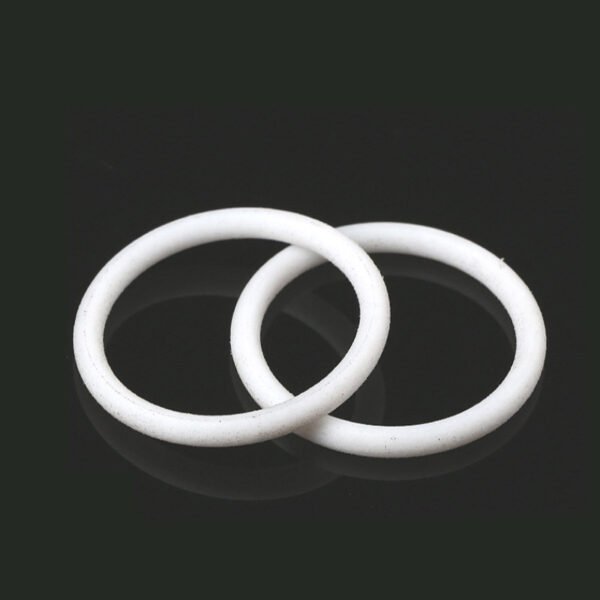
PTFE-Teflon-O-Ring-Dichtung | Lieferant von PTFE-Dichtungen und Teflondichtungen für hohe Temperaturen
PTFE-Teflon-O-Ringe und Teflondichtungen eignen sich perfekt für die Abdichtung bei hohen Temperaturen in Umgebungen mit aggressiven Chemikalien. Teflon- und PTFE-Dichtungen bieten hervorragende chemische Beständigkeit und Langlebigkeit. Unsere PTFE-Dichtung gewährleistet zuverlässige Leistung. Ideal für industrielle Anwendungen und Flüssigkeitssysteme.
Häufig gestellte Fragen zu glasgefüllten PTFE-Dichtungen (FAQ)
Warum sind einige PTFE-Dichtungen blau? Bedeutet das, dass sie glasgefüllt sind?
Ja, meistens. Die Glasfasern sorgen für den blauen Farbton. Eine blaue PTFE-Dichtung ist in der Regel ein Zeichen für eine Verstärkung zur Verbesserung von Festigkeit und Verschleißfestigkeit. Bestätigen Sie dies jedoch stets mit dem Lieferanten – Farben können variieren.
Können glasfaserverstärkte PTFE-Dichtungen in der Lebensmittelverarbeitung verwendet werden?
Im Allgemeinen nein. Reines PTFE kann FDA-konform sein, aber der Zusatz von Glasfüllstoffen macht es für den direkten Lebensmittelkontakt ungeeignet. Verwenden Sie für diesen Zweck stattdessen zugelassenes reines PTFE oder andere dafür vorgesehene Materialien.
Wann sollte ich eine glasgefüllte PTFE-Dichtung gegenüber reinem PTFE bevorzugen?
Wenn Kaltfluss oder Verschleiß Ihre Dichtungen zerstört – etwa bei Schraubflanschen unter konstanter Belastung oder in dynamischen Anlagen. Ungefülltes PTFE ist besser für hochreine Chemikalien oder bei geringer Belastung und unebenen Oberflächen geeignet.
Eignen sich glasfasergefüllte Dichtungen für Hochtemperaturanwendungen?
Absolut, derselbe Bereich wie bei Neuware: bis zu etwa 500 °F im Dauerbetrieb. Der Füllstoff trägt dort sogar zur Stabilität bei.
Wie lange halten diese Dichtungen normalerweise?
Das hängt von den Bedingungen ab, aber bei fachgerechter Installation halten sie in statischen Anwendungen jahrelang. Wir haben erlebt, dass sie in kaltflussanfälligen Bereichen 2-3 Mal länger halten als ungefülltes PTFE.
Wenn Sie genug von Leckagen oder häufigen Austauschintervallen haben, könnten glasfaserverstärkte PTFE-Dichtungen die Lösung sein. Wir bei Teflon X haben bereits zahlreichen Kunden geholfen – von individuellen Zuschnitten bis hin zur umfassenden Beratung.
Benötigen Sie ein Angebot oder möchten Sie über Ihre spezifischen Anforderungen sprechen? Senden Sie eine E-Mail an Allison.Ye@teflonx.com oder besuchen Sie unsere Kontaktseite. Wir würden uns freuen, mehr über Ihre Anlage zu erfahren und Ihnen die beste Option zu empfehlen, vielleicht sogar aus unserem chemikalienbeständige Teflon-Dichtungsplatten.
Schreiben Sie uns einfach – lassen Sie uns Ihre Dichtungen professionell in Ordnung bringen.
