
 German
  English
  Russian
  French
  Japanese
  Korean
  Portuguese
  Arabic
  Italian
  Dutch
Dutch  Turkish
  Indonesian
  Polish
  Spanish
Working in chemical plants, you know how tricky it can be to keep everything sealed tight when dealing with harsh stuff like acids or solvents. One little leak, and things go south quick – safety issues, downtime, wasted product. That’s where a solid PTFE gasket comes in. These things are tough as nails against chemicals, and if you pick the right one, like the bester PTFE-O-Ring, you’ll sleep better knowing your setup is secure.
I’ve seen it firsthand over the years – swapping out failing seals for proper PTFE ones turns headaches into smooth operations. At Teflon X, we’ve helped plenty of folks in the chemical sector find reliable sealing solutions that hold up under pressure. Let’s break this down in a straightforward way, so you can figure out what works for your setup.
Why PTFE Stands Out for Chemical Resistance
PTFE, or polytetrafluoroethylene (you might know it as Teflon), isn’t like regular rubber seals. It’s basically unfazed by most chemicals out there. Data from sources like Chemours and various compatibility charts show it’s resistant to pretty much everything except a few extremes, like molten alkali metals or fluorine gas at high temps.
That chemische Beständigkeit means no swelling, no cracking, no breaking down when exposed to strong acids (think sulfuric or hydrochloric), bases, solvents, or even nasty oxidizers. In chemical industries, where you’re pumping aggressive fluids daily, this is a game-changer. Regular elastomers might last months, but PTFE goes years without issues.
Temperature-wise, PTFE handles from around -200°C all the way up to +260°C continuously. That’s a huge range, covering cryogenic stuff to hot processes without losing shape or seal.
Common Problems with Bad Gaskets in Chemical Plants
Before picking the good stuff, it’s worth knowing why others fail. Leaks in chemical setups often come from:
- Chemical attack eating away at the material
- Over-compression squishing it too much
- Not enough bolt load leading to gaps
- Heat cycles causing expansion and cracks
- Wrong size or type not fitting right
I’ve dealt with plants where old rubber gaskets gave out fast under acid exposure, causing spills and shutdowns. Switching to PTFE fixed that – no more surprise failures.
Here’s a quick table comparing PTFE to some common alternatives:
| Material | Chemische Beständigkeit | Temperaturbereich | Typical Lifespan in Harsh Chemicals | Cost Level |
|---|---|---|---|---|
| PTFE | Excellent (nearly universal) | -200 °C bis +260 °C | Years | Höher |
| Viton (FKM) | Good for oils/acids, poor for some solvents | -20°C to +200°C | Months to years | Medium |
| EPDM | Good for water/bases, bad for oils | -50°C to +150°C | Months | Untere |
| Nitril (NBR) | Okay for oils, poor for acids | -40°C to +100°C | Short in chemicals | Niedrig |
As you can see, for real chemische Beständigkeit, PTFE wins hands down.
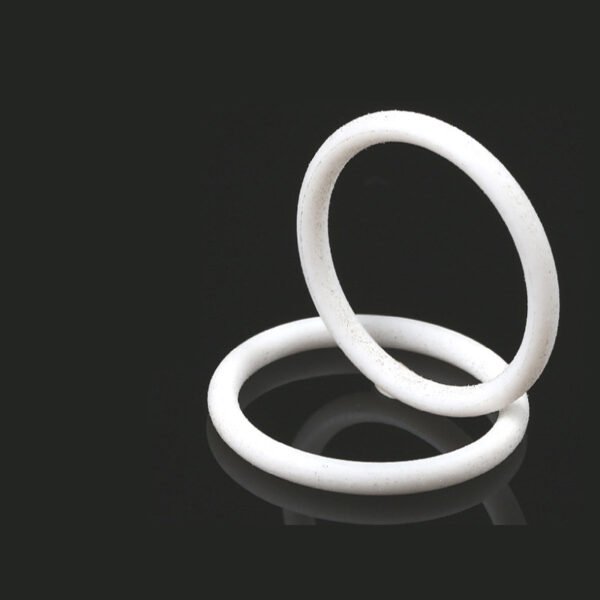
Hochtemperatur-PTFE-Dichtung und Teflon-O-Ring | PTFE-Dichtung für chemische Beständigkeit
Hochtemperaturbeständige PTFE-Dichtung und Teflon-O-Ring bieten hervorragende Abdichtung bei extremen Temperaturen und aggressiven Chemikalien. PTFE-Dichtung und Teflon-Dichtung sind korrosionsbeständig und langlebig. Ideal für die Chemie-, Pharma- und Lebensmittelindustrie, die sichere und saubere Dichtungen benötigt.
Key Factors When Choosing a High-Quality PTFE O-Ring Gasket
Not all PTFE is the same. Virgin PTFE is pure and offers the top chemische Beständigkeit, perfect for ultra-corrosive stuff. Filled versions (with glass, carbon, or bronze) add strength for higher pressures but might sacrifice a tiny bit on pure inertness.
Look at Your Operating Conditions
- What chemicals are involved? Check compatibility charts – PTFE handles most, but confirm.
- Temps and pressures? Go for high-temp grades if needed.
- Static or dynamic? O-rings in flanges are static; pumps might need backups.
Size and Fit Matter a Lot
Wrong dimensions lead to leaks quick. Measure groove depth, width, and ID/OD carefully. A bit off, and it won’t compress right.
Purity and Certifications
In chemical industries focused on safety, FDA-approved or low-extractables PTFE avoids contamination.
Bei Teflon X, unserem High Temp PTFE Gasket & Teflon O Ring are designed exactly for these tough spots – great compression, excellent recovery, and proven in real plants.
Real-World Examples (Without Naming Names)
One plant handling strong acids kept replacing seals every few months – big downtime. Switched to quality PTFE o-rings, and they lasted over three years with zero leaks. Production stayed safe and steady.
Another setup with hot solvent lines had creep issues from cheap gaskets. Upgrading to reinforced PTFE stopped the slow leaks, saved on maintenance.
These aren’t rare – proper PTFE choices prevent most common failures.
Tips for Installation and Maintenance
Even the bester PTFE-O-Ring needs good install:
- Clean flanges thoroughly – no old bits left.
- Torque bolts evenly, in stages.
- Don’t over-tighten; PTFE can cold flow if crushed too much.
- Check periodically for wear, especially in cycling temps.
Why Go with Teflon X for Your PTFE Needs
We’ve been supplying chemical-resistant seals for years at Teflon X. Our products, like the High Temp PTFE Gasket & Teflon O Ring, are made to handle the worst conditions while keeping things reliable.
If you’re tired of leaky seals messing with your production safety, reach out. Drop an email to Allison.Ye@teflonx.com oder besuchen Sie unser Kontaktseite for a quote. We can chat about your specific setup and suggest what fits best.
More details on our site at https://teflonx.com/.
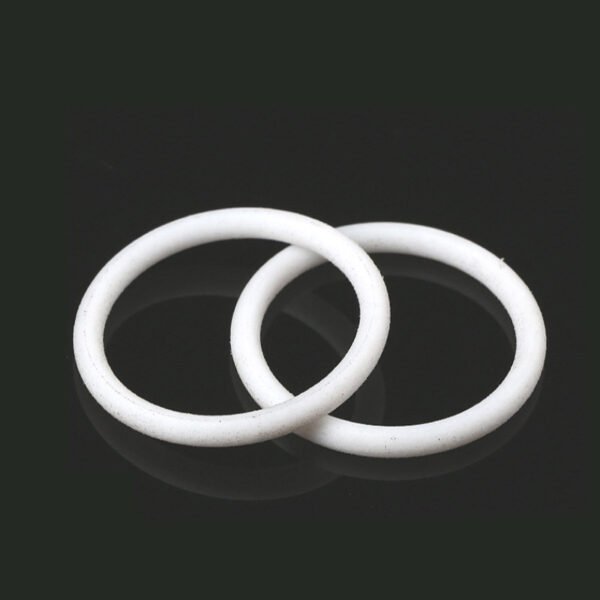
PTFE-Teflon-O-Ring-Dichtung | Lieferant von PTFE-Dichtungen und Teflondichtungen für hohe Temperaturen
PTFE-Teflon-O-Ringe und Teflondichtungen eignen sich perfekt für die Abdichtung bei hohen Temperaturen in Umgebungen mit aggressiven Chemikalien. Teflon- und PTFE-Dichtungen bieten hervorragende chemische Beständigkeit und Langlebigkeit. Unsere PTFE-Dichtung gewährleistet zuverlässige Leistung. Ideal für industrielle Anwendungen und Flüssigkeitssysteme.
Häufig gestellte Fragen
What’s the main advantage of PTFE over rubber for chemical seals?
PTFE doesn’t react with almost any chemical, unlike rubber which can swell or degrade fast in acids/solvents. Plus, wider temp range.
Can PTFE o-rings handle high pressures?
Virgin PTFE is better for low-pressure static seals. For higher, go filled or with backups to prevent extrusion.
How long do quality PTFE gaskets last in chemical plants?
Depends on conditions, but often 5+ years versus months for lesser materials. Proper choice and install make the difference.
Are there any chemicals PTFE can’t handle?
Rarely – mostly molten alkalis or certain fluorine compounds at extreme temps. Always check charts for your media.
