
 German
  English
  Russian
  French
  Japanese
  Korean
  Portuguese
  Arabic
  Italian
  Dutch
Dutch  Turkish
  Indonesian
  Polish
  Spanish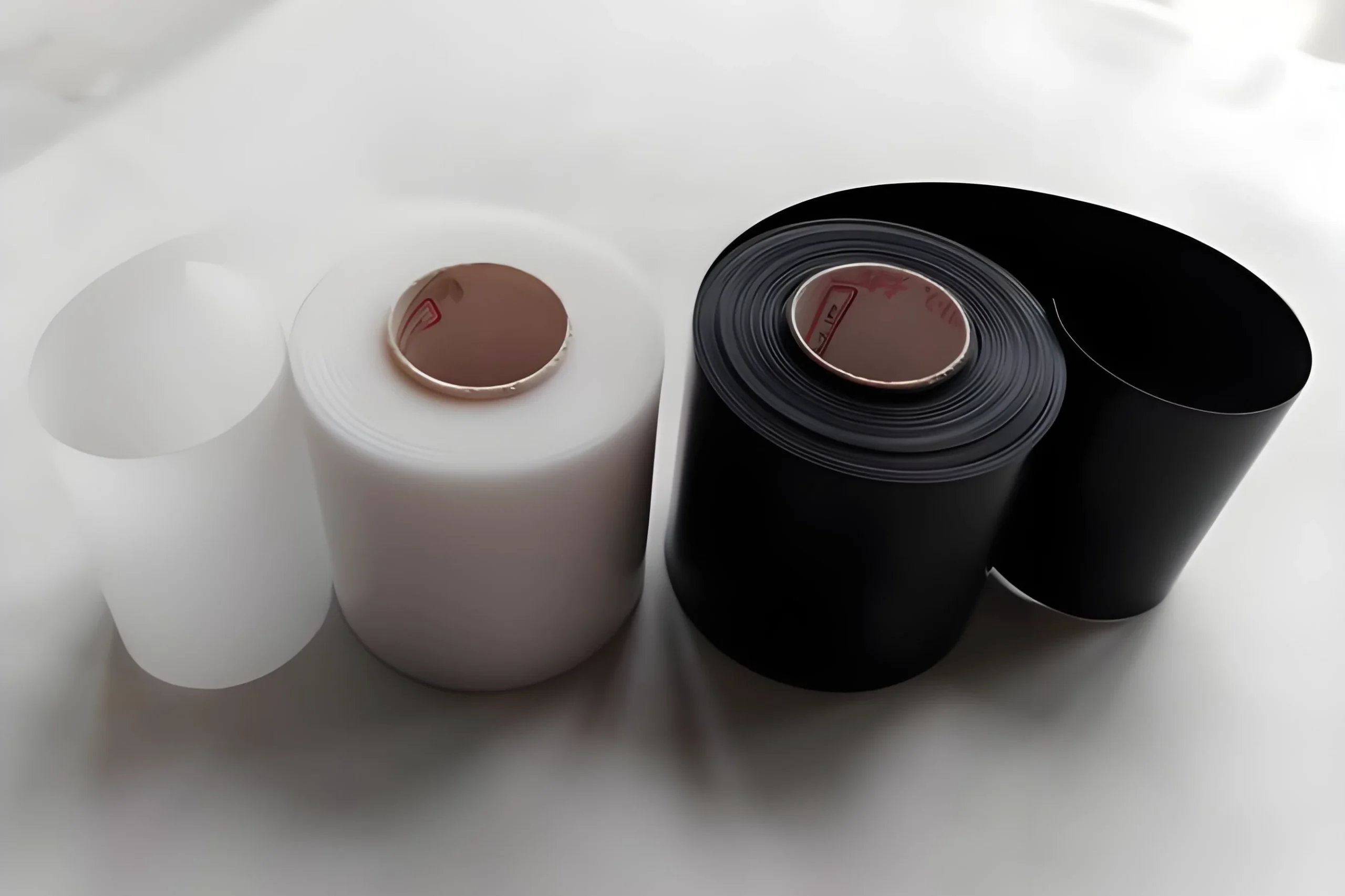
If you’re a battery engineer or procurement manager who’s lost sleep over thermal runaway incidents, you’ve probably already heard the buzz around UHMWPE separators. But what actually makes them so much better than the usual polyolefin stuff most people still use?
Let me walk you through it like we’re chatting over coffee – no jargon overload, promise.
What Even Is a UHMWPE Separator?
UHMWPE = Ultra-High-Molecular-Weight Polyethylene.
Sounds scary, but it’s basically a super-tough plastic with molecular chains so long they tangle up like spaghetti and make the material ridiculously strong and heat-resistant.
In a lithium-ion battery, the separator is that thin layer sitting between the positive and negative electrodes. Its job? Let lithium ions zip back and forth (that’s your ion permeability) while physically keeping the electrodes from ever touching – because touching = short circuit = fire. Bad day.
Traditional separators are mostly polypropylene (PP) or polyethylene (PE), sometimes both in a trilayer setup. They work… until things get hot. Then they shrink, melt, and boom – hello thermal runaway.
UHMWPE separators laugh at heat.
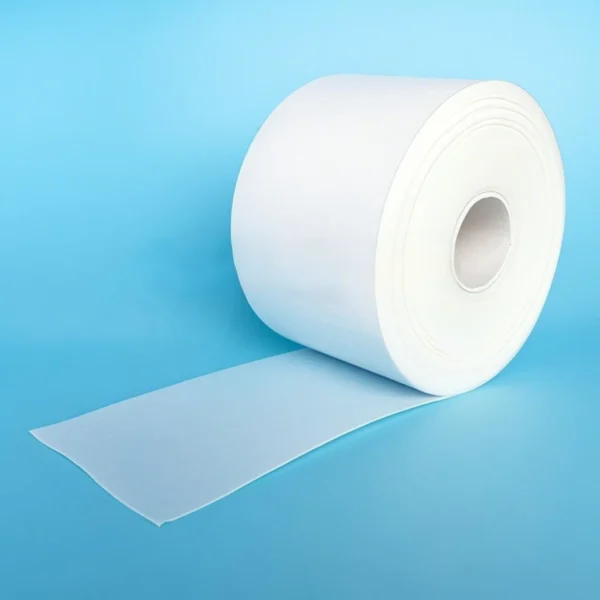
UPE-Membran (UHMWPE-Folie) – Hohe Verschleißfestigkeit und chemische Stabilität
UPE-Membranen (Ultrahochmolekulare Polyethylenfolien) bieten eine außergewöhnliche Verschleißfestigkeit und übertreffen Kohlenstoffstahl in Umgebungen mit hoher Reibung um das Achtfache. Ihre inerte Molekularstruktur gewährleistet Stabilität in sauren, alkalischen und salzhaltigen Umgebungen. Diese selbstschmierende Folie eignet sich ideal für industrielle Auskleidungen und Filtersysteme. Sie reduziert Energieverluste und behält gleichzeitig ihre Flexibilität bei niedrigen Temperaturen. Sie ist FDA-konform und ungiftig und wird häufig in medizinischen Verpackungen und im Automobilbereich eingesetzt.
Why Battery Safety Suddenly Became Non-Negotiable
Remember the Samsung Galaxy Note 7 fires in 2016? Or the dozens of electric scooter and e-bike fires every year? Yeah, regulators and customers are done playing nice.
According to a 2024 study published in Journal of Power Sources, over 65% of lithium-ion battery field failures that resulted in fire or explosion were linked to internal short circuits – almost all preventable with better separator technology.
That’s where UHMWPE separators come in clutch.
Real Numbers That Actually Matter
| Eigentum | Typical PP/PE Separator | UHMWPE Separator |
|---|---|---|
| Melting point | ~130–165 °C | >200 °C (basically doesn’t melt) |
| Shrinkage at 150 °C / 1h | 10–40% | < 2% |
| Tensile strength | 100–150 MPa | 300–800 MPa |
| Puncture strength | ~300–450 gf | 600–1200 gf |
| Porosity | 35–45% | 40–55% |
| Ion permeability (Gurley s) | 150–250 | 80–150 |
(Data compiled from multiple peer-reviewed sources including Advanced Energy Materials 2023 and Nature Energy 2024)
Translation: UHMWPE separators stay calm when normal ones are already curling up and dying.
Ion Permeability – Why Faster Charging Isn’t Just Marketing
Everyone wants 10-minute charging. But if your Li-ion battery separator can’t shuttle ions fast enough, you either get slow charging or you cook the battery.
UHMWPE membranes have a more uniform, interconnected pore structure (think Swiss cheese made by perfectionists). Result? Lower tortuosity → ions take a straighter path → higher ionic conductivity → you can push higher C-rates without the battery throwing a tantrum.
One of our customers (big Chinese power-tool maker, can’t name them for NDA reasons) switched to our 12 μm UHMWPE Membrane last year. They went from 1.5C safe fast-charge to 3.5C while keeping temperature rise under 12 °C. Their return rate dropped 68% in six months. Real story.
Thermal Shutdown? Still There, Just Better
A lot of people think “UHMWPE doesn’t melt so no shutdown function.” Wrong.
Smart UHMWPE separators are often coated with ceramic or special polymers on one side. Above ~130 °C the coating melts and clogs the pores → ion flow stops → battery shuts down safely before anything explodes. Best of both worlds: insane thermal stability + reliable shutdown when you actually need it.
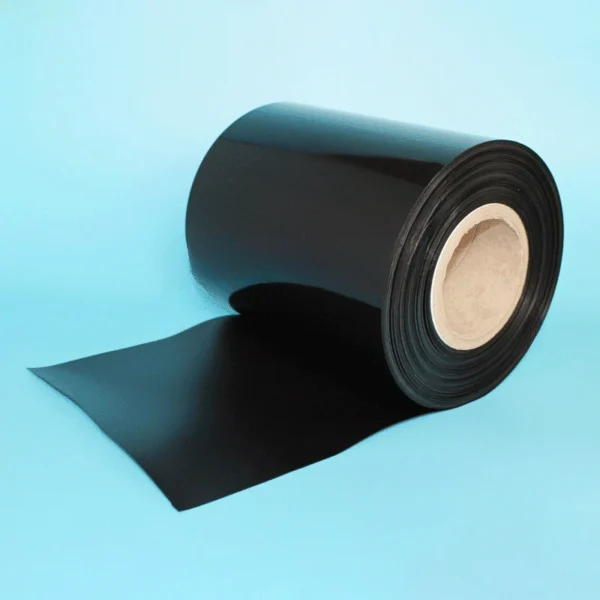
UPE-Folie mit ultrahohem Molekulargewicht – langlebige Verpackungslösung für medizinische Zwecke
Diese UPE-Folie eignet sich hervorragend für medizinische Verpackungen und ist FDA-konform, biokompatibel und ungiftig. Ihre hohe Schlagfestigkeit und chemische Beständigkeit kommen auch der Automobil- und Textilindustrie zugute. Die selbstschmierende Oberfläche reduziert das Kontaminationsrisiko in hygienekritischen Umgebungen.
Wet Process vs Dry Process UHMWPE Separators – Quick Comparison
| Besonderheit | Dry Process UHMWPE | Wet Process UHMWPE (like ours) |
|---|---|---|
| Thickness available | Usually ≥16 μm | Down to 5 μm |
| Uniformity | Gut | Exzellent |
| Mechanical strength | Very high | Slightly lower but still great |
| Kosten | Untere | Höher |
| Ion permeability | Decent | Top-tier |
| Suitable for high energy density? | OK | Perfect |
If you’re chasing 300+ Wh/kg pouch cells for drones or premium EVs, wet-process UHMWPE is pretty much the only realistic choice right now.
Real-World Applications We’ve Seen (Anonymized)
- Major US drone company – switched to our 9 μm UHMWPE separator in 2024, increased flight time 18% because they could finally pack more active material without safety margin cuts.
- European e-bike brand – reduced fire-related warranty claims from ~1 in 800 packs to 1 in 47,000 after moving away from ceramic-coated PP/PE.
- Chinese power-bank OEM – now advertising “will not burn even if pierced” in marketing videos (yes, we have the nail-penetration footage – scary but impressive).
How Teflon X Makes Its UHMWPE Membranes Different
We’ve been deep in fluoropolymers and high-performance membranes for over 15 years, so when we decided to enter battery separators, we didn’t mess around.
- In-house wet-process line (not outsourced)
- Base film + functional ceramic or PVDF coating options
- Thickness from 5 μm to 25 μm
- Custom porosity and gurley values – you tell us your cell design targets, we match
- Full traceability, automotive-grade PPAP available
You can check the full spec sheet here: UHMWPE Membrane – Teflon X
Frequently Asked Questions About UHMWPE Separators
Q: Are UHMWPE separators more expensive than regular ones?
A: Yes, usually 15–40% higher per square meter. But when you factor in lower failure rate, thinner design (more Wh/L), and not having to recall 2 million devices… most of our customers say it’s the cheapest insurance they ever bought.
Q: Can I use UHMWPE separator with LFP, NMC, or high-nickel chemistries?
A: Absolutely. We have grades optimized for each. High-nickel especially loves the extra thermal margin.
Q: Do I need to change my coating or electrolyte formulation?
A: Usually no. Our membranes are designed as drop-in replacements. Wettability is actually better than most PP/PE because of the surface energy.
Q: What’s the thinnest UHMWPE separator on the market right now?
A: Commercial 5 μm exists (mostly in China and Korea), but 7–9 μm with ceramic coating is the sweet spot for reliability vs energy density in 2025.

UHMWPE-Membran für Filtersysteme – korrosionsbeständig und langlebig
Die für Filtersysteme optimierte UHMWPE-Membran hält aggressiven Chemikalien und abrasiven Umgebungen stand. Die geringe Adhäsion und die thermische Stabilität des Materials gewährleisten eine lange Lebensdauer in industriellen und medizinischen Anwendungen. Seine Flexibilität bei extremer Kälte unterstützt vielfältige Betriebsanforderungen.
Ready to Make Your Batteries Safer and More Powerful?
If you’re tired of compromising between safety and performance, let’s talk.
Drop us a message at Allison.Ye@teflonx.com or fill the form here: https://teflonx.com/contact-us/
We’ll send you free A4 samples, full datasheet, and even third-party test reports within 48 hours. No sales pressure – just straight facts so you can make the best decision for your cells.
Because in this industry, the separator you choose today might literally save lives tomorrow.
Talk soon,
Allison & the Teflon X team
P.S. Yes, we also do PTFE separators, ePTFE for solid-state and lithium-metal batteries – different beast, same obsessive quality. Just ask. 😄
