
 Indonesian
  English
  Russian
  French
  German
  Japanese
  Korean
  Portuguese
  Arabic
  Italian
  Dutch
Dutch  Turkish
  Polish
  Spanish
Jika Anda seorang insinyur baterai atau manajer pengadaan yang kurang tidur karena insiden thermal runaway, Anda mungkin sudah mendengar desas-desus tentang separator UHMWPE. Namun, apa sebenarnya yang membuatnya jauh lebih baik daripada bahan poliolefin biasa yang masih digunakan kebanyakan orang?
Izinkan saya menjelaskannya kepada Anda seperti kita sedang mengobrol santai – tanpa beban jargon yang berlebihan, janji.
Apa Sebenarnya Separator UHMWPE Itu?
UHMWPE = Ultra-High-Molecular-Weight Polyethylene.
Kedengarannya rumit, tetapi pada dasarnya ini adalah plastik yang sangat tangguh dengan rantai molekul yang sangat panjang sehingga saling terjalin seperti spageti dan membuat material tersebut sangat kuat serta tahan panas.
Dalam baterai litium-ion, separator adalah lapisan tipis yang berada di antara elektroda positif dan negatif. Tugasnya? Membiarkan ion litium bergerak bebas (itulah permeabilitas ion) sambil secara fisik menjaga agar elektroda tidak bersentuhan – karena bersentuhan = korsleting = kebakaran. Kejadian yang buruk.
Separator tradisional sebagian besar terbuat dari polipropilena (PP) atau polietilena (PE), terkadang keduanya dalam konfigurasi tiga lapis. Mereka berfungsi dengan baik... sampai suhu menjadi panas. Kemudian mereka menyusut, meleleh, dan bum – terjadilah thermal runaway.
Separator UHMWPE sangat tangguh menghadapi panas.
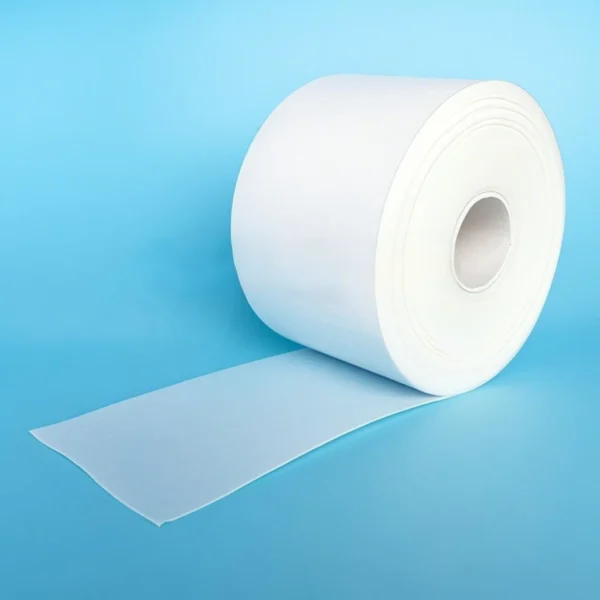
Membran UPE (Film UHMWPE) – Ketahanan Aus Tinggi & Stabilitas Kimia
Membran UPE (Ultra-High Molecular Weight Polyethylene Film) memberikan ketahanan aus yang luar biasa, mengungguli baja karbon hingga 8x di lingkungan dengan gesekan tinggi. Struktur molekulnya yang inert memastikan stabilitas dalam kondisi asam, basa, dan garam. Ideal untuk pelapis industri dan sistem penyaringan, film pelumas otomatis ini mengurangi kehilangan energi sekaligus mempertahankan fleksibilitas suhu rendah. Sesuai dengan FDA dan tidak beracun, film ini banyak digunakan dalam pengemasan medis dan aplikasi otomotif
Mengapa Keamanan Baterai Tiba-tiba Menjadi Hal yang Tidak Bisa Ditawar
Ingat insiden kebakaran Samsung Galaxy Note 7 pada tahun 2016? Atau puluhan kebakaran skuter listrik dan sepeda listrik setiap tahun? Ya, regulator dan pelanggan tidak lagi memberikan toleransi.
Menurut studi tahun 2024 yang diterbitkan dalam Journal of Power Sources, lebih dari 65% kegagalan operasional baterai litium-ion yang mengakibatkan kebakaran atau ledakan dikaitkan dengan hubungan arus pendek internal – hampir semuanya dapat dicegah dengan teknologi separator yang lebih baik.
Di sinilah separator UHMWPE hadir sebagai solusi krusial.
Angka Nyata yang Benar-Benar Penting
| Milik | Separator PP/PE Tipikal | Separator UHMWPE |
|---|---|---|
| Titik lebur | ~130–165 °C | >200 °C (pada dasarnya tidak meleleh) |
| Penyusutan pada 150 °C / 1 jam | 10–40% | < 2% |
| Kekuatan tarik | 100–150 MPa | 300–800 MPa |
| Kekuatan tusukan | ~300–450 gf | 600–1200 gf |
| Porositas | 35–45% | 40–55% |
| Permeabilitas ion (Gurley s) | 150–250 | 80–150 |
(Data disusun dari berbagai sumber tinjauan sejawat termasuk Material Energi Tingkat Lanjut 2023 dan Nature Energy 2024)
Terjemahan: Separator UHMWPE tetap stabil saat separator biasa mulai menggulung dan rusak.
Permeabilitas Ion – Mengapa Pengisian Daya Lebih Cepat Bukan Sekadar Pemasaran
Semua orang menginginkan pengisian daya 10 menit. Namun, jika separator baterai Li-ion Anda tidak dapat menyalurkan ion dengan cukup cepat, pengisian daya akan menjadi lambat atau baterai akan mengalami panas berlebih.
Membran UHMWPE memiliki struktur pori yang lebih seragam dan saling terhubung (bayangkan keju Swiss yang dibuat oleh perfeksionis). Hasilnya? Tortuositas lebih rendah → ion mengambil jalur yang lebih lurus → konduktivitas ionik lebih tinggi → Anda dapat mendorong C-rate yang lebih tinggi tanpa menyebabkan gangguan pada baterai.
Salah satu pelanggan kami (produsen alat listrik besar asal Tiongkok, tidak dapat disebutkan namanya karena alasan NDA) beralih ke produk 12 μm kami Membran UHMWPE tahun lalu. Mereka beralih dari pengisian daya cepat aman 1,5C ke 3,5C sambil menjaga kenaikan suhu di bawah 12 °C. Tingkat pengembalian mereka turun 68% dalam enam bulan. Kisah nyata.
Shutdown Termal? Masih Ada, Namun Lebih Baik
Banyak orang berpikir “UHMWPE tidak meleleh sehingga tidak ada fungsi shutdown.” Salah.
Separator UHMWPE pintar sering kali dilapisi dengan keramik atau polimer khusus di satu sisi. Di atas suhu ~130 °C, lapisan tersebut meleleh dan menyumbat pori-pori → aliran ion berhenti → baterai mati (shutdown) dengan aman sebelum terjadi ledakan. Keunggulan dari kedua aspek: stabilitas termal yang luar biasa + shutdown yang andal saat Anda benar-benar membutuhkannya.
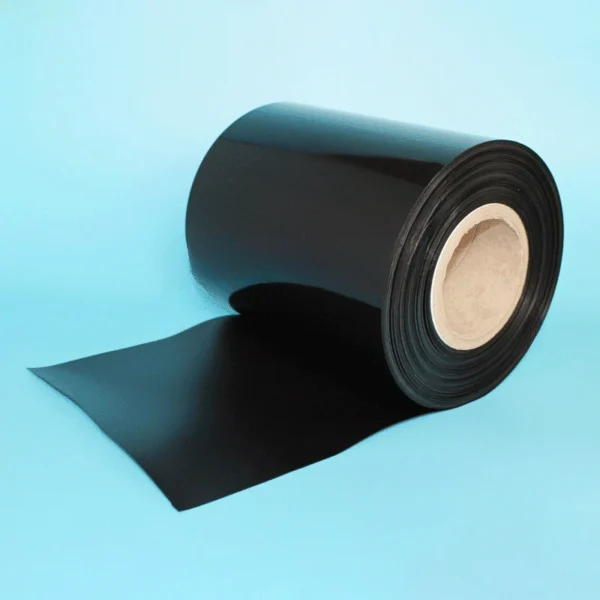
Film UPE dengan Berat Molekul Ultra Tinggi – Solusi Kemasan Medis yang Tahan Lama
Film UPE ini unggul dalam pengemasan medis dengan kepatuhan FDA, biokompatibilitas, dan non-toksisitas. Kekuatan benturannya yang tinggi dan ketahanan kimianya juga menguntungkan industri otomotif dan tekstil. Permukaan pelumasnya sendiri mengurangi risiko kontaminasi di lingkungan yang sangat mengutamakan kebersihan.
Separator UHMWPE Proses Basah vs Proses Kering – Perbandingan Cepat
| Fitur | UHMWPE Proses Kering | UHMWPE Proses Basah (seperti produk kami) |
|---|---|---|
| Ketebalan yang tersedia | Biasanya ≥16 μm | Hingga 5 μm |
| Keseragaman | Bagus | Bagus sekali |
| Kekuatan mekanik | Sangat tinggi | Sedikit lebih rendah namun tetap luar biasa |
| Biaya | Lebih rendah | Lebih tinggi |
| Permeabilitas ion | Cukup baik | Tingkat atas |
| Cocok untuk densitas energi tinggi? | Oke | Sempurna |
Jika Anda mengincar sel kantong 300+ Wh/kg untuk drone atau EV premium, UHMWPE proses basah adalah satu-satunya pilihan realistis saat ini.
Aplikasi Dunia Nyata yang Telah Kami Lihat (Dianonimkan)
- Perusahaan drone besar AS – beralih ke separator UHMWPE 9 μm kami pada tahun 2024, meningkatkan waktu terbang 18% karena mereka akhirnya dapat mengemas lebih banyak material aktif tanpa memotong margin keselamatan.
- Merek e-bike Eropa – mengurangi klaim garansi terkait kebakaran dari ~1 dalam 800 paket menjadi 1 dalam 47.000 setelah beralih dari PP/PE berlapis keramik.
- OEM power-bank Tiongkok – kini mengiklankan “tidak akan terbakar meskipun tertusuk” dalam video pemasaran (ya, kami memiliki rekaman penetrasi paku – menakutkan namun mengesankan).
Bagaimana Teflon X Membuat Membran UHMWPE-nya Berbeda
Kami telah mendalami fluoropolimer dan membran berkinerja tinggi selama lebih dari 15 tahun, jadi ketika kami memutuskan untuk memasuki bidang separator baterai, kami tidak main-main.
- Lini proses basah internal (tidak dialihdayakan)
- Film dasar + opsi pelapisan keramik fungsional atau PVDF
- Ketebalan dari 5 μm hingga 25 μm
- Porositas dan nilai gurley khusus – Anda beri tahu kami target desain sel Anda, kami sesuaikan
- Keterlacakan penuh, tersedia PPAP tingkat otomotif
Anda dapat memeriksa lembar spesifikasi lengkap di sini: Membran UHMWPE – Teflon X
Pertanyaan yang Sering Diajukan Mengenai Separator UHMWPE
T: Apakah pemisah UHMWPE lebih mahal dibandingkan pemisah biasa?
J: Ya, biasanya 15–40% lebih tinggi per meter persegi. Namun, jika Anda memperhitungkan tingkat kegagalan yang lebih rendah, desain yang lebih tipis (Wh/L lebih tinggi), dan tidak perlu melakukan penarikan kembali terhadap 2 juta perangkat… sebagian besar pelanggan kami mengatakan bahwa ini adalah asuransi termurah yang pernah mereka beli.
T: Dapatkah saya menggunakan separator UHMWPE dengan kimia LFP, NMC, atau berkadar nikel tinggi?
A: Tentu saja. Kami memiliki tingkatan yang dioptimalkan untuk masing-masing. Nikel tinggi terutama menyukai margin termal tambahan.
T: Apakah saya perlu mengubah formulasi pelapis atau elektrolit saya?
A: Biasanya tidak. Membran kami dirancang sebagai pengganti langsung. Keterbasahan sebenarnya lebih baik daripada kebanyakan PP/PE karena energi permukaannya.
T: Apa separator UHMWPE paling tipis yang ada di pasaran saat ini?
A: Komersial 5 μm sudah tersedia (terutama di Tiongkok dan Korea), namun 7–9 μm dengan lapisan keramik merupakan titik optimal untuk keandalan vs kepadatan energi pada tahun 2025.

Membran UHMWPE untuk Sistem Filtrasi – Tahan Korosi & Tahan Lama
Dioptimalkan untuk sistem penyaringan, Membran UHMWPE tahan terhadap bahan kimia keras dan lingkungan yang abrasif. Daya rekat rendah dan stabilitas termal material memastikan keawetan dalam aplikasi industri dan medis. Fleksibilitasnya dalam suhu dingin ekstrem mendukung berbagai kebutuhan operasional.
Siap membuat baterai Anda lebih aman dan lebih bertenaga?
Jika Anda lelah berkompromi antara keamanan dan performa, mari kita berdiskusi.
Kirimkan pesan kepada kami di Allison.Ye@teflonx.com atau isi formulir di sini: https://teflonx.com/contact-us/
Kami akan mengirimkan sampel A4 gratis, lembar data lengkap, dan bahkan laporan pengujian pihak ketiga dalam waktu 48 jam. Tanpa tekanan penjualan – hanya fakta jujur sehingga Anda dapat membuat keputusan terbaik untuk sel baterai Anda.
Karena dalam industri ini, separator yang Anda pilih hari ini benar-benar bisa menyelamatkan nyawa esok hari.
Sampai jumpa lagi,
Allison & tim Teflon X
P.S. Ya, kami juga memproduksi separator PTFE, ePTFE untuk baterai solid-state dan lithium-metal – karakteristik berbeda, kualitas obsesif yang sama. Tanyakan saja. 😄
