
 Indonesian
  English
  Russian
  French
  German
  Japanese
  Korean
  Portuguese
  Arabic
  Italian
  Dutch
Dutch  Turkish
  Polish
  Spanish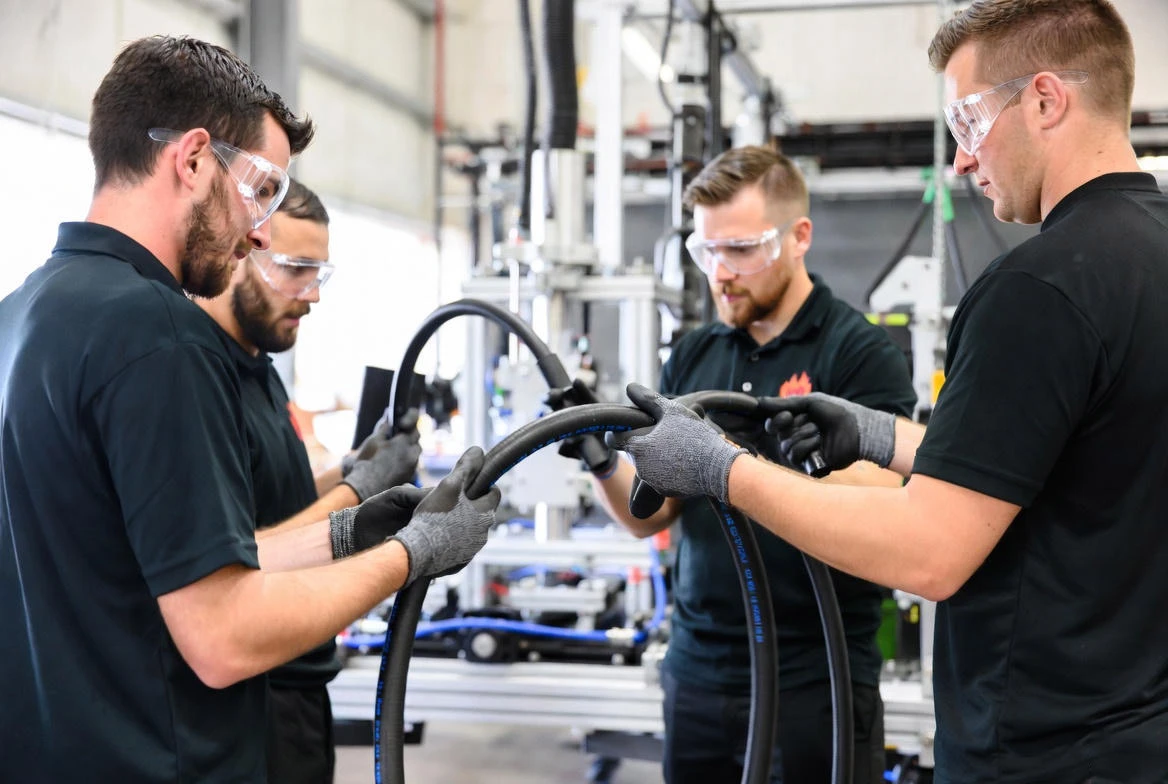
Jika Anda pernah berurusan dengan selang di lingkungan yang panas, seperti di sekitar mesin atau jalur industri yang sangat bersuhu tinggi, Anda tahu betapa frustrasinya saat selang standar tidak mampu menahan panas. Selang tersebut retak, bocor, atau lebih buruk lagi, melukai tangan Anda saat mencoba memperbaikinya. Di sinilah selang PTFE berlapis silikon berperan – selang ini menjadi solusi yang mengubah keadaan bagi tim pemeliharaan yang membutuhkan sesuatu yang tangguh dan dapat diandalkan.
Saya telah melihat hal ini secara langsung di beberapa pabrik. Satu bengkel tempat saya bekerja memiliki saluran yang mengalirkan cairan panas di dekat tungku, dan selang lama mereka terus-menerus gagal, menyebabkan waktu henti (downtime) dan bahkan beberapa kali nyaris terjadi kecelakaan luka bakar. Setelah beralih ke selang PTFE berjaket silikon ini, tiba-tiba semuanya berjalan lebih lancar. Lebih sedikit masalah, penanganan lebih aman. Mari kita urai mengapa selang ini sangat unggul di area bersuhu tinggi.
Apa yang Membuat Selang PTFE Berlapis Silikon Unggul?
Pada intinya, terdapat PTFE – bahan yang sering disebut Teflon – yang sangat luar biasa dalam menangani bahan kimia dan suhu ekstrem. Selang PTFE dapat menahan panas terus-menerus hingga sekitar 260°C (500°F), dan terkadang lebih tinggi secara intermiten, tanpa mengalami kerusakan. Data dari produsen menunjukkan bahwa PTFE standar beroperasi secara andal dari -70°C hingga +260°C, sehingga bersifat inert terhadap sebagian besar cairan.
Namun PTFE biasa bisa terasa agak rentan di lingkungan yang keras. Itulah sebabnya penambahan jaket silikon mengubah segalanya. Lapisan luar silikon bertindak sebagai pelindung selang tahan panas, melindungi bagian dalam PTFE dari api langsung, abrasi, dan panas radiasi. Karet silikon itu sendiri mampu bertahan hingga sekitar 260°C secara terus-menerus dan memberikan lapisan perlindungan termal ekstra.
Bersama-sama, keduanya menciptakan selang yang tidak hanya tahan panas di bagian dalam tetapi juga terlindungi di bagian luar. Anggap saja PTFE melakukan pekerjaan berat untuk transfer cairan, sementara silikon menjaga dari luka bakar dan kerusakan eksternal. Tim pemeliharaan menyukai hal ini karena menyentuh saluran yang panas tidak lagi berarti luka bakar seketika.
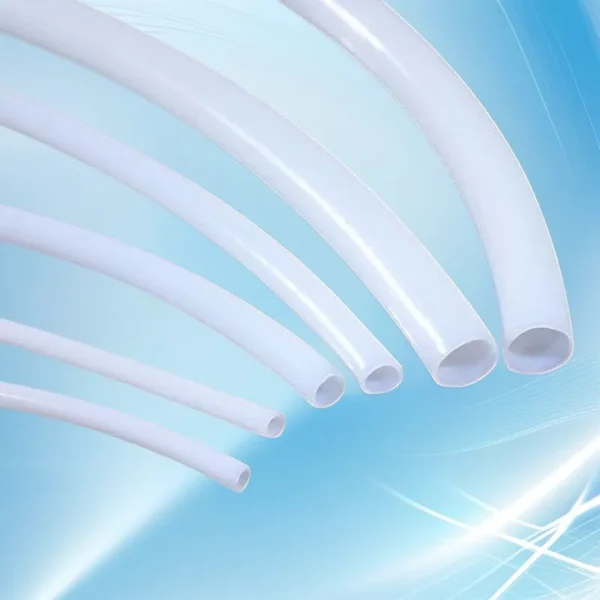
Selang Teflon PTFE untuk Dirgantara | Saluran Bahan Bakar & Pendingin Ringan
Selang PTFE Teflon memberikan kinerja ringan dan tahan suhu tinggi untuk saluran bahan bakar dan sistem pendingin kedirgantaraan. Varian baja antikarat yang dikepang menahan getaran dan siklus termal, memastikan keamanan dalam kondisi ekstrem. Sesuai dengan standar AS/EN9100.
Manfaat Utama di Lingkungan Bersuhu Tinggi
Bekerja di zona panas? Selang ini memberikan berbagai keuntungan praktis:
- Ketahanan Panas yang Unggul: Kombinasi ini memungkinkan selang menangani paparan terus-menerus pada suhu 260°C atau lebih, dengan beberapa konfigurasi yang mampu menahan lonjakan suhu lebih tinggi dalam waktu singkat. Berbeda dengan selang karet yang hanya bertahan hingga sekitar 150°C lalu mengeras atau retak, selang ini tetap fleksibel dan utuh.
- Perlindungan Luka Bakar dan Keamanan: Desain PTFE berjaket silikon tersebut membuat permukaan luar tetap lebih dingin saat disentuh, bahkan ketika cairan panas mengalir di dalamnya. Tidak ada lagi luka bakar yang tidak disengaja selama pemeriksaan atau perbaikan – sangat penting untuk keselamatan di pabrik yang sibuk.
- Isolasi Termal: Pelindung ini mengurangi kehilangan panas, menjaga cairan tetap panas lebih lama, yang mana dapat menghemat energi pada beberapa saluran. Selain itu, pelindung ini menjaga komponen di sekitarnya dari radiasi panas.
- Daya Tahan Terhadap Abrasi dan Api: Versi berlapis silikon tahan terhadap percikan api, percikan logam cair, dan api sesekali dengan lebih baik daripada selang kepang polos. Dalam pengujian, selongsong tahan api serupa mampu menahan suhu hingga 500°F terus-menerus dan 2200°F dalam jangka pendek.
Berikut adalah tabel perbandingan cepat untuk menunjukkan perbandingannya dengan alternatif umum lainnya:
| Jenis Selang | Suhu Kontinu Maks | Perlindungan Luka Bakar | Ketahanan Kimia | Fleksibilitas | Kasus Penggunaan Umum |
|---|---|---|---|---|---|
| Karet Standar | ~150°C (302°F) | Miskin | Sedang | Tinggi | Panas rendah umum |
| Silikon Murni | ~260°C (500°F) | Bagus | Bagus | Bagus sekali | Fleksibel makanan/farmasi |
| PTFE Tanpa Lapisan | ~260°C (500°F) | Tidak Ada | Bagus sekali | Sedang | Transfer bahan kimia |
| PTFE Berlapis Silikon | ~260°C (500°F)+ | Bagus sekali | Bagus sekali | Bagus | Industri panas tinggi |
Angka-angka ini berasal dari standar industri seperti SAE dan spesifikasi produsen – inti PTFE mencapai titik 260°C tersebut dengan andal, dengan silikon sebagai pelindung luar.
Aplikasi dan Skenario Dunia Nyata
Dalam lingkungan industri, selang-selang ini sering ditemukan di tempat di mana suhu panas dan faktor keamanan saling berkaitan. Misalnya, di pabrik manufaktur dengan saluran uap atau sistem oli panas, perlindungan termal menjaga operasional tetap berjalan tanpa perlu sering diganti.
Salah satu skenario yang saya ingat (tanpa menyebutkan nama) adalah sebuah fasilitas yang menangani saluran pendingin panas di dekat permesinan. Selang biasa menjadi terlalu panas untuk ditangani dengan aman, sehingga memperlambat pemeliharaan dan menimbulkan risiko. Setelah beralih ke selang PTFE berjaket silikon, tim dapat bekerja lebih cepat dengan insiden yang lebih sedikit. Waktu henti berkurang karena selang bertahan lebih lama di bawah paparan panas konstan.
Lokasi umum lainnya: saluran bahan bakar/pendingin pada industri kedirgantaraan atau otomotif, seperti Selang PTFE pilihan kami di Teflon X. Produk-produk ini ringan namun tangguh, dengan penutup silikon yang memberikan lapisan anti-lepuh bagi kru darat.
Atau pertimbangkan pemrosesan kimia – PTFE di bagian dalam tahan terhadap cairan agresif, sementara penutupnya menangani panas eksternal dari peralatan di sekitarnya.
Mengapa Tim Pemeliharaan Menyukai Selang Ini untuk Kebutuhan Isolasi dan Anti-Lepuh
Jika Anda adalah petugas pemeliharaan yang mencari opsi isolasi dan tahan bakar yang lebih baik, inilah solusinya. Penutup selang tahan panas memungkinkan Anda mengatur jalur pipa lebih dekat ke permukaan panas tanpa rasa khawatir berlebih. Ini mengisolasi dari panas radiasi, melindungi selang sekaligus tangan Anda.
Dalam satu instalasi, tim yang menangani saluran uap suhu tinggi menggunakan selang ini untuk menggantikan selang lama yang sering menyebabkan luka bakar saat proses pemasangan jalur. Perbedaannya sangat signifikan – lebih aman, pemasangan lebih mudah, dan selang lebih tahan lama.

Membandingkan dengan Opsi Lain
Selang silikon biasa bersifat fleksibel dan tahan panas, namun tidak sebanding dengan ketahanan kimiawi PTFE atau puncak suhu yang lebih tinggi. Karet? Lupakan saja di lingkungan yang sangat panas – cepat terdegradasi.
PTFE polos dengan jalinan baja sangat bagus untuk kemurnian dan tekanan, tetapi tanpa silikon, selang tersebut panas untuk disentuh dan rentan secara eksternal. Versi dengan pelapis menggabungkan keunggulan terbaik: kemurnian di bagian dalam, perlindungan di bagian luar.
Tips Instalasi dan Perawatan
Pemasangan selang ini cukup mudah – sama seperti selang jalinan, tetapi silikon membuatnya lebih mudah digeser di tempat yang sempit. Jaga agar lengkungan tetap lembut untuk menghindari tertekuknya inti PTFE.
Untuk masa pakai yang lama, periksa abrasi pada penutup secara berkala. Bersihkan dengan bahan yang lembut – silikon mudah dibersihkan.
Jika Anda menjalankan tekanan tinggi atau vakum, pasangkan dengan fitting yang sesuai.
Tanya Jawab Umum
Berapa suhu yang dapat ditangani oleh selang PTFE berlapis silikon?
Produk ini biasanya mampu menangani suhu berkelanjutan hingga 260°C (500°F), dengan inti PTFE sebagai ketahanan utama dan silikon yang memberikan perlindungan eksternal untuk paparan jangka pendek yang lebih tinggi.
Apakah selang ini aman untuk mencegah luka bakar?
Ya, selubung silikon berfungsi sebagai penghalang termal, menjaga permukaan luar tetap jauh lebih dingin dan mengurangi risiko luka bakar selama penanganan.
Bagaimana perbandingannya dengan fire sleeve standar?
Konsep serupa – banyak selongsong pelindung api berbahan fiberglass berlapis silikon untuk perlindungan hingga 500°F secara terus-menerus. Jaket terintegrasi di sini memberikan perlindungan tersebut sekaligus fungsionalitas selang yang lengkap.
Siap untuk meningkatkan saluran Anda demi penanganan panas dan keamanan yang lebih baik? Lihat rangkaian produk kami di Teflon X, termasuk opsi ringan Selang PTFE yang sempurna untuk aplikasi suhu tinggi.
Hubungi kami di https://teflonx.com/contact-us/ atau email Allison.Ye@teflonx.com untuk penawaran atau detail lebih lanjut. Kami akan dengan senang hati membantu mengatur konfigurasi Anda.

Tabung Teflon PTFE Kustom | Selang Anti-Korosi untuk Pendinginan Industri
Pipa PTFE Teflon khusus dirancang untuk sistem pendinginan industri, yang menawarkan kelembaman kimia dan stabilitas termal. Pilihan yang dijalin dengan logam meningkatkan ketahanan tekanan dalam sirkuit pendingin cair untuk mesin dan elektronika daya. Tersedia dalam mutu yang sesuai dengan FDA untuk berbagai sektor.
