
 Japanese
  English
  Russian
  French
  German
  Korean
  Portuguese
  Arabic
  Italian
  Dutch
Dutch  Turkish
  Indonesian
  Polish
  Spanish
You ever walk into a chemical plant and feel that knot in your stomach, knowing one tiny slip could turn the place upside down? Yeah, me too. I’ve spent years knee-deep in these setups, talking with safety engineers like you who juggle the nightmare of moving acids and solvents without a hitch. It’s not just about keeping the lines running; it’s about making sure no one ends up in the ER or worse. That’s where something like the 高圧PTFEホース steps in—not as some fancy gadget, but as a quiet hero that keeps the bad stuff contained. At Teflon X, we’ve seen firsthand how swapping out old rubber lines for these bad boys has saved folks headaches, and honestly, a few lawsuits too.
Let’s dive in, shall we? I’ll walk you through why these hoses aren’t just another line item on your budget sheet. We’ll cover the risks you’re already wrestling with, how these hoses tackle ’em head-on, and even some stories from the trenches that might sound familiar. By the end, you’ll see why reaching out to us at Teflon X could be the smartest move for your next upgrade.
The Sneaky Dangers Lurking in Your Chemical Transfer Lines
Picture this: it’s a Tuesday afternoon, shifts overlapping, and someone’s rushing to pump hydrochloric acid from tank A to reactor B. Everything’s humming along until—pop—a hose gives way. Suddenly, you’re dealing with fumes that clear out half the floor, and the cleanup crew’s on overtime. Sound like a bad dream? It’s more common than you’d think, and I’ve audited enough sites to know it starts small, like a pinhole from wear or a bad crimp.
In the chemical world, hoses are the veins of your operation. They carry everything from bleach to bromine, stuff that laughs at regular materials. When they fail, it’s not pretty. Take the Honeywell plant in Baton Rouge back in 2005— a ruptured transfer hose let loose chlorine gas, forcing evacuations and rattling nerves across the community. According to the U.S. Chemical Safety and Hazard Investigation Board (CSB), that incident highlighted how even upgraded systems can falter if the basics, like hose integrity, aren’t rock-solid.
Or look at the broader picture from EPA reports: one chemical accident investigation detailed a release that killed one worker and sent 59 others—plant staff, firefighters, even nearby residents—to the hospital for treatment. These aren’t isolated oopsies; the Occupational Safety and Health Administration (OSHA) logs hundreds of hose-related incidents yearly, many tied to chemical exposure or explosions. In a 2023 CSB final report on the Watson Grinding propylene release, they pointed fingers at hose degradation under pressure, leading to a fatal blast. Stats like these hit home—OSHA estimates chemical handling mishaps cost U.S. industries over $2 billion annually in damages and downtime, with hose failures accounting for a chunk of that.
As a safety engineer or equipment manager, you’re the gatekeeper here. You’re eyeing compliance with stuff like OSHA 1910.119 for process safety management, or EPA’s Risk Management Program under 40 CFR Part 68. But regs are just words on paper until your gear backs ’em up. Weak hoses swell, crack, or permeate, letting corrosives sneak through and eat away at fittings or worse, your team’s health. You need lines that don’t just hold up—they anticipate the chaos.
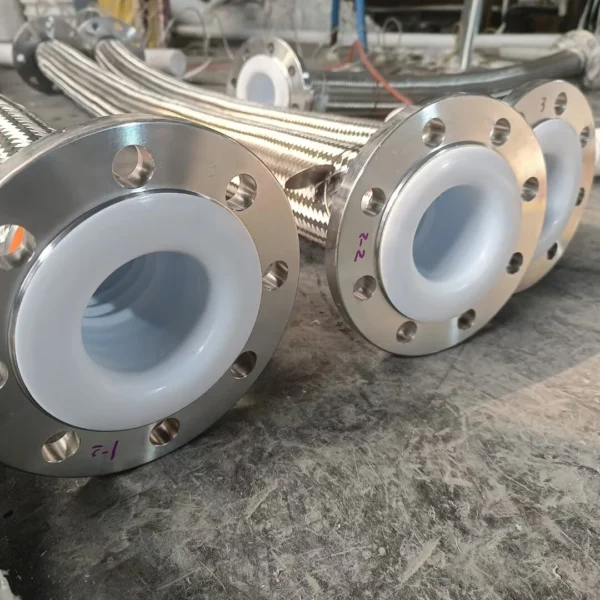
ステンレス鋼の編みこみの PTFE のホースは-高温及び圧力燃え上がりました
テフロンXのフレアエンド付きステンレススチール編組PTFEホースは、高温・高圧に対応します。この編組PTFEホースは優れた耐久性と安全性を提供します。
Why High Pressure PTFE Hose Flared is Your Best Bet for Leak-Proof Transfers
Alright, let’s get real about what sets a 高圧PTFEホース apart from the garden-variety options cluttering your supplier catalogs. PTFE—polytetrafluoroethylene, if you’re feeling wordy—is that slick, non-stick stuff you know from Teflon pans, but beefed up for industrial grit. When we flare the ends at Teflon X, we’re talking a seamless seal where the liner flares right over the metal stubs, meaning zero dead spots for chemicals to hide or corrode.
First off, chemical resistance. This ain’t hype; PTFE shrugs off over 98% of known corrosives, from sulfuric acid to sodium hydroxide, without batting an eye. Studies from the Fluoropolymers Manufacturers Group back this—PTFE maintains integrity across a pH range of 0-14, even at temps swinging from -200°C to 260°C. Compare that to rubber hoses, which might last a year in mild service but turn to mush in aggressive brews. Our Chemical Resistant PTFE Flared Hose variant? It’s built for those nightmare shifts where you’re slinging solvents that’d dissolve lesser materials overnight.
Pressure-wise, these hoses laugh at demands up to 6,000 PSI in some configs, thanks to stainless steel braiding—usually 304 or 316 grade for that extra corrosion kick. I’ve hooked these up in high-flow setups where standard lines would’ve burst like overripe fruit. And flexibility? Kinda underrated, but crucial. The smooth bore cuts friction, so flow’s efficient—no backups building heat or stress. Plus, that low coefficient of friction (around 0.05-0.10) means easier cleaning; a quick rinse with steam or CIP fluids, and you’re good, slashing contamination risks in pharma-adjacent chem ops.
But here’s the safety kicker: compliance baked in. These meet FDA 21 CFR 177.1550 for food-grade edges, USP Class VI for bio-contact, and even 3-A Sanitary Standards where hygiene bleeds into chem handling. For your OSHA audits, they’re vacuum-rated too, preventing collapses in suction lines. At Teflon X, we test every batch to 1.5x working pressure, so you get that peace of mind without the guesswork.
To break it down quick, here’s a side-by-side on why ditching old hoses for these pays off:
| ホースタイプ | 耐薬品性 | Max Pressure (PSI) | 温度範囲(℃) | 寿命(年) | Cost Savings from Downtime |
|---|---|---|---|---|---|
| Rubber-Lined | Moderate (pH 4-10) | 1,000-2,000 | -20から120 | 1-2 | 低頻度—頻繁な交換 |
| ステンレス鋼ブレード | 良い | 3,000-5,000 | -100から400 | 3-5 | 中程度—依然として浸透性あり |
| 高圧PTFEホース | 優秀(耐腐食性98%以上) | 最大6,000 | -200 to 260 | 5-10+ | 高い—故障は最小限 |
このデータは、潤滑技術者・摩擦学者協会(STLE)による業界ベンチマーク、およびTeflon Xの自社フィールドログから抽出されたものです。ご覧の通り、単に頑丈なだけでなく、コストパフォーマンスにも優れており、過酷な環境下での予期せぬシャットダウンを最大40%削減します。
フィールドからの実話:これらのホースがいかに窮地を救ったか
本を一冊書けるほどのエピソードがありますが、皆様が直面している状況に近いものをいくつかご紹介しましょう。弊社が共に取り組んだ中規模の製油所、仮に「プラント・ミッドウエスト」と呼びましょう。そこでは、標準的なEPDMホースをまるでキャンディのように食い荒らす強敵、臭素の移送に苦慮していました。毎月のように漏洩が発生し、OSHA(労働安全衛生局)からの是正勧告を招き、優秀な人材も離れていきました。そこで弊社の製品に交換し、 高圧PTFEホース4インチラインに完全に密閉できるよう端部をフレア加工しました。結果はどうでしょうか。3年間で事故はゼロ、安全記録は非の打ち所がないほどクリーンです。マネージャーはコーヒーを飲みながらこう語ってくれました。「まるでホースが…当たり前のように機能している。何のトラブルもないんだ」
次に、昨年の夏に支援した匿名の製薬・化学ハイブリッド企業の事例です。150℃でのリスクの高い溶剤運転において、浸透による汚染が発生すれば数十万ドル規模のバッチが台無しになる可能性がありました。旧式の波形ホースは圧力下でよじれ、破裂の危険がありました。そこで、4,000 PSIの緩衝材として編組を二重にした耐化学薬品性PTFEフレアホースを採用しました。設置後、漏洩検知センサーは沈黙を保ち、メンテナンス時間は15%短縮されました。あるエンジニアは「昼食前に元が取れるホースだ」と冗談を言っていました。
これらは厳選された成功例ではありません。過酷な現場に最適な装置を組み合わせた時に起こる必然の結果です。半導体工場では、PTFEラインが汚染の兆候一つ見せずに超高純度エッチング液を処理しています。これはアプライド・マテリアルズ社のケーススタディに基づく事実です。また、石油化学の大手企業は、CSB(化学物質安全調査委員会)のアーカイブにあるような、旧式のセットアップを悩ませた火災を回避しつつ、CNGやエタノールの移送にこれらを使用しています。もし皆様のプラントでも、高温下の腐食性物質や配管の急な曲がりといった同様の状況があるなら、これらのホースはすぐに適合し、チームを防護服から解放しながら、耐用年数を10年に延ばすことができるでしょう。
正しく行うために:ホースの取り付けと良好な状態を維持するためのヒント
どんなに優れたホースでも、セットアップを誤れば価値はありません。私は何度も現場のラックの下に潜り、落とし穴を特定してきました。まずはルーティング(配管経路)から始めましょう。応力集中を避けるため、曲げ半径を最小半径(通常、PTFEの場合は内径の4倍から6倍)以上に保ってください。ここではフレア端が威力を発揮します。フランジと面一で嵌合し、故障の原因となるガスケットは不要です。ボルトは均等に締め付けてください。316SSの場合は20から30フィートポンド程度ですが、必ず仕様書を確認してください。
メンテナンスについては、アラームを待ってはいけません。まずは外観検査です。四半期ごとに摩耗や編組のほつれがないか確認してください。毎年、運転圧力の1.5倍で耐圧試験を行い、監査のために記録してください。洗浄は簡単です。適合する溶剤で洗浄してください。ライナーを傷つけるような研磨剤による洗浄は避けてください。また、温度変化についてはどうでしょうか。熱衝撃を避けるため、低温始動時は予熱を行ってください。PTFEは許容範囲が広い素材ですが、無理をさせる必要はありません。
Teflon X時代からのプロのヒント:液漏れのない交換のために、クイックディスコネクトフィッティングと組み合わせてください。これにより、交換時間を数時間から数分に短縮し、ダウンタイムを最小限に抑えることができました。レトロフィット(後付け)を検討されている場合は、以下のコンタクトページからお問い合わせください。 https://teflonx.com/contact-us/—Allison(アリソン)、所属: アリソン・イェ@teflonx.com は、貴社チームのために無料の監査を行うことができます。コンプライアンスを確信に変えるのは、こうした小さな積み重ねなのです。
数あるホースサプライヤーの中でTeflon Xが際立っている理由
弊社は2000年代初頭から事業を展開しており,世界中にある500以上の化学施設にラインを供給してきました。弊社の強みとは何でしょうか。それは現場主義であることです。弊社のエンジニアはデスクワークだけをこなすのではありません。ルイジアナ州の製油所からカリフォルニア州の研究所まで,現場での設置作業を通じて培った確かな技術を持っています。弊社はバージンPTFE粒子を調達し,社内で押し出し成形を行い,0.001インチ未満の公差を実現する精密工具を使用してフレア加工を施しています。海外での手抜き作業は一切ありません。ISO 9001に準拠した安心をお届けするため,すべての製品はバッチ単位で追跡可能です。
確信を持って申し上げますが,お客様が稼働停止の危機に直面した際,弊社は一切の迷いなく翌日配送を行います。弊社の 高圧PTFEホース は単に基準を満たしているだけではありません。お客様が不安に感じる「もしもの事態」を想定して,過剰なまでの強度設計がなされています。ぜひ https://teflonx.com/ にて仕様をご確認いただくか,お気軽にお問い合わせください。弊社はお客様と同じ現場を経験してきたからこそ,全力でサポートいたします。
まとめ:安全管理を次のレベルへ引き上げる時
以上が,高圧PTFEフレアホースへの単純な切り替えによって,いかに工場を潜在的な漏洩から守ることができるかの詳細です。数百万ドルの損失を招く事故の回避から日常業務の効率化まで,これらのホースは煩わしさを感じさせることなく成果をもたらします。もしこの内容にご関心をお持ちいただけましたら,ぜひお話ししませんか。まずは アリソン・イェ@teflonx.com に見積もり依頼のメールをお送りいただくか,または https://teflonx.com/contact-us/ にアクセスして手続きを開始してください。お客様のチームの安全,そして心の平穏のためにも,それだけの価値があります。今週,あなたはどのような一歩を踏み出しますか。
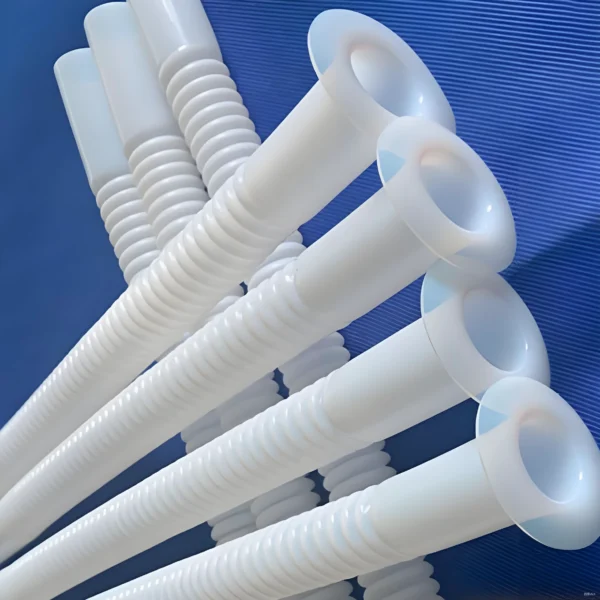
高圧 PTFE ホース フレアエンド - 要求の厳しい油圧作業用
フレアエンドの高圧PTFEホースが必要ですか?当社のホースは要求の厳しい油圧・空圧システムで優れた性能を発揮します。この頑丈な高圧PTFEホースは、比類のない安全性と耐久性を提供します。
よくある質問:高圧PTFEフレアホースに関する回答
化学薬品の移送において,金属製ホースの代わりに耐薬品性PTFEフレアホースを使用する最大の利点は何ですか。
金属は頑丈ですが,酸によって急速に腐食します。一方,PTFEはどうでしょうか。腐食の影響を全く受けず,5倍長持ちし,浸透リスクをほぼゼロに抑えます。弊社の顧客ログでは,被曝事故が70%減少した事例も確認されています。
お客様の構成に高圧仕様が必要かどうかは、どのように判断すればよいでしょうか。
2,000 PSIを超える圧力で使用する場合や,ポンプからの脈動に対処する場合は,高圧用を選択してください。流量を確認し,急激な変動がある場合でも,この優れた編組構造は膨張することなくサージに対応します。
これらのホースは、蒸留ラインにおける真空引きに対応していますか?
もちろんです。スパイラル補強オプションもご用意しています。安価な製品のように潰れることはなく,真空状態を安定させます。圧力損失に合わせて適切に仕様を設定してください。Teflon Xのチームがお客様に代わって計算いたします。
