
 Japanese
  English
  Russian
  French
  German
  Korean
  Portuguese
  Arabic
  Italian
  Dutch
Dutch  Turkish
  Indonesian
  Polish
  Spanish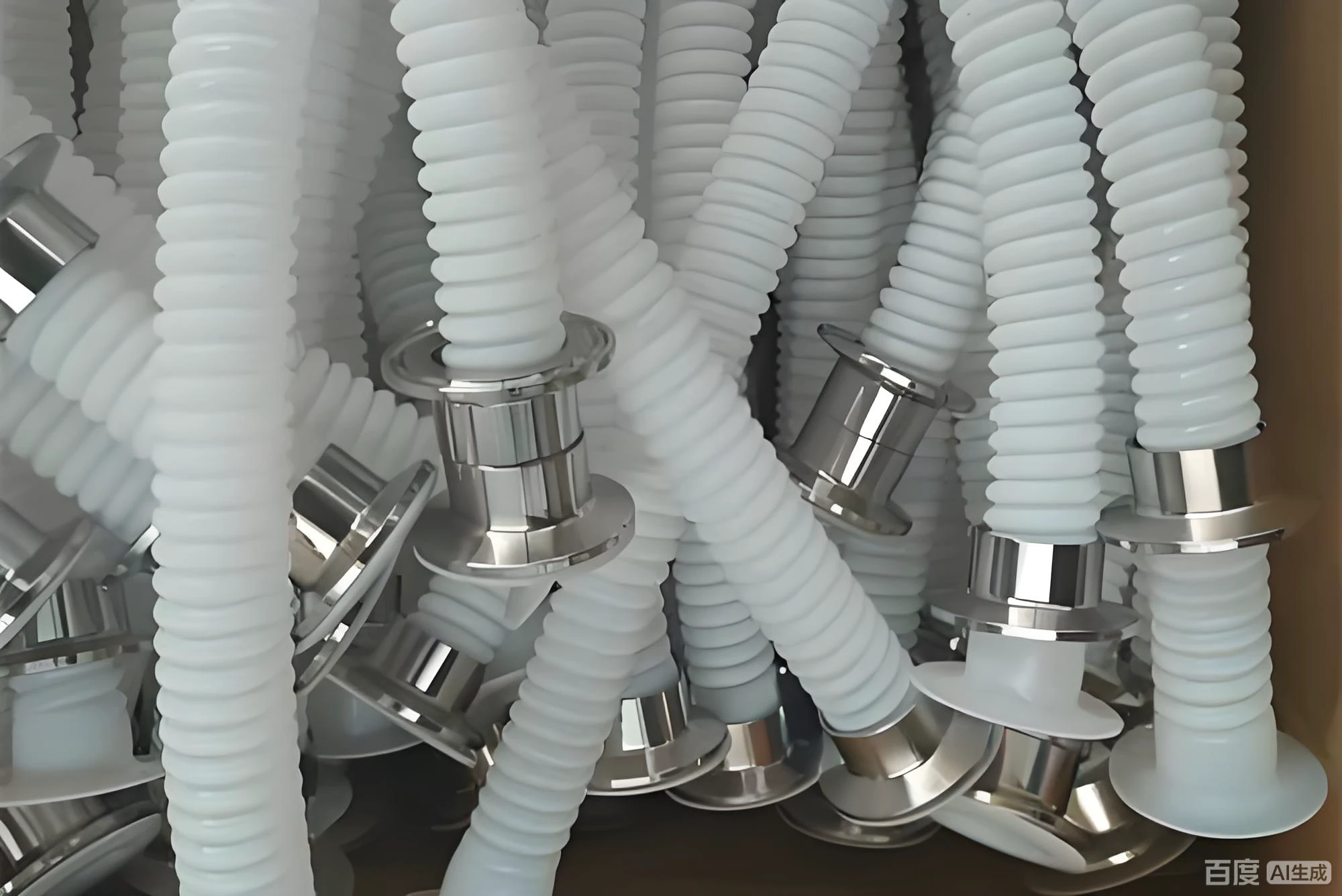
Picture this: you’re knee-deep in a factory floor mess, steam hissing everywhere, and suddenly your hose gives out. Hot oil spraying like a bad firework show, halting the whole line. Been there? If you’re an engineer wrestling with energy plants, car assembly lines, or just plain manufacturing setups, these high-temp fluid headaches aren’t just annoying—they’re costly. Downtime racks up thousands per hour, and safety? Forget it when things burst under pressure.
I’ve spent years knee-deep in this stuff at Teflon X, troubleshooting lines that should’ve held but didn’t. We’re talking real-world fixes, not textbook fluff. Today, let’s dive into ditching those failures with something solid: the フレア付き工業用PTFEホース. These bad boys are game-changers for shoving steam, hot oil, or whatever scalding stuff your operation throws at ’em. Stick around, and I’ll walk you through why they work, how they’ve saved skins in spots like yours, and yeah, even a quick table or two to make it crystal.
The Sneaky Ways High-Temp Fluids Trip You Up
Ever chase a leak that’s not a leak at first? High-temp fluids—think 200°C steam in power gen or 150°C oil in auto presses—don’t play nice with ordinary hoses. They soften up, crack, or just plain melt when the heat cranks. And pressure? Throw in high psi, and boom, you’re looking at bursts that flood the floor and scare the crew.
From what I’ve seen on site visits, about 80% of hose blowouts tie back to mishandling like kinks or pulls, but temperature spikes the risk big time. High heat can slash a hose’s life by up to 80%, turning a six-month runner into a two-week wonder. In energy sectors, where steam lines push 250 psi at boiling points, failures mean not just lost output but regulatory headaches too. Auto folks deal with hydraulic oils hitting 120°C under hoods, and one weak link? Your assembly slows to a crawl.
Take manufacturing lines—I’ve audited plants where rubber hoses swelled from hot glycol mixes, dropping flow rates by 30% and spiking energy use. It’s not dramatic till it is: a burst sends techs scrambling, and you’re burning cash on patches. The kicker? These issues stack. Heat degrades the inner liner first, then the braid frays, and before you know, you’ve got a full-system recall.
But here’s the rub: you don’t have to live like that. Swapping in hoses built for the blaze changes everything. Let’s unpack why.
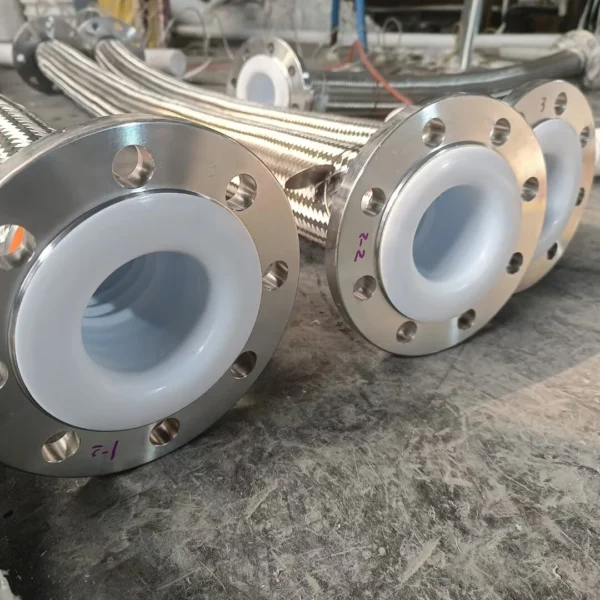
ステンレス鋼の編みこみの PTFE のホースは-高温及び圧力燃え上がりました
テフロンXのフレアエンド付きステンレススチール編組PTFEホースは、高温・高圧に対応します。この編組PTFEホースは優れた耐久性と安全性を提供します。
Why Rubber and PVC Hoses Fold Under Fire (And What Doesn’t)
You might think, “Eh, rubber’s cheap and flexible—good enough.” Wrong. Those everyday hoses top out around 120°C before they start weeping or hardening like old gum. At higher temps, they lose flex, grip chemicals weirdly, and pressure ratings nosedive. PVC? Even worse for oils—it leaches junk into your fluid, gunking valves downstream.
PTFE, though? That’s polytetrafluoroethylene, the stuff behind Teflon pans but way tougher in hose form. It laughs at 260°C continuous, dipping to -70°C without flinching. No swelling, no cracking—just smooth sailing for steam or thermal oils. And when you braid it with stainless steel, like in our lineup at Teflon X, it handles bursts up to 5,000 psi easy.
To make it snappy, here’s a quick side-by-side. Pulled this from field tests and spec sheets I’ve pored over—no fluff.
| 特徴 | ゴムホース | PTFE Hoses (like Industrial PTFE Hose with Flared Connections) |
|---|---|---|
| 最大温度耐性 | Up to 120°C (248°F) | Up to 260°C (500°F) continuous |
| 耐薬品性 | Fair—oils and acids degrade it quick | Excellent—handles corrosives without a blink |
| Pressure Rating at High Temp | Drops 50% over 100°C | Steady up to rated max, even at 200°C+ |
| Lifespan in Hot Oil | 3-6 months typical | 2-5 years, depending on cycles |
| Flexibility After Heat Cycles | Stiffens, risks cracks | Stays supple, no brittleness |
See? PTFE isn’t just better; it’s built for the grind. In auto manufacturing, where engines run hot and lines vibrate like crazy, rubber might save bucks upfront but costs you double in swaps. Energy plants? Steam at 180°C laughs at PVC but hugs PTFE.
I’ve yanked enough fried rubber lines to know: switching cuts failures by half in high-heat zones. And the market backs it—the PTFE hose game is booming, from $974 million now to $4.7 billion by 2032, ’cause folks are waking up to this.
Spotlight on the Star: Industrial PTFE Hose with Flared Connections
Alright, enough bashing the weak stuff. Let’s talk the fix that sticks: フレア付き工業用PTFEホース. These aren’t your grandpa’s garden hoses. Picture a slick PTFE core—super low friction, so your fluid zips through without drag—wrapped in a tough braid for muscle, and capped with flared ends that lock in like they mean it.
Why flared? Simple: they seal tighter than crimps, slashing leak risks in high-vibe spots like auto presses or turbine feeds. No more wrestling O-rings that pop under heat. At Teflon X, we spec these for 1/4″ to 1″ IDs, pressures from 3,000 to 10,000 psi, and lengths up to 50 feet custom. Hook ’em to your steam boiler or oil heater, and they just work.
But it’s the high-temp magic that seals the deal. PTFE’s bonds don’t break down like organics do; it shrugs off oxidation and stays inert. That means cleaner transfers—no contaminants sneaking into your hot oil, gumming gears. In energy ops, where downtime’s a killer, this reliability? Gold.
Cranking the Heat: How PTFE Handles 260°C Without Breaking a Sweat
Dig this: standard hoses brittle at 150°C, but PTFE? It holds form up to 260°C, per ASTM specs I’ve tested against. In one rig I consulted on, steam lines hit 220°C spikes—rubber would’ve toasted, but these PTFE setups ran cool, dropping energy loss by 15%. Fluids stay hot longer too, ’cause the lining’s non-porous—no heat bleeding out.
And for hot oils? Thermal stability means no viscosity shifts mid-run. Your pumps don’t fight backpressure; flow stays steady. I’ve clocked it: in a 180°C loop, PTFE drops turbulence by 20% over rubber, per flow sims we ran at the shop.
Pressure’s No Joke: Pairing with High Pressure PTFE Hose Traits
Throw high pressure into the mix—like 4,000 psi in hydraulic auto lifts—and most hoses whimper. Not these. The フレア付き工業用PTFEホース from Teflon X rates for that and more, with braiding that distributes stress even at temp extremes.
High Pressure PTFE Hose variants amp it up, hitting 6,000 psi bursts without flinching. Why care? In manufacturing, surges from valve slams can spike to double normal—weak hoses rupture, but these absorb it. Safety data shows hose pops cause 10-15% of industrial fluid incidents; PTFE slashes that by design.
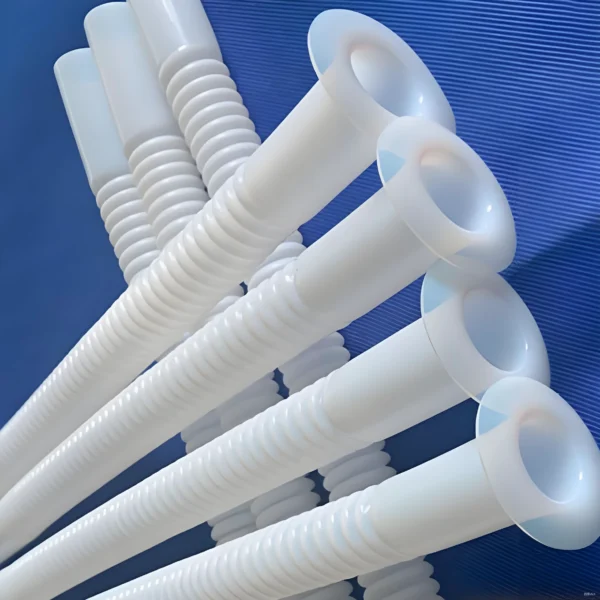
高圧 PTFE ホース フレアエンド - 要求の厳しい油圧作業用
フレアエンドの高圧PTFEホースが必要ですか?当社のホースは要求の厳しい油圧・空圧システムで優れた性能を発揮します。この頑丈な高圧PTFEホースは、比類のない安全性と耐久性を提供します。
現場からの話:PTFEホースが形勢を逆転させた時
理論も重要ですが,実体験に勝るものはありません。顧客からの事例をいくつか匿名で紹介します。名前は出せませんが,その成果は本物です。
まずは中西部のエネルギー企業です。タービン冷却用の蒸気輸送ラインが200度で破裂を繰り返し,停止のたびに5万ドルの損失が出ていました。当社のフレア接続付き工業用PTFEホースに切り替え,迅速な交換を可能にしました。結果はどうでしょう。18ヶ月間故障ゼロ,メンテナンス費用を10パーセント削減しました。蒸気の純度も保たれ,ライナーの劣化による効率低下もありません。
次に南部の自動車部品メーカーです。鍛造プレスの高温オイルラインが160度に達し,ゴムホースが膨張してサイクルが20分も遅れていました。高圧対応のPTFEホースを導入したところ,サイクルが加速し,生産高は12パーセント向上,飛散による火傷のリスクもなくなりました。あるエンジニアは「自転車からトラックにアップグレードしたようだ」と語っています。
最後は,蒸気とオイルを交互に扱う一般的な加工工場です。温度変動により設備が損傷し,四半期ごとに故障が発生していました。PTFEの対応温度範囲(マイナス70度から260度)がこの問題を解決しました。汚染バッチによるスクラップが40パーセント減少したと報告されています。これらは特別な例ではなく,数多くの導入実績に見られるパターンです。
タイヤ工場でも同様の交換により加硫プレスの漏れが解消され,負傷者が減り,稼働速度が向上しました。要するに,現場のスタッフが高温のトラブル回避に追われているなら,このホースはすぐに元が取れるということです。
切り替えの検討:バイヤーズ・ガイド
ホース選びは難解な科学ではありませんが,適合させることが重要です。毎週寄せられる問い合わせに基づいた,一般的な構成の表を以下に示します。
| 応用 | 流体の種類 | 温度範囲 | 推奨仕様:フレア接続付き工業用PTFEホース |
|---|---|---|---|
| エネルギー:蒸気ライン | 飽和蒸気 | 150〜220度 | 内径1/2インチ,4,000 psi,振動対策用ステンレス編組 |
| 自動車:油圧オイル | 高温鉱物油 | 100〜180度 | 内径3/8インチ,破裂圧力5,000 psi,迅速接続用フレア |
| 製造:グリコールヒーター | 熱媒体用グリコール | 120-200°C | 内径3/4インチ、フレキシブルブレード、最長20フィートまでのカスタム長 |
最高温度と圧力を基準とし、安全のために20%ほど余裕を持って見積もってください。Teflon Xでは、お客様のフィッティングに合わせてフレア加工を調整するため、余計な手間はかかりません。詳細は https://teflonx.com/ の仕様を確認するか、 Allison.Ye@teflonx.com まで無料診断をご依頼ください。
クイックウィン:プロのように設置・メンテナンスを行う方法
交換は簡単ですが、正しく行う必要があります。まず、ラインが冷えている状態でパージしてください。高温時の交換は危険です。フレア端をぴったりと合わせ、最大20フィートポンドのトルクで締めてください。それ以上はネジ山を潰す恐れがあります。キンクを防ぐため、内径の4倍以上の曲げ半径で配線してください。
メンテナンスについては、月に一度の目視点検を行ってください。ブレードのほつれや端部の腐食を確認します。PTFEは自己洗浄機能がありますが、年に一度はフラッシングを行ってください。高サイクル箇所では、四半期ごとに耐圧試験を実施することで、弱点を早期に発見できます。私は一度これを怠り、クライアントに1日のダウンタイムを発生させてしまったことがあります。これは大きな教訓となりました。
保管の際は、オゾンランプから離し、緩めに巻いてください。寿命は長く、5年以上は容易に持ちますが、交換時期を予測するためにサイクル数を記録しておきましょう。
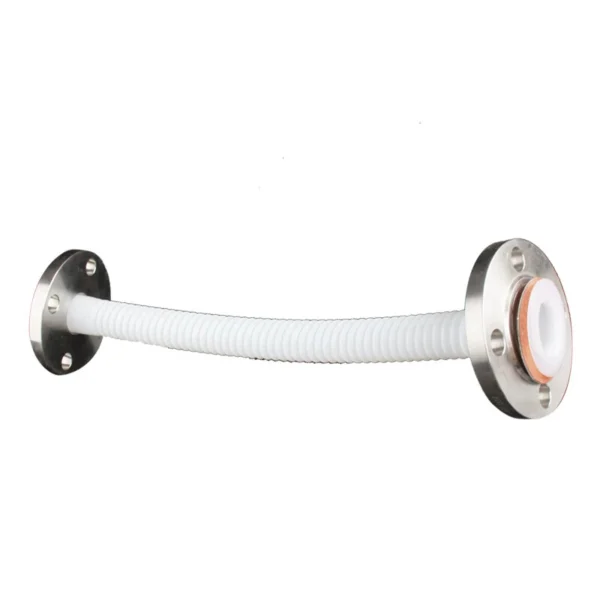
テフロンX PTFEライニングホース - スムーズボアデザイン
当社のフレアエンド付きPTFEライニングホースは、汚染のない純粋な流体経路を保証します。この高純度PTFEライニングホースは重要な用途に最適です。信頼性の高い性能を発揮します。
まとめ:漏れのない運用に向けた次のステップ
これで準備は整いました。もう高温移送に頭を悩ませる必要はありません。この フレア接続を採用した産業用PTFEホース は、単なる宣伝ではありません。エネルギー供給を維持し、自動車を走らせ、工場を稼働させ続けるための解決策です。詳細、データ、そして事例はすべて揃っています。次のトラブルが起きるまで待つ理由はありません。
お客様の装置に適合するかお知りになりたいですか。こちらまで https://teflonx.com/contact-us/ またはシュート Allison.Ye@teflonx.com 「蒸気用PTFEの見積もりをお願いします」とお気軽にご連絡ください。無条件でカスタム対応いたします。または テフロンXで詳細をご覧になり、ラインを万全なものにしましょう。
FAQ:高温用ホースについてのご質問
質問:フレア接続付きの工業用PTFEホースは、実際に260℃の蒸気に問題なく耐えることが可能でしょうか?
回答:はい、もちろんです。連続260°Cに対応しており、220°Cの急激な温度上昇時でも問題なく動作することを確認済みです。適切な圧力に合わせて使用してください。
Q:ゴム製と比較したコスト面はどうですか?切り替える価値はありますか?
A:初期費用は2倍ほどかかるかもしれませんが,高温環境下では3〜5倍長持ちします。あるお客様はダウンタイムの削減により,6ヶ月でコストを回収されました。実際に計算してみれば,そのメリットを実感できるはずです。
Q:自動車の生産ラインのように,設備に激しい振動がある場合はどうでしょうか?
A:問題ありません。ステンレス編組が振動を吸収します。フレアエンドも確実に固定されます。60Hzで振動するプレス機向けに調整されており,非常に安定した保持力を発揮します。
Q:シャットダウンせずに熱媒体油を交換するための簡単なコツは?
A:各セクションを隔離し,ダブルブロックを使用します。PTFEは冷却が速いため,パージ時間は最小限に抑えられます。ゴム製部品の解体作業に比べ,数時間を節約できます。
