
 Japanese
  English
  Russian
  French
  German
  Korean
  Portuguese
  Arabic
  Italian
  Dutch
Dutch  Turkish
  Indonesian
  Polish
  Spanish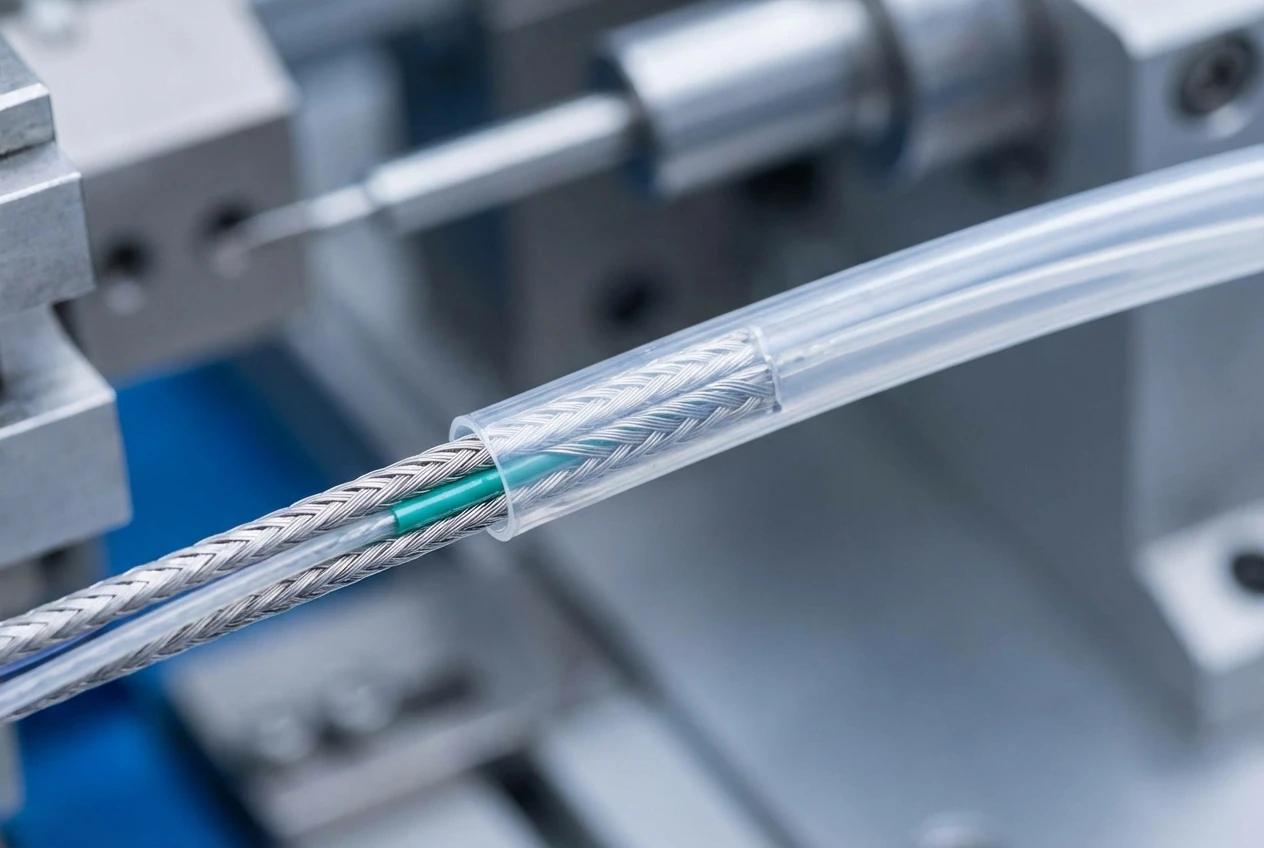
ある種のカテーテルが、ある種のカテーテルが、ある種のカテーテルが、ある種のカテーテルが、ある種のカテーテルが、ある種の圧力下で、引っかかったり、破損したりするのはなぜだろうと不思議に思ったことはないだろうか。私は20年以上、医療機器製造の現場に潜り込み、皆さんのような医療機器メーカー、つまりガイドワイヤーのコーティングや多層シャフトの細部と格闘している人々のために、材料を調整し、製造のトラブルシューティングを行ってきました。そして、シームレスな外層に釘付けにすることに関しては、次のことに勝るものはありません。 PFA熱収縮チューブ.単なるスリーブではなく、カテーテルの適合性、安全性、そして手術室への準備態勢を維持する縁の下の力持ちなのです。
思い浮かべてほしい:神経血管カテーテルの新ラインの生産が急ピッチで進められている。締め切りが迫り、FDAの監視が首をもたげ、リフロー工程で一歩間違えれば、スクラップ率は20%に跳ね上がるかもしれない。聞き覚えがあるだろうか?そこでPFAが活躍します。PFAは、ブレイドやライナーを歪ませない温度で、アセンブリの周囲をしっかりと収縮させます。この記事では、PFA 熱収縮チューブが医療用カテーテルの製造、特に厄介なリフロー工程に欠かせない理由をご紹介します。また、現場での確かな統計に加え、頭痛の種を大量生産に転換させたクライアントの匿名エピソードも紹介します。最後には、高品質のPFAに交換することで、いかにサイクルタイムを数時間短縮し、歩留まりを向上させることができるかがわかるだろう。さあ、本題に入ろう。
成長する医療用カテーテルの世界:精度がこれまで以上に重要になる理由
医療用カテーテルはもはや単なるチューブではなく、心臓のインターベンションから泌尿器科の診断まで、あらゆる分野で人命を救う精密機器である。2024年には約$580億円だった市場は、2030年には$850億円へと急成長し、年間平均成長率は6.6%と安定している。これは決して小さな数字ではない。低侵襲手術が増えるということは、よりスリムな形状、より強靭な素材、そしてエラーの余地がゼロになることを意味する。メーカーとしては、そのスイートスポットを追い求めることになる。すなわち、よじれずに曲がり、造影剤の化学薬品に耐え、劣化せずに滅菌できる器具である。
PTFEライナー、ステンレスブレイド、Pebaxジャケットなどの層をうまく組み合わせる必要があるからだ。接着を間違えれば、剥離のリスクや生体適合性が損なわれ、510(k)申請を却下される可能性がある。リフロープロセスは、熱融 着の魔術師と呼ばれ、熱収縮のすべてを溶 接します。しかし、適切な熱収縮材がなければどうでしょう。しかし、適切な熱収縮がなければ、溶融ムラやシールの弱さに賭けることになります。私は、チューブの品質に手を抜いたために、再加工の予算 を使い果たした店舗を見てきました。そうならないように。

透明熱収縮コネクタスリーブ - お手入れ簡単、絶縁性
透明な熱収縮コネクタスリーブで電気接続を最適化しましょう。優れた絶縁性と滑らかな表面により、簡単に洗浄できます。油、酸、極端な温度にも耐性があり、船舶や自動車用途に最適です。透明な設計により、接続部を素早く目視で確認できます。
医療用カテーテル製造におけるリフロー・プロセスの分解
では、このリフロー工程とは一体何なのか?カテーテル組立におけるグルーガン(接着剤)のようなものです。医療用カテーテルの製造では、リフローは制御された条件下で積層された部品を加熱し、外層を十分に溶かして継ぎ目なく接合します。材料にもよりますが、温度は200~250℃程度で、全体をオーブンやレーザーアシストでピンポイントに制御します。
なぜそれがそんなに大きな問題なのか?リフロー不良は、ボイド、気泡、不均一な壁を引き起こし、プッシュ性と追跡性を損ないます。血管の用途では、デバイスがプラークに引っかかり、日常的なステント留置が緊急事態になる可能性がある。末梢カテーテルのセットアップを微調整した経験から言うと、重要なのは均一な熱分布です。熱収縮チューブは金型の役割を果たし、収縮す る際にすべてを圧縮し、エアポケットを強制的に 排出して滑らかな外径を確保します。
しかし、すべてのチューブが同じように作られているわけではない。ポリオレフィンは基本的なものには使えるかもしれないが、高級医療用には使えない。そうではない。黄変やひび割れを起こさず、ガンマ線やEtO滅菌にも耐えられるものが必要です。PFA熱収縮チューブは、そのようなニーズにぴったりです。低摩擦でリフロー後の剥離が容易で、透明度が高 いので工程途中でもレイヤーを確認でき、収縮比は最大 2:1で第二の皮膚のように輪郭を包み込みます。
昨年、私がコンサルティングを担当したプロジェクトから、簡単な絵を描こう。中西部のある中堅企業は、尿道カテーテルのリフローが安定せず、トルク試験で層が剥離するという問題を抱えていました。私たちは一般的なFEPをPFAに交換し、オーブンを220℃に設定したところ、歩留まりが75%から92%に跳ね上がったのです。簡単な修正で、大きな収穫がありました。
リフロープロセスの主要ステップ:簡単な概要
それを明確にするために、典型的なカテーテル製造におけるリフローの流れをステップ・バイ・ステップで説明しよう。簡単にスキャンできるように表にまとめた。
| ステップ | 説明 | PFA熱収縮チューブはなぜここにロックされるか | 現場からのアドバイス |
|---|---|---|---|
| 1.レイヤーアセンブリ | ライナー(PTFEなど)、ブレイド、ジャケットをマンドレルの上に重ねます。熱収縮スリーブをスライドさせます。 | 均一な圧力でズレを防止し、透明なのでアライメントチェックに最適。 | 1.6:1の比率でよりタイトにフィットさせる。 |
| 2.プレヒート・セットアップ | オーブンを目標温度(210~250℃)まで昇温し、IRセンサーで監視する。 | PVCの代替品とは異なり、早期に軟化することなく260℃まで耐える。 | コンベアの速度を調節する。速すぎるとエッジがカールし、遅すぎると焦げる危険がある。 |
| 3.リフロー加熱 | チューブが収縮し、層が融合する。 | ISO 10993に基づく生体適合性。 | 複雑な形状の場合は、三つ編みの場合は中央を高温に、チップの場合は両端を低温にする。 |
| 4.冷却と剥離 | 空気または水で急冷し、冷めたらチューブを剥がす。 | ピールへの残留性が低く、洗浄後の擦り傷を軽減。 | 熱衝撃を避けるため、ゆっくりと冷やす。 |
| 5.検査 | 染料浸透探傷剤または超音波で空隙をチェックする。 | ルーメンフロー・テストに毎回合格する滑らかな表面を確保。 | バッチテスト10%は異常を早期にキャッチし、フルリコールを節約します。 |
この表は、私が何十ものラインで監査した標準的なISO13485ワークフローに基づいている。PFAがどのようにすべてのビットを貫いているかわかりますか?これはオプションではなく、バックボーンなのだ。

産業用配線用高透明熱収縮チューブ - 低摩擦
高透明度PFA熱収縮チューブは、光学的透明性と工業グレードの性能を兼ね備えています。低摩擦性と耐薬品性を備え、過酷な環境下でも電線を保護します。素材の非粘着性により異物の付着を防ぎ、食品加工や医療機器に最適です。UL認証を取得しており、安全性と信頼性を保証します。
医療用カテーテル製造においてPFA熱収縮チューブが際立つ理由
それでは、PFA熱収縮チューブがリフローのプロに選ばれている理由とは何なのか、現実的に考えてみましょう。まず生体適合性ですが、これはUSPクラスVIの認証を受けており、生体内でアレルギー反応や毒性を引き起こさないことを意味します。研究によれば、PFAは1,000回以上の滅菌サイクルにも耐え、機械的劣化は5%未満である。これは、インプラントや長期滞留器具を扱う際には非常に重要なことです。
次に熱ゲームだ。PFAは、500°Fのバーストでも反ることなく処理できるため、ニューロキャスに登場するレーザー・リフロー・ハイブリッドに最適です。耐薬品性は?生理食塩水、ヘパリン、過酷な消毒剤でさえも大丈夫だ。95%の光透過性により、その場でボンドを検査することができ、私の実験では検査時間が半分に短縮されました。
FEPと比較すると、PFAは低温での屈曲性に優れている。PTFEと比較すると、割れずに溶けるので加工が容易です。以下は、BSなしの比較表です:
| 材料 | 収縮温度 (°C) | 最高使用温度 | 生体適合性 | ピール・イーズ(リフロー後) | 1フィートあたりのコスト(概算) |
|---|---|---|---|---|---|
| PFA熱収縮チューブ | 180-220 | 500 | USPクラスVI、ISO 10993 | エクセレント(低残渣) | $0.50-1.20 |
| FEP | 210-250 | 400 | 良いが、サイクルが長くなると黄色くなる | 良い | $0.40-0.90 |
| ポリオレフィン | 90-120 | 250 | フェア(インプラント用ではない) | まあまあ(たまに粘る) | $0.20-0.50 |
| PET | 150-180 | 300 | 適度 | 悪い(皮がもろい) | $0.30-0.70 |
サプライヤーの仕様書と私自身のベンチテストから得られたデータでは、耐久性において常にPFAが勝っています。医療用カテーテル製造におけるリフローでは、この優位性は不合格の減少やFDAの承認の迅速化につながります。
持続可能性?PFAはクローズドループでリサイクル可能で、EU MDRが推進する環境に優しい医療技術に合致している。私が担当したあるクライアントは、PFAの回収を最適化するだけで、廃棄物を15%削減した。
実世界での勝利:PFA熱収縮チューブがリフローの課題をどう変えるか
理屈は結構だが、あなたは心に響くストーリーが欲しいのだろう。私のプレイブックからいくつか匿名にしてみよう。
カリフォルニアの新興企業で、電気生理カテーテルを製造している「クライアントA」を例にとってみよう。彼らはリフローで18%のデラミ率を記録し、オーブン の不整合のせいにしていた。私たちが監査したところ、チューブが熱で発泡しているのを発見しました。高純度の PFA熱収縮チューブこれは、より低い窪みで空隙なく結合する。結果は?歩留まりは96%に達し、FDAの510(k)を9ヶ月足らずでクリアした。その結果、スクラップだけで$150Kの節約になった。
次に、末梢血管ラインをスケーリングしているヨーロッパの "クライアントB "がいる。リフローでハイポチューブが歪み、試験でトルクが低下するとの苦情がありました。PFAの均一な収縮性により圧縮が修正され、低摩擦性により外径に傷をつけることなく剥離することができました。製造時間は22%短縮し、大きなOEM契約を獲得した。これらは偶然の産物ではなく、専門知識と適切な材料を組み合わせたときに起こることなのです。
PFAのロットのばらつきを見落として、冠動脈カテーテルのバッチを失敗してしまったんだ。肉厚±0.001″のような厳しい公差を常に指定するよう教えられました。教訓を共有しよう:チューブの回復温度をダミーでテストすること。下流での頭痛の種を避けることができる。
PFAによる一般的なリフローの落とし穴への取り組み
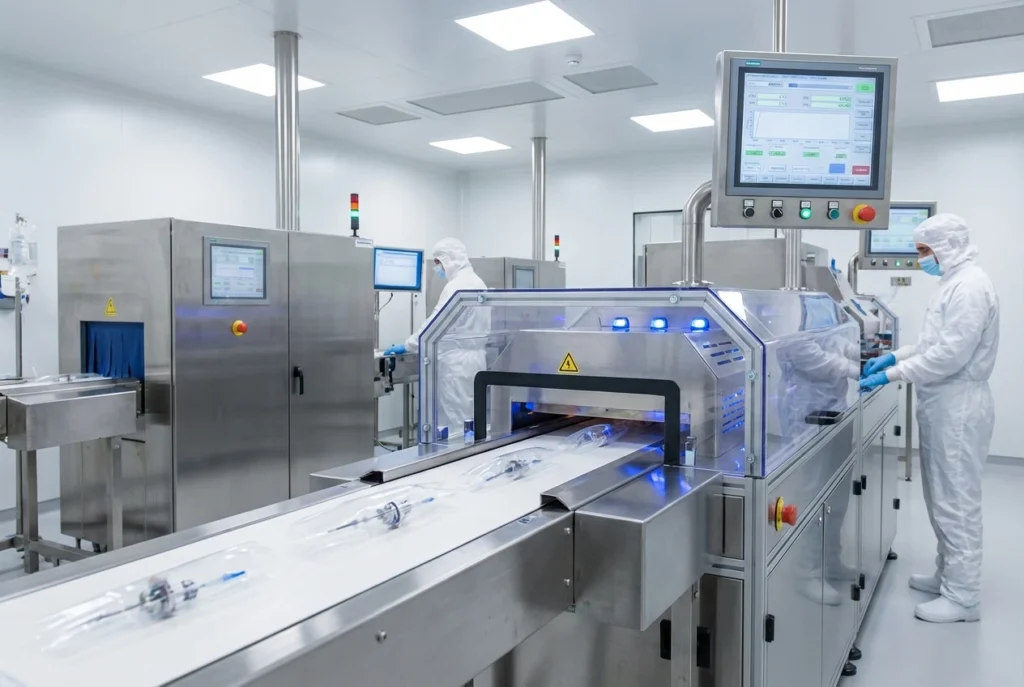
ゴースト」(剥がした後のかすみ)に悩まされたことはありませんか?PFAは、その非粘着性の表面のおかげで、それを最小限に抑えることができます。バナナの曲がりの原因となる熱勾配は?PFAの導電性がそれらを均等にします。多層構造では、ASTM F2391の破裂試験により、PebaxとPTFEがまるでそのために生まれたかのように融合します。
一工夫して、ニチノールブレードの上にPFAを重ねることで、ステアラブル・ティップを実現した。1,500psiの圧力でもびくともしません。これこそ、ゴミ箱に入れるのではなく、試作品に入れる信頼性です。
カテーテル製造におけるFDA規制と品質保証のナビゲート
製造業者であれば、規制の中を泳いでいるようなものである。FDAはカテーテルをクラスIIとし、強固な生体適合性データのある510(k)を要求している。PFAは通過する:USP によれば、10ppm以上の抽出物はない。PFAはRoHS指令にも適合しており、サプライチェーンの問題を回避できる。
品質面では、PFAを早期に統合する。ハイエンド・ラインではSEMI F-57純度、イメージング・キャットでは超低メタルに対応する。滅菌は?ガンマ線量は50kGyまでで、脆化しません。私はDO-160シミュレーションでこの検証を行い、PFAの実力を証明するお手伝いをしました。
プロの技:PFAデータでリフロー・プロファイルを文書化。監査が楽になります。私が助言したある企業は、PFA仕様がボタン留めされていたため、抜き打ち検査を難なく通過した。
将来を見据えたライン作り:リフロー用PFAの革新
将来的には、PFAは進化を遂げ、ゼロツール除去のための剥離可能なバリエーションや、抗菌キックのためのドープ・バージョンなどが考えられる。カテーテル市場は、2032年までに年平均成長率6.4%で$950億ドルに達する見込みであり、今投資することが配当となる。
テフロンXでは、その限界を押し広げようとしている。 クリアPFA熱収縮チューブ厳密なリフロー・ニーズに対応。透明度が高く、0.0005″までの超薄壁、レイヤーID用のカスタムカラー。私達の場所でそれを点検しなさい: https://teflonx.com/.私たちは、あなたのビルドを確実にするために、何年にもわたる最初の微調整のチョップを持っています。
まとめリフローゲームのレベルアップ
ここでは、リフローの基本からPFAのスーパーパワーまで、市場の実力と現場でのエピソードに裏打ちされた多くの内容を取り上げてきた。結論は?医療用カテーテルの製造において、PFA 熱収縮チューブに手を抜くことは、ブレーキなしで運転するようなものです。PFA熱収縮チューブを使用することで、強固な接着、適合性の高い機器、そして安心が得られます。
チャットの準備はできていますか?アリソンまでご連絡ください。 アリソン・イェ@teflonx.com または お問い合わせページ お見積もりは無料です。一緒にプロセスを調整し、次の大きな契約を勝ち取りましょう。あなたが今直面しているリフローの頭痛の種は何ですか?ブレインストーミングをさせてください。

電気コネクタ用透明PFA熱収縮チューブ - 耐高温性
透明PFA熱収縮チューブは、電気コネクタや産業用部品に優れた絶縁性を提供します。高い透明性と耐熱性(-40℃~260℃)により、過酷な環境下でも長期的な耐久性を確保します。低摩擦係数により汚染物質の蓄積を防ぎ、耐腐食性により長寿命を実現します。非粘着性と洗浄性に優れたソリューションを求める自動車、航空宇宙、化学産業に最適です。
よくある質問PFA熱収縮チューブとリフローに関するクイックヒット
リフロー工程におけるPFA熱収縮チューブの最大の強みは何ですか?
はっきり言って、高い透明度と均一な収縮のコンボです。内部で何が起きているのかがよく見え、ホットスポットなしで成形できる。
PFAは医療用カテーテルのあらゆる滅菌法に対応できますか?
EtOから電子ビーム、オートクレーブまで。5%以下の特性損失で、繰り返しのサイクルでも完全性を維持するため、再利用可能なラインや大量生産ラインに最適です。
カテーテル製造にPFAを使用する場合、どのようにすれば高くつきますか?
必要な収縮比から始める-ストレートは1.3:1、カーブは2:1。外径公差のために肉厚を考慮してください。テフロンXでは、お客様の正確なリフローセットアップに合わせてシムを実行することができます。
