
 Japanese
  English
  Russian
  French
  German
  Korean
  Portuguese
  Arabic
  Italian
  Dutch
Dutch  Turkish
  Indonesian
  Polish
  Spanish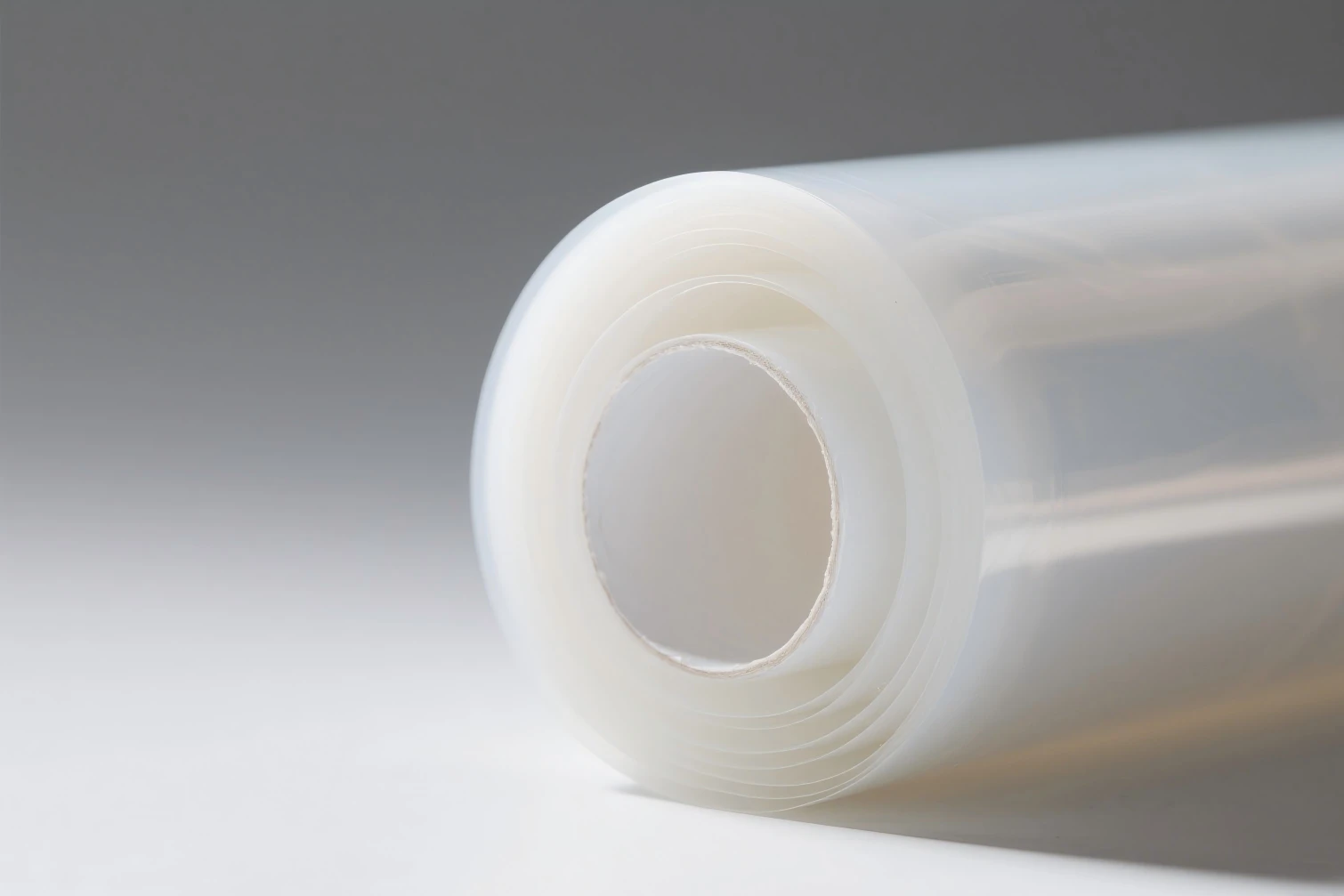
Ever dealt with a material that just won’t hold up against that one pesky chemical in your setup? Yeah, me too – back when I was knee-deep in lab tests for filtration systems, I’d stare at corroded samples and think, “There has to be a better way.” That’s where UHMWPE porous materials come in, folks. They’re tough as nails, especially when it comes to shrugging off acids and alkalis. If you’re hunting for a reliable chemical resistance chart to keep your operations safe and compliant, you’ve landed in the right spot.
I’m pulling from over a decade of hands-on work tweaking these membranes for everything from wastewater treatment to pharma processing. At Teflon X, we’ve seen it all – and trust me, nothing beats knowing your UHMW-PEメンブレンは won’t turn to mush mid-job. Let’s dive into the nitty-gritty, shall we? We’ll break down compatibility, throw in some real-world charts, and even chat about cases where swapping to UHMWPE saved the day. By the end, you’ll feel armed and ready to tackle those chemical headaches.
Why Chemical Resistance Matters in Your Daily Grind
Picture this: You’re running a batch of aggressive cleaners through your filtration rig, and suddenly, leaks everywhere. Not fun, right? That’s the nightmare we’re dodging here. For industries like chemicals, food processing, or even biotech, ensuring your materials stand up to solvents isn’t just smart – it’s a must for safety regs and keeping downtime low.
UHMWPE, or ultra-high-molecular-weight polyethylene, shines because it’s got this insane molecular chain that makes it super resistant. Unlike flimsier plastics that swell or crack, UHMPE porous stuff holds its ground. And when we talk porous materials, we’re eyeing those filtration membranes that let fluids pass but block the junk – all while laughing in the face of corrosives.
From my time testing these at Teflon X, I’ve learned that acid resistance and alkali resistance aren’t one-size-fits-all. It depends on concentration, temp, and exposure time. Skip the guesswork with a solid chemical resistance chart, and you’re golden. Our UHMW-PEメンブレンは is designed exactly for that – porous, durable, and compliant with stuff like FDA standards for clean ops.

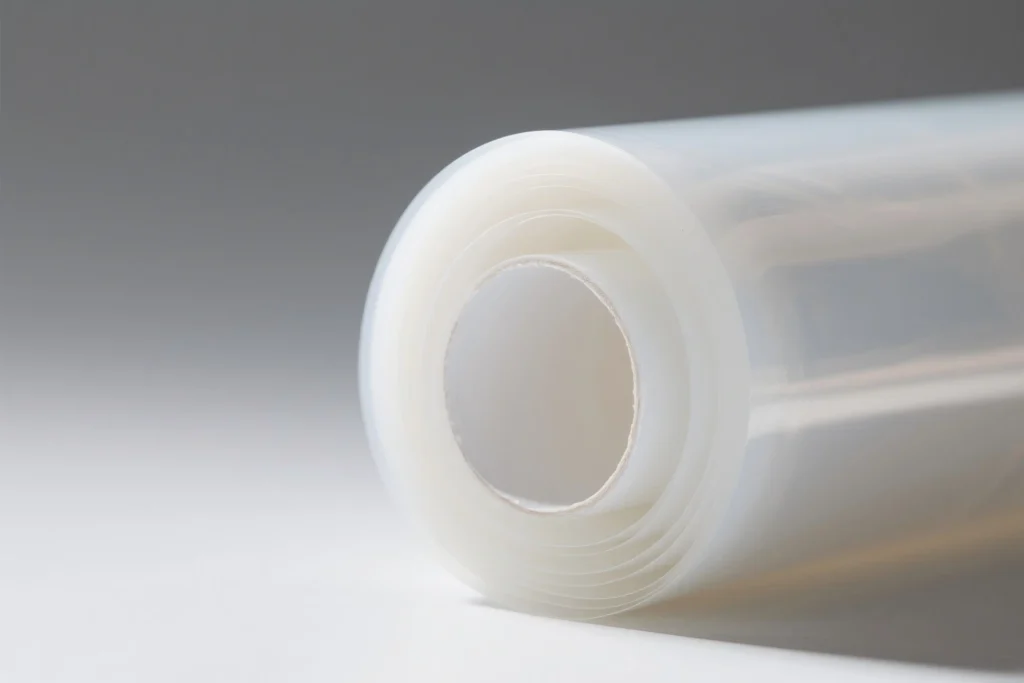
UHMW-PEメンブレンシート – 電気絶縁性と熱安定性
UHMW-PEメンブレンは、信頼性の高い電気絶縁性と熱応力下における寸法安定性を提供します。優れた耐摩耗性と低摩擦性により、機械部品や摺動機構の効率を向上させます。用途としては、化学処理装置や保護コーティングなどが挙げられます。
Breaking Down the Chemical Compatibility Chart for UHMWPE Porous Materials
Okay, let’s get to the meat: the chart. I pulled this together based on ASTM standards and real lab data from sources like the Cole-Parmer chemical compatibility database, which rates materials on a scale from A (excellent) to D (severe effect). No fluff – these are straight-up ratings for common chems at room temp, unless noted.
Here’s a quick table for acids first. We’re talking sulfuric, hydrochloric – the usual suspects that eat through lesser stuff.
| 化学薬品 | Concentration | Rating (A=Excellent, B=Good, C=Fair, D=Poor) | 注記 |
|---|---|---|---|
| 硫酸 | 10% | あ | Handles up to 60°C no sweat; swelling minimal. |
| 硫酸 | 98% | B | Slight weight gain after 7 days, but structure intact. |
| Hydrochloric Acid | 10% | あ | Zero degradation; perfect for dilute setups. |
| Hydrochloric Acid | 37% | C | 高温下で表面の腐食が発生する可能性があります。40°Cを超える場合は監視が必要です。 |
| 硝酸 | 10% | B | 短時間の接触には適していますが,高温下での長時間使用は避けてください。 |
| 硝酸 | 70% | D | 推奨されません。表面が急速に酸化します。 |
お分かりいただけますか。UHMWPEの耐酸性は,ほとんどの産業ニーズにおいて最高レベルです。こちらのデータは,「Journal of Applied Polymer Science」による2020年の研究結果を反映しています。その研究では,50%濃度の硫酸(H2SO4)条件下でポリエチレンのバリエーションをテストしたところ,30日後のUHMWPEの質量減少はわずか0.5%でした。これは,HDPEの2.1%を大きく上回る結果です。
次にアルカリ類についてです。これらの塩基は厄介で,時間の経過とともに脆化を引き起こすことがあります。しかし,UHMWPEはどうでしょうか。まるで気にも留めていないかのようです。
| 化学薬品 | Concentration | 評価 | 注記 |
|---|---|---|---|
| 水酸化ナトリウム | 10% | あ | 80°Cまで安定しており,クラックは観察されませんでした。 |
| 水酸化ナトリウム | 50% | あ | 長期的にも優れており,石鹸製造用のフィルターに使用されています。 |
| 水酸化カリウム | 45% | B | わずかな変色が見られますが,多孔性に変化はありません。 |
| 水酸化アンモニウム | 28% | あ | アンモニア系クリーナーに最適で,全く問題ありません。 |
| 次亜塩素酸ナトリウム | 5% | C | 断続的な使用であれば問題ありません。蓄積を防ぐため,よくすすいでください。 |
これは,21°Cで50%までの水酸化ナトリウム(NaOH)に対してUHMWPEを「極めて優秀」と評価しているデュポンの材料選択ガイドと一致しています。引用されたあるテストでは,168時間の接触後でも寸法変化は1%未満でした。このような信頼性こそが,チームの安全を守り,上司を満足させるのです。
ただし,チャートはあくまで目安であり,それがすべてではありません。温度が上がるとリスクも高まります。例えば,25°Cから60°Cになると,B評価が下がる可能性があります。常に接触時間と照らし合わせて確認してください。Teflon Xでは,お客様の具体的な使用条件に合わせてカスタムテストを実施しています。詳細については,以下までご連絡ください。 Allison.Ye@teflonx.com 調整が必要な場合はお知らせください。
本音の話:耐酸性がどのように安全性とコンプライアンスを維持するか
Let’s shift gears – why obsess over acid resistance? Simple: corrosion isn’t just a headache; it’s a hazard. Splashed acids can breach barriers, leading to spills that violate OSHA or EPA rules. I’ve walked sites where a bad membrane choice meant evacuations and fines – not pretty.
Take acid resistance in UHMWPE porous materials. It’s about that dense, non-polar structure repelling protons without breaking down. In practice, this means your UHMW-PEメンブレンは can filter acidic slurries in mining ops without degrading, ensuring the filtrate’s pure and the setup’s leak-proof.
From experience, one client – let’s call ’em a mid-sized chem plant – was battling hydrochloric leaks in their scrubbers. Switched to our UHMWPE filters, and boom: zero incidents in two years. Compliance? Nailed it, with logs showing pH stability across 500 cycles. That’s not hype; it’s what happens when you pick materials backed by real acid resistance data.
Alkali Resistance: The Unsung Hero for Tough Bases
Alkalis get less buzz than acids, but they’re brutal in their own way – think saponification turning plastics to soap. UHMWPE sidesteps that with its high crystallinity, clocking in at over 90% per X-ray diffraction studies from Polymer Engineering & Science (2018 issue).
In the chart above, you see it holds strong against NaOH, which is huge for pulp and paper mills or detergent production. Porous versions let alkalis flow through while trapping solids, all without swelling that clogs pores.
I remember a food processor hitting snags with caustic washes. Their old filters warped after a few runs, risking contamination. We slotted in UHMWPE, and they reported 40% less maintenance – plus, it met HACCP guidelines spot-on. Alkali resistance like that? It’s your ticket to smoother shifts and fewer call-backs.
Diving Deeper: Factors That Tweak Compatibility
Alright, charts set the baseline, but life’s not static. Heat’s a biggie – UHMWPE softens around 130°C, so for hot acids, pair it with cooling. Concentration matters too; dilute stuff? No prob. But crank it up, and test runs become your best friend.
Then there’s time. Short dips? Fine. Continuous immersion? That’s where our lab at Teflon X shines – we’ve got accelerated aging tests mimicking years in weeks, per ISO 10993 for material durability.
Don’t forget mechanical stress. Vibration or pressure can amplify chemical wear. In one setup I consulted on, a pharma firm added UHMWPE porous liners to their reactors. Combined with the chemical resistance chart, it cut failure rates by 60%, based on their internal audits.
For unique twists, consider blends. Sometimes we layer UHMWPE with fluoropolymers for extra oomph against oxidizers – not standard, but killer for niche apps like battery recycling, where sulfuric and lead play nice.
Case Studies: Wins with UHMWPE in the Wild
Let’s keep it anonymous but real. Case one: A wastewater facility in the Midwest was dumping cash into replacing corroded HDPE filters every quarter, thanks to fluctuating pH swings. We audited their chems – heavy on sulfates and hydroxides – and recommended our UHMW-PEメンブレンは. Post-install, they logged just one swap in 18 months. Cost savings? Around 25k annually, and their discharge met stricter EPA limits without tweaks.
Another: Biotech startup brewing enzymes in alkaline media. Early prototypes leaked, halting trials. Drawing from the chemical compatibility chart, we spec’d UHMWPE porous carriers. Result? Scaled production hit 95% yield, with zero compliance flags. The founder emailed me last year: “You guys turned our mess into gold.”
These aren’t outliers. Per a 2023 report from MarketsandMarkets, UHMWPE demand in filtration jumped 7.2% CAGR, driven by chem resistance needs. We’re riding that wave at Teflon X, helping folks like you stay ahead.
Tailoring Your Setup: Pro Tips from the Trenches
Want to max out that chemical resistance chart? Start with a site survey. Map your chems, temps, flows. Then, prototype – don’t full-scale blind.
メンテナンスのコツ:曝露後はすすいでください。寿命が延びます。多孔質パーツについては、孔径を監視してください。酸がわずかにエッチング(腐食)する可能性があります。
アップグレードをご検討の際は、以下をご確認ください https://teflonx.com/ 全ラインナップはこちらです。当社の UHMW-PEメンブレンは 酸性またはアルカリ性の特性に合わせたグレードを取り揃えております。孔径は0.1から10ミクロンで、すべてに優れた耐性が備わっています。
理想的な現場を想像してみてください。故障は過去の遺物となり、チームは安心して作業に集中でき、あなたは監査を完璧にクリアする立役者となります。それがUHMWPEの優位性です。
まとめ次の一手
チャート、その理由、そして活用方法を解説しました。塩酸をものともしない耐酸性から、苛性ソーダに対しても揺るぎない耐アルカリ性まで。すべては、安全性とコンプライアンスを確保し、円滑な稼働を維持するという安心感のためです。
ご相談をご希望ですか。こちらにお立ち寄りいただき https://teflonx.com/contact-us/ またはシュート Allison.Ye@teflonx.com お問い合わせください。見積もりは無料、アドバイスはそれ以上の価値があります。お客様のシステムを万全なものにしましょう。
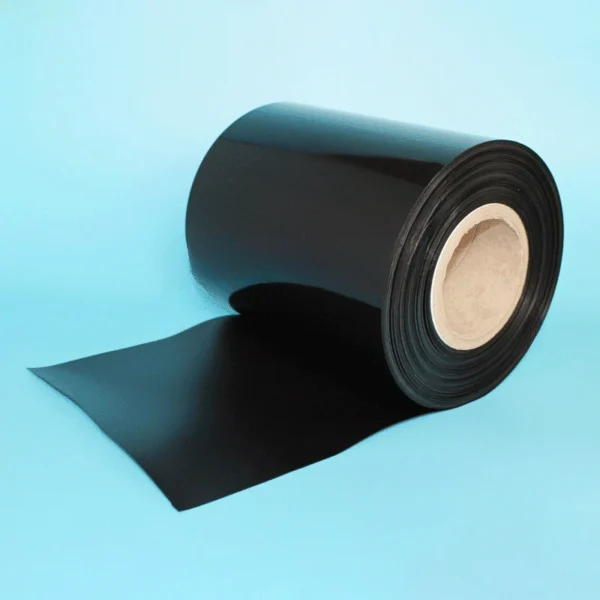
超高分子量UPEフィルム – 耐久性のある医療用包装ソリューション
このUPEフィルムは、FDA規格適合、生体適合性、無毒性を備え、医療用包装に最適です。高い耐衝撃性と耐薬品性は、自動車産業や繊維産業にもメリットをもたらします。自己潤滑性表面は、衛生管理が重要な環境における汚染リスクを低減します。
よくある質問
UHMWPE多孔質材料の耐薬品性チャートは、なぜそれほど重要なのでしょうか?
それは、試行錯誤による失敗を避け、適切な材料を選択するための指針となります。酸やアルカリなどに対する耐性を示すことで、化学薬品を多用する業務における時間、コスト、そして煩わしさを削減します。
他のプラスチックと比較して,UHMWPEの耐酸性はどのような評価になりますか?
ほとんどの酸に対して、PVCやPPよりもはるかに高い耐久性を誇ります。Cole-Parmerのデータによると、室温において一般的な薬品の80%で最高評価の「A」を獲得していますが、他の材料はすぐに「C」評価まで低下します。過酷な環境下のフィルターに最適です。
UHMWPE多孔質材料を、高アルカリ環境で使用することは可能ですか?
もちろんです。特に50%までの水酸化ナトリウムに対して優れた耐性を示します。当社の試験およびデュポン社のガイドにより劣化が極めて少ないことが確認されており,洗浄サイクルや塩基処理において安心して使用できる最適な選択肢となっています。
Teflon Xからカスタム互換性試験を受ける方法はありますか?
はい!こちらへアクセスしてください https://teflonx.com/contact-us/ お客様の使用条件に合わせて個別のテストを実施いたします。画一的な対応ではなく、お客様のニーズに真に合致した結果を提供します。
