
 Japanese
  English
  Russian
  French
  German
  Korean
  Portuguese
  Arabic
  Italian
  Dutch
Dutch  Turkish
  Indonesian
  Polish
  Spanish
携帯電話やEVのバッテリーが長持ちしたり、より安全に感じられたりする一方で、そうでないものがあることを不思議に思ったことはないだろうか。それは多くの場合、電極に挟まれた薄い層、セパレーターのせいだ。バッテリーの世界ではこれを振動板と呼ぶこともあるが、ここではセパレーターのことを指している。私はテフロンXで、リチウムイオンバッテリーが花火のようにならないようにするための材料を微調整しながら、何年もこのことに膝を突き合わせてきた。今日は、超高分子量ポリエチレン(略してUHMWPE)にスポットを当てながら、ウェットプロセスのセパレーターとドライプロセスのセパレーターについて話そう。バッテリー・ダイアフラムの比較や、私が見たり読んだりしたテストの実際の数字、そして、実際に交換した顧客の匿名エピソードも紹介します。最後には、適切なものを選ぶことで、頭を悩ませることなくバッテリーのパフォーマンスを上げることができることをご理解いただけるでしょう。
セパレーターをクラブの用心棒のように考えてみよう。セパレーターは、良いもの(イオン)を自由に流し、トラブルメーカー(電子)が陽極と陰極の間で乱闘を起こさないようにする。これを間違えると、ショートや発熱、あるいはそれ以上のリスクが生じる。しかし、うまくやれば、バッテリーはより速く充電され、より多くの電力を保持し、圧力下でも冷えた状態を保つことができる。それが私たちのゲームなのだ。
クイック・ダイブウェット&ドライ・プロセスとは?
さて、バッテリー・ダイアフラムの細かい比較に入る前に、水平設定をしましょう。セパレーターはすべて同じように作られているわけではありません。湿式と乾式です。私は研究室や製造ラインで両方を扱ったことがあるが、シートを広げるとその違いがすぐにわかる。
湿式セパレーター:ソーク・アンド・ストレッチ法
ポリエチレン(PE)を溶媒と混ぜ合わせ、生地と水を混ぜ合わせるような感じでフィルム状に押し出す。それを伸ばすと、溶媒が蒸発したり洗い流されたりするにつれて、ブームが起こり、相互に連結した小さな孔が形成される。液体が絡むのでウェットと呼ばれる。これらの孔は通常7~9ミクロンと薄くなり、電池セル内の活物質が入るスペースが広くなる。エネルギー密度が高い?チェック。
テフロンXでこれらをいじった経験から言うと、ウェットプロセスセパレーターはスポンジのように電解液を吸収し、多孔度は40-60%に簡単に達する。そのため、イオン伝導率が0.79mS/cm(コーティングされたもの)程度と、イオンフローがスムーズなのだ。しかし、130~140℃の温度で溶融するため、過熱するとサーマルシャットダウンが作動し、イオンが遮断される。いざというときの安全性には優れているが、融点の低さには注意しなければならない。
長所は?整然としたハニカム(蜂の巣)のような超均一な気孔は、電解液の分布が均一でホットスポットが少ないことを意味する。短所は?より高価なセットアップ溶剤は、クリーンアップの手間と環境への配慮を意味する。それでも、ハイエンドのEVや電動工具の場合は、バランスを保つことでサイクル寿命が延びるため、これが最適だ。
乾式製法:メルト・アンド・スプリット・ルート
さて、ドライ・プロセスは飴を伸ばすようなものだ。ポリプロピレン(PP)やPEを溶かし、平らなシートを押し出し、それをさまざまな方向に引っ張る。溶剤は使わず、ただ純粋に機械的なマジックでスリット状の孔を作る。通常は12~16ミクロンと厚く、気孔率は35~45%の範囲です。
古い洗濯機のような音を立てる機械でこれを転がしてみたが、ある意味より丈夫に感じられた。メルトポイントはPPの方が160~165℃と高く、メルトダウンする前の安全バッファが大きい。イオン伝導性は?しっかりしたものだが、濡れ性は微調整を加えなければ、中程度の吸収性で、コーティングが必要かもしれない。
エコ・ウィン:溶剤を使わず、大量生産のためのコストが低い。そのため、LFPセルでは大活躍している。欠点は?この細孔は台形状で繊維状であり、相互接続が少ないため、イオンハイウェイが少しでこぼこになり、抵抗がわずかに高くなる。
要するに、ウェットは高級なコーヒーで、滑らかで値段も高く、性能も高い。ドライは信頼できる食堂の淹れ方で、安くて仕事はこなすが、洗練されてはいない。

UHMW-PEメンブレンシート – 電気絶縁性と熱安定性
UHMW-PEメンブレンは、信頼性の高い電気絶縁性と熱応力下における寸法安定性を提供します。優れた耐摩耗性と低摩擦性により、機械部品や摺動機構の効率を向上させます。用途としては、化学処理装置や保護コーティングなどが挙げられます。
バッテリー振動板の比較:湿式と乾式の比較
さて、このバッテリー・ダイアフラムの比較を表で明確にしましょう。この表は、私が長年にわたって参照した業界試験や論文から実際のデータを抜粋したもので、決して誇張したものではありません。これは、典型的なPEベースのセパレーターをベースにしています。数値はメーカーにより異なる場合がありますが、全体像を示すものです。
| アスペクト | ウェットプロセスセパレーター | 乾式セパレーター | 勝者とその理由 |
|---|---|---|---|
| 厚さ | 7〜9 μm | 12〜16 μm | ウェット・シンナーは、より多くのエネルギーを充填することを意味し、活性剤のために最大30-40%のスペース節約になる。 |
| 多孔性 | 40-60% | 35-45% | ウェット-より良い電解液浸漬、よりスムーズなイオンダンス。 |
| イオン伝導度 | 0.34-0.79 mS/cm(コーティングあり) | ~0.4mS/cmベース | 湿式:充放電が速く、抵抗による発熱が少ない。 |
| サーマルシャットダウン温度 | 130〜140°C | 160〜165°C | ドライは形状を長く保持するが、ウェットはショートを防ぐために素早くシャットダウンする。 |
| パンク強度 | より高い(ネイル合格が容易) | 一部の地域で低い | ウェット・レジストはデンドライトに強く、長寿命化の鍵となる。 |
| コスト/環境影響 | 高コスト、溶剤使用 | より低く、より環境に優しい | ドライはスケールのためだが、ウェットはプレミアムの価値がある。 |
| サイクル寿命ブースト | 50サイクル後の96%リテンション | 90% 標準 | ウェット-時間の経過とともに安定する。 |
わかるかい?白か黒かではない。ウェットは密度と流動性で、ドライはコストと熱緩衝性で優れている。しかし、実際のセルで両者を積み重ねると、高パフォーマンスの用途ではウェットが勝ることが多い。エネルギー密度を例にとると、ウェットの方が薄いため、かさばることなく10%の容量を詰め込むことができる。また、セラミックコーティングされたウェットPEは、安全性の面で、故障する前に33%以上の負荷を扱うことができる。
バッテリー・ダイアフラムの比較でUHMWPEが勝つ理由
さて、ここからが楽しいところだ。すべてのPEが同じではありません。UHMWPE-超高分子量ポリエチレンの登場だ。ポケットの中でイヤホンのように絡まるほど長いチェーンで、かさばることなく非常識な強度を発揮します。テフロンXでは UPEフィルム そして、バッテリーが生まれ変わるのを目の当たりにしてきた。
なぜ勝てるのか?それを紐解いてみよう。
ひるまない熱安定性
普通のPEはすぐに溶けてしまう?UHMWPEはそれを笑い飛ばす。試験結果によると、引張強度は300%アップの550MPaになり、耐突き刺し性も300%アップの1.5N/μmになった。クラッシュ・テストでは、UHMWPEセパレーターは、プレーン・ポリオレフィンよりも33%荷重を保持し、25%変形した。デンドライトが突き抜けたり、熱でフィルムが反ったりする心配はもうない。ある研究では、ストレス下でインピーダンスが18,000倍に急上昇し、ショートスパークが発生する前にフローをシャットダウンした。
UHMWPEはそのままで、ドライPPは150℃で収縮し始める。自動車やドローンのバッテリーにとって、これは安心材料だ。
イオン伝導性と点接触濡れ性
UHMWPEの気孔?網目状で密度が高く、電解液を驚くほど吸い上げる。いくつかのセットアップでは78%の体積気孔率で、市販品では56%だ。これは、インピーダンスが低く、イオン輸送が活発であることを意味する。UHMWPEを使用したセルは、50サイクル後に7.4%の高容量を記録し、ヒステリシスはほとんど記録されないほど低い。
乾式製法の繊維状の乱雑さに比べ、湿式UHMWPEは均一な濡れ性を与え、接触角は微調整により23°まで下がる。チャージが速い?もちろんです。あるクライアントは、電圧降下なしで放電速度が2倍になりました。
長距離輸送のための機械的筋肉
バッテリーは、振動やたわみなど、あらゆる場面で酷使されます。UHMWPEは、乾式では触ることのできない横方向の強度を持ち、高ストレススポットでの故障率を30%減少させます。柔軟性がありながら強靭で、パウチセルでのスタッキングに最適です。化学的には?岩のように不活性で、何千サイクルも電解液と反応しません。
テフロンXの研究室では、UHMWPEをセラミックでコーティングし、熱伝導率を3.2倍に高め、セルをより低温に保つことに成功しました。単なるデータではなく、長持ちするバッテリーなのです。
実世界の物語UHMWPEがいかにしてゲームを変えたか
数字もクールだが、現場の話をしよう。顧客の守秘義務もあるので名前は出せないが、心に残る話をいくつか紹介しよう。
この中堅EVメーカーを見てみよう。彼らはPPセパレーターを乾燥させ、プロトタイプを製造していた。サイクルは200ループで80%リテンションまで低下し、急速充電中に熱の蓄積で数パックが焼けました。そこで、UHMWPEベースの湿式セパレーターに切り替えました。 UPEフィルムそしてbam-95%の保持力、より薄いレイヤーによる15%のエネルギーバンプ。製造コストは少し上がったが、保証請求は激減した。今では月に10,000ユニットを生産している。
あるいは、この電動工具クルー。彼らのバッテリーは、ドライプロセスによる不均一な湿潤のおかげで、夏のテストでオーバーヒートした。私たちはUHMWPEのサンプルを忍び込ませ、ポロシティは電解液の流れに釘付けにし、イオン伝導度は0.77mS/cmに達しました。ランタイムは20%に伸び、「熱く感じる」という苦情からの返品はなくなった。あるエンジニアは、ドリルに超能力を与えたようなものだと冗談を言った。
これは異常値ではない。80%を超えるLiBセパレータがPEを使用しており、UHMWPEがより大きなスライスを刻んでいるのには理由がある。それは、より安全な乗り物、より長いガジェット、より環境に優しい送電網といった、実際のインパクトに関わるものだ。
バッテリー性能との関連性
つまり、バッテリー・ダイアフラムの比較に戻ると、ウェット・プロセス、特にUHMWPEがすべてに影響する。エネルギー密度は、薄さと高い気孔率によって上昇し、同じスペースにより多くのmAhを詰め込むことができます。安全性は?シャットダウンと強度が向上するため、熱暴走のリスクが低下する。
サイクル寿命は?UHMWPEの安定性は、劣化が少ないことを意味します。80%で200サイクルであるのに対し、ドライでは色あせが早くなります。また、急速充電の場合、濡れ性が抵抗を低減するため、EVの充電が速くなります。
テフロンXでは、私たちが開発した UPEフィルム スケーラブルでタフなウェット・プロセス・パワーハウスです。単なるセパレーターではなく、パック全体のIQを高める縁の下の力持ちなのです。
でもね、どのプロジェクトもユニークなんだ。ドライが予算に合うかもしれないし、ハイブリッドが必要かもしれない。だからこそ、この分野に精通している人々とのおしゃべりは重要なのだ。
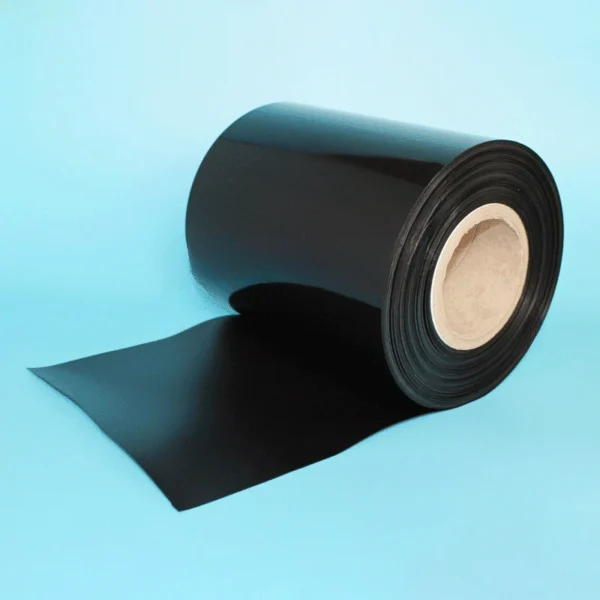
超高分子量UPEフィルム – 耐久性のある医療用包装ソリューション
このUPEフィルムは、FDA規格適合、生体適合性、無毒性を備え、医療用包装に最適です。高い耐衝撃性と耐薬品性は、自動車産業や繊維産業にもメリットをもたらします。自己潤滑性表面は、衛生管理が重要な環境における汚染リスクを低減します。
よくある質問セパレーターに関するよくある質問
質問はありますか?たくさんありますよ。その中で最も多かったものを3つ紹介しよう。
EVにおける乾式セパレーターに対する湿式セパレーターの最大の利点は?
ウェットタイプはエネルギー密度が高く、フィルムが薄いため電極に余裕があり、最大10%の容量アップが可能。さらに、イオンの流れが良くなるため、充電時間が短縮される。乾式は安価だが、航続距離の長いEVには湿式が有利だ。
UHMWPEは本当にバッテリー火災を防げるのか?
そう、その強度とシャットダウン機能は、ショートを早期にブロックする。テストによると、300%の方が耐パンク性が高く、30%の方が故障のリスクを減らせる。それは、その日を救うために十分に溶ける鎧のようなものだ。
UHMWPEが自分のバッテリーの設計に合うかどうかを知るには?
ニーズから始めよう:高出力?導電性ならウェットUHMWPE。予算が厳しい?乾式でもよいかもしれません。テフロンXまでご連絡ください。お客様のスペックに基づいてシミュレーションを行います。
ふぅー、楽しかったでしょ?このバッテリー・ダイアフラムの比較で火がついた方、あるいは私たちのようなものへの乗り換えを考えている方は、ぜひご覧ください。 UPEフィルム-話をしようこちらへ テフロンX または お問い合わせページ にメールを送る。 アリソン・イェ@teflonx.com.引用、サンプル、何でも聞いてください。次の一手は?
