
 Japanese
  English
  Russian
  French
  German
  Korean
  Portuguese
  Arabic
  Italian
  Dutch
Dutch  Turkish
  Indonesian
  Polish
  Spanish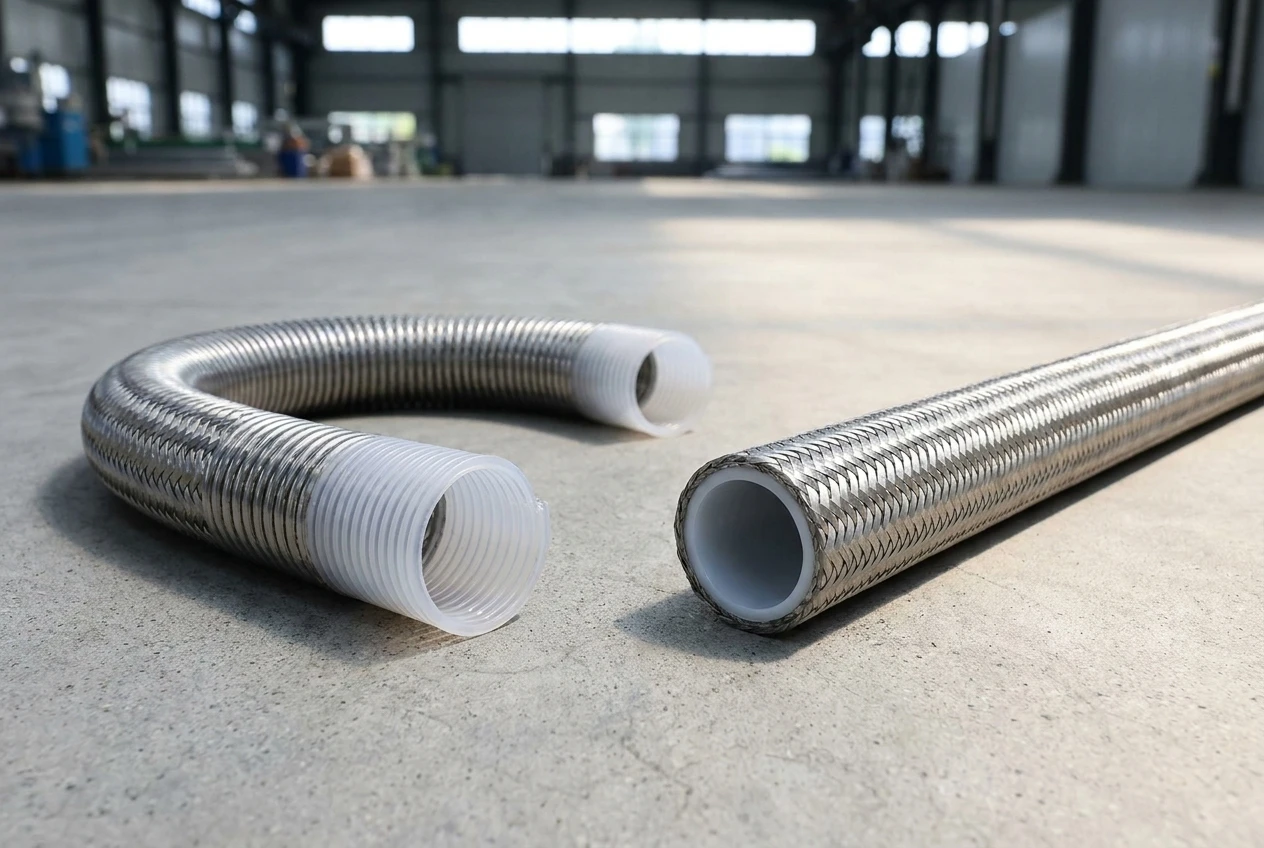
「いいですか、私はこの業界に長く身を置いているので、午前2時に化学薬品ラインが故障したとメンテナンス担当者から電話がかかってきた際、最初の質問が「何の薬品か?」であることはまずないということを知っています。たいていの場合、それは「この忌々しいホースをどれほどきつく曲げる必要があるのか?」という問いなのです。」
「その唯一の問いこそが、」 「ストレート(スムーズボア)対波状(コーリゲート)PTFEホースという」 「議論がいつまでも続く理由です。どちらのホースもPTFEという同じ奇跡的な素材で作られていますが、工場、油槽所、バッチプラントといった現実の世界では、全く異なる挙動を示します。」
「これまで数十ものMRO(保守・修理・点検)チームが最適なものを選択するのを手助けし、時には間違った選択をするのも見てきた経験から、すべてを明らかにすべき時が来たと判断しました。企業的な建前抜きに、製品の流通と人々の安全を維持するために真に重要なことだけをお伝えします。」
「具体的に何を比較しているのか?」
「ストレートPTFEホースとは、」 「その名の通り、内部が完全に真っ直ぐで滑らかなものです。段差のない高速道路を想像してください。流体は最小限の乱流で滑るように流れます。」
「波状(コーリゲート)PTFEホースには、」 「特徴的なリング状の凹凸があります。掃除機のホースとフレンチホルンを掛け合わせたような見た目です。その波状の形状が、ホースに超人的な能力と…同時に弱点をもたらします。」
「どちらも通常、耐圧性のために外側がステンレス鋼の編組で覆われていますが、重要なのは、」 内部 「内部で何が起きているかであり、それが移送がスムーズに進むか、メンテナンス上の悩みの種になるかを決定します。」
「究極のトレードオフ:流量 vs 柔軟性」
「ほとんどの設計仕様書が語らない事実があります。最大流量と、」 そして 「最大限の柔軟性を、同じホースで両立させることはできないということです。」
「現場でテストした実際の1インチホースに基づき、以下の比較表を作成しました。」
| 要素 | スムースボアPTFEホース | 波状PTFEホース | 「化学薬品移送の勝者は?」 |
|---|---|---|---|
| 流量 | 「極めて良好(基準 100%)」 | 「乱流により15〜25%低下」 | スムーズボア |
| 最小曲げ半径 | 「ホース径の6〜8倍」 | ホース径の1.5〜2倍 | 波形(圧倒的な差) |
| 圧力定格 | 通常は高い | わずかに低い | スムーズボア |
| 乱流/洗浄性 | 非常に低い | より高い | スムーズボア |
| キンク耐性 | 貧しい | 素晴らしい | 波形 |
| 重さ | より軽量 | わずかに重い | スムーズボア |
| 価格 | より低い | 20〜35%高価 | スムーズボア |
これらは理論上の数値ではありません。ホースの種類を切り替える前後に流量を測定した、実際の設置現場から得られたものです。
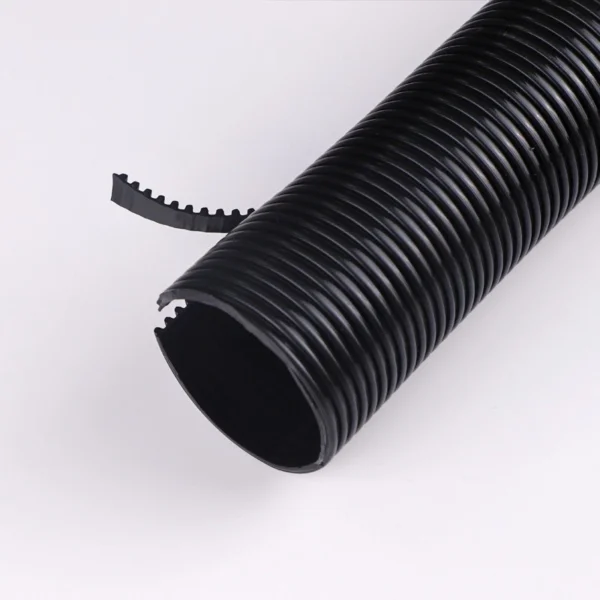
食品加工用フレキシブルPTFE内外フラットコルゲートチューブ
当社のフレキシブルPTFEインナーフラットアウターコルゲートチューブは、洗浄しやすい滑らかな内層と、食品加工ラインにおける柔軟性を高める波形外層を備えています。この内径平滑、外径波形PTFEチューブは、FDA規格に準拠した、食品および飲料の無毒な輸送を保証します。
粘性物質の搬送に最適な PTFE ベローズ チューブ バリアントは、風味の混入を防ぎ、頻繁な洗浄にも耐えます。
この内部フラット外部波形波形パイプをセットアップに組み込んでください。その PTFE 内部フラット外部波形チューブ構造により、衛生と耐久性が保証されます。
流量が最優先される場合
高価な溶剤を移送する場合や、反応器を90分ではなく45分で空にする必要があるなら、 スムーズボア が通常は明らかに有利です。
あるバルク化学ターミナルが、鉄道車両の荷下ろし作業の遅れにより大きな損失を出していたことを覚えています。彼らは「昔から使っているから」という理由で2インチの波形ホースを使用していました。我々はそれらを同じフィッティングのスムーズボアPTFEホースに交換したところ、即座に荷下ろし速度が22%向上しました。工場長にステーキをご馳走になりました。実話です。
ここでの物理学は単純明快です。ボアが滑らかであればあるほど、乱流は少なくなります。乱流が少なければ、圧力損失も少なくなります。ハーゲン・ポアズイユが流量は半径の4乗に比例すると説いたのは、決して誇張ではありません。実効的な乱流がわずかに増加するだけで、流量は激減します。
柔軟性が鍵となる場合
しかし、ここからが興味深い点です。
約18ヶ月前,ある特殊塗料メーカーからパニック状態で電話がありました。彼らの新しいバッチ反応器は,明らかに人生で一度もメンテナンスを経験したことがないエンジニアによって設計されていました。ホースの接続箇所は,狭い隙間,奇妙な角度,そしてミスの許されない,まさに悪夢のような場所にありました。
平滑ボアホースを使用する場合,さらに3つのエルボと2つの接続箇所が必要でした。接続箇所が増えるということは,漏洩リスクが高まることを意味します。腐食性の強い溶剤を移送する際,漏洩リスクの増加は頭痛の種が増えることを意味します。
私たちは当社の PTFEコルゲートホース を代わりに設置しました。その差は歴然でした。ルーブ・ゴールドバーグ・マシンのような複雑な仕掛けの代わりに,1本のホースで済みました。オペレーターは毎バッチの接続作業に苦労していましたが,今では90秒以内に完了しています。
それが,現場における PTFEホースの選定 の実態であり,スプレッドシートでは把握できない部分です。
化学品移送の現実チェック
PTFE自体は素晴らしい素材です。ステンレス鋼を数日で腐食させるようなほとんどの化学薬品に対しても,全く問題ありません。しかし,ホースの設計は流量や柔軟性以上の影響を及ぼします。
化学品移送における平滑ボアの利点:
- 洗浄性の向上(製品の切り替え時に極めて重要)
- 液溜まりのリスクを低減
- 流量特性の予測が容易
- 一般的に高純度用途に適している
化学品移送における波状(コルゲート)ボアの利点:
- 振動や動きによる継手への負荷を劇的に軽減
- 密集した装置スキッド内での配管が非常に容易
- ホースが手荒に扱われても(実際そうなるものです),よじれ(キンク)に強い
- 多くの場合,追加の継手を不要にできる
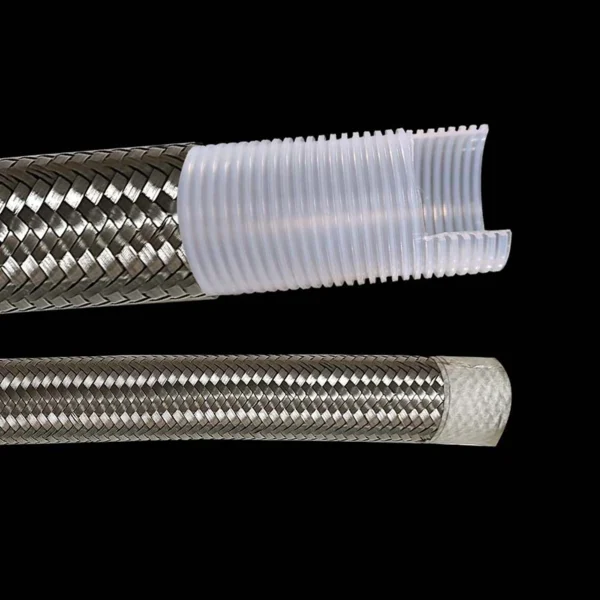
PTFEベローズチューブ:内側はフラット、外側は波形、医薬品用途
内側が平らで外側が波形のPTFEベローズチューブは、医薬品用途において衛生的で汚染のない性能を実現します。この内径平滑、外径波形PTFEチューブは、強力な消毒剤への耐性を持ちながら、スムーズな製品移送を可能にします。
無菌環境に適した内部フラット外部波形波形パイプは、医薬品製造プロセスにおける純度を維持し、強度を損なうことなく柔軟性を提供します。
効率を高めるには、この PTFE インナー フラット アウター コルゲート チューブを選択してください。PTFE インナー フラット アウター コルゲート パイプに似たベローズのような構造により、厳格な業界標準への準拠が保証されます。
最適なPTFEホースの選択
問い合わせてくるすべてのメンテナンス責任者に伝えている,誇張なしの意思決定の枠組みがこちらです:
平滑ボアを選択すべき場合:
- 移送時間が生産率に直接影響する場合
- 厳密な温度管理が必要な場合(乱流が少ない=より安定した熱伝達)
- バッチ間の洗浄性が譲れない条件である場合
- 障害物が少なく、比較的直線的な配管である場合
波状(コルゲート)ボアを選択すべき場合:
- ホースを狭い場所や複雑な経路に通す必要がある場合
- 装置が大きく動いたり、振動したりする場合
- 折れ曲がった平滑ホースの交換にうんざりしている場合
- 接続箇所の数を減らしたい場合
そして、正しい答えが「両方」であることもあります。同じ工場内でも、用途が異なれば異なる解決策が必要になることがよくあります。あるお客様は、メインの移送ラインには平滑ボアを使用し、各ラインの末端にある柔軟なドロップ部には波状ボアを使用しています。これは賢明な選択です。
「専門家」が陥る間違い
少し議論を呼ぶような話をしてもよろしいでしょうか。
多くの企業の購買担当者は、これら二つの選択肢を比較した際、初期費用が安く、書類上の流量数値が優れているという理由で、すぐに平滑ボアをデフォルトに選んでしまいます。しかし半年後、彼らは折れ曲がったホースの交換に追われ、硬いホースを機能させるために必要だった追加のフィッティング部分からの漏れに対処することになります。
総所有コスト(TCO)を考慮すると、「プレミアム」な波状ボアの選択肢の方が実際には安く済むこともあります。
適切な製品に対して初期費用を少し多くかけることで、数千ドルのコスト削減に成功した工場を テフロンX 不適切な平滑ホースと何年も格闘する代わりに、波状ホースを採用した事例で見てきました。
実際に役立つメンテナンスのヒント
どちらを選んでも、適切な手入れは不可欠です:
平滑ボアの場合:外部の摩耗に注意し、取り付け時は慎重に行ってください。一度折れ曲がってしまうと、基本的には修復不可能です。
波状ホースの場合:適切に洗浄されないと,波形部分に物質が溜まる可能性があります。特定の製品間では,専用の洗浄手順を推奨します。
どちらのタイプも,適切な長さを選択することで大きなメリットが得られます。短すぎるとホースを損傷し,長すぎると跳ね上がりの危険が生じます。
結論
普遍的に「最良」とされる選択肢は, 「ストレート(スムーズボア)対波状(コーリゲート)PTFEホースという」 議論の中には存在しません。あるのは, 特定の用途にとって最適な選択肢だけです。.
私が携わるほとんどの工場では,トレードオフを理解した上で,最終的に両方のタイプを異なる目的で使い分けています。一方のタイプだけに固執する工場は,通常,不必要な苦労を強いられています。
化学物質の移送ニーズにどのPTFEホースが最適か推測することに疲れたなら,ぜひご相談ください。私たちのチームは,北米全土の工場でまさにこれらの問題を解決してきました。
扱いにくいホースとの格闘はやめましょう。
→ こちらからお問い合わせいただくか または以下のメールアドレスまでご連絡ください Allison.Ye@teflonx.com。用途の詳細を教えていただければ,どちらの選択をすべきか率直にアドバイスいたします。
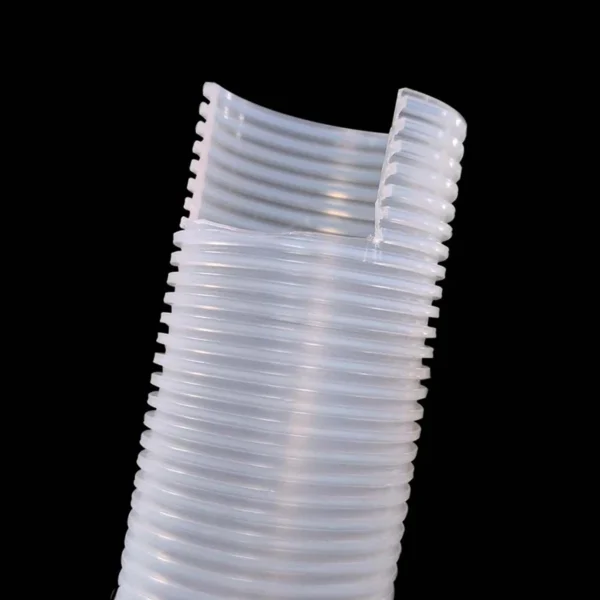
工業用流体処理用平滑内径コルゲートPTFEチューブ
スムーズボアコルゲートPTFEチューブは、効率的な流体の流れを実現するフラットな内面と、工業用流体ハンドリングにおける柔軟性を高める外面のコルゲート層を備えています。このPTFE内外コルゲートチューブは、比類のない耐薬品性と熱安定性を備え、信頼性の高いパフォーマンスを実現する最適な選択肢です。
石油化学処理などの用途では、内部フラット外部ウェーブ波形ホースにより乱流と堆積が最小限に抑えられ、クリーンな操作が保証されます。
PTFE 構造を採用したこのインナー スムース ボア アウター コルゲート PTFE チューブのバリエーションは、長寿命と複雑なシステムへの設置の容易さで際立っています。
よくある質問
質問:コルゲートPTFEホースは、本当にそれほど流量を減少させるのでしょうか?
A:はい。通常,波形設計や流体の粘度により15から25%となります。しかし,コルゲートホースの使用によりエルボを排除し,全体的に直線的な経路を確保できれば,最終的には より優れた システム総流量を,複雑な経路のスムースボア設置よりも確保できる場合があります。
Q:コルゲートホースを食品グレードや高純度の用途に使用できますか?
A:もちろんです。適切な認証を取得しているホースを選択していれば問題ありません。蛇腹構造があるからといって,それだけで不適格となるわけではありませんが,洗浄バリデーションがより重要になります。
Q:スムースボアに対して曲げ半径が小さすぎないかどうかを、どのように確認すればよいですか?
回答:無理に所定の位置に押し込んだり、曲げ部分に潰れが生じたりしている場合は、曲げが急すぎます。通常、そのような状況ではコルゲートホースへの変更を推奨しています。動的な用途で使用するスムースボアホースの場合、ホース内径の6倍以上の曲げ半径を確保するのが一般的な目安です。
Q:両者の寿命にはどのような違いがありますか。
A:同一の用途においては、スムーズボアの方が屈曲疲労が少ないため、通常は寿命が長くなります。しかし、スムーズボアにキンクや過度な負荷が生じる用途では、コルゲートの方が容易にそれを上回る耐久性を示します。
