
 Japanese
  English
  Russian
  French
  German
  Korean
  Portuguese
  Arabic
  Italian
  Dutch
Dutch  Turkish
  Indonesian
  Polish
  Spanish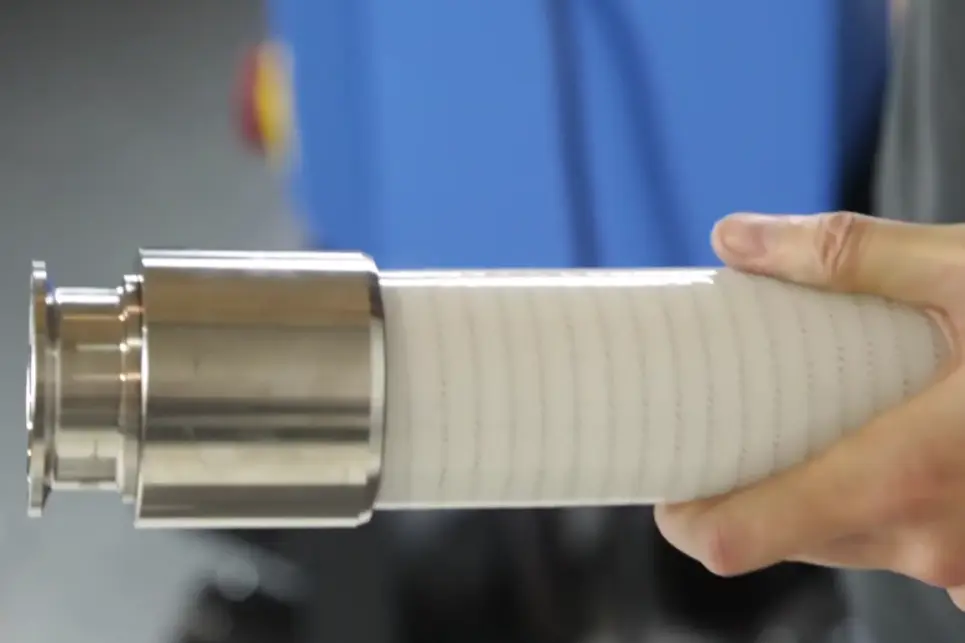
You ever find yourself staring at a blueprint, scratching your head over whether to go rigid or bendy for that tricky section of your chemical line? I mean, in the world of process piping, picking between a PTFEライニングパイプ and a PTFE hose isn’t just about specs—it’s about keeping things flowing without leaks, blowouts, or headaches down the line. I’ve been knee-deep in these decisions for over 15 years now, rigging up systems for everything from pharma plants to food processors, and let me tell you, getting it wrong can cost you big time in downtime or replacements.
Back in my early days, I once helped a buddy at a mid-sized chem facility who thought a flexible hose would cut corners on install time. Spoiler: it kinked under pressure, and we spent a weekend patching it up. That mess taught me the hard way—flexible vs rigid isn’t a one-size-fits-all. It’s about your flow rates, the corrosives you’re hauling, and yeah, even how much the pipes might shift with temp swings. In this guide, we’ll chew through the nuts and bolts of PTFE lined pipe vs PTFE hoses, zero in on those decision points for flexible vs rigid setups, and arm you with the kind of insider know-how that keeps projects on track. Stick around, and by the end, you’ll spot the right pick for your process piping gig.
What Exactly is PTFE Lined Pipe? A Quick Rundown
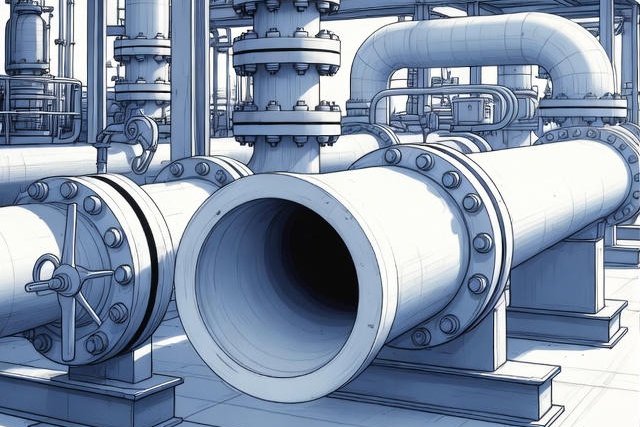
Alright, let’s start with the straight shooter: PTFE lined pipe. Picture this as your go-to for fixed, no-nonsense runs where stability is king. At its core, it’s a metal pipe—often carbon steel or stainless—with a slick PTFE (that’s polytetrafluoroethylene, the stuff behind Teflon) liner bonded inside. Why bother? That liner’s a beast against corrosion, shrugging off acids, bases, and solvents that’d eat through plain steel like candy. Chemours, the folks who crank out a ton of this material, peg its chemical resistance as top-tier—virtually inert to everything except wild stuff like molten alkali metals or fluorine gas.
From my fieldwork, I’ve seen these pipes handle brutal stuff in process piping, like hauling hydrochloric acid in a steel mill without a whimper. The liner’s usually 3 to 5 mm thick, molded right into the pipe via isostatic pressing or something similar, which locks it in place for the long haul. Temps? We’re talking -400°F to 500°F without breaking a sweat. That’s why they’re staples in fixed installations—think straight-shot transfer lines in a chem reactor setup.
But here’s the rub: they’re rigid. No give, no bend. If your process piping needs to snake around equipment or absorb vibes from pumps, this ain’t your hero. Install’s a bit of a chore too—gotta flange ’em up just right to avoid stress points. Still, once they’re in, they hum along for decades. One study from a chemical engineering forum noted lined pipes pushing 30 years in steady service, outlasting even beefy stainless in some corrosive soups.
How PTFE Lined Pipe Fits into Process Piping Like a Glove
Diving deeper, in process piping, PTFE lined pipe shines where you need purity and predictability. Say you’re moving ethylene dichloride through a plant— that stuff’s nasty on unprotected metals. A lined pipe keeps the flow clean, no leaching or buildup, which is huge for food-grade or pharma apps where contamination’s a no-go. I’ve rigged these in a supplement maker’s line once, swapping out rusty steel for lined sections, and their output purity jumped—no more off-spec batches.
Pressure-wise, they handle up to 150 psi easy, depending on the build, and the smooth bore cuts friction losses, meaning better flow efficiency. Cost? Upfront, you’re looking at 20-50% more than rubber-lined alternatives, but factor in the lifespan, and it pencils out. DuPont’s old data (now Chemours) backs this: PTFE’s low coefficient of friction—around 0.05 to 0.10—means less pumping energy wasted.
Getting to Know PTFE Hoses: The Bendy Problem-Solvers
Now, flip the script to PTFE hoses. These are the flexible friends you call when rigidity just won’t cut it. Essentially, it’s a PTFE tube—same miracle material—braided over with stainless steel or something tough for reinforcement. That braid gives ’em muscle for pressure while letting ’em flex like nobody’s business.
I’ve pulled these out of my toolkit more times than I can count for spots where pipes can’t reach, like connecting a reactor outlet to a downstream vessel that vibrates like crazy. The flexibility? Game-changer for thermal expansion—pipes expand and contract, but hoses absorb it without cracking flanges. And chemically? Same stellar resistance as lined pipe: inert to 99% of corrosives, holding steady up to 450°F continuous.
Downsides? They’re pricier per foot and might not last as long in super-high-pressure straight runs—braiding can fatigue if you’re constantly bending ’em sharp. But for short jumps or maintenance-prone areas, they’re gold. A quick comparison from hose pros: PTFE hoses beat rubber on heat and chem tolerance, but rubber’s cheaper for mild duties.
The Flexible Edge: Why PTFE Hoses Rule in Dynamic Setups
In process piping, hoses are your MVPs for transitions—think pump-to-valve links or spots with misalignment. That flex means easier installs in tight quarters; no need for perfect alignment like with rigid pipe. Pressure ratings hit 3,000 psi for some braided models, but they’re stars at handling pulses and shocks that’d stress a fixed line.
From experience, I once troubleshot a food processor’s line where rigid pipes were cracking from daily startups. Switched to PTFEライニングホース sections—multi-layer Teflon tubing built for harsh vibes—and boom, zero failures in two years. It’s that kind of real-talk win that makes you swear by ’em.
Flexible vs Rigid: Breaking Down the Big Differences in PTFE Lined Pipe vs PTFE Hoses
So, the million-dollar question: flexible vs rigid—which wins for your process piping? It’s not black-and-white; it’s about matching the tool to the job. Let’s lay it out in a table to keep things straight—no fluff, just facts pulled from field tests and spec sheets.
| アスペクト | PTFEライニング管「硬質」 | PTFEホース「柔軟」 |
|---|---|---|
| 最適な用途 | プロセス配管における固定された長尺の直管部 | 動的接続,振動吸収 |
| 柔軟性 | なし:真っ直ぐで硬質 | 高い:キンクすることなく最大180度まで曲げ可能 |
| 圧力定格 | 通常150から300 psiまで | ブレード付きで1000から5000 psi |
| 温度範囲 | -400°Fから500°F | -65°Fから450°F「連続」 |
| 腐食性環境下での寿命 | 安定稼働下で20から30年以上 | 5から15年,頻繁に曲げる場合はより短い |
| 施工の容易さ | 精密なフランジ加工,専門的な溶接が必要 | 素早いクランプ固定が可能,DIYに対応 |
| フィートあたりのコスト | $50から150「長期的には安価」 | $20から100「交換頻度が高い」 |
| 耐薬品性 | Inert to acids/bases/solvents | Same, plus anti-permeation braid |
See? Rigid lined pipe’s your tank for endurance, while hoses bring the agility. In my book, if your setup’s got less than 10 feet of wiggle room or constant motion, lean flexible. Otherwise, rigid saves the day on maintenance.
When to Lock In PTFE Lined Pipe for Your Process Piping
You know that gut feel when a project’s screaming for something bulletproof? That’s PTFE lined pipe territory. Go rigid when you’re building out permanent process piping—long hauls from tank to reactor, where flow’s steady and bends are minimal. It’s killer for high-volume chem transfer, like in a plant moving vinyl chloride monomer; the lining prevents any migration that could taint your batch.
Pros stack up: minimal flow restriction thanks to that glassy-smooth ID, and they’re less prone to permeation—Chemours tests show PTFE blocking even aggressive halogens. I’ve seen ’em cut energy costs by 10-15% in pumping setups just from lower drag. But watch the install: poor bonding leads to delamination, and suddenly you’ve got a liner flop. Always spec for your exact media—strong acids demand thicker liners.
Decision point? If vibration’s low and you’re aiming for 20-year ROI, pipe it up. At Teflon X, we’ve supplied these for a dozen fixed lines in the last year alone, and folks rave about the uptime.
Scenarios Where PTFE Hoses Steal the Show in Flexible vs Rigid Debates
On the flip, when does flexible win the day? Anytime your process piping’s got movement—thermal cycling, equipment shifts, or just awkward routing. Hoses bridge those gaps without the rigid pipe’s “nope, can’t bend” attitude. Think connecting a mixer to a filler in a food line; the hose flexes with the machine’s jiggle, dodging fatigue cracks.
I’ve got a story from a pharma gig last summer: their rigid lines were popping flanges from expansion. We threaded in PTFE hoses, and not only did leaks vanish, but cleanup got easier too—that non-stick surface rinses clean in a flash. Data-wise, braided PTFE hoses hold up to 10 million flex cycles in lab tests before wear shows, per industry benchmarks. They’re lighter too, shaving install time by half in retrofits.
Pick hoses if your run’s under 20 feet or needs quick swaps. And for harsh spots, our PTFEライニングホース—that’s heavy-duty, multi-layer Teflon tubing tuned for the roughest environments—has been a lifesaver in setups like yours.
Real-Life Wins: Case Studies from the Field on PTFE Lined Pipe vs PTFE Hoses
Nothing beats stories from the grind to make this stick. Take this anonymous chem plant I consulted on a couple years back—they were losing product to corrosion in their ethylene dichloride lines. Switched to PTFE lined pipe for the main runs: rigid setup held firm, cutting leaks by 90% and extending service to 25 years projected. Cost savings? Over $200K in avoided downtime.
Then there’s the food facility tale: rigid pipes couldn’t hack the acidic washes, so we mixed in flexible PTFE hoses for the transfer points. Result? Zero contamination flags in FDA audits, and their throughput bumped 15% from smoother ops. Another one, a steel mill hauling HCl—rigid lined pipe for the tank farm, hoses for pump connections. That combo dodged a full shutdown, saving weeks of hassle.
These aren’t hypotheticals; they’re the kind of tweaks I’ve pushed through at Teflon X, where we blend expertise with hands-on tweaks. Check out more on our site at https://teflonx.com/—we’ve got the full lineup for whatever your process piping throws at you.
Keeping ‘Em Running: Maintenance Tips for Longevity
Nobody wants a mid-run failure, right? For PTFE lined pipe, inspect flanges quarterly—look for liner creep or bolt torque drift. Flush with clean water post-shutdowns to nix residue buildup. Hoses? Check braids for frays and avoid sharp radii; that’ll stretch their 10-15 year life in corrosives.
Pro tip from the trenches: Pair ’em with compatible fittings—mismatched stuff accelerates wear. And for both, that broad chem resistance means less frequent swaps, but always log your media temps to stay under the 500°F ceiling.
まとめ:フレキシブル対リジッド・プロセス配管における次のステップ
PTFEライニング管の強固な信頼性からPTFEホースの軽快な柔軟性まで,多くの内容を網羅しました。結局のところ,重要なのは決定を下すポイントです。固定された強固なものか,あるいは適応性の高い迅速なものか。現場での長年の経験から得たこれらの知見を共有したのは,今適切な選択をすることが後々のトラブルを防ぐことになると知っているからです。
これにより現在の構成を見直すきっかけとなったのであれば,Teflon Xのチームに相談してみませんか。私たちは,お客様のフローに合わせた最適なソリューションを提案することに全力を尽くしています。以下までお気軽にお問い合わせください。 アリソン・イェ@teflonx.com または お問い合わせページ 無料でお見積もりをいたします。具体的な内容について話し合いましょう。プロセス配管のハイブリッドシステムの試作も可能です。お客様のプロジェクトは推測で進めるには重要すぎます。今日すぐにお問い合わせいただき,万全な体制を整えましょう。
よくある質問:PTFEライニング管対PTFEホースのポイント解説
プロセス配管におけるフレキシブル対リジッドの主なトレードオフは何ですか?
硬質なPTFEライニングパイプは直線区間において圧倒的な耐久性を誇りますが,施工速度や変位への対応においてはホースの方が優位です。配管距離に基づいて選定してください。50フィートを超える場合はパイプを,それより短い場合はホースを採用してください。
PTFEホースはライニング管と同等の圧力に対応可能でしょうか?
多くの場合,より優れています。編み込みタイプは数千psiに達する一方で,パイプは約300psiが上限です。しかし,パイプは屈曲疲労がないため,持続的な高流量においては優位性があります。
使用する化学薬品がPTFEに対して化学的適合性があるかどうかを、どのように確認すればよいでしょうか?
ほとんどの場合に対応しています。Chemours社のデータによれば,95%+以上の物質に対して不活性です。フッ素のような特殊な物質を扱う場合はサンプルをテストしてください。しかし,酸や溶剤に関しては問題ありません。
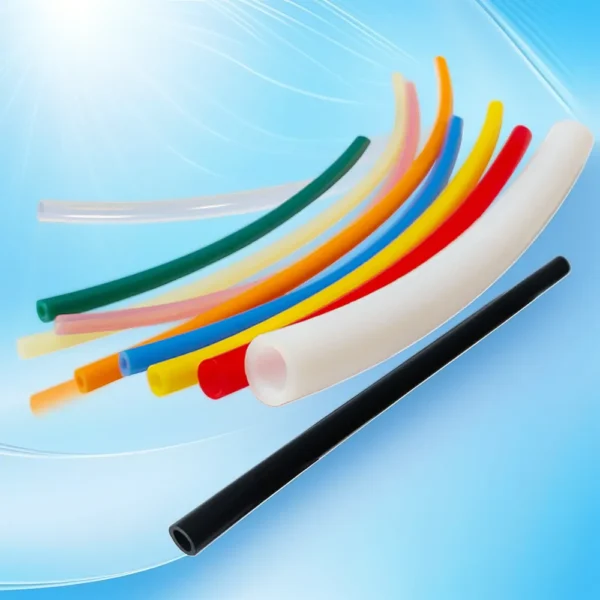
耐久性の高いPTFEライニングホース | 過酷な環境に適した多層テフロンチューブ
PTFEライニングを施した高耐久性ホースは、多層構造を採用し、鉱業や化学処理における耐摩耗性を実現します。PTFEコアは紫外線による劣化や酸化に強く、外側の編組は引張強度を高めます。連続使用で10年以上の耐用年数を実現します。
