
 Japanese
  English
  Russian
  French
  German
  Korean
  Portuguese
  Arabic
  Italian
  Dutch
Dutch  Turkish
  Indonesian
  Polish
  Spanish
新エネルギーの研究開発、特にPEM(固体高分子形燃料電池)の研究開発に携わっている方なら、その苦しみをご存知だろう。美しいスタックを作り、CADモデル上ではすべてが完璧に見える。
圧力降下。
水素が漏れている。もう一度。
宇宙で最も小さな分子だ。それは外に出たがる。標準的なゴムエラストマーや安価なシーリングソリューションを使用している場合、水素ガスは外に出てしまう。私は、エンジニアリング・チームが水素ガスの「密封性」を過小評価したために、プロジェクトが何カ月も遅れたのを見たことがある。
今日は、その理由を説明しよう。 水素燃料電池用PTFEガスケット は、長期的な耐久性という点では、ほとんど唯一の本格的な選択肢である。私たちは、化学的性質、"クリープ "の問題(そしてそれを解決する方法)、そして実際のデータを見ていくつもりだ。堅苦しさはなく、ただ効果的なものだけを紹介する。
見えない敵:水素透過を理解する
その前に テフロンX水素は厄介だ。水素($H_2$)は厄介だ。隙間から漏れるだけでなく を通して 素材そのものである。
ゴムパッキンはスポンジのようなものだと思ってください。水にとっては固体に見える。水素にとっては、ゴムは鎖でつながれたフェンスのように見える。水素分子はポリマー鎖をくねくねと通り抜ける。
以下は、シールの完全性を計算する際に使用する、浸透に関する基本的な計算です。ここでは派手なコードは使っていないので、これをそのままノートにコピーしてください:
透過フラックス(J)=P×(p1-p2)/d
どこでだ:
- J はフラックス(通過するガスの量)である。
- P は材料の透水係数である。
- p1 - p2 はシールを横切る圧力差である。
- d はシールの厚さである。
ここでの犯人は P (透過性)。ほとんどのエラストマーは水素に対するP値が高い。しかし、PTFEは分子構造が非常に緻密です。炭素-フッ素結合は有機化学で最も強力な結合のひとつであり、これらの鎖が密集しているため、水素が通り抜けるのが信じられないほど難しくなっている。
でテストする。 テフロンXを一貫して見ている。 PTFEガスケット は、標準的なシリコーンやEPDMよりも桁違いに低い浸透率を提供する。

ボールバルブ用高温PTFEガスケット | テフロンシーリングリング&シートソリューション
PTFEガスケット(テフロンガスケット)は、ボールバルブのシーリングシステムに優れた耐薬品性を提供します。高圧腐食性媒体向けに設計されたこれらのPTFEシールは、260℃の高温下でも完全性を維持します。石油化学プラントのPTFEボールバルブガスケットに最適です。当社のPTFEガスケットシートは、サイクロンセパレーターや産業機械向けにカスタムダイカットが可能です。フラットリング、ライナー、または3D形状のテフロンシールとしてご利用いただけます。
なぜメタル・シールを使わないのか?
いい質問だ。金属シールは浸透を防ぐのに最適です。しかし、燃料電池スタック、特に自動車用スタックは振動します。かなりね。
金属シールはコンプライアンスがゼロです。スタックが膨張・収縮(熱サイクル)したり振動したりすると、金属シールは接触が緩んだり、デリケートなバイポーラ・プレートにダメージを与えたりします。少しは膨張しても、壁のようにガスを遮断できるものが必要です。それがPTFEの生きるスイートスポットなのです。
酸のテストPEM環境を生き抜く
ここからが厄介なことになる。PEM内部 燃料電池スタック単なる水素ガスではない。温かく、湿度が高く、酸性だ。
膜がプロトンを伝導するには水和が必要だ。これは高温で湿った環境を作り出す。加えて、化学的な作用により、弱酸性の条件(膜の劣化が起こるとHFが生成される)が作り出される可能性がある。
私は、標準的なNBR(ニトリル)シールが化学的環境に耐えられず、試験装置でわずか500時間使用しただけでもろくなり、亀裂が入ったのを見たことがある。
PTFE(四フッ化エチレン樹脂)は化学的に不活性である。PTFEは化学的に不活性で、酸の中で沸騰させても平気だ。という文脈では 水素燃料電池シールということになる:
- 溶出はない: シールが壊れてイオンがスタックに放出されることはない。これは非常に重要だ。シールがイオンを放出すれば、触媒を汚染することになる。スタック効率はゲームオーバーだ。
- 長期的な安定性: ケミカル・アタックによる経年劣化もない。
ラボで目にする一般的な材料特性に基づいて、簡単な比較表を作成した:
| 特徴 | PTFEガスケット | FKM(バイトン) | シリコーン |
|---|---|---|---|
| 耐H2透過性 | 素晴らしい | 適度 | 貧しい |
| 化学的不活性 | 高(0~14 pH) | 高い | 適度 |
| イオン溶出リスク | 極めて低い | 適度 | 高い |
| 圧縮性 | 低い(拡大しない限り) | 高い | 高い |
| 料金 | 適度 | 高い | 低い |
研究開発チームが最終的にPTFEに切り替える理由はおわかりだろう。触媒中毒に対するセーフティネットなのだ。
クリープ」論争:コールドフローへの対応
正直に言おう。通常のバージンPTFEには欠点がある。それは流れることだ。
高荷重でクランプすると、時間の経過とともに材料が圧力から離れる。これは "コールドフロー "または "クリープ "と呼ばれます。燃料電池では、ガスケットがクリープすると、ボルト荷重が失われます。ボルト荷重が失われれば、漏れが発生する。
PTFEを怖がるエンジニアがいるのはこのためだ。彼らは1995年に一度PTFEを試したが、1週間で漏れた。
しかし、テクノロジーは変わった。
発泡PTFE(ePTFE)および充填グレードの入力
で テフロンXしかし、高圧縮燃料電池スタックに純粋なバージンPTFEを推奨することはほとんどありません。その代わりに、改良品を使用します。
エキスパンドPTFE(ePTFE) がゲーム・チェンジャーだ。製造中に素材を制御された方法で引き伸ばすことで、私たちは多方向の繊維状構造を作り出します。
- 柔らかいんだ: バイポーラ・プレート(完全に平らではないかもしれない)に適合する。
- 忍び寄るのを止める: 構造体がロックされる。
- 少ない力で密閉できる: ボルトが折れるまでトルクをかける必要はない。
これに関する具体的な製品スペックをお知りになりたい方は、以下をご覧ください。 PTFEガスケットカテゴリー.当社では、重要な水素バリアを維持しながらクリープに耐えるよう特別に設計されたグレードを用意しています。
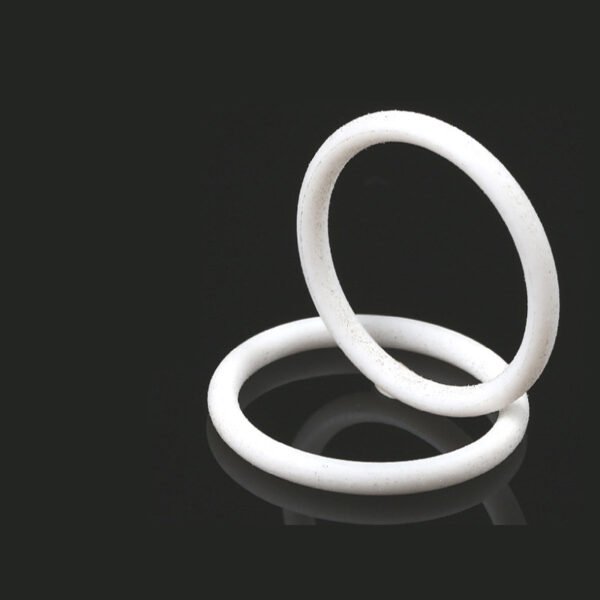
耐高温PTFEガスケット&テフロンOリング|耐薬品性PTFEシール
耐高温PTFEガスケットとテフロンOリングは、極度の温度や強力な化学薬品においても優れたシール性を発揮します。PTFEシールとテフロンガスケットは耐腐食性に優れ、長寿命を実現します。安全でクリーンなシールを必要とする化学、製薬、食品加工業界に最適です。
ケーススタディ50kWスタック・プロジェクト
私たちが昨年手がけたプロジェクトについてお話ししましょう。クライアントの名前は伏せますが、水素ドローン市場の中堅企業です。
問題だ:
彼らはヘビーリフトのドローン用に50kWのスタックを作っていた。彼らはFKM(フッ素ゴム)シールを使用していた。シールはベンチでは問題なく機能していたが、飛行テストではスタック効率が低下していた。
使用済みのMEA(Membrane Electrode Assemblies)を分析したところ、汚染物質の痕跡が見つかりました。高温(80℃)運転でFKMがわずかに溶出し、振動がマイクロリークを引き起こしていた。
解決策
カスタムカットに切り替えた テフロンX ePTFEガスケットに熱伝導率を向上させる特定の充填材を使用。
結果
- 汚染: 消えた。1000時間後、シールの劣化はまったく見られなかった。
- 効率が良い: 安定した。
- メンテナンス 彼らはシールの乾燥やひび割れを心配していなかったので、実際にサービス間隔を延長した。
これはマジックではなく、アプリケーションの物理学に適切な素材を適合させるだけなのだ。
実践的なアドバイス印鑑のデザイン
の溝をデザインしている場合 水素燃料電池シールここでは、その現場からのヒントをいくつか紹介しよう。
1.表面仕上げの問題
水素は容赦ない。バイポーラ・プレートのシール面に傷があれば、水素はそれを見つけるだろう。
ePTFEの場合、材料が不完全な部分に流れ込むため、多少は許される。しかし、Ra 3.2マイクロメートル(およそ125マイクロインチ)以上の表面仕上げを目指してください。
2.トルクをかけすぎない
よく見かける光景だ。大きなスパナを持って "きつく締めたほうがいい "と考えている人たち。
PTFEでは、一度最小のシーティング応力に達すると、それ以上きつくしてもあまり効果がなく、プレートがゆがむ可能性があります。トルクレンチを使ってください。お願いします。
3.着座応力の計算
最小着座応力」(ASMEコードではy値だが、燃料電池の場合は若干異なる指標を使用する)を満たす必要がある。
軟質ePTFEの場合、これは15~20MPaと低いかもしれません。クランプシステムがこの圧力を均一に供給できることを確認してください。偏ったスタックは...ご想像の通り、漏れにつながります。
なぜテフロンXなのか?
ガスケットのサプライヤーがたくさんあります。なぜ私たちに来る?
なぜなら、私たちは単にプラスチックのシートを売っているわけではないからです。私たちは 水素透過 データ私たちは 燃料電池スタック は、5,000時間あるいは10,000時間の運転に耐える必要がある。
私たちのチーム テフロンX は、お客様のCADファイルを直接使用して、完璧にフィットするプロトタイプをカットします。コンパクトなスタックに要求される厳しい公差にも対応します。
それに、私たちはスピードが速い。研究開発の動きは速い。シールのプロトタイプができるまで6週間も待つことはできません。

テフロンOリングガスケット | 工業用PTFEガスケットおよびテフロンシーリング
テフロンOリングガスケットとPTFEガスケットは、工業用シーリングに広く使用されています。これらのテフロンシーリングソリューションは、漏れのない動作と高温耐性を保証します。PTFEシールとテフロンガスケットは、要求の厳しい分野のポンプ、バルブ、そして繊細なパイプラインに適しています。
よくある質問水素燃料電池用PTFEガスケットに関するよくある質問
Q1:PTFEガスケットは高温のPEM燃料電池の温度に対応できますか?
答え: もちろん。PTFEは260℃まで安定です。ほとんどのHT-PEMセルは160°Cから180°Cで作動します。PTFEは、そのような温度で調理を始める多くのエラストマーとは異なり、劣化することなくこれを簡単に処理します。
Q2: スタックを分解した場合、ePTFEは再利用可能ですか?
答え: 一般的には、そうではありません。一旦ePTFEを圧縮すると、ePTFEは表面に適合し、永久的にその厚みの一部を失います。メンテナンスのためにスタックを開ける場合は、必ず PTFEガスケット 確実な封印のために安い保険だろう?
Q3: PTFEとグラファイトの水素シールとの比較は?
答え: グラファイトは高熱には適しているが、もろく伝導性がある。燃料電池では、プレート間のショートを防ぐため、シールに電気絶縁体が必要になることが多い。PTFEは優れた電気絶縁体です。グラファイトは絶縁のために余分な工程が必要で、設計が複雑になる。
雨漏りを止める準備はできているか?
燃料電池の製造は、ガスケットの不具合を心配しなくても十分難しい。科学を理解し、部品を供給できるパートナーが必要だ。
圧力の低下に疲れ、どのようにしたらよいか相談したい場合 テフロンX あなたのスタックを守ることができる。
当社のウェブサイトでは、さまざまなソリューションをご覧いただけます: https://teflonx.com/
また、具体的な図面や、今すぐ解決しなければならない技術的な問題をお持ちの場合は、直接以下の宛先にメールをお送りください。 アリソン・イェ@teflonx.com.アリソンはこれらのプロジェクトのリーダーであり、自分のことをよく知っている。
$5シールが$5万プロトタイプを台無しにすることはありません。今すぐご連絡ください。
