
 Japanese
  English
  Russian
  French
  German
  Korean
  Portuguese
  Arabic
  Italian
  Dutch
Dutch  Turkish
  Indonesian
  Polish
  Spanish
今年のCES 2026は別格だった。数日前、ラスベガスのフロアを歩き回ったが、どこを見ても人型ロボットが私の度肝を抜くような動きをしていた。あるロボットは洗濯物をたたんでいた。別のロボットはコーヒーを一滴もこぼさずに注いでいたし、UnitreeやAgiBotのような中国企業のロボットは、めちゃくちゃスムーズな動きでショーの主役になっていた。LGのCLOiDボットは、車輪の上をコロコロと転がりながら、まるで大したことないかのように家事をこなしていた。ボストン・ダイナミクスとヒュンダイは、SFから飛び出してきたかのような産業用アトラスを披露した。
話題の中心は、これらのボットが工場や家庭、さらには病院といった実世界での使用にいかに近づいているかということだった。しかし、展示会場ではあまり語られなかったことがある。それは、派手な動きには隠れた頭痛の種があるということだ。これらのロボット内部の配線は、深刻な打撃を受けているのだ。
考えてみてください。人型ロボットの関節は、1日に何千回もねじれたり、曲がったり、たわんだりします。通常のワイヤーでは追いつけません。ひびが入ったり、ほつれたり、すぐにショートしてしまうのです。PTFE配線ソリューションは、特にCES 2026のロボット・トレンドが、よりタフでフレキシブルなロボットをプッシュしている中で、その真価を発揮します。
CES 2026で目立ったヒューマノイドロボット
今年のCESは、ヒューマノイドがようやくスポットライトを浴びる年になったように感じた。38社以上の企業がヒューマノイド技術を披露したが、その半数は中国の企業で、Unitree、AgiBot、EngineAIなどなど。彼らはロボット・パビリオンを独占した。
デモは完璧ではなかった-ちょっと動きが鈍いものもあった-が、進歩は本物だった。あるボットはブラックジャックでカードを配った。また別のロボットは、自律的に物を分類していた。LGは、CLOiDが皿洗いや洗濯をこなす「Zero Labor Home(労働力ゼロの家)」のアイデアを披露した。
ヒューマノイドロボット市場は爆発的に成長していると専門家は指摘している。MarketsandMarketsは、2025年の約19億2000万円から2030年には152億6000万円に成長し、年平均成長率は39.2%になると予測している。ABI Researchは、10年末までに$6.5億ドルに達すると見ている。いずれにせよ、これらのボットが急速に登場し、ノンストップ・アクションに対応できる配線が必要であることは明らかだ。
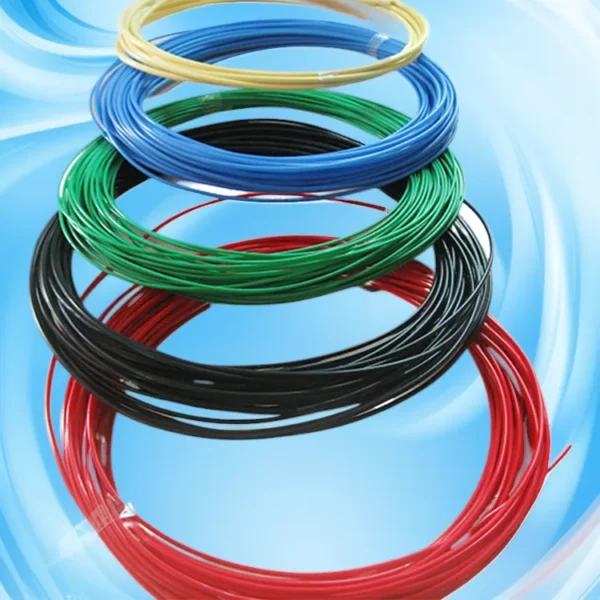
低摩擦PTFEチューブ|エネルギー効率の高い材料輸送ソリューション
低摩擦PTFEチューブは、空気輸送および流体移送システムにおけるエネルギー消費を20%削減します。非常に滑らかな表面(摩擦係数0.04)により、材料の付着を防ぎ、粉体や粘性液体の搬送に最適です。帯電防止コーティングによるカスタマイズも可能です。
現代のロボットにおける配線の本当の苦労
ロボット工学の配線作業をしたことがある人なら、あるいはロボットアームの内部を覗いたことがある人なら、その痛みを知っているだろう。これらの機械はあらゆる方向に動く。曲げたり、ねじったり、伸ばしたり。ケーブルは互いに、関節と、近くにあるものと擦れ合う。磨耗はすぐに始まり、やがて絶縁体がすり切れてしまう。
モーターからの振動、アクチュエーターの加熱による温度変化、そして工業用セットアップでは化学薬品やオイルが加わることもあります。標準的なPVCや基本的なシリコン・ワイヤーはすぐにダメになります。硬くなったり、亀裂が入ったり、数千サイクルで電気的特性を失ったりします。
CESで展示されていたような人型ロボットの場合は、もっとひどい。腕は人間のようにスイングし、脚はステップを踏んでバランスをとり、胴体は回転する。イグスのある報告書は、3次元モーションがいかに摩耗を予測不可能にするかについて語っている。ケーブルがねじれたり、狭い場所で曲げ続けたりすることで故障するのだ。
特にプロトタイプでは、膨大なダウンタイムが発生します。そのため、数百万サイクルに耐える高屈曲性ケーブルが必須なのです。
PTFEワイヤー絶縁がすべてを変える理由
では、どうすればいいのか?PTFEワイヤー絶縁 - そう、テフロンのことだ。新しいものではないが、次世代ロボットには最適だ。
まず第一に、PTFEは非常識な温度に対応する。PTFEは-100°Fから+400°Fまで、グレードによってはそれ以上の温度でも固体を保ちます。iPolymerやChemoursのような情報源は、PTFEがその範囲にわたって機械的特性を維持することを確認している。
それからフリクションが低い。非常に滑りやすいので、ケーブルが互いにすべり合い、削れることがありません。そのため、タイトなロボット・ジョイントの摩耗を大幅にカットできる。
耐薬品性はもう一つの利点です。油、溶剤、クリーナー-PTFEはそれらを跳ね除ける。工場や家庭でこぼれた液体を処理するのに適している。
電気的にも一流です。高い絶縁耐力は、絶縁破壊のリスクを伴わない薄い絶縁を意味し、詰め込まれたロボット設計のためにコンパクトさを保ちます。
柔軟性は?PTFEは硬いと思われがちだが、撚り線導体や特殊な押し出し材など、適切な高屈曲性構造では驚くほど曲がる。GoreやCicoilのような企業は、ePTFEを使用したフラットな高屈曲ケーブルを製造しており、数百万サイクルに耐えることができます。
テフロンXでは、PTFEを長年ロボットの配線に使用してきました。
一般的なロボット用断熱材の比較
PTFEがPVCやシリコーンに比べ、ロボット用としてどのように優れているかを簡単に表にしてみました:
| 材料 | 温度範囲 | フレックス寿命(サイクル) | 耐摩耗性 | 耐薬品性 | 料金 | 最適な用途 |
|---|---|---|---|---|---|---|
| ポリ塩化ビニル | -20°F~+220°F | 低 (10k-100k) | 適度 | 公平 | 低い | 基本的な静的アプリ |
| シリコーン | -60°F~+400°F | ミディアム (100k-1M) | 良い | 良い | 中くらい | 高温、若干の屈曲性 |
| PTFE(テフロン) | -100°F~+500°F | 高(1M~1,000万ドル以上) | 素晴らしい | 傑出している | より高い | 高屈曲、摩耗の激しいロボット |
(データはNASAのガイドラインやメーカーのシートなど、一般的な業界の仕様から抜粋したもので、要求の厳しいものについては耐久性でPTFEが勝る)
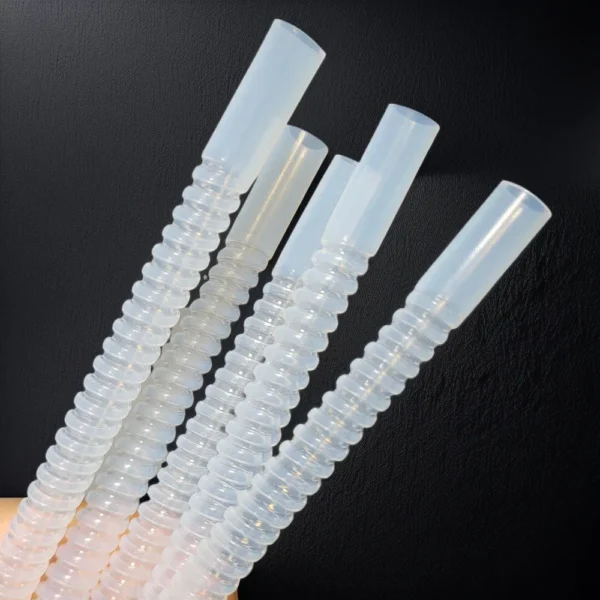
化学処理プラント向けPTFE燃料ライン
PTFEコルゲート燃料ホースとして製造されたPTFE燃料ラインは、化学プラントにおける腐食性流体の移送に優れた性能を発揮します。化学的に不活性なため、酸や溶剤に対して耐性があります。コルゲート燃料チューブの耐久性の高い設計は、高圧や熱サイクルにも耐え、信頼性の高い低摩擦の流体移送を実現します。
高屈曲ケーブル:ロボットの動きに対応
高屈曲ケーブルは、PTFE を次のレベルに引き上げます。これらのケーブルは、細い素線、特殊なシールド、時にはスパンナイロンや低摩擦ラップのようなテープで設計されており、滑りと寿命を向上させます。
イグスやビズリンクは、急加速やきつい屈曲に耐えるトーションチェーンを製造している。
CESのデモでは、UnitreeのG1やBoston DynamicsのAtlasのようなボットが、舞台裏でこの種の技術に頼っている。スムーズな腕の振り?それは高屈曲ケーブルの束縛を防いでいるのだ。
私たちはテフロンXで同様のものを供給してきました - 狭いジョイントにフィットし、電力と信号を確実に伝送するカスタムPTFEハイフレックスバンドルです。
ロボット工学におけるPTFEの現実的な勝利
守秘義務のために名前は言えないが、いくつかの興味深いプロジェクトを手伝ってきた。
倉庫作業用の二足歩行ヒューマノイドを作ったあるチームは、5万回のサイクルで腕のケーブルが故障して苦労した。通常のシリコンは、常に手を伸ばしたりねじったりしていたため、ひび割れが発生したのです。PTFE絶縁の高屈曲ケーブルに交換したところ、テストで200万サイクル以上を達成しました。
CESのランドリーフォルダーのようなもの)。胴体付近のモーターからの熱で、安価な断熱材が溶けてしまった。PTFEはこの温度にも問題なく対応し、低摩擦のためショルダージョイントの摩耗を食い止めた。
もっと大きな産業用(繰り返し曲げられる工場のラインを想像してください)では、金属フレームとの摩耗による故障が見られました。私たちのPTFEソリューションは、余分な摺動層でこの問題を解決し、ボットは問題なく数ヶ月稼動しました。
多くのロボット・チームが、PTFE配線ソリューションのおかげで頭痛の種が軽減されることを発見している。
ロボットに適した配線の選び方
ワイヤー選びは万能ではない。フレックスサイクルは?ねじりか、曲げか?
次に環境:温度、化学物質、モーターからのEMI?
ほとんどの次世代ヒューマノイドは、長持ちさせたいならPTFEにする。ドレスパックやエナジーチェーンなど、適切なケーブルマネジメントと組み合わせる。
PTFEが薄いほどボットが軽くなり、バッテリーの持ちがよくなる。
テフロンXでは、常にこのような仕様のお手伝いをしています。ミルスペックPTFEワイヤーからカスタムハイフレックスアセンブリーまでオプションがあります。
先を見る:CESのトレンドと配線の進化
2026年のCESは、ヒューマノイドがここにとどまることを示した。より速く、より器用になることは、配線への要求がさらに厳しくなることを意味する。
ウルトラフレックス用のePTFEやハイブリッド素材に期待。予知保全のためにケーブルにセンサーが内蔵されるかもしれない。
しかし、結論から言えば、信頼性の高いボットのためには、強固なPTFE配線ソリューションがカギとなるだろう。
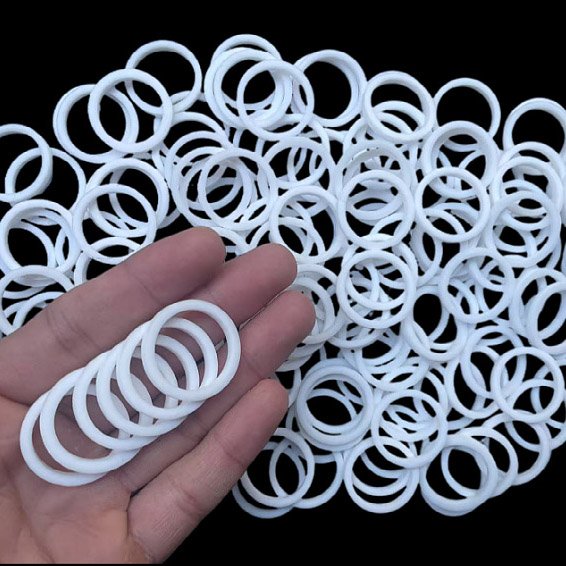
プレミアムテフロンOリングとPTFEガスケット | 耐薬品性テフロンシーリング
プレミアムテフロンOリングとPTFEガスケットは、化学用途および工業用途において優れたテフロンシーリングを提供します。PTFEシールとテフロンガスケットは、非反応性、柔軟性、そして長期的な信頼性で知られています。水処理、実験装置、流体処理機械に最適です。
ロボット用PTFE配線に関するよくある質問
なぜ高可動ロボットにはシリコンではなくPTFEワイヤー絶縁を選ぶのか?
PTFEは摩耗や摩擦ではシリコーンに勝る。シリコーンは柔軟で耐熱性に優れているが、常に摩擦が発生するような状況では摩耗が早くなる。PTFEの滑らかな表面は長持ちし、ツイスティなジョイントでは5~10倍のサイクルになることもある。
優れた高屈曲PTFEケーブルは何回の屈曲サイクルに耐えられるか?
設計にもよるが、高品質のものはロボットアプリで500万~1000万サイクルを簡単に達成する。我々は、適切な撚り線とジャケットを使用した1000万回以上のラボテストを見たことがある。
PTFE配線はヒューマノイドのタイトな関節には硬すぎる?
いや、最近のハイフレックスバージョンにはない。細いストランドと薄肉の押し出し材を使えば、十分に曲がる。曲げ半径は想像以上にタイトで、直径の6倍まで曲げられることもある。
PTFEは高密度ロボット配線のEMI対策に役立つか?
そうです。優れた誘電特性とオプションのシールドにより、モーターやアクチュエーター周りのシグナルインテグリティを確保します。
耐久性、柔軟性、CESレベルの動きに対応するPTFE配線ソリューションをお客様のニーズに合わせてご提案いたします。
に向かう。 テフロン または、お問い合わせページまでご連絡ください。 https://teflonx.com/contact-us/.メールでのお問い合わせ アリソン・イェ@teflonx.com 見積もりやサンプルは直接お問い合わせください。あなたのボットの配線を防弾仕様にすることについてチャットしましょう。
