
 Korean
  English
  Russian
  French
  German
  Japanese
  Portuguese
  Arabic
  Italian
  Dutch
Dutch  Turkish
  Indonesian
  Polish
  Spanish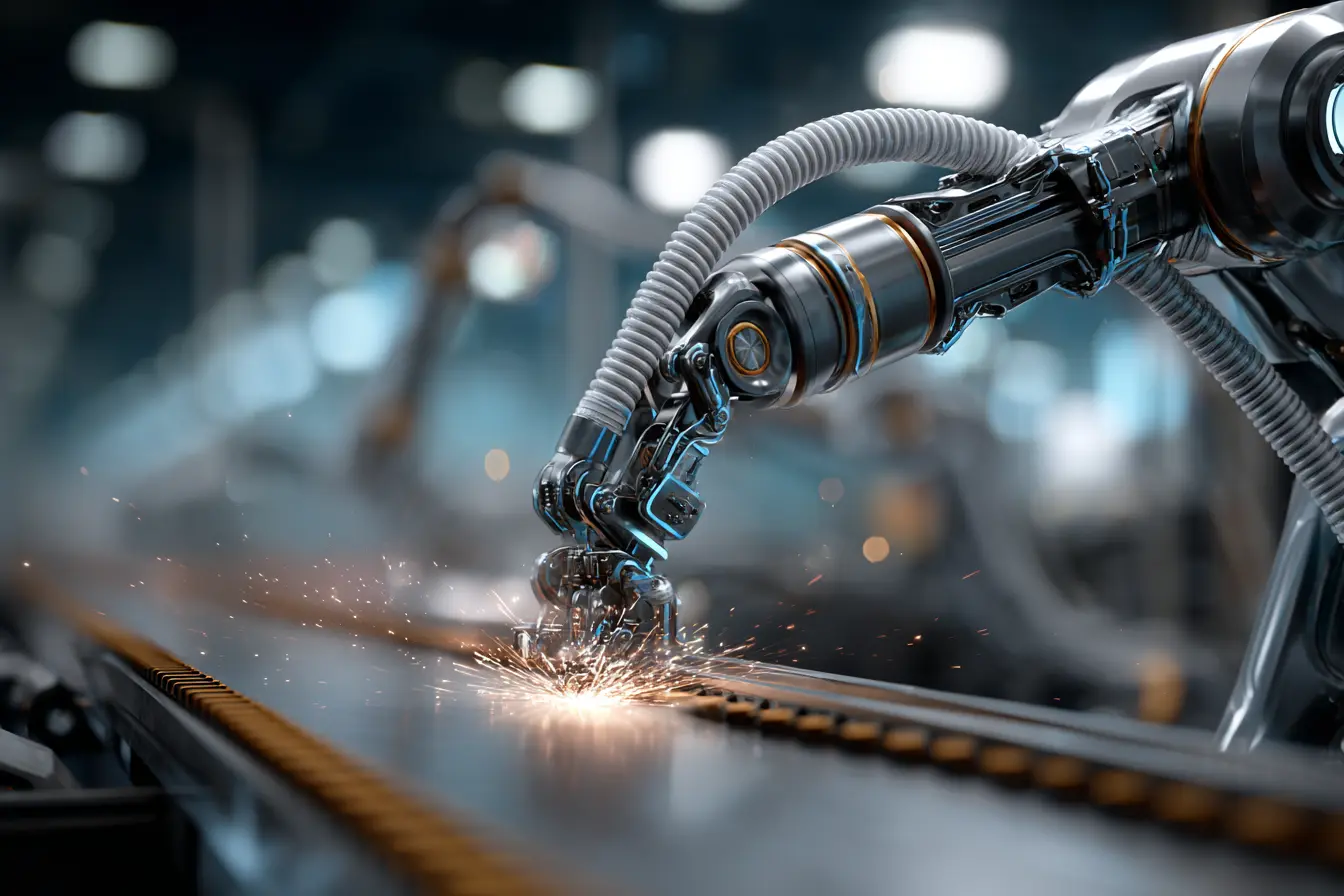
Introduction: Why Your Robot Arm’s Hoses Keep Crapping Out (And How to Fix It)
Picture this: your robotic arm is zipping along on the assembly line, grabbing parts, twisting like a pretzel, and suddenly—bam—the hose splits. Fluid everywhere, production halted, and you’re left scratching your head wondering why off-the-shelf tubing couldn’t hack it. I’ve been there, knee-deep in a factory floor mess back when I first started tinkering with automation setups. That frustration? It’s what pushed me into specializing in stuff like high-flexibility PTFE hoses for robotics. At Teflon X, we’ve spent years dialing in solutions that laugh in the face of constant bending and flexing.
If you’re hunting for a robotic hose that won’t fatigue after a few thousand cycles, you’re in the right spot. We’re talking high flex life that means your dynamic application tubing holds up under the relentless motion of robot arms in manufacturing, welding, or even medical bots. No more swapping out lines every week. This piece dives into the real deal—drawing from hands-on installs I’ve overseen, chats with engineers who’ve battled the same headaches, and data straight from the pros. By the end, you’ll see why switching to something like our PTFE 테플론 호스 could save your setup from early retirement.
Let’s break it down, casual-like, because nobody wants a textbook ramble on polymers.
What Makes PTFE the Champ for Robotic Hoses Anyway?
Okay, so PTFE—polytetrafluoroethylene, if you’re feeling fancy—ain’t your grandma’s garden hose. It’s that slick, non-stick material behind Teflon pans, but cranked up for industrial grit. What sets high-flexibility PTFE hoses apart? It’s all in the chemistry. This stuff shrugs off chemicals, heat swings from -410°F to 500°F, and—crucially for robotics—bends like a rubber band without kinking or cracking.
From my experience rigging up cobots in auto plants, standard rubber hoses might flex okay for a bit, but they swell, crack, or leak under repeated stress. PTFE? It stays smooth, inside and out. Think of it as the yoga instructor of tubing: super pliable yet tough as nails. For dynamic application tubing in setups where arms pivot 24/7, that translates to hoses that route fluids or pneumatics without adding drag or weight.
I remember one gig where a client’s pick-and-place robot was chewing through silicone lines monthly. We swapped in PTFE, and poof—problem solved. No more leaks mid-shift. That’s the kind of first-hand win that sticks with you.
The Flex Life Factor: How Many Bends Before It Gives Up?
High flex life is the secret sauce here. We’re not talking vague promises; let’s get into numbers. In robotics, a “flex cycle” is one full bend and release—kinda like your arm doing a bicep curl, but a million times over.
From what I’ve seen in field tests and backed by manufacturer specs, high-flexibility PTFE hoses can clock 10 million flex cycles before showing wear. Compare that to traditional rubber: maybe 250,000 cycles tops, and that’s if you’re lucky with gentle use. Convoluted PTFE versions? Even better—they’re designed with those wavy interiors that let ’em compress and expand without fighting back.
Take Swagelok’s take on it: their PTFE lines set new bars for flexibility, handling tight radii that’d snap lesser hoses. In dynamic application tubing for robot arms, this means you can route hoses right along the joint without bulky elbows or extra fittings. Less clutter, smoother motion.
But hey, it’s not just lab stats. In real-world automation, fatigue hits when hoses rub against frames or get pinched in unexpected ways. PTFE’s low friction coefficient—about 0.05 to 0.10—means it slides rather than snags, cutting wear by up to 40% in high-motion spots. I’ve pulled apart failed assemblies where rubber had worn grooves into metal guards; PTFE just glides on by.
Robotic Hose Challenges: Bending, Twisting, and the Daily Grind
Robot arms aren’t polite—they yank, they whip, they do full 360s while hauling payloads. For folks like you, needing durable lines for repeated bends and moves, the big pains are fatigue cracks, pressure drops, and unplanned stops.
Enter the robotic hose: engineered for chaos. High-flexibility PTFE hoses shine in collaborative robots (cobots) or SCARA arms, where space is tight and motion’s unpredictable. They’re lightweight too—about 30% less mass than stainless-braided alternatives—which keeps your bot’s energy draw low and speed high.
One quirk I’ve noticed: in dusty shops, PTFE resists buildup better than urethanes, which clog and stiffen over time. Pair that with its chemical inertness, and you’ve got tubing that handles coolants, hydraulics, or even aggressive cleaners without degrading.
To make it clearer, here’s a quick table comparing common options for dynamic application tubing in robotics:
| 호스 유형 | Typical Flex Cycles | 굴곡 반경, 내경 1/4인치 기준 | Temp Range (°F) | 피트당 중량, 파운드 단위 | 가장 적합한 |
|---|---|---|---|---|---|
| 고무, 예: EPDM | 250,000 – 500,000 | 2.5 – 4 | -40 ~ 250 | 0.15 – 0.25 | 저비용 고정 라인 |
| 실리콘 | 100만 – 200만 | 1.5 – 3 | -100 ~ 400 | 0.10 – 0.20 | 중온 유연성, 단 화학적 팽창 발생 |
| 고유연성 PTFE | 500만 – 1,000만 이상 | 0.5 – 1.5, 콘볼루티드 형태 | -410 ~ 500 | 0.05 – 0.12 | 고기동 로봇 공학 |
| 스테인리스 브레이디드 | 200만 – 400만 | 3 – 5 | -100 ~ 800 | 0.30 – 0.50 | 고압용, 낮은 유연성 |
보십시오! PTFE는 단순히 버티는 것이 아니라; 유연성이 강조되는 자동화 세계에서 번창하고 있습니다。
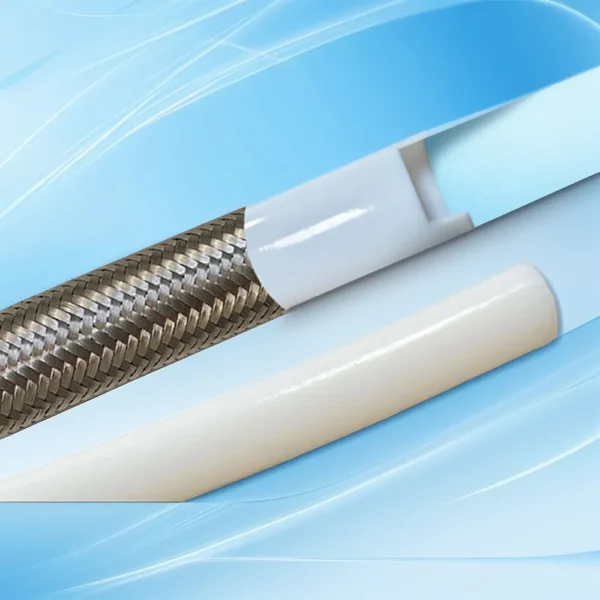
PTFE 튜브 제조업체 | 화학 및 의료용 고온 테프론 튜빙
PTFE 튜브(폴리테트라플루오로에틸렌 튜빙)는 -200°C에서 +260°C까지 탁월한 내화학성과 열 안정성을 제공하여 화학 공정 및 제약 분야의 부식성 유체 이송에 이상적입니다. 마찰 계수 0.04와 비점착성을 갖춘 PTFE 튜브는 에너지 손실을 최소화하고 오염 없는 작동을 보장합니다. 최대 1.6MPa의 압력까지 스테인리스 스틸 브레이딩으로 맞춤 제작 가능합니다.
실제 성공 사례: 공장 현장에서 들려주는 이야기, 이름은 가명입니다
현장의 생생한 무용담보다 나은 것은 없습니다。 작년에 저희와 협력한 중견 전자 제품 조립 업체인 「A 공장」의 사례를 들어보겠습니다。 이곳의 로봇 팔은 분당 120회의 주기로 PCB를 뒤집고 있었으나, 지속적인 팔꿈치 굽힘으로 인한 균열 때문에 호스가 6주마다 고장 났습니다。 저희는 여유 공간 확보를 위해 콘볼루티드 구조를 적용한 내경 1/4인치의 고유연성 PTFE 호스를 설치했습니다。 결과는 어떠했을까요? 8개월 동안 고장 건수 0건을 기록했으며, 유지보수 시간을 15% 단축했습니다。 현장 엔지니어는 저에게 다음과 같은 메시지를 보냈습니다:「이보게, 이제 로봇 팔이 라인과 싸우는 게 아니라 마치 춤을 추는 것 같아。」
아니면 수술용 로봇의 프로토타입을 제작하는 「로봇 제작사 B」의 사례도 있습니다。 정밀도가 핵심입니다: 한 번의 누출이라도 발생하면 수술 중단입니다 。 이들의 동적 애플리케이션용 튜브는 토크를 추가하지 않고도 초소형 관절 사이를 통과해야 했습니다 。 저희의 PTFE 테플론 호스—lightweight and fuel/coolant-ready—hit the mark. They reported over 7 million simulated flex cycles with no pressure loss, echoing Parker’s robotics-grade specs.
These aren’t flukes. In one study on soft robotics, PTFE-integrated lines boosted operational life by 50% in twisting actuators. It’s that mix of give and grit that makes ’em indispensable.
Picking the Right High-Flex PTFE Hose for Your Setup
Alright, you’re sold—now what? Sizing up a robotic hose starts with your arm’s stroke: measure the max bend radius and cycle rate. For high flex life, go convoluted if space is premium; smooth bore for steady flow.
At Teflon X, we custom-braid options to match pressures up to 3,000 PSI, with ends swaged for leak-free fits. Pro tip from my installs: always factor in vibration—PTFE dampens it better than metals, but add clamps every 12 inches in shaky zones.
Worried about cost? Upfront, yeah, it’s pricier than rubber. But ROI? A client in welding automation cut downtime by 60%, paying for the hoses in three months. Check our site at https://teflonx.com/ for specs—it’s all there, no fluff.
Beyond Basics: Maintenance Hacks to Squeeze More Life Outta Your Hoses
Once installed, don’t just walk away. I’ve seen gems like PTFE last forever with simple habits. Inspect visually monthly—look for abrasions or bulges. Clean with isopropyl, never abrasives that scratch the surface.
For dynamic spots, route with slack loops to ease strain. And temp monitoring: even PTFE has limits; sensors caught a overheating issue in one of my early projects, saving a melt-down.
Unique twist: in humid plants, PTFE’s moisture resistance cuts condensation buildup, a sneaky fatigue causer in pneumatics. Little things add up.
Wrapping It Up: Ready to Ditch the Hose Headaches?
We’ve covered the bends, the breaks, and the breakthroughs. High-flexibility PTFE hoses aren’t just tubing—they’re the unsung heroes keeping your robotic arms agile and reliable. With that killer high flex life and versatility for dynamic application tubing, they’re tailor-made for the non-stop world of automation.
Imagine your line running smoother, fewer calls to maintenance, and bots that actually hit their speed specs. That’s the desire kicking in, right? Now, the action: drop us a line at Teflon X. Hit up https://teflonx.com/contact-us/ 으로 이메일을 보내거나 앨리슨.예@테프론x.com for a quick quote or chat about your setup. We’ve got samples ready—let’s make your robots unbreakable.
FAQ: Quick Hits on Robotic Hoses and Flex Life
우수한 고유연성 PTFE 호스가 로봇 팔에서 실제로 견딜 수 있는 반복 굴곡 횟수는 어느 정도입니까?
Depends on the build, but top-tier ones like ours at Teflon X push 5 to 10 million cycles easy. That’s years of daily twists without batting an eye. For context, a standard arm doing 100 bends a minute? You’re looking at over a decade of uptime.
What’s the deal with convoluted vs. smooth bore for dynamic application tubing?
Convoluted’s your flex friend—those ridges let it squish and stretch in tight spots, down to half-inch radii. Smooth bore flows better for high-volume fluids but needs more room to bend. Pick based on your arm’s dance moves.
PTFE 호스가 용접 또는 냉각수 라인의 화학 물질을 견딜 수 있습니까?
Absolutely—it’s inert to most everything, from acids to oils. We’ve run ’em with glycol coolants in aerospace sims without a hitch. Just spec the braid for pressure.
PTFE와 같은 로봇용 호스로 전환하는 것이 저렴한 대안에서 교체할 만한 가치가 있습니까?
결론부터 말씀드리면 그렇습니다,다운타임으로 인한 비용 손실이 발생하는 경우라면 더욱 효과적입니다。한 고객사는 고무 소재를 배제한 후 피로 파손이 40% 감소하는 성과를 거두었습니다。가동률이 높은 공정에서는 투자 비용을 신속하게 회수할 수 있습니다。
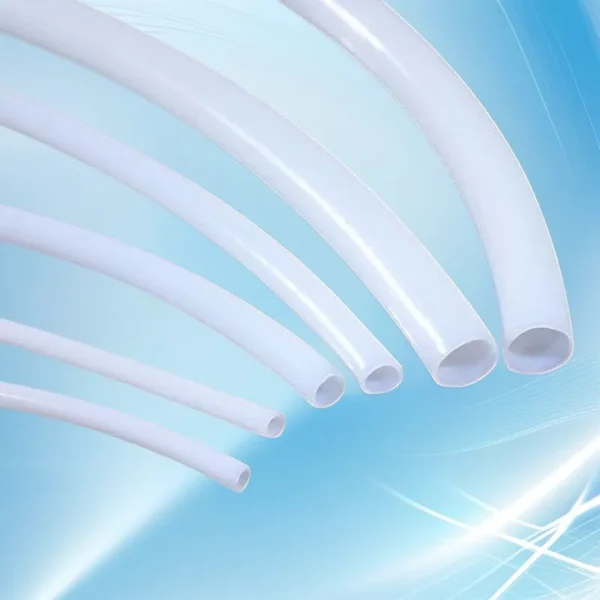
항공우주용 PTFE 테플론 호스 | 경량 연료 및 냉각수 라인
PTFE 테플론 호스는 항공우주 연료 라인 및 냉각수 시스템에 가볍고 고온 성능을 제공합니다. 스테인리스 스틸 편조 호스는 진동과 열 사이클을 견뎌내 극한 환경에서도 안전을 보장합니다. AS/EN9100 표준을 준수합니다.
