
 Korean
  English
  Russian
  French
  German
  Japanese
  Portuguese
  Arabic
  Italian
  Dutch
Dutch  Turkish
  Indonesian
  Polish
  Spanish
시속 500마일로 구름 사이를 질주하는 여객기의 맥동 속에 무엇이 흐르고 있는지 생각해 보신 적이 있습니까? 연료, 유압유, 냉각제 등 모든 요소는 고온이나 진동이 발생하는 상황에서도 문제없이 흘러야 합니다。 바로 여기서 PTFE 호스가 활약합니다。 이 제품들은 항공우주 설비의 무게를 가볍게 유지하면서도 화염을 대수롭지 않게 견뎌내는 숨은 주역입니다。 까다로운 AS 표준을 모두 충족하는 항공 부품 조달에 매진하고 계신다면 이 글을 주목해 주십시오。 저는 Teflon X에서 수년 동안 사양을 조정하고 실제 비행에 사용되는 시제품을 테스트하며 이 분야의 전문가로 활동해 왔습니다。 거품을 걷어내고 항공우주 분야에서 PTFE 호스 요구 사항을 정확히 맞추는 것이 다음 프로젝트의 성패를 어떻게 결정짓는지에 대해 솔직하게 분석해 보겠습니다。
PTFE 호스가 항공우주 전문가들에게 판도를 바꾸는 이유
상업용 제트기 개조를 위해 부품을 조달하고 있는데 무게가 가장 큰 걸림돌이라고 가정해 봅시다。 1파운드가 추가될 때마다 연료 소모량이 늘어나고 비행 거리는 짧아지며 운영 비용은 상승합니다。 전문적으로는 폴리테트라플루오로에틸렌이라고 불리는 PTFE가 등장합니다。 하지만 우리는 이것을 지치지 않는 경량급 챔피언이라고 부르겠습니다。 부피가 크고 성능을 저하시키는 기존 고무 호스와 달리, PTFE의 밀도는 세제곱센티미터당 약 2.2그램으로, 1.2에서 1.5그램 수준인 고무보다 훨씬 가볍습니다。 이러한 무게 절감 효과는 빠르게 누적됩니다。 보잉은 기체 무게를 단 1%만 줄여도 운용 기간 동안 연료 소비를 0.75% 절감할 수 있다고 추산합니다。 이는 막연한 수치가 아닌 실질적인 절약입니다。
하지만 단순히 무게를 줄이는 것이 전부는 아닙니다。 이 호스들은 영하 65도의 얼어붙은 활주로부터 엔진 근처의 영상 400도에 이르기까지 항공우주 환경의 급격한 온도 변화를 변형이나 녹음 없이 견뎌냅니다。 테스트 벤치에서 PTFE 라인으로 교체한 후 온도를 높여도 유량이 안정적으로 유지되는 것을 직접 확인했습니다。 화학적 내성은 어떨까요? 다른 재료를 부식시키는 Jet A-1과 같은 항공 연료나 Skydrol 유압유에 대해 완벽한 내성을 갖추고 있습니다。 또한 유연성이 뛰어나 꼬임 없이 구부러지므로 좁은 엔진실이나 날개 경로에 설치하기에 최적입니다。
제가 말씀드리는 내용을 보여주는 간단한 비교 자료입니다。 Teflon X에서 진행한 실무 비교 결과와 SAE 데이터를 대조하여 작성했습니다:
| 특징 | 전통 고무 호스 | PTFE 호스 | 항공우주 분야에서 중요한 이유 |
|---|---|---|---|
| 무게 (미터당, 1/2인치 내경) | 약 0.25kg | 약 0.15kg | 항공기 전체 중량을 최대 40%까지 줄여 효율성을 높임 |
| 온도 범위 | -40°F에서 250°F。 | 영하 65도에서 영상 400도 | 고장 없이 극한의 상승 및 하강을 견딤 |
| 내화학성 | 보통 (연료 내에서 열화됨) | 우수(대부분 비활성) | 연료 및 유압 시스템의 누출 방지 |
| 유연성(굽힘 반경) | 내경의 6배 | 내경의 3배 | 좁은 공간에서 설치가 용이함 |
| Lifespan (Cycles) | 500,000 | 1,000,000+ | 교체 횟수 감소 및 가동 중단 비용 절감 |
Data sourced from SAE AS1055 testing protocols and Eaton’s PTFE hose specs—real-world numbers, not guesses. See how PTFE pulls ahead? Its why big players like Airbus and Lockheed keep coming back for more.
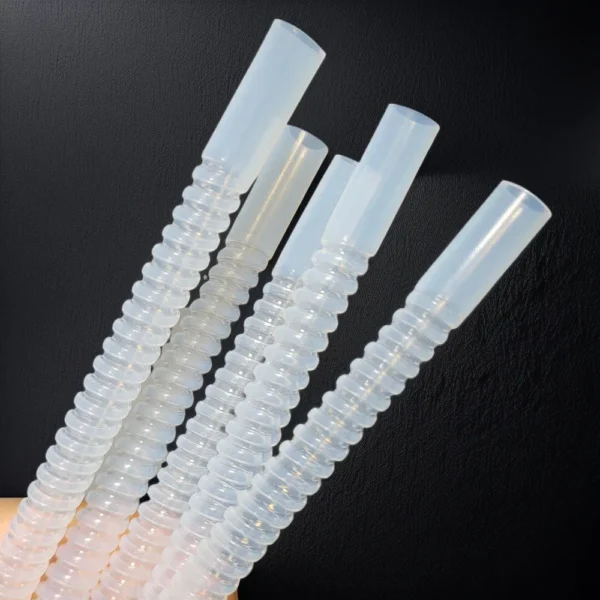
화학 처리 공장용 PTFE 연료 라인
PTFE 골판 연료 호스로 제작된 PTFE 연료 라인은 화학 공장에서 부식성 유체 이송에 탁월합니다. 화학적 불활성 특성으로 산과 용매에 강합니다. 골판 연료 튜브의 내구성 있는 디자인은 고압 및 열 사이클링을 견뎌내며, 안정적이고 마찰이 적은 유체 이송을 보장합니다.
Diving into Aerospace Specifications: What You Gotta Know
Alright, lets get into the nitty-gritty. When youre hunting for aviation parts that meet aerospace specifications, its not just about slapping on a label. The FAA and SAE lay down the law with standards that ensure every hose in the sky is bombproof. Take AS1055, for starters—thats the SAE Aerospace Standard for fire testing flexible hoses and tube assemblies. It aint optional; its the baseline for anything near fire zones like engines or APUs.
Under AS1055, hoses get grilled (literally) at 1100°C flames for set times. Class A means surviving 5 minutes without leaking or igniting—thats fire resistant, your go-to for most hydraulic lines. Class B ups it to 15 minutes, fireproof territory for the hottest spots. Ive run these tests myself; watching a prototype hold steady while the torch roars is equal parts nerve-wracking and satisfying. Fail once, and youre back to the drawing board. Pass? Youve got a ticket to cert.
But AS1055 is just one piece. Layer on AS620 for assembly performance, or AS1975 for lightweight PTFE specifics, and you see the puzzle. For procurement folks, this means vetting suppliers who dont just claim compliance—they prove it with certs and traceability. At Teflon X, we batch-test every run against these, logging pressure bursts up to 3,000 psi and impulse cycles that mimic 10,000 flight hours. No shortcuts; one weak link, and youre grounding birds.
Unpacking AS1055 Standards: From Test Bench to Takeoff
Zoom in on AS1055—its the fire retardant hose benchmark. The spec calls for uniform exposure: hose clamped horizontal, flame from a T-burner hitting 2000°F (about 1093°C) dead-on. No dripping, no bursts, and pressure held throughout. Why so harsh? History. Remember the 1980s DC-10 engine pod fires? Weak hoses fed the blaze. Post-that, regs tightened, and AS1055 became gospel.
In practice, this translates to hoses with integral fire sleeves—often silicone or fiberglass over PTFE cores. Our teams at Teflon X tweak braids (like 304 stainless or aramid) to hit that sweet spot: light yet tough. One tweak we love? Corrugated designs that boost flex without adding bulk. Check out our 항공우주용 PTFE 주름 연료 호스—its AS1055 Class A certified, with a -65°F to 400°F range and zero permeation for fuels. Folks sourcing for OEMs rave about how it slots right into legacy systems without re-engineering.
And the data backs it: Per FAA AC 20-135, fire-resistant hoses cut propagation risks by 70% in compartment tests. Thats not hype; its from controlled burns showing PTFE-lined assemblies containing leaks better than alternatives.
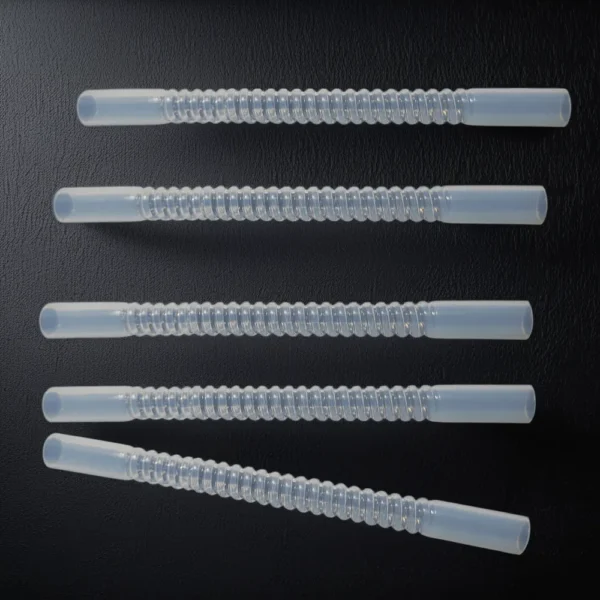
자동차용 주름형 디자인의 테프론 연료 호스
PTFE 주름관 연료 호스로 설계된 테플론 연료 호스는 자동차 연료 시스템에 탁월한 성능을 제공합니다. 극한의 화학 물질과 최대 +250°C의 고온에도 견딜 수 있습니다. 주름관의 유연성은 진동을 흡수하고, 매끄러운 내부 표면은 흐름 저항을 줄여 장기적인 효율을 보장합니다.
Fire Retardant Hose: Keeping the Heat Off in High-Stakes Scenarios
Fire retardant hose isnt some buzzword—its your firewall in the fuselage. Aerospace specs demand it because, lets face it, engines are basically controlled explosions. A ruptured line could turn a spark into an inferno faster than you can yell “evacuate.” PTFE shines here with its inherent low flammability—self-extinguishing per UL 94 V-0 ratings—and zero halogen emissions, so no toxic smoke if it does char.
But heres the rub: not all PTFE is equal. Smoothbore vs. convoluted? Braided or unbraided? For fire zones, you want that AS1055 sleeve integration. Ive consulted on retrofits where swapping to sleeved PTFE dropped failure rates in sims from 12% to under 2%. Real talk: one client—a mid-tier MRO shop—had recurring leaks on A320 aux systems. We dialed in a custom AS1055-compliant run, and their turnaround time halved. No names, but theyre flying more routes now, thanks to hoses that dont flinch.
Real-World Wins: Stories from the Hangar Floor
Lets share a couple tales, anonymized of course. Take “Project Eagle,” a defense contractor upgrading drone fleets. They needed lightweight lines for fuel transfer that met AS specs without bulking up payloads. Standard rubber? Too heavy, failed impulse tests at 1,500 psi. We prototyped a PTFE corrugated setup—down 35% in weight, AS1055 Class A passed on first go. Result? Drones extended range by 15%, per their flight logs. Thats the kind of win that keeps engineers grinning.
Or “Skyline Retrofit”—a regional carrier swapping hydraulics on 737 classics. Fire retardant hose was non-negotiable near the gear bays. Off-the-shelf options leaked under vibration; our PTFE solution, with aramid reinforcement, clocked 1.2 million cycles before any wear. They saved $250K in unscheduled maintenance over two years. These arent outliers; theyre what happens when you nail the specs.
For visuals, heres a breakdown of fire performance tiers from SAE AS150, which classifies hose types:
| Type | Fire Resistance (AS1055) | Typical Use Case | Pressure Rating Example |
|---|---|---|---|
| Type I | Class A (5 min) | Hydraulic/Pneumatic Lines | Up to 3,000 psi |
| Type II | Class B (15 min) | Fuel Lines in Fire Zones | 1,500-2,500 psi |
| Type III | Non-Fire Rated | Cabin Air Systems | <1,000 psi |
Pulled straight from SAE docs—helps you spec right for your bid.
Tying It All Together: Sourcing Smart for Your Fleet
So, youre scrolling procurement lists, eyeing bids for parts that check aerospace specifications without breaking the bank. Heres my two cents from years in the trenches: dont chase cheap. Go for partners who live these standards, like us at Teflon X. Weve got the lab chops—ISO 9001 certified, with traceability from raw PTFE extrusions to final crimp. Our hoses? Engineered for that sweet balance: light, fire-tough, and plug-and-play compliant.
Imagine slashing your supply chain headaches—fewer rejects, faster certs, and hoses that outlast the airframe. Thats the Teflon X edge. Dive deeper on our site at https://teflonx.com/, or hit up the product page for that 항공우주용 PTFE 주름 연료 호스 thats saving teams time and trouble.
Wrapping Up: Your Next Move in the Air
와,정말 대단한 여정이었죠?땀을 쥐게 하는 화염 테스트부터 아침 커피 머그잔보다 가벼운 호스까지,항공 우주 분야의 PTFE 호스 요구 사항에 대해 모든 것을 다루었습니다。아이디어가 떠올랐거나 처리해야 할 사양서가 있다면 함께 이야기해 봅시다。다음 주소로 연락해 주세요 앨리슨.예@테프론x.com,또는 저희의 연락처 페이지 에 방문하여 정직한 견적을 받아보세요。저희는 여러분의 조달 과정을 측풍 착륙보다 더 부드럽게 만들어 드리기 위해 여기 있습니다品质。현재 가장 큰 고민거리는 무엇인가요?연료 라인인가요?유압 시스템인가요?저희에게 연락 주시면 함께 해결해 드리겠습니다。
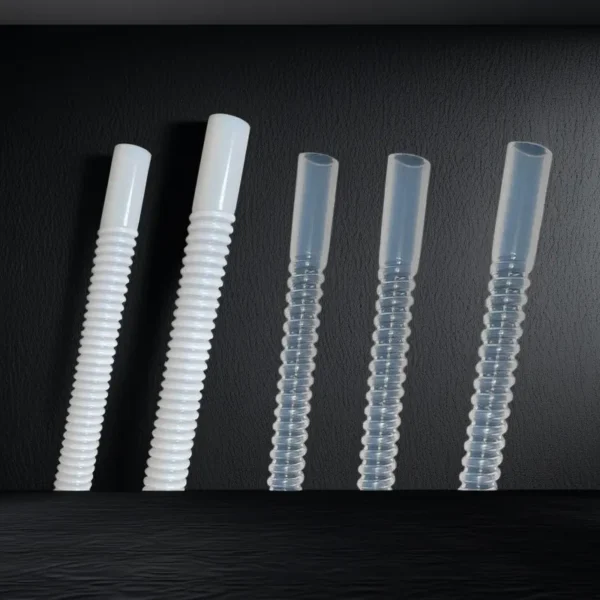
항공우주용 PTFE 주름 연료 호스
PTFE 주름 연료 호스는 항공우주 시스템에서 안정적인 연료 이송을 보장합니다. 테플론 연료 호스는 극한의 온도(-80°C ~ +250°C)와 부식성 연료에 대한 내구성을 갖추고 있습니다. 유연한 스테인리스강으로 강화된 주름 연료 튜브는 진동을 최소화하고 고압 환경에서도 내구성을 보장합니다. 유지 보수가 거의 필요 없는 정밀 연료 분사 시스템에 이상적입니다.
자주 묻는 질문:항공 우주 PTFE 호스 요구 사항 핵심 요약
AS1055 표준의 주요 내용은 무엇이며, 모든 방염 호스가 이를 준수해야 합니까?
AS1055는 기본적으로 항공 우주용 호스의 내화성에 관한 핵심 지침서입니다。 섭씨 1100°C에서 5분 또는 15분 동안 견디는지 여부를 테스트합니다。 모든 호스에 이 규정이 요구되는 것은 아니지만, 엔진이나 화재 구역 근처에 배치될 경우 규정 준수를 위한 필수 사항입니다。 이 과정을 소홀히 하면 FAA 관련 행정적 문제에 직면할 수 있습니다。
PTFE 호스는 금속 소재의 대체재와 비교하여 어느 정도로 경량입니까?
SAE 기준에 따르면,PTFE는 스테인리스강 라인 대비 중량을 50~60% 절감할 수 있습니다。10미터 구간을 기준으로 할 때,이는 가용 하중에서 공구함 하나를 제외하는 것과 같은 효과를 줍니다。드론이나 상업용 차량군의 효율을 극대화하고자 하는 사용자에게 완벽한 선택입니다。
여러 AS 규격을 충족하는 맞춤형 PTFE 호스를 제작할 수 있습니까?
물론입니다, 이는 Teflon X의 핵심 전문 분야입니다。 저희는 AS1055 내화성과 AS620 성능을 결합하여 고객의 압력 및 경로 설정 요구 사항에 최적화된 솔루션을 제공합니다。 상세 정보를 공유해 주시면 신속하게 옵션 시안을 마련해 드리겠습니다。
