
 Korean
  English
  Russian
  French
  German
  Japanese
  Portuguese
  Arabic
  Italian
  Dutch
Dutch  Turkish
  Indonesian
  Polish
  Spanish
다음 프로젝트에 어떤 복잡한 튜브를 선택해야 할지 고민하는 엔지니어라면 혼자가 아닙니다. 저는 굽힘 반경, 유량 제한, 압력 하에서 견디는 방식에 대해 끊임없이 토론하는 회의에 참석했습니다. 복잡한 PTFE 튜브는 화학 물질, 고온, 좁은 공간 등 까다로운 환경에 적합하지만 피치 디자인에 따라 큰 차이가 있습니다. 개방형 피치 또는 폐쇄형 피치? 장황한 설명 없이 간단하게 분석해 보겠습니다.
기본적으로 물결 모양의 PTFE(테프론이라고 부르고 싶다면 테프론)인 컨볼루션 튜브는 직선형의 매끄러운 보어 튜브보다 훨씬 더 많은 유연성을 제공합니다. 파도, 즉 컨볼루션은 꼬임 없이 모퉁이를 돌 수 있게 해줍니다. 하지만 이러한 파동의 간격, 즉 피치에 따라 모든 것이 달라집니다. 오픈 피치는 컨볼루션 사이의 간격이 더 넓어지고, 클로즈드 피치는 더 촘촘해집니다.
복잡한 튜브에서 피치 디자인이란 정확히 무엇인가요?
피치 디자인은 나선형 또는 환형 파가 튜브에 얼마나 가깝거나 멀리 떨어져 있는지를 나타냅니다. 업계에서는 흔히 간격이 좁을수록 "클로즈 컨볼루션" 또는 "클로즈 피치", 넓을수록 "오픈 피치"라고 부릅니다.
실제 설정에서 본 결과, 오픈 피치는 인치당 컨볼루션이 더 적습니다. 따라서 튜브 내부가 더 매끄러워져 흐름이 더 좋고, 물건이 끼는 주머니가 없어 자체 배수에도 좋습니다. 클로즈드 피치는 더 많은 파도를 밀어 넣기 때문에 엄청난 유연성과 매우 타이트한 굽힘 반경을 얻을 수 있습니다.
개방형 피치는 느슨하게 감긴 스프링과 같아서 청소하기 쉽고 액체를 밀어내기 쉽습니다. 닫힌 피치? 더 단단한 스프링, 미친 듯이 구부러지지만 난기류가 조금 더 추가될 수 있습니다.
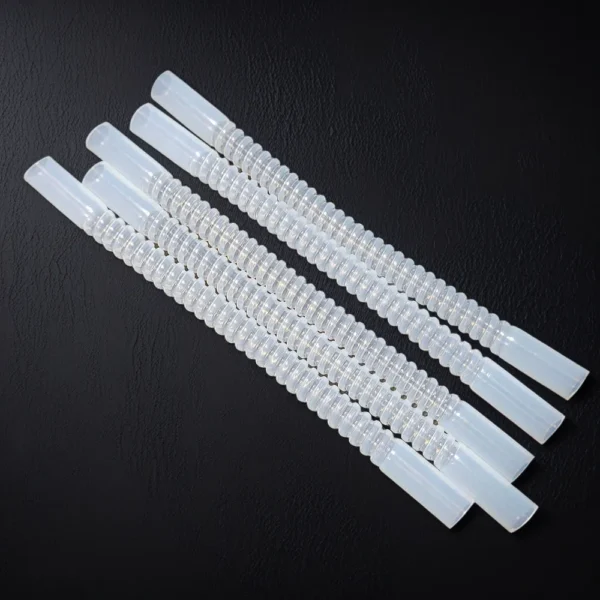
산업 기계용 주름 연료 튜브
PTFE 주름 연료 호스로 제작된 주름 연료 튜브는 EMI 차폐 및 열 안정성을 갖춰 산업 장비를 지원합니다. 테플론 연료 호스 구조는 극한의 온도와 화학 물질에 대한 내성을 갖추고 있습니다. 유연한 설계는 정렬 불량을 보정하여 유지 보수가 용이하고 수명이 연장됩니다.
피치 디자인의 주요 차이점
- 오픈 피치: 더 넓은 컨볼루션, 종종 나선형. 높은 유속과 손쉬운 세척에 적합합니다. 스팀 청소 또는 빠른 배수가 필요한 식품, 제약 및 화학 물질 이송에 일반적으로 사용됩니다.
- 닫힌 피치: 인치당 더 촘촘한 컨볼루션. 극도로 유연하고 굽힘 반경이 작습니다. 비좁은 기계나 지속적으로 움직이는 부품에 적합합니다.
Teflon X에서는 산업용 앱에 두 가지 유형을 모두 공급하고 있으며, 일반적으로 공간과 유량 요구 사항에 따라 선택이 결정됩니다.
유연성 대 흐름 속도: 큰 트레이드 오프
엔지니어는 유연성 대 흐름 속도 사이에서 고민합니다. 구겨지지 않고 날카롭게 구부러지기를 원하지만 흐름이 막혀서는 안 됩니다.
폐쇄 피치는 유연성 측면에서 압도적인 우위를 점합니다. 더 많은 컨볼루션은 붕괴되지 않고 더 단단하게 반복할 수 있음을 의미합니다. 예를 들어, 일부 폐쇄 피치 PTFE 튜브는 작은 크기에서 굽힘 반경이 0.5인치에 불과하지만 개방 피치는 그 두 배가 필요할 수 있습니다.
하지만 유속은? 개방형 피치가 핵심입니다. 간격이 넓을수록 튜브 내부의 단절이 줄어들어 압력 강하가 줄어듭니다. Parker 및 Titeflex와 같은 제조업체의 테스트에서 오픈 피치 설계는 특히 더 큰 ID에서 최소한의 제한으로 더 높은 유량을 지원합니다.
다음은 일반적인 성능을 비교할 수 있는 간단한 표입니다(업계 데이터의 표준 1/2인치 ID 복잡한 PTFE 사양 기준):
| 측면 | 오픈 피치 | 닫힌 피치 |
|---|---|---|
| 굽힘 반경(일반) | 1.5~3인치 | 0.5-1.5인치 |
| 유연성 | 좋지만 더 뻣뻣한 | 뛰어난 초밀착 굴곡 |
| 유량 | 더 높고 매끄러운 내부 프로파일 | 파도로 인해 약간의 제한이 있습니다. |
| 압력 강하 | 낮추다 | 좁은 굴곡에서 더 높이 |
| 자가 배수/청소 | 훌륭한 | 더 많은 주머니 |
| 분쇄 저항 | 강화된 견고함 | 동적 유연성 향상 |
실제 수치는 벽 두께와 브레이드에 따라 다르지만, 일부 호스 카탈로그에 따르면 오픈 피치는 직선 주행에서 10-20% 더 나은 유량을 보이는 경우가 많습니다.
알아야 할 복잡한 PTFE 사양
표준 복잡한 PTFE는 매끄러운 보어를 위해 SAE 100R14와 같은 재료를 충족하지만 복잡한 버전은 그 이상입니다. 최대 500°F의 연속 온도, 산, 용제 등 거의 모든 것에 대한 내화학성, 이름만 대면 알 수 있는 내화학성.
벽 두께도 중요합니다. 진공 또는 고압(최대 3000psig 브레이드)을 위한 두꺼운 벽, 더 큰 ID와 유량을 위한 낮은 프로파일.
다음과 같은 옵션이 있습니다. 골판지 연료 튜브 테플론 X는 기계류에 견고하게 제작되어 뛰어난 유연성과 흐름 균형을 제공합니다. 산업용 연료 라인에 적합한 개방형 피치이며 진동에도 잘 견딥니다.

고압 테프론 브레이드 호스 - 산업용 PTFE 라이닝 플렉시블 호스
이것 PTFE 라이닝 플렉서블 호스 300°C의 단기간 노출 및 극저온 조건을 견뎌냅니다. 꼬불꼬불한 호스 진동 응력을 완화하는 설계로 유압 시스템, 연료 라인 및 용융염 이송에 적합합니다. 논스틱 표면은 오염을 줄이고, 반투명 옵션은 유량 모니터링을 가능하게 합니다.
장단점: 오픈 피치 복잡한 튜빙
오픈 피치는 깔끔함과 흐름이 필요할 때 빛을 발합니다.
장점:
- 더 쉬운 세척 및 자체 배수 - 제약 및 식품 분야에서 큰 도움이 됩니다.
- 압력 강하가 적고 유속이 빠릅니다.
- 열 순환에 적합하며 쉽게 박리되지 않습니다.
- 더 가볍고 설치가 간편한 경우가 많습니다.
단점:
- 유연성은 떨어지고 굽힘 반경은 커집니다.
- 협소한 환경에서는 더 많은 공간이 필요할 수 있습니다.
한 고객이 염소 이송 라인을 오픈 피치로 전환한 프로젝트에서 유량이 개선되고 완전히 배수되어 청소 시간이 단축된 것을 기억합니다.
장단점: 폐쇄 피치 복잡한 튜브
혼잡한 장비 사이로 라우팅하는 경우 폐쇄 피치.
장점:
- 로봇 공학이나 하네스 보호에 적합한 매우 단단한 굴곡.
- 지속적인 유연성으로 피로 저항력이 향상됩니다.
- 일부 디자인에서는 압착에 더 강합니다.
단점:
- 잠재적으로 더 높은 흐름 제한.
- 나선형이 아니면 꼼꼼하게 청소하기 어렵습니다.
- 때로는 추가 컨볼루션으로 인해 비용이 더 많이 들기도 합니다.
익명의 사례: 진동하는 엔진이 장착된 자동차의 경우, 닫힌 피치는 균열 없이 오래 지속되는 반면, 부드럽게 열린 피치는 더 빨리 피로해졌습니다.
오픈 피치와 클로즈 피치를 선택해야 하는 경우
흐름과 청결이 최우선이라면 개방하세요. 연료 라인, 증기 또는 고순도 유체처럼 말이죠.
와이어 하네스, 로봇 팔, 소형 기계 등 공간이 협소하거나 움직임이 많은 경우 닫힙니다.
크기, 브레이드(압력용 스테인리스), 정전기가 문제가 되는 경우 전도성 등 복잡한 PTFE 사양에 따라 많은 것이 달라집니다.
유연성 대 유속 논쟁에서는 가능하면 샘플을 테스트해 보세요. 저희는 사람들이 사용해 볼 수 있도록 Teflon X에서 많은 양의 샘플을 발송했습니다.
실제 적용 사례 및 빠른 스토리
산업 기계에서 개방형 피치 복잡한 튜브는 연료와 화학 물질을 원활하게 처리합니다. 화학 공정의 한 고객은 더 나은 배수를 위해 개방형으로 전환하여 가동 중단 시간을 줄였습니다.
폐쇄형 피치는 의료 기기 어셈블리의 공간을 절약하여 부품을 꼬임 없이 구부릴 수 있습니다.
우리의 골판지 연료 튜브 는 유사한 설정에서 흐름에 영향을 주지 않으면서도 안정적으로 유연하게 사용할 수 있는 솔루션입니다.
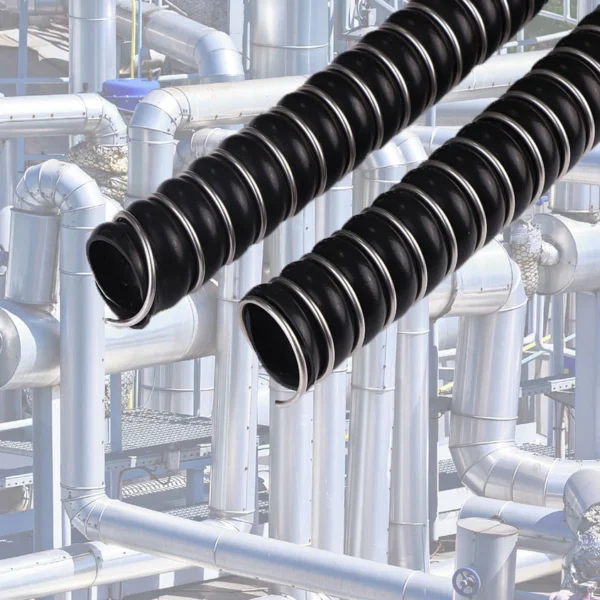
테프론 X PTFE 호스 - 기계용 주름형 유연 파이프
테플론 X PTFE 호스는 기계, 화학 및 디지털 하드웨어 산업에 탁월한 유연성과 강도를 제공합니다. 이 주름진 플렉시블 파이프는 더욱 매끈해진 내벽을 통해 유체 흐름을 개선하고 CIP/SIP 세척을 용이하게 합니다. 진공 및 고압에 대한 내구성을 강화한 이 검은색 주름 호스는 고객의 요구에 맞춰 제작됩니다.
자주 묻는 질문
오픈 피치와 클로즈드 피치 복잡한 튜브의 주요 차이점은 무엇인가요?
개방형은 더 나은 흐름과 배수를 위해 웨이브 간격이 넓고, 폐쇄형은 최대한의 유연성과 작은 굴곡을 위해 더 단단합니다.
피치 설계가 유연성과 유량에 어떤 영향을 미칠까요?
피치가 좁을수록(닫힘) 유연성이 향상되지만 흐름이 제한될 수 있습니다. 더 넓게(개방) 하면 흐름을 높게 유지하지만 구부릴 공간이 더 필요합니다.
피치에 대한 복잡한 표준 PTFE 사양이 있나요?
매우 엄격하지는 않지만 많은 제조업체가 항공우주 분야에서는 AMS-T-81914를, 일반 분야에서는 SAE를 따릅니다. 제조사마다 다르므로 굽힘 반경과 압력 등급을 확인하세요.
고압력 앱에는 어떤 것이 더 적합할까요?
둘 다 압력을 위해 땋을 수 있지만, 개방형일 때 압력을 많이 받지 않고 더 높은 유량을 처리하는 경우가 많습니다.
여전히 옵션을 고려하고 있다면 문의해 주세요. 구체적인 내용을 문의하거나 샘플을 보내거나 맞춤형 견적을 받아볼 수 있습니다. 저희의 연락처 페이지 또는 이메일 앨리슨.예@테프론x.com. 또는 다음 사이트에서 자세한 내용을 확인하세요. 테프론x.com.
수많은 엔지니어가 올바른 선택을 할 수 있도록 도와드렸으니 여러분도 골치 아픈 고민을 덜 수 있을 것입니다.
