
 Korean
  English
  Russian
  French
  German
  Japanese
  Portuguese
  Arabic
  Italian
  Dutch
Dutch  Turkish
  Indonesian
  Polish
  Spanish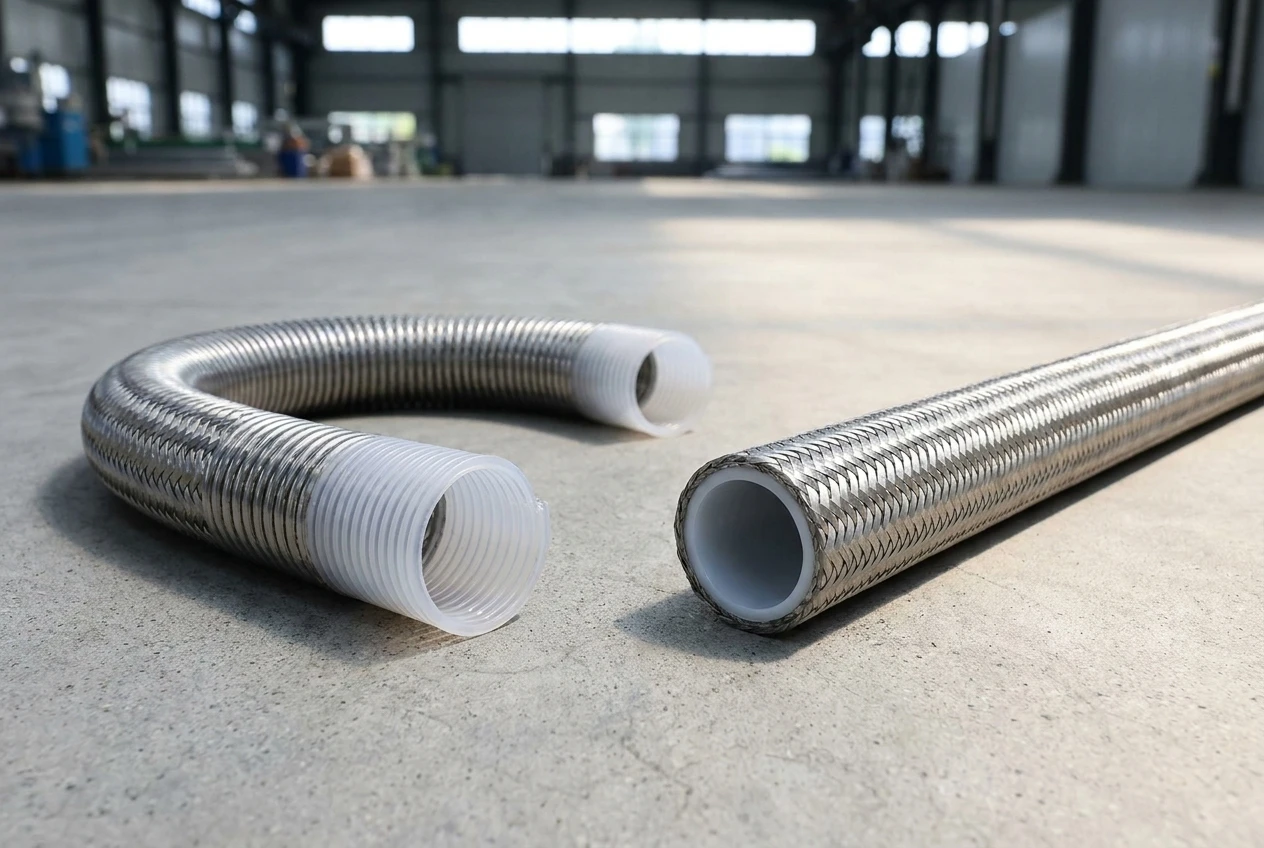
Look, I’ve been in this game long enough to know that when a maintenance manager calls me at 2 a.m. because a chemical line just failed, the first question is almost never “what’s the chemical?” It’s usually “how tight do I need to bend this damn hose?”
That single question is why the smooth bore vs corrugated PTFE hose debate refuses to die. Both hoses are made from the same miracle material—PTFE—but they behave completely differently in the real world of factories, tank farms, and batch plants.
After helping dozens of MRO teams pick the right one (and watching a few pick the wrong one), I figured it was time to lay it all out. No corporate fluff. Just the stuff that actually matters when you’re trying to keep product flowing and people safe.
What Exactly Are We Comparing?
Smooth bore PTFE hoses are exactly what they sound like—perfectly straight and smooth on the inside. Think of it as a highway with no speed bumps. The fluid glides through with minimal turbulence.
Corrugated PTFE hoses have those signature rings around them. They look a bit like a vacuum cleaner hose had a baby with a French horn. Those convolutions give the hose its superpowers… and its weaknesses.
Both are usually stainless steel braided on the outside for pressure containment, but it’s what’s happening inside that determines whether your transfer goes smoothly or becomes a maintenance headache.
The Great Trade-Off: Flow Rate vs Flexibility
Here’s the part most engineering specs don’t tell you: you can’t have both maximum flow 그리고 maximum flexibility in the same hose.
I put together this comparison table based on real 1-inch hoses we’ve tested in the field:
| 요인 | 부드러운 보어 PTFE 호스 | 주름형 PTFE 호스 | Winner for Chemical Transfer? |
|---|---|---|---|
| 유량 | Excellent (baseline 100%) | 15-25% lower due to turbulence | 매끄러운 내경 |
| 최소 굽힘 반경 | 6-8x hose diameter | 1.5-2x hose diameter | Corrugated (by a mile) |
| 압력 등급 | Usually higher | Slightly lower | 매끄러운 내경 |
| Turbulence/Cleanability | 매우 낮음 | 더 높은 | 매끄러운 내경 |
| Kink Resistance | 가난한 | 훌륭한 | Corrugated |
| 무게 | Lighter | Slightly heavier | 매끄러운 내경 |
| 가격 | 낮추다 | 20-35% more expensive | 매끄러운 내경 |
These aren’t theoretical numbers. They come from actual installations where we measured flow before and after switching hose types.
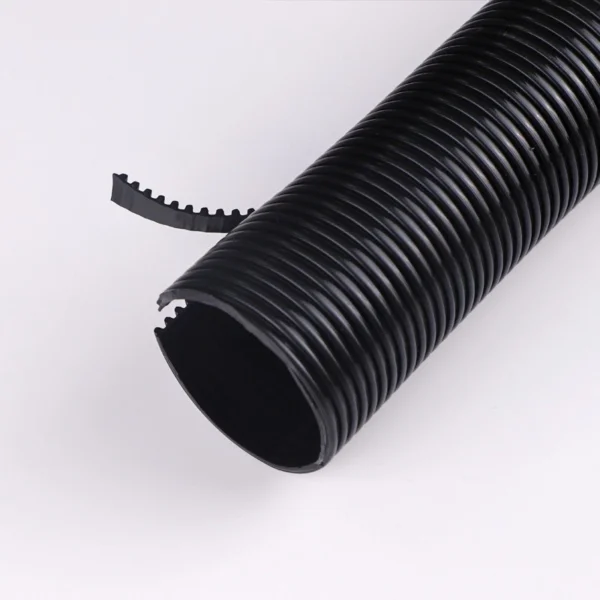
식품 가공용 유연한 PTFE 내부 평면 외부 골판지 튜빙
당사의 유연한 PTFE 내부 평면 외부 골판지 튜브는 세척이 용이하도록 매끄러운 내부 층과 식품 가공 라인의 유연성을 위해 골판지 외부 층으로 설계되었습니다. 이 매끄러운 내부 보어 외부 골판지 PTFE 튜브는 FDA 규정을 준수하는 무독성 식품 및 음료 이송을 보장합니다.
점성 물질을 운반하는 데 적합한 PTFE 벨로우즈 튜브는 향미 오염을 방지하고 잦은 세척에도 잘 견딥니다.
이 내부 평면 외부 파형 골판지 파이프를 귀하의 설비에 통합하세요. PTFE 내부 평면 외부 골판지 튜빙 구조는 위생과 내구성을 보장합니다.
When Flow Rate Is Everything
If you’re transferring high-value solvents or need to empty a reactor in 45 minutes instead of 90, smooth bore is usually the clear winner.
I remember one bulk chemical terminal that was losing serious money on slow railcar unloading. They were using 2″ corrugated hoses because “that’s what we’ve always used.” We switched them to smooth bore PTFE hose with the same fittings and immediately picked up 22% faster unloading times. The plant manager bought me a steak dinner. True story.
The physics here is straightforward. The smoother the bore, the less turbulence. Less turbulence means less pressure drop. Hagen-Poiseuille wasn’t messing around when he wrote that flow is proportional to the fourth power of the radius. Even small increases in effective turbulence kill your flow rate.
When Flexibility Changes the Game
But here’s where it gets interesting.
About 18 months ago, a specialty coatings manufacturer called us in a panic. Their new batch reactor had been designed by engineers who clearly never had to maintain anything in their lives. The hose connections were in an absolute nightmare location—tight clearances, weird angles, and zero room for error.
A smooth bore hose would have required three additional elbows and two extra connections. More connections = more leak points. More leak points = more headaches when transferring aggressive solvents.
We installed our PTFE 골판지 호스 instead. The difference was night and day. One hose instead of a Rube Goldberg contraption. The operators went from fighting with the connection every batch to making it in under 90 seconds.
That’s the real-world side of PTFE hose selection that spreadsheets don’t capture.
The Chemical Transfer Reality Check
PTFE itself is fantastic stuff. It laughs at most chemicals that would eat through stainless steel in days. But the hose design affects more than just flow and flexibility.
Smooth bore advantages for chemical transfer:
- Better cleanability (critical for product changeovers)
- Lower risk of product entrapment
- More predictable flow characteristics
- Generally better for high-purity applications
Corrugated advantages for chemical transfer:
- Dramatically reduced stress on fittings from vibration and movement
- Much easier routing in crowded equipment skids
- Better resistance to kinking when the hose gets abused (and it will)
- Can often eliminate additional fittings
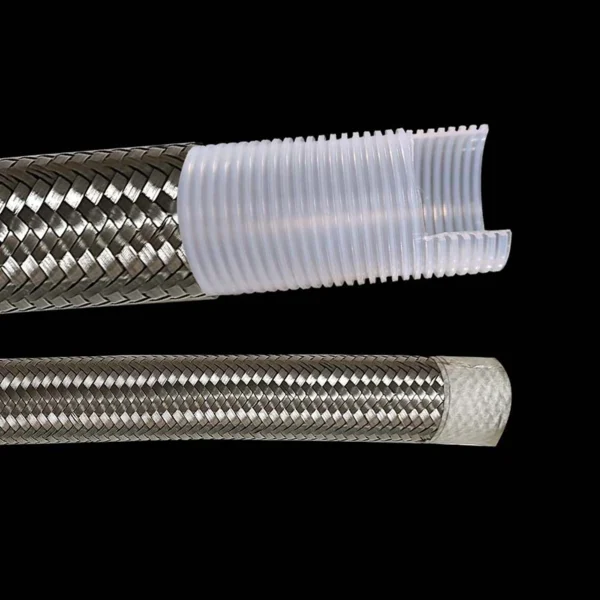
PTFE 벨로우즈 튜브: 제약용 내부 평면 외부 골판지
내부는 평평하고 외부는 주름진 PTFE 벨로우즈 튜브로, 제약 산업에 위생적이고 오염 없는 성능을 제공합니다. 내부는 매끈한 보어에 외부는 주름진 PTFE 튜브로, 제품 이송을 원활하게 하고 강력한 살균제에도 강합니다.
멸균 환경에 적합한 내부 평면 외부 웨이브 골판지 파이프는 약물 제조 공정에서 순도를 유지하며, 강도를 떨어뜨리지 않으면서도 유연성을 제공합니다.
효율성을 높이기 위해 PTFE 내부 평면 외부 골판지 튜빙을 선택하세요. PTFE 내부 평면 외부 골판지 파이프와 유사한 벨로우즈와 같은 구조로 엄격한 산업 표준을 준수합니다.
Making the Right PTFE Hose Selection
Here’s my no-BS decision framework that I give to every maintenance supervisor who asks:
Choose smooth bore if:
- Your transfer times directly affect production rates
- You need to maintain strict temperature control (less turbulence = more consistent heat transfer)
- Cleanability between batches is non-negotiable
- You have relatively straight runs with few obstacles
Choose corrugated if:
- The hose has to navigate tight spaces or complex routing
- The equipment moves or vibrates significantly
- You’re tired of replacing kinked smooth hoses
- You want to reduce the number of connection points
And yes, sometimes the right answer is… both. Different applications within the same plant often need different solutions. One of our clients uses smooth bore for their main transfer lines and corrugated for the flexible drops at the end of each line. Smart.
What the “Experts” Get Wrong
Can I be controversial for a second?
A lot of corporate procurement teams look at these two options and immediately default to smooth bore because the initial price is lower and the flow numbers look better on paper. Then six months later they’re replacing kinked hoses and dealing with leaks at all the extra fittings they needed to make the stiff hose work.
Sometimes the “premium” corrugated option is actually cheaper when you look at total cost of ownership.
I’ve seen plants save thousands by spending a bit more upfront on the right 테프론 X corrugated hose instead of fighting with the wrong smooth bore hose for years.
Maintenance Tips That Actually Matter
Doesn’t matter which one you pick—both need some love:
For smooth bore: Watch for external abrasion and be careful during installation. Once kinked, they’re basically done.
For corrugated: The convolutions can trap material if not flushed properly. We recommend a dedicated cleaning protocol between certain products.
Both types benefit enormously from proper length selection. Too short and you destroy the hose. Too long and it becomes a whipping hazard.
The Bottom Line
There isn’t one universally “best” choice in the smooth bore vs corrugated PTFE hose debate. There’s only the best choice for your specific application.
Most plants I work with end up using both types for different purposes once they understand the trade-offs. The ones that insist on using only one type are usually fighting unnecessary battles.
If you’re tired of guessing which PTFE hose will work best for your chemical transfer needs, we should talk. Our team has helped factories across North America solve these exact problems.
Stop wrestling with hoses that fight back.
→ Get in touch with us here or drop me an email at 앨리슨.예@테프론x.com. Tell me your application details and I’ll tell you honestly which way I’d go.
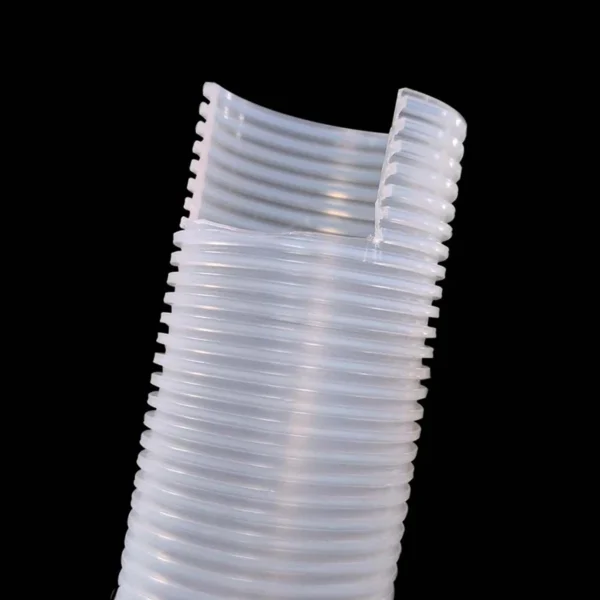
산업용 유체 취급용 매끄러운 보어 주름진 PTFE 튜빙
효율적인 흐름을 위한 내부 평탄면과 산업용 유체 취급 시 향상된 유연성을 위한 외부 주름층을 갖춘 스무스 보어 주름형 PTFE 튜빙을 만나보세요. 이 PTFE 내부 평탄 외부 주름관은 탁월한 내화학성과 열 안정성을 제공하여 안정적인 성능을 위한 최고의 선택입니다.
석유화학 공정과 같은 응용 분야에서 내부 플랫 외부 웨이브 골판지 호스는 난류와 빌드업을 최소화하여 깨끗한 작업을 보장합니다.
PTFE 구조로 제작된 이 내부 매끄러운 보어 외부 주름 PTFE 튜브의 튜빙 버전은 복잡한 시스템에서의 설치 용이성과 긴 수명으로 돋보입니다.
자주 묻는 질문
질문:주름형 PTFE 호스가 실제로 유량을 그렇게까지 많이 감소시키나요?
A:네,일반적으로 주름 설계 및 유체 점도에 따라 15-25% 정도입니다。하지만 주름진 호스를 사용하여 엘보우를 제거하고 경로를 더 직선화할 수 있다면,때때로 더 나은 복잡하게 설치된 매끄러운 내경 호스보다 더 높은 전체 시스템 유량을 확보할 수 있습니다。
질문:식품 등급 또는 고순도 용도로 주름 호스를 사용할 수 있습니까?
A:물론입니다,적절한 인증을 충족하는 호스를 선택한다면 가능합니다。주름진 구조라고 해서 자동으로 부적격 판정을 받는 것은 아니지만,세척 밸리데이션의 중요성이 더 커집니다。
질문: 스무스 보어의 곡률 반경이 너무 작게 설정되었는지 어떻게 확인할 수 있습니까?
A: 무리하게 위치를 잡으려 하거나 굴곡부에서 납작해지는 현상이 관찰된다면 너무 팽팽한 것입니다。 대개 이럴 때 파형 호스로의 교체를 권장합니다。 동적 응용 분야에서 매끄러운 내경 호스를 사용하는 경우, 호스 내경의 최소 6배 이상을 확보하는 것이 권장 지침입니다。
질문:두 대상 간의 수명 차이는 어떻게 됩니까?
A: 동일한 용도에서 매끄러운 내경은 굴곡 피로가 적어 수명이 더 긴 경우가 많습니다。 하지만 매끄러운 내경이 꼬이거나 응력을 받는 용도에서는 주름관이 훨씬 더 오래 견딜 것입니다。
