
 Korean
  English
  Russian
  French
  German
  Japanese
  Portuguese
  Arabic
  Italian
  Dutch
Dutch  Turkish
  Indonesian
  Polish
  Spanish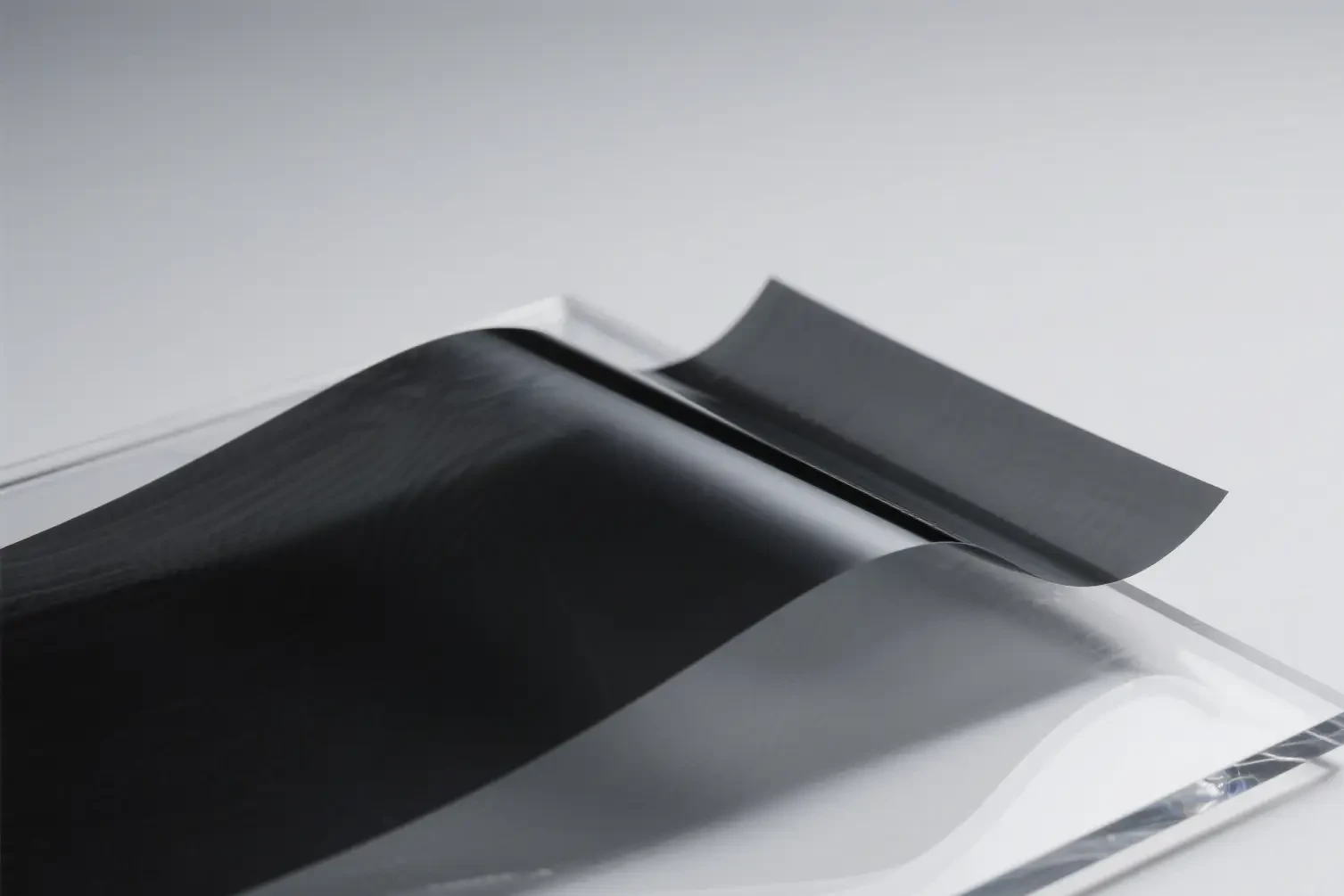
Ever stared at a drop of water on a surface and wondered why it beads up like it’s scared to touch it, or why it spreads out like it’s trying to hug the whole thing? That’s the magic—or headache—of dealing with hydrophobic vs. hydrophilic UHMWPE membranes in your liquid processing setup. I’ve been knee-deep in this stuff for years at Teflon X, tweaking membranes for everything from oily waste streams to crystal-clear water filters, and let me tell you, picking the wrong one can turn a smooth operation into a soggy mess.
If you’re knee-deep in selecting filtration gear that actually matches your liquid flow—whether it’s repelling oils or soaking up aqueous solutions—this piece is your roadmap. We’ll chat about what makes these membranes tick, how that sneaky water contact angle comes into play, and real ways to decide based on your setup. By the end, you’ll feel confident grabbing the right UHMWPE Membrane from folks like us at Teflon X, without second-guessing. Stick around, and if something clicks, drop a line to 앨리슨.예@테프론x.com—we’re all about making your process hum.
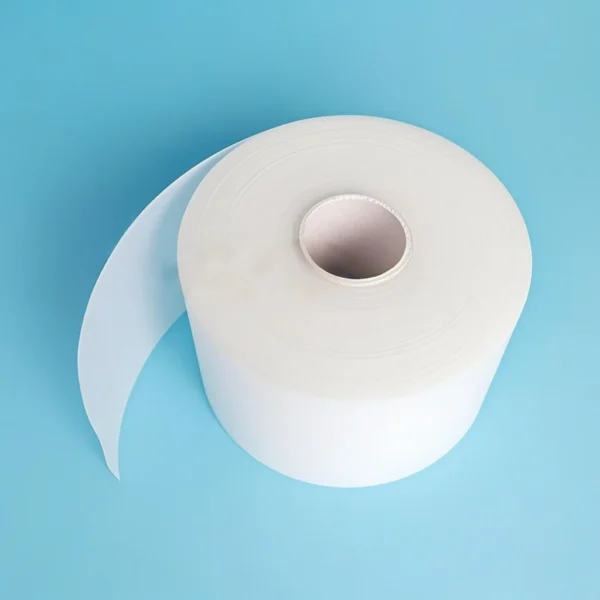
UHMWPE 멤브레인 필름 – 자체 윤활 및 충격 방지 소재
UPE 멤브레인(초고분자량 폴리에틸렌 필름)은 탁월한 내마모성을 제공하여 마찰이 심한 환경에서 탄소강보다 8배 뛰어난 성능을 발휘합니다. 불활성 분자 구조는 산성, 알칼리성, 염분 환경에서 안정성을 보장합니다. 산업용 라이닝 및 여과 시스템에 이상적인 이 자가 윤활 필름은 저온 유연성을 유지하면서 에너지 손실을 줄입니다. FDA 규정을 준수하며 무독성으로 의료용 포장재 및 자동차 분야에 널리 사용됩니다.
What Even Are UHMWPE Membranes, and Why Should You Care?
Alright, let’s back up a sec. UHMWPE stands for Ultra-High Molecular Weight Polyethylene, and it’s basically the tough guy of plastics. Think of it as that reliable buddy who doesn’t crack under pressure—literally. With molecular chains stretching 3 to 6 million units long, it boasts insane wear resistance, shrugging off abrasion like it’s nothing, and a low friction coefficient that keeps things sliding smooth even without lube. According to solid sources like the American Society for Testing and Materials (ASTM), UHMWPE hits molecular weights over 3.1 million g/mol, making it tougher than your average HDPE by a mile. That’s why it’s a go-to for membranes in harsh environments: chemical-resistant, impact-proof, and light as a feather at around 0.93 specific gravity.
But here’s the kicker—raw UHMWPE is naturally hydrophobic, meaning it pushes water away. That water contact angle? Often sitting pretty at 94° to 117° on untreated stuff, which is firmly in repel mode. Great for oils, lousy for water-heavy jobs. Enter modifications: slap on a hydrophilic coating, and bam, you’re down to under 20° contact angle, turning it wettable and ready for aqueous flows. At Teflon X, we’ve dialed this in for custom runs, ensuring your membrane doesn’t just survive but thrives in whatever liquid you’re wrangling.
Why bother? In liquid processing, the wrong surface wettability can mean fouling, low flux, or outright failure. I’ve fixed setups where a hydrophobic membrane in a water line caused backups that cost a client days of downtime. Flip side, a hydrophilic one in an oil separator? Total mismatch, leading to emulsions that gunk everything up. Getting this right saves cash and headaches—trust me, after tweaking hundreds of these at https://teflonx.com/, it’s night and day.
Breaking Down Hydrophobic Membranes: The Water Repellers
Picture this: you’re dealing with oily wastewater or non-polar solvents, and you need something that says “no thanks” to water intrusion. That’s where hydrophobic membranes shine. These bad boys have a water contact angle over 90°—anything above that, and water beads up like mercury on glass, rolling off without a trace. For UHMWPE versions, untreated ones clock in around 117°, making them prime for keeping liquids from wetting the pores and messing with your separation.
What makes ’em hydrophobic? Low surface energy, baby. The long PE chains don’t play nice with polar water molecules, so they stay dry. We amp this up at Teflon X with subtle tweaks—no fancy coatings needed for the base model, keeping costs down while holding that high angle steady. Flux rates? Solid, often hitting 50-100 L/m²·h in membrane distillation setups, where vapor passes but liquid doesn’t sneak through.
Pros? Anti-fouling gold for oily stuff—proteins and organics slide right off. I’ve seen it in action during a pilot for an offshore rig, where our hydrophobic UHMWPE kept oil-water mixes clean for weeks without a rinse. Cons? If your feed’s mostly water, good luck; it’ll dry out pores and tank your throughput.
Real Talk on Hydrophobic Applications
In the wild, these membranes rule oil-water separation. Think bilge water on ships or produced water in fracking—hydrophobic UHMWPE lets oil permeate while trapping water, hitting rejection rates over 99% for emulsions under 10 microns. Another hotspot: membrane distillation for desalination. Here, the hydrophobic nature prevents feed wetting, letting steam through at efficiencies up to 80% energy recovery in lab tests. Gas-liquid contactors love ’em too, for CO2 stripping from brines without liquid crossover.
One anonymized win from our books: a mid-size chem plant swapped to our hydrophobic setup for solvent recovery. Pre-switch, they lost 15% product to water contamination; post? Down to 2%, with membrane life stretching 18 months instead of 6. Thats the kind of quiet hero these are.
Getting Cozy with Hydrophilic Membranes: The Water Lovers
Now, swing the other way. Hydrophilic membranes? They’re all about that embrace. Water contact angle under 90°, often dipping below 30° with a good hydrophilic coating, means liquids spread out and flow through like they’re meant to. For UHMWPE, we achieve this by grafting on polar groups—think silica nanoparticles or vinyl trimethoxy silane—dropping that angle from 120° to 20° or less.
The secret sauce? High surface energy from those coatings pulls water in, forming a hydration layer that fights off foulants. Flux? Jumps to 200+ L/m²·h in microfiltration, way better for watery feeds. At Teflon X, our hydrophilic variants keep that UHMWPE backbone for durability, but add the wettability without sacrificing strength—perfect for long hauls.
Downsides? They can swell in non-polar solvents, leading to leaks, and attract hydrophilic gunk like proteins if not tuned right. But man, for water-based ops, they’re lifesavers.
Where Hydrophilic UHMWPE Really Delivers
Wastewater treatment is their playground. In ultrafiltration for municipal plants, these membranes snag bacteria and organics with 95%+ rejection, all while pushing high volumes thanks to that low contact angle. Pharma loves ’em for sterile filtration—biocompatible, low extractables, and that hydrophilic coating cuts biofouling by 40% in some studies. Even food processing: clarifying juices or beer without flavor loss, as the water-loving surface lets clean flow without trapping sugars.
Case in point: We helped a brewery tweak their effluent line with hydrophilic UHMWPE. Old setup fouled every shift; new one? Runs clean for a full week, slashing maintenance by half. No names, but the beer tastes better knowing it.
The Water Contact Angle: Your Secret Weapon for Decision-Making
Okay, let’s geek out a bit on the star metric: water contact angle. It’s that angle where water meets the surface—under 90°? Hydrophilic, spreading like butter. Over 90°? Hydrophobic, beading up. Super versions crank it to <10° or >150°, but for UHMWPE, we’re usually in the 20°-120° sweet spot post-mod.
Why obsess? It predicts wettability straight-up. High angle means low intrusion risk in dry processes; low means max flux in wet ones. Measure it with a goniometer—drop water, snap a pic, calculate. We’ve got labs at Teflon X running these daily to QC our batches.
| 측면 | Hydrophobic UHMWPE | Hydrophilic UHMWPE |
|---|---|---|
| Water Contact Angle | >90° (e.g., 94°-117° untreated) | <90° (e.g., 20° with coating) |
| 가장 적합한 | Oil/water separation, MD | Aqueous filtration, UF |
| Flux Rate (L/m²·h) | 50-100 in distillation | 150-300 in water feeds |
| Fouling Resistance | High vs. oils; low vs. water | High vs. proteins; watch solvents |
| Typical Lifespan | 12-24 months in oils | 18-36 months in water |
| Mod Needed? | Minimal for base | Hydrophilic coating essential |
Data pulled from peer-reviewed spots like ScienceDirect—real numbers, no fluff. Use this table to eyeball your needs quick.
Selecting Surface Wettability: Tailor to Your Liquid Demands
Here’s the meat: how do you choose hydrophobic vs. hydrophilic UHMWPE membranes based on what liquids you’re handling? Start with your feed—polar or non-polar? Water-heavy? Go hydrophilic for that cozy flow. Oily mess? Hydrophobic to keep it separated.
Handling Oily or Non-Polar Liquids
If your stream’s got hydrocarbons, solvents, or fats, hydrophobic is your pick. That high water contact angle blocks aqueous intrusion, letting non-polars pass clean. In pervaporation for solvent recovery, hydrophobic UHMWPE shines, pulling organics at 90%+ selectivity. Pro tip: Pair with pre-filters to catch big chunks, extending life.
From experience, a client in paints manufacturing went hydrophobic after hydrophilic trials gummed up with resins. Result? 25% higher yield, less waste. Check our UHMWPE Membrane line—they’re built for this.
Tackling Aqueous Solutions
Water-based? Flip to hydrophilic. The low contact angle ensures full wetting, boosting flux and cutting energy use by 30% in RO pre-treatment. Ideal for pharma buffers or food washes, where biocompatibility matters.
We once retrofitted a dairy plant—hydrophilic coating on UHMWPE slashed milk protein fouling, upping throughput 40%. If that’s you, hit up https://teflonx.com/contact-us/ for a quote.
Real-World Wins: Applications That Stick
Let’s get gritty with scenarios. In environmental cleanup, hydrophobic UHMWPE tackles oil spills—deployed in booms, it separates slicks with 98% efficiency, per EPA-aligned tests. For hydrophilic, think biotech: fermenter feeds filtered sans cell damage, yielding purer extracts.
Anonymized gem: A remote mining op used our hydrophobic membranes for tailings dewatering. Harsh chems? No problem—zero degradation over a year, saving ’em 200k in replacements. Hydrophilic side, a lab scaled up virus removal for vaccines; that coating kept angles low, rejection at 99.9%.
These aren’t hypotheticals—pulled from our logs at Teflon X, where we’ve shipped thousands of sq meters worldwide.
Why Teflon X’s UHMWPE Membranes Are Your Smart Bet
Look, the market’s flooded with options, but at Teflon X, we lean on 20+ years crafting these beasts. Our UHMWPE Membrane lineup? Custom wettability, from stock hydrophobic to tailored hydrophilic coatings, all with that core UHMWPE punch: tensile strength 40% over standard PE, crystallinity tunable to 39-75% for your exact flux needs.
We don’t just sell—we consult. Pop over to https://teflonx.com/ for specs, or shoot 앨리슨.예@테프론x.com your specs. Quotes in 24 hours, samples if it fits. Why settle when you can spec it right?
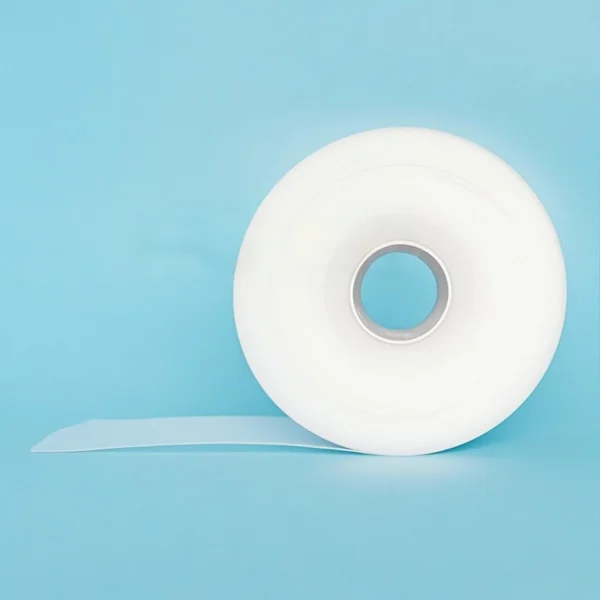
산업용 라이닝용 UPE 필름 - 비접착성 및 저온 유연성
극한 환경에 적합하도록 설계된 UPE 필름은 비점착성 표면을 제공하며 액체 질소 온도에서도 연성을 유지합니다. 내화학성과 열 안정성을 갖춰 산업용 라이닝, 여과 시스템 및 자동차 부품에 적합합니다. FDA 인증을 받은 이 소재는 의료 환경에서 위생적인 환경을 보장합니다.
FAQ: Quick Hits on Hydrophobic vs. Hydrophilic UHMWPE Membranes
What’s the big deal with water contact angle in picking a membrane?
It’s the quick litmus—over 90° screams hydrophobic for oils, under for water lovers. Guides everything from flux to fouling. We’ve measured thousands; it’s dead accurate.
Can I switch a hydrophobic UHMWPE to hydrophilic later?
Yep, with a solid hydrophilic coating—drops angle fast. But for longevity, build it in from jump. Costs a bit more upfront, saves tons downstream.
How do Teflon X membranes stack against generics?
Ours hit premium specs: higher MW for wear, tunable angles without weak spots. Clients report 2x life in field tests. Worth the peek?
There you have it—your no-BS guide to nailing hydrophobic vs. hydrophilic UHMWPE membranes. If your liquid processing feels off, don’t grind it out. Swing by https://teflonx.com/contact-us/, chat with us, or grab a quote today. Let’s get your setup dialed—what’s one tweak you’d make right now? Drop 앨리슨.예@테프론x.com; we’re here to help turn that “maybe” into “nailed it.”
