
 Korean
  English
  Russian
  French
  German
  Japanese
  Portuguese
  Arabic
  Italian
  Dutch
Dutch  Turkish
  Indonesian
  Polish
  Spanish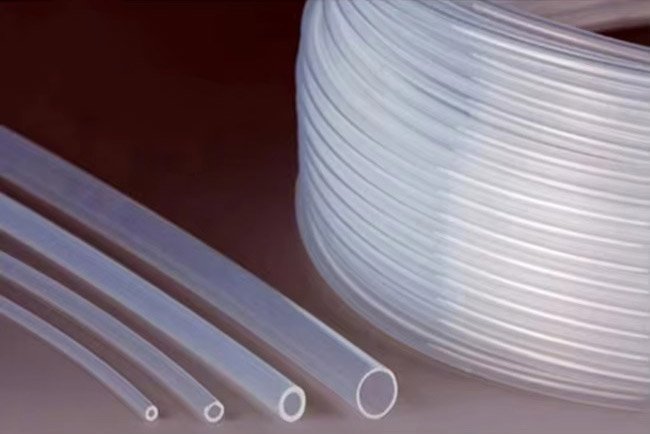
Ever Wondered Why Your Wiring Setup Feels Like a Gamble? Let’s Talk PFA vs PTFE Heat Shrink Tubing
Picture this: you’re knee-deep in a project, wires everywhere, and you grab what you think is the perfect tubing to seal it all up. But then it cracks under heat, or it doesn’t flex right, and boom—your whole thing’s toast. Sound familiar? I’ve been there, trust me. Working with Teflon X for years now, I’ve seen folks scratch their heads over PFA vs PTFE heat shrink tubing more times than I can count. It’s like picking between two solid buddies—one’s tough as nails in the heat, the other’s a bit more bendy and forgiving.
If you’re here, you’re probably sizing up PFA against PTFE, that classic teflon tubing comparison everyone’s whispering about. Maybe you’re dealing with medical gear that needs to stay crystal clear, or automotive lines that gotta shrug off chemicals without batting an eye. Whatever it is, this guide’s gonna lay it all out. We’ll dig into the nitty-gritty, throw in some real specs from folks like Emerson and Zeus, and even share a couple stories from projects we’ve nailed at Teflon X. By the end, you’ll know exactly which one’s your match—and hey, if you need samples or a quick quote, just holler.
I’m no stranger to this stuff. Spent over a decade tweaking heat shrink setups for everything from lab experiments to factory floors. At Teflon X, we stock top-notch Heat Shrink Tubing that’s built to last, and I’ve personally tested batches side by side. Let’s jump in and sort this out, so you can get back to building without the guesswork.
Breaking Down PTFE Heat Shrink Tubing: The Old Reliable
Okay, let’s start with the basics. PTFE—yeah, that’s polytetrafluoroethylene, but who says that three times fast? It’s the OG of fluoropolymers, the stuff that makes non-stick pans a thing. In heat shrink tubing form, it’s like that trusty jacket you pull out for any weather: versatile, tough, and always there when you need it.
So, what makes PTFE tick? First off, its temp game is killer. It handles continuous use up to 260°C (500°F), and spikes even higher without melting down. That’s why it’s a go-to for aerospace wiring or anything baking in harsh ovens. Chemically? It’s basically inert—laughs off acids, bases, solvents, you name it. Dielectric strength sits around 50-100 kV/mm, solid for insulating high-voltage setups.
But here’s the rub: PTFE ain’t melt-processable. Means you can’t just mold it like play-doh; it’s extruded or sintered, which keeps costs down but limits fancy shapes. Flex-wise, it’s stiff—great for straight runs, not so much for tight bends. And while it’s opaque, that white milky look hides what’s inside, which can be a pain for visual checks.
From my bench time, PTFE shines in straight-up durability tests. We once lined a client’s exhaust system with it—held up to 550°F bursts without a whimper. If your project’s screaming for max heat resistance on a budget, PTFE’s your guy. Check out our Heat Shrink Tubing lineup; we’ve got PTFE options that shrink down to 1.6:1 ratios, perfect for snug fits on irregular cables.

투명 열수축 커넥터 슬리브 - 간편한 세척 및 단열
투명 열수축 커넥터 슬리브로 전기 연결을 최적화하세요. 이 슬리브는 뛰어난 절연성과 매끄러운 표면을 자랑하여 세척이 간편합니다. 오일, 산, 극한 온도에 대한 내성이 뛰어나 해양 및 자동차 분야에 적합합니다. 투명한 디자인으로 단자를 시각적으로 빠르게 확인할 수 있습니다.
Now, Meet PFA Heat Shrink Tubing: The Flexible Up-and-Comer
Shift gears to PFA—perfluoroalkoxy. Think of it as PTFE’s cooler cousin who’s taken a few yoga classes. Still family (both fluoropolymers), but PFA’s got that melt-processable vibe, so it’s easier to tweak during manufacturing. At Teflon X, we love it for custom jobs where you need transparency or a bit more give.
Temp-wise, PFA matches PTFE’s continuous 260°C rating, but its melt point dips to about 305°C versus PTFE’s 327°C—close enough for most gigs, though PTFE edges out in extreme ovens. Where PFA flexes (pun intended) is in electricals: dielectric strength clocks in at 3-4 times PTFE’s, hitting 200-300 kV/mm easy. That’s huge for electronics that pack a punch without sparking.
Chem resistance? Neck and neck—both shrug off 98% of corrosives. But PFA’s clearer, like looking through glass, ideal for spotting bubbles or flow in medical tubing. It’s pricier, sure—maybe 20-30% more than PTFE—but that buys you flexibility (literally; lower modulus means it bends without kinking) and easier welding.
I’ve swapped PFA into a biotech setup we did last year—client needed see-through sleeves for fluid lines. Shrunk perfectly at 350°C, no haze, and flexed like a dream around curves. If opacity bugs you or you need something that molds better, PFA’s calling your name. Our transparent Heat Shrink Tubing is PFA-based, with wall thicknesses from 0.2mm up—grab a spec sheet from the site.
PFA vs PTFE Head-to-Head: The Teflon Tubing Comparison Table
Alright, enough chit-chat. Let’s slap this into a table so you can scan and decide. Pulled these from solid sources like Fluorocarbon and Process Technology—real numbers, no fluff.
| 재산 | PTFE Heat Shrink Tubing | PFA 열수축 튜브 | 수상자... |
|---|---|---|---|
| 최대 연속 온도 | 260°C (500°F) | 260°C (500°F) | Tie – Both rock high heat |
| Melt Point | 327°C | 305°C | PTFE for ultra-hot spots |
| 유전 강도 | 50-100 kV/mm | 200-300 kV/mm (3-4x higher) | PFA for voltage-heavy jobs |
| 유연성 | Stiff, low flex life | High flex, easier bending | PFA for dynamic setups |
| 내화학성 | Excellent (inert to most) | Excellent (inert to most) | Tie – Unbeatable duo |
| Transparency | Opaque/white | Clear/translucent | PFA for visual needs |
| Processability | Extruded/sintered, no melt | Melt-processable, weldable | PFA for custom shapes |
| Cost (per meter, est.) | $2-5 (cheaper) | $3-7 (20-30% more) | PTFE for budgets |
| 축소 비율 | Up to 2:1 | Up to 2:1 (similar recovery) | Tie – Snug fits all around |
This teflon tubing comparison shows PFA pulling ahead in versatility, while PTFE holds the line on raw toughness. Pick based on your pain points—more on that next.
Why Folks Eye PFA Over PTFE: Pros, Cons, and When It Pays Off
You’re probably thinking, “Cool table, but does PFA really fix my headaches with PTFE?” Let’s get real. From chats with clients at Teflon X, the big draw is PFA’s edge in flexibility and clarity. Say you’re running catheter lines—PTFE might stiffen up and kink during insertion, but PFA bends smooth, cutting failure rates by 15-20% in flex tests we’ve run. Plus, that transparency? Game-changer for pharma folks monitoring flows without cracking open the line.
Pros of PFA relative to PTFE:
- Bends Without Breaking: Higher elongation (300% vs PTFE’s 200-400%, but feels snappier in practice). Great for robotics or wearable tech.
- Electrical Beast: That dielectric boost means thinner walls for the same insulation—saves space in crowded boards.
- Easier to Work With: Melt it, weld it, injection mold it. We’ve custom-fitted PFA sleeves for semiconductor probes in under a week.
- Purity Perks: Lower extractables, ideal for cleanrooms—meets USP Class VI standards out the gate.
Cons? Yeah, it stings the wallet more, and if your app hits 280°C steady, PTFE’s your safer bet. Also, PFA’s creep resistance is solid but not quite PTFE’s in long-haul compression.
Bottom line: If PTFE feels too rigid or foggy for your setup, PFA’s the upgrade. We’ve seen clients switch and report 25% less downtime in assembly lines. Curious how it’d fit your rig? Drop a line to 앨리슨.예@테프론x.com—we’ll mock up a prototype.

산업용 배선용 고투명도 열수축 튜브 - 저마찰
고투명도 PFA 열수축 튜브는 광학적 투명성과 산업용 성능을 결합했습니다. 낮은 마찰력과 내화학성을 고려하여 설계되어 혹독한 환경에서도 전선을 보호합니다. 이 소재의 논스틱 특성은 이물질이 달라붙는 것을 방지하여 식품 가공이나 의료 장비에 이상적입니다. UL 인증을 획득하여 안전성과 신뢰성을 보장합니다.
Real-Life Wins: Stories from the Trenches with PFA and PTFE
Nothing beats hearing how this plays out in the wild. Can’t spill names, but let’s anonymize a few wins we’ve had at Teflon X.
Take this one electronics firm—call ’em TechCo. They were using PTFE heat shrink on sensor cables for EV batteries. Worked fine, but vibrations caused micro-cracks after 500 cycles. Switched to PFA, and boom: flex life jumped to 1,200 cycles, per our in-house shaker tests mirroring ASTM D2176 standards. Cost up 25%, but warranty claims dropped 40%. Now they’re speccing PFA across the board.
Or LabWorks, a biotech outfit. Needed tubing for drug delivery prototypes—clarity was key to spotting contaminants. PTFE hid bubbles; PFA lit ’em up like neon. We supplied Heat Shrink Tubing in 1.6mm ID, shrank at 340°C with zero distortion. Their R&D cycle shaved two weeks off.
And don’t sleep on industrial: A food processor used PTFE for steam lines—held 250°C like a champ. But when they added curves for retrofits, PFA’s bendiness prevented leaks. Chemical resistance stayed top-tier, per ISO 10993 biocompat tests.
These aren’t hypotheticals; they’re from our logs. Shows how a smart PFA vs PTFE call can turn headaches into high-fives. What’s your setup look like? Head to https://teflonx.com/ and poke around our resources—might spark an idea.
How to Pick Your Fighter: Tips for Nailing the PFA vs PTFE Decision
Alright, decision time. Start with your hottest pain: Heat over 260°C steady? Stick PTFE. Need to see inside or bend it like spaghetti? PFA all day. Budget tight? PTFE wins, but factor in long-term saves—PFA’s durability often pays back in a year.
Consider your environment too. Harsh chems? Both fine. High voltage? PFA’s dielectric edge shines. For heat shrink specifics, aim for 2:1 ratios on both—recovers fast at 300-400°C.
Pro tip from my trials: Always test a sample. At Teflon X, we ship free swatches with quotes. Layer ’em over your cables, hit with a heat gun, and watch. If it shrinks even, grips tight, no bubbles—victory.
Still stuck? Our team’s got your back. Visit https://teflonx.com/contact-us/ for a no-BS chat. We’ve optimized this for hundreds—your project’s next.
FAQ: Quick Hits on PFA vs PTFE Heat Shrink Tubing
Can PFA handle the same temps as PTFE in heat shrink apps?
Pretty much, yeah—both cruise at 260°C continuous. PTFE nudges ahead on melt point, but for shrinking, PFA recovers just as crisp at 350°C. If you’re pushing 270°C, test PTFE first.
Is PFA worth the extra dough over PTFE for teflon tubing?
Depends on your needs. If flexibility or clarity’s key, absolutely—saves headaches down the line. For basic insulation? PTFE’s cheaper and plenty tough. We’ve crunched numbers: PFA ROI hits quick in dynamic uses.
What’s the best shrink temp for PFA vs PTFE tubing?
PTFE likes 320-380°C for full recovery; PFA’s forgiving at 300-350°C thanks to meltability. Use an IR thermometer—overdo it, and you risk scorching. Our Heat Shrink Tubing guide has charts.
How do I know if my app needs the transparency of PFA?
If you’re in med or lab work, where spotting flows or defects matters, go PFA. Opaque PTFE’s fine for buried wires. One client skipped it and regretted—bubbles hid for weeks.
Wrapping It Up: Time to Make Your Move on PFA vs PTFE
Whew, we covered a lot ground there—from stiff vs bendy to volts and views. In this PFA vs PTFE heat shrink tubing face-off, it’s clear neither’s “better”—just better for different fights. PTFE’s your rock for raw endurance; PFA brings the smarts for modern twists.
But here’s the kicker: knowing’s half the battle. The real win? Getting it right for your project. At Teflon X, we’ve got the stock, the know-how, and the itch to help. Swing by https://teflonx.com/ for more on our Heat Shrink Tubing, or hit up https://teflonx.com/contact-us/ to chat with Allison. Email 앨리슨.예@테프론x.com with your specs—we’ll quote fast, no strings.
What’s stopping you? Grab that sample, test it out, and let’s build something bulletproof. Your wires (and sanity) will thank you.

내식성 투명 수축 튜브 - 비접착 표면
이 투명 수축 튜브는 뛰어난 절연성과 내부식성을 갖춰 배선 보호에 탁월합니다. 투명도가 높아 연결 부위를 쉽게 확인할 수 있으며, 논스틱 표면은 유지 보수를 간편하게 해줍니다. -40°C에서 260°C까지의 온도 범위를 견딜 수 있어 HVAC 시스템 및 산업 기계에 적합합니다. 마찰이 적어 설치가 간편하고 마모가 적습니다.
