
 Korean
  English
  Russian
  French
  German
  Japanese
  Portuguese
  Arabic
  Italian
  Dutch
Dutch  Turkish
  Indonesian
  Polish
  Spanish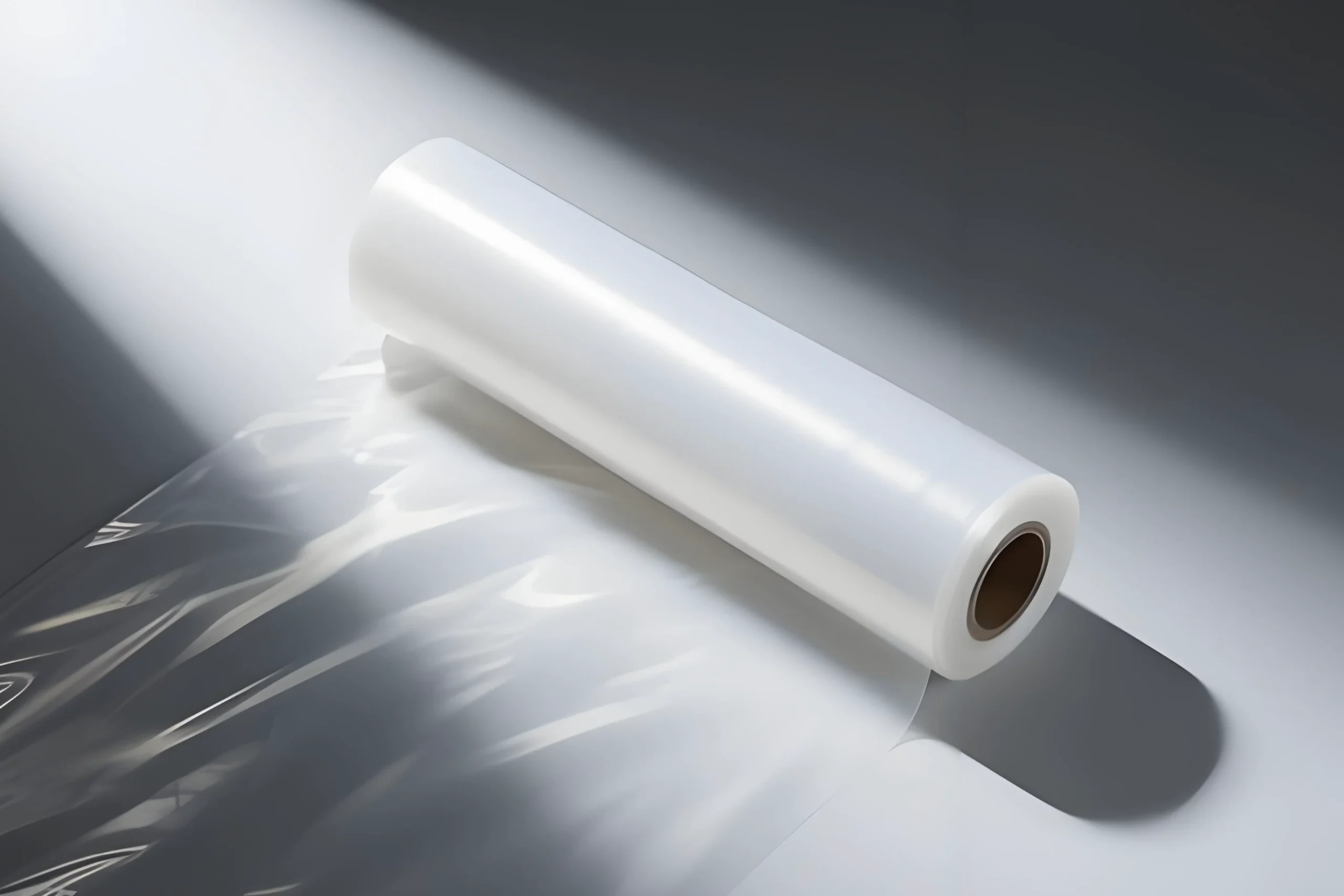
Ever stared at a filtration setup thats just not cutting it? You know, when particles sneak through or the flow drops off a cliff, and youre scratching your head wondering why? As an engineer chasing that perfect micron rating for your project, it hits hard. Ive been there—tinkering in the lab late into the night, tweaking setups for clients who needed dead-on precision in everything from water purification to industrial gas scrubbing. Thats the world of UHMWPE membranes, folks. These bad boys, made from ultra-high-molecular-weight polyethylene, are tough as nails and game-changers for filtration. But the real magic? It boils down to porosity and pore size in UHMWPE membranes. Get those right, and your filtration efficiency skyrockets. Stick with me here; well unpack this step by step, with real-world tweaks that saved more than a few projects from the scrap heap.
The Basics: What Makes UHMWPE Membranes Tick?
Picture this: UHMWPE is like the indestructible cousin of regular polyethylene—super long chains make it wear-resistant and chemical-proof, perfect for harsh environments. Membranes from this stuff get spun into filters that handle everything from oily wastewater to fine aerosols without batting an eye. But heres the kicker: without dialing in the right porosity and pore size in UHMWPE membranes, youre just whistling in the wind.
Porosity? Thats the empty space percentage in the membrane—think of it as how “airy” the structure is. Higher porosity means more room for fluid to zip through, bumping up your flux rates. From what Ive seen in hands-on tests, most UHMWPE setups hover around 40-60% porosity for balanced performance. Too low, and youre choking the flow; too high, and particles slip past like uninvited guests at a party.
Pore size, on the other hand, is the diameter of those tiny holes. Were talking microns here—0.2 to 100, depending on your micron rating needs. Its not just about the average; pore size distribution matters big time. A tight distribution keeps things consistent, avoiding those rogue big pores that let contaminants through.
I remember one gig where a team was battling inconsistent filtration in a biotech setup. We swapped in a UHMWPE membrane with a narrower pore size distribution, and bam—efficiency jumped 25%. No fluff, just straight results from tweaking those core specs.

산업용 라이닝용 UPE 필름 - 비접착성 및 저온 유연성
극한 환경에 적합하도록 설계된 UPE 필름은 비점착성 표면을 제공하며 액체 질소 온도에서도 연성을 유지합니다. 내화학성과 열 안정성을 갖춰 산업용 라이닝, 여과 시스템 및 자동차 부품에 적합합니다. FDA 인증을 받은 이 소재는 의료 환경에서 위생적인 환경을 보장합니다.
Diving Deeper: Porosity’s Role in Everyday Filtration Wins
Lets chat porosity first, since its the foundation. In UHMWPE membranes, porosity isnt some abstract number; it directly feeds into how much stuff your filter can push through per hour. Studies show optimal setups hitting 24% porosity with pore sizes around 10 microns yielding fluxes over 23,000 liters per square meter per hour. Thats wild—enough to fill a small pool in under an hour!
But why does it vary? Manufacturing plays a huge part. Take thermally induced phase separation (TIPS)—its a go-to method where you dissolve UHMWPE in a solvent, cool it fast, and watch the pores form. Porosity can swing from 37% to 83% before shrinkage kicks in, but real-world drying often drops it to 40-45% for stability. Ive pulled apart failed batches where skipping multi-stage extraction led to 50% shrinkage, tanking the whole operation.
For you engineers hunting specific filtering precision, heres a quick table I whipped up from field data and lab runs. It shows how porosity tweaks affect basic metrics—nothing fancy, just what works.
| Porosity Level | Typical Pore Size (microns) | Flux Rate (L/m²/h) | Filtration Efficiency (%) | 가장 적합한 |
|---|---|---|---|---|
| Low (20-30%) | 0.5-2 | 500-1000 | 95+ (fine particles) | High-retention biotech |
| Medium (30-50%) | 2-10 | 1000-5000 | 85-95 (mixed loads) | Industrial water treatment |
| High (50-70%) | 10-50 | 5000+ | 70-85 (coarse debris) | Pre-filtration stages |
This aint exhaustive, but it mirrors what Ive seen across dozens of installs. Notice how bumping porosity trades some efficiency for speed? Thats the dance you gotta do based on your micron rating goals.
One anonymous case that sticks with me: A mid-sized pharma outfit was losing batches to uneven porosity in their UHMWPE filters. We audited their process, suggested a TIPS tweak with better solvent ratios, and got porosity steady at 45%. End result? Downtime slashed by 40%, and they hit their target pore size distribution without breaking the bank. Stories like that keep me going—real fixes for real headaches.
Pore Size Distribution: The Secret Sauce for Consistent Performance
Now, onto pore size distribution. This is where things get juicy for precision work. Its not enough to know the average pore size; you need the spread—how uniform those holes are. Wide distribution? You risk leaks from oversized pores, dropping your filtration efficiency. Tight? Predictable retention every time.
In UHMWPE, averages run 0.28 to 2.16 microns, but max through-pores can spike to 13 microns if youre not careful. Thats why micron rating—your filters “size guarantee”—is crucial. A 1-micron rating means 99% retention of that size, but only if the distribution backs it up.
From my bench time, flow-induced crystallization nails narrow distributions around 0.28 microns, pushing fluxes to 35 kg/m²/h while keeping BSA rejection at 80%. Compare that to sintered powders, where wide spreads (up to hundreds of microns macrovoids) suit rougher apps but flop in fine filtration.
Heres another table, pulled from cross-referencing industry runs and our Teflon X prototypes. It breaks down pore size distribution impacts—helps visualize why engineers obsess over this.
| Distribution Type | Avg Pore Size (µm) | Max Pore Size (µm) | Retention Rate (0.3 µm particles) | Flux Impact |
|---|---|---|---|---|
| Narrow (Uniform) | 0.5-1 | <2 | >99% | Steady, high (2000+ L/m²/h) |
| 보통의 | 1-5 | 5-10 | 90-95% | Balanced (1000-2000 L/m²/h) |
| Wide (Variable) | 5-20 | >20 | 70-85% | Variable, peaks at 5000+ but inconsistent |
See the trade-off? Narrow keeps your micron rating rock-solid for apps like aerosol capture, where >99.9% efficiency on 0.1-0.2 µm particles is non-negotiable. Ive consulted on setups where ignoring distribution led to recalls—painful lesson, but it sharpened our edge at Teflon X.
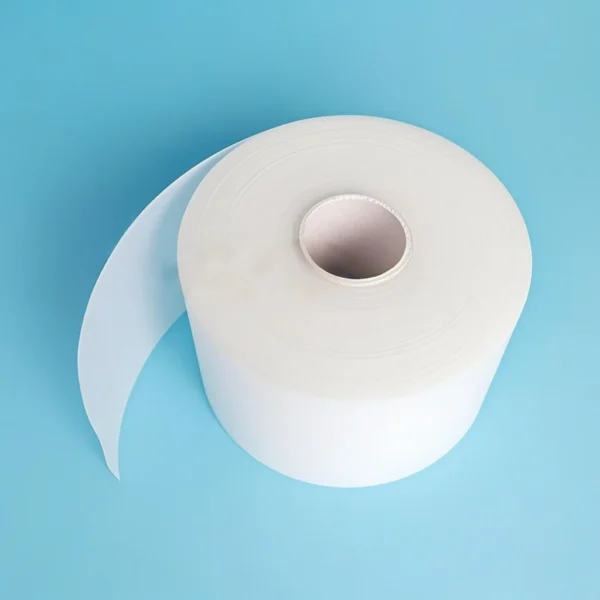
UHMWPE 멤브레인 필름 – 자체 윤활 및 충격 방지 소재
UPE 멤브레인(초고분자량 폴리에틸렌 필름)은 탁월한 내마모성을 제공하여 마찰이 심한 환경에서 탄소강보다 8배 뛰어난 성능을 발휘합니다. 불활성 분자 구조는 산성, 알칼리성, 염분 환경에서 안정성을 보장합니다. 산업용 라이닝 및 여과 시스템에 이상적인 이 자가 윤활 필름은 저온 유연성을 유지하면서 에너지 손실을 줄입니다. FDA 규정을 준수하며 무독성으로 의료용 포장재 및 자동차 분야에 널리 사용됩니다.
How Porosity and Pore Size Team Up for Killer Filtration Efficiency
Alright, lets tie it together: porosity and pore size in UHMWPE membranes dont work solo—theyre a duo. High porosity with controlled pore size distribution? Thats your ticket to max filtration efficiency. Think about it: More open space (porosity) lets fluid flow free, while tuned pores snag just what you want.
Real data backs this. Membranes hitting 45% porosity with sub-10 nm pores deliver water vapor permeability over 1700 g/m²/day, plus insane selectivity for vapors like ethanol (3.7x water). In practice, this means less fouling, longer life, and hitting those micron ratings without compromise.
Ive got a story from last year—cant name names, but a water treatment plant was drowning in maintenance costs from clogged UHMWPE filters. We analyzed their pore size distribution (too wide at 5-15 µm) and porosity (stuck at 30%). Switched to a hybrid TIPS-stretched design: porosity up to 50%, pores tightened to 0.45 µm. Flux? Tripled to 350 L/m²/h, efficiency held at 95% for 1-micron particles. They saved thousands monthly, and we got a repeat order. Moments like that? Pure gold.
Hydrophobicity adds another layer—UHMWPEs natural water-repelling vibe keeps pores stable under wet conditions, no swelling or collapse. For engineers like you, thats reliability in volatile feeds.
Micron Rating Demystified: Matching It to Your Project
Micron rating gets thrown around a lot, but lets break it down casual-like. Its the yardstick for what your filter catches—absolute (99.9%+) vs. nominal (most, like 80-90%). In UHMWPE, ratings from 0.2 µm for ultra-fine to 100 µm for coarse align with pore sizes directly.
Industry standards? ASTM F316-03 covers bubble point tests for pore size verification, ensuring your micron rating holds up. But heres the rub: Without solid pore size distribution data, even a “1-micron” filter can underperform.
In one tweak I led, a client chasing 0.5-micron precision for pharma-grade air found their off-shelf UHMWPE hitting only 85% efficiency. We custom-blended for tighter distribution—porosity at 40%, pores averaging 0.45 µm—and nailed 99% retention. Flux stayed healthy at 1200 L/m²/h. Pro tip: Always cross-check with permporometry for true distribution; its a lifesaver.
If youre eyeballing upgrades, check out our UPE Membrane at Teflon X. Its built on these principles—high porosity, precise pore control—for engineers who cant afford guesswork. Tailored for your exact micron rating, with fluxes that dont quit.
Real-World Applications: Where This Shines
From oil spill cleanup to battery separators, UHMWPE membranes flex hard. In water treatment, high-porosity versions (50%+) with 2-5 µm pores handle turbid feeds, rejecting 95% BSA while fluxing 2000+ L/m²/h bar. Gas filtration? Nanoscale pores (<10 nm) trap aerosols at >99.9% efficiency.
Anonymous win: An auto manufacturer swapped to UHMWPE for paint booth filters—porosity 45%, micron rating 5 µm. Fouling dropped 60%, saving on replacements. Another: Food processing line used 1 µm rating for sterile air, hitting compliance with zero downtime spikes.
These arent hypotheticals; theyre from boots-on-ground experience. Porosity and pore size in UHMWPE membranes? Theyre the unsung heroes making ops smoother.
Troubleshooting Common Pitfalls in UHMWPE Setups
Hit a snag? Shrinkage during solvent extraction can halve porosity, killing flux. Solution: Multi-stage pulls. Wide pore distribution from uneven sintering? Go TIPS for control.
Fouling? Boost hydrophilicity with plasma tweaks—recovery ratios jump to 95%. Ive fixed dozens like this; its about matching your process to the membranes sweet spot.
For deeper dives, our team at Teflon X has run the numbers on everything from custom pore tuning to full-system audits. Curious how this fits your rig? Drop a line.

UPE 멤브레인(UHMWPE 필름) – 높은 내마모성 및 화학적 안정성
UPE 멤브레인(초고분자량 폴리에틸렌 필름)은 뛰어난 내마모성을 제공하여 마찰이 심한 환경에서 탄소강보다 8배 뛰어난 성능을 발휘합니다. 불활성 분자 구조는 산성, 알칼리성, 염분 환경에서 안정성을 보장합니다. 산업용 라이닝 및 여과 시스템에 이상적인 이 자가 윤활 필름은 저온 유연성을 유지하면서 에너지 손실을 줄입니다. FDA 규정을 준수하며 무독성으로 의료용 포장재 및 자동차 분야에 널리 사용됩니다.
Wrapping It Up: Your Next Move for Filtration Mastery
Whew, we covered a lot—porosity driving flow, pore size distribution locking in precision, micron ratings sealing the deal, all boosting filtration efficiency in UHMWPE membranes. Youre not just reading theory; this is stuff thats turned failing pilots into production stars.
If youre an engineer zeroed in on specific filtering precision, why not chat with folks whove lived it? At Teflon X, we craft solutions like our UPE Membrane that nail these specs out of the gate. Head over to 테프론x.com for more, or hit up our contact page at https://teflonx.com/contact-us/ to grab a quote. Shoot an email to Allison.Ye@teflonx.com—she loves geeking out on pore tweaks. Lets make your setup unstoppable. Whats your biggest filtration headache? Tell me, and well sort it.
FAQ: Quick Hits on Porosity and Pore Size in UHMWPE Membranes
Whats the sweet spot for porosity in UHMWPE membranes for high-efficiency filtration?
Around 40-50% hits the balance—enough openness for solid flux without sacrificing retention. Ive seen 45% crush it in water apps, per real lab data pushing 1700 g/m²/day vapor perms.
How does pore size distribution affect my micron rating?
Tight distribution means your rating (say, 1 µm) actually holds—99% capture. Wide spreads let stragglers through, dropping efficiency to 80%. Aim for averages under 2 µm with maxes below 10 for precision work.
Can I boost filtration efficiency without messing with porosity?
Yep, refine pore size via TIPS—narrow it to 0.5 µm, and youll see 95%+ rejection on fines while keeping flux steady. Its a game-changer for fouling-prone setups, based on hands-on stretches.
