
 Korean
  English
  Russian
  French
  German
  Japanese
  Portuguese
  Arabic
  Italian
  Dutch
Dutch  Turkish
  Indonesian
  Polish
  Spanish
Man, CES 2026 was somethin’ else this year. I wandered the floors in Vegas just a couple days ago, and everywhere you looked, there were these humanoid robots doin’ stuff that blew my mind. One was foldin’ laundry – yeah, slowly, but still foldin’ it proper. Another poured coffee without spillin’ a drop, and some Chinese bots from companies like Unitree and AgiBot were stealin’ the show with crazy smooth moves. LG had their CLOiD bot rollin’ around on wheels, pickin’ up chores like it was no big deal. Boston Dynamics and Hyundai showed off Atlas doin’ industrial stuff that felt straight out of sci-fi.
The buzz was all about how these bots are gettin’ closer to real-world use – factories, homes, even hospitals. But here’s the thing nobody talks about much on the show floor: all that fancy movement comes with a hidden headache. The wiring inside these things takes a serious beating.
Think about it – a humanoid robot’s joints twist, bend, and flex thousands of times a day. Regular wires just can’t keep up. They crack, fray, or short out way too soon. That’s where PTFE wiring solutions really shine, especially with the CES 2026 robotics trends pushin’ for tougher, more flexible bots.
What Stood Out at CES 2026 for Humanoid Robots
This year’s CES felt like the year humanoids finally stepped into the spotlight. Over 38 companies showed off humanoid tech, and half of ’em were from China – Unitree, AgiBot, EngineAI, you name it. They dominated the Robot Pavilion.
The demos weren’t perfect – some moved kinda sluggish – but the progress was real. One bot dealt cards at blackjack. Another sorted objects autonomously. LG talked up their “Zero Labor Home” idea with CLOiD handlin’ dishes and laundry.
Experts are sayin’ the humanoid robot market is explodin’. MarketsandMarkets projects it growin’ from about $2.92 billion in 2025 to $15.26 billion by 2030, with a wild 39.2% CAGR. ABI Research sees it hittin’ $6.5 billion by the end of the decade. Either way, it’s clear these bots are comin’ fast, and they need wiring that can handle the nonstop action.
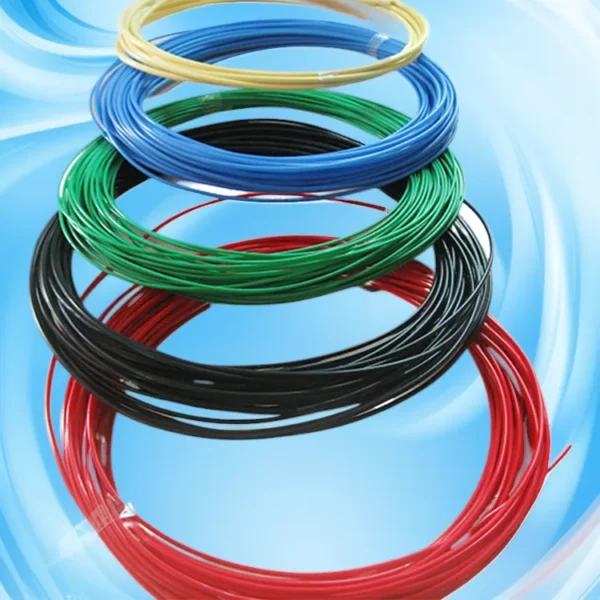
저마찰 PTFE 튜브 | 에너지 효율적인 재료 운송 솔루션
저마찰 PTFE 튜브는 공압 이송 및 유체 이송 시스템에서 20%로 에너지 소비를 줄여줍니다. 매우 매끄러운 표면(마찰 계수 0.04)은 재료의 쌓임을 방지하여 분말 및 점성 액체 취급에 이상적입니다. 정전기 방지 코팅으로 맞춤 제작 가능합니다.
The Real Wiring Struggles in Modern Robots
If you’ve ever worked on robotics wiring – or even just peeked inside a robot arm – you know the pain. These machines move in every direction: bending, twisting, stretching. Cables rub against each other, against joints, against whatever’s nearby. Abrasion kicks in quick, and before long, insulation wears through.
Add in vibration from motors, temperature swings from actuators heatin’ up, and sometimes chemicals or oils in industrial setups. Standard PVC or basic silicone wires give up fast. They stiffen, crack, or lose their electrical properties after a few thousand cycles.
In humanoid bots like the ones at CES, it’s worse. Arms swing like humans, legs step and balance, torsos rotate. One report from igus folks talks about how three-dimensional motions make abrasion unpredictable. Cables fail from corkscrew twists or constant flexing in tight spaces.
We’ve seen projects where teams swapped wires every few months – huge downtime, especially in prototypes. That’s why high-flex cables built for millions of cycles are a must now.
Why PTFE Wire Insulation Changes Everything
So what’s the fix? PTFE wire insulation – yeah, that’s the Teflon stuff. It’s not new, but it’s perfect for next-gen robotics.
First off, PTFE handles insane temperatures. It stays solid from around -100°F all the way up to +400°F, sometimes higher dependin’ on the grade. Sources like iPolymer and Chemours confirm it keeps mechanical properties across that range – no meltin’, no brittleness.
Then there’s the low friction. It’s super slippery, so cables slide past each other without grindin’ down. That cuts abrasion big time in tight robot joints.
화학적 내성 또한 장점입니다。 오일, 용제, 세정제 등에 대해 PTFE는 탁월한 저항력을 보입니다。 공장용 로봇이나 액체 유출이 빈번한 가정용 로봇에 적합합니다。
전기적 특성 면에서도 최고 수준입니다。 높은 절연 파괴 강도는 절연층을 얇게 만들 수 있음을 의미하며, 이는 공간이 협소한 로봇 설계에서 소형화를 가능하게 합니다。
유연성은 어떨까요? 흔히 PTFE가 딱딱하다고 생각하지만, 연선 도체와 특수 압출 방식이 적용된 고유연성 설계에서는 놀라울 정도로 잘 구부러집니다。 Gore와 Cicoil 같은 기업들은 수백만 회의 사이클을 견디는 ePTFE 기반의 평면형 고유연성 케이블을 생산합니다。
Teflon X에서는 수년간 로봇 배선에 PTFE를 사용해 왔으며, 움직임이 많은 용도에서 다른 대안들보다 우수한 성능을 입증했습니다。
로봇용 주요 절연 재료의 간략 비교
다음은 로봇 공학에서 PTFE가 PVC 및 실리콘과 어떻게 비교되는지 정리한 간단한 표입니다:
| 재료 | 온도 범위 | Flex Life (Cycles) | 내마모성 | 내화학성 | 비용 | 가장 적합한 |
|---|---|---|---|---|---|---|
| PVC | -20°F에서 +220°F 사이 | 낮음 「10k-100k」 | 보통의 | 공정한 | 낮은 | 기본적인 고정형 애플리케이션 |
| 실리콘 | -60°F에서 +400°F 사이 | 중간 「100k-1M」 | 좋은 | 좋은 | 중간 | 고온, 일부 유연성 필요 시 |
| PTFE (테플론) | -100°F에서 +500°F 사이 | 높음 「1M-10M+」 | 훌륭한 | 탁월함 | 더 높은 | 고유연성 및 고마모 환경의 로봇 |
「NASA 가이드라인 및 제조사 사양서 등 일반 산업 규격에서 추출된 데이터임 — PTFE는 까다로운 조건에서의 내구성 면에서 우위를 점합니다。」
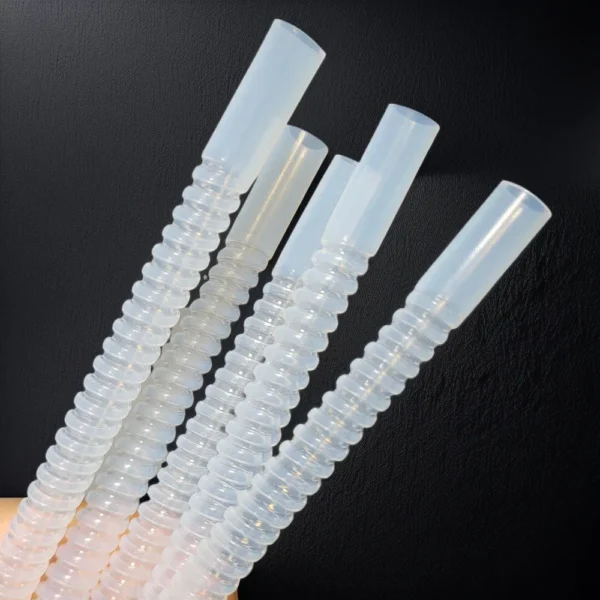
화학 처리 공장용 PTFE 연료 라인
PTFE 골판 연료 호스로 제작된 PTFE 연료 라인은 화학 공장에서 부식성 유체 이송에 탁월합니다. 화학적 불활성 특성으로 산과 용매에 강합니다. 골판 연료 튜브의 내구성 있는 디자인은 고압 및 열 사이클링을 견뎌내며, 안정적이고 마찰이 적은 유체 이송을 보장합니다.
고유연성 케이블: 로봇의 움직임을 위한 설계
고유연성 케이블은 PTFE의 성능을 한 단계 끌어올립니다。 미세한 연선, 특수 차폐, 그리고 때로는 슬라이딩 성능과 수명을 높이기 위한 나일론 스펀 테이프나 저마찰 랩으로 설계됩니다。
로봇 공학에서는 꼬임 없이 360도 회전하는 비틀림 설정에서 이를 볼 수 있습니다。 igus와 BizLink는 빠른 가속과 타이트한 곡률 반경에 맞게 등급이 지정된 이러한 체인을 제조합니다。
CES 데모에서 유니트리의 G1이나 보스턴 다이내믹스의 아틀라스와 같은 로봇들은 무대 뒤에서 이러한 기술에 의존합니다。 매끄러운 팔의 움직임은 꼬이지 않는 고굴곡 케이블 덕분입니다。
저희 Teflon X는 유사한 제품을 공급해 왔습니다。 좁은 관절에 적합하면서도 전력과 신호를 안정적으로 전달하는 맞춤형 PTFE 고굴곡 번들입니다。
로봇 공학 분야에서 PTFE를 활용한 실제 성공 사례들
비밀 유지 협약으로 인해 이름을 밝힐 수는 없으나, 몇몇 흥미로운 프로젝트를 지원해 왔습니다。
창고 업무용 이족 보행 휴머노이드를 제작하던 한 팀은 5만 회의 사이클 후 팔 케이블이 고장 나는 문제로 어려움을 겪었습니다。 일반 실리콘은 지속적인 뻗기와 비틀림으로 인해 균열이 발생했습니다。 저희는 이를 PTFE 절연 고굴곡 케이블로 교체해 드렸으며, 테스트 결과 200만 회 이상의 사이클을 기록했습니다。 이는 시제품의 가동 중단 시간을 줄이는 엄청난 개선이었습니다。
또 다른 사례로 CES의 빨래 접는 로봇과 유사한 가정용 보조 로봇 시제품이 있습니다。 몸체 근처 모터의 열기로 인해 저가형 절연체가 녹아내렸으나, PTFE는 온도 문제를 완벽히 해결했으며 낮은 마찰력 덕분에 어깨 관절의 마모도 방지했습니다。
반복적인 굽힘이 발생하는 공장 라인용 대형 산업용 로봇의 경우, 금속 프레임과의 마찰로 인한 고장이 발생했습니다。 당사의 추가 슬라이딩 층이 포함된 PTFE 솔루션으로 이를 해결했으며, 해당 로봇은 몇 달 동안 문제없이 작동했습니다。
이러한 사례는 드문 일이 아닙니다。 많은 로봇 제작 팀들이 PTFE 배선 솔루션을 통해 추후 발생할 수 있는 골치 아픈 문제들을 해결하고 있습니다。
로봇에 적합한 배선을 선택하는 방법
배선 선택은 모든 상황에 일률적으로 적용되지 않습니다 Marc 움직임부터 확인하십시오: 굴곡 사이클은 얼마나 되는지, 비틀림인지 아니면 단순한 굽힘인지 고려해야 합니다。
다음으로는 환경입니다: 온도, 화학 물질, 모터의 전자기 간섭 등을 확인하십시오。
대부분의 차세대 휴머노이드의 경우 내구성을 원한다면 PTFE를 선택하십시오。 이를 드레스 팩이나 에너지 체인과 같은 적절한 케이블 관리 도구와 조합하여 안내하십시오 Marc
크기 또한 고려해야 합니다。 더 얇은 PTFE는 더 가벼운 로봇과 향상된 배터리 수명을 의미합니다。
Teflon X에서는 언제나 이러한 사양 결정을 지원합니다 Marc 군용 규격 PTFE 와이어부터 맞춤형 고굴곡 어셈블리에 이르기까지 다양한 옵션을 보유하고 있습니다 Marc
향후 전망: CES 트렌드와 배선 기술의 진화
CES 2026은 휴머노이드의 정착을 보여주었으며, 2027년은 더욱 놀라운 기술이 등장할 것입니다 Marc 더 빠른 속도와 정교한 민첩성은 배선에 더 엄격한 요구 사항을 의미합니다 Marc
초고굴곡을 위한 더 많은 ePTFE 및 하이브리드 소재의 등장을 기대하십시오 Marc 예방 정비를 위해 케이블에 통합 센서가 장착될 수도 있습니다 Marc
결론적으로 신뢰할 수 있는 로봇을 위해서는 견고한 PTFE 배선 솔루션이 핵심적인 역할을 유지할 것입니다 Marc
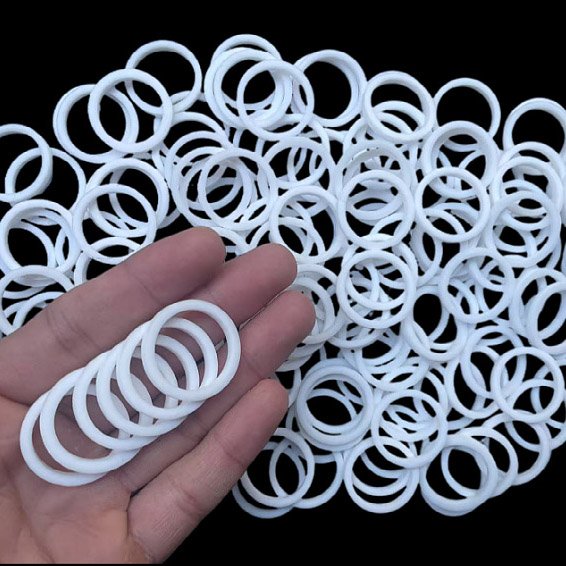
프리미엄 테프론 O링 & PTFE 개스킷 | 내화학성 테프론 씰링
프리미엄 테플론 O링과 PTFE 개스킷은 화학 및 산업용으로 탁월한 테플론 밀봉을 제공합니다. PTFE 씰과 테플론 개스킷은 비반응성, 유연성 및 장기적인 신뢰성으로 잘 알려져 있습니다. 수처리, 실험실 장비 및 유체 처리 장비에 적합합니다.
로봇용 PTFE 배선에 대한 자주 묻는 질문
움직임이 많은 로봇에서 실리콘보다 PTFE 전선 절연을 선택하는 이유는 무엇입니까?
PTFE는 마모와 마찰 면에서 실리콘보다 우수합니다 Marc 실리콘은 유연하고 온도 저항성이 높지만, 지속적인 마찰이 발생하는 상황에서는 더 빨리 마모됩니다 Marc PTFE의 매끄러운 표면은 비틀림 관절에서 보통 5배에서 10배 더 긴 사이클 수명을 유지합니다 Marc
우수한 고굴곡 PTFE 케이블은 몇 회의 굴곡 사이클을 견딜 수 있습니까?
Depends on design, but quality ones hit 5-10 million cycles easy in robot apps. We’ve seen lab tests over 10 million with proper stranding and jackets.
PTFE 배선이 협소한 휴머노이드 관절에 사용하기에 너무 뻣뻣합니까?
Nah, not in modern high-flex versions. With fine strands and thin-wall extrusion, it’s plenty bendy. Tighter bend radii than you might think – down to 6x diameter sometimes.
PTFE가 고밀도 로봇 배선의 EMI 해결에 도움이 됩니까?
네,확실히 그렇습니다。우수한 유전 특성과 선택적 차폐 기능 덕분에 모터 및 액추에이터 주변의 신호 무결성을 확보하는 데 매우 효과적입니다。
If you’re workin’ on a humanoid project and wrestlin’ with wiring woes, drop us a line at Teflon X. We’ve got the experience to sort PTFE wiring solutions that fit your needs – durable, flexible, ready for those CES-level movements.
전체 라인업을 확인하려면 테프론x.com for more specs, or hit up our contact page at https://teflonx.com/contact-us/. You can email 앨리슨.예@테프론x.com direct for quotes or samples. Let’s chat about makin’ your bot’s wiring bulletproof.
