
 Polish
  English
  Russian
  French
  German
  Japanese
  Korean
  Portuguese
  Arabic
  Italian
  Dutch
Dutch  Turkish
  Indonesian
  Spanish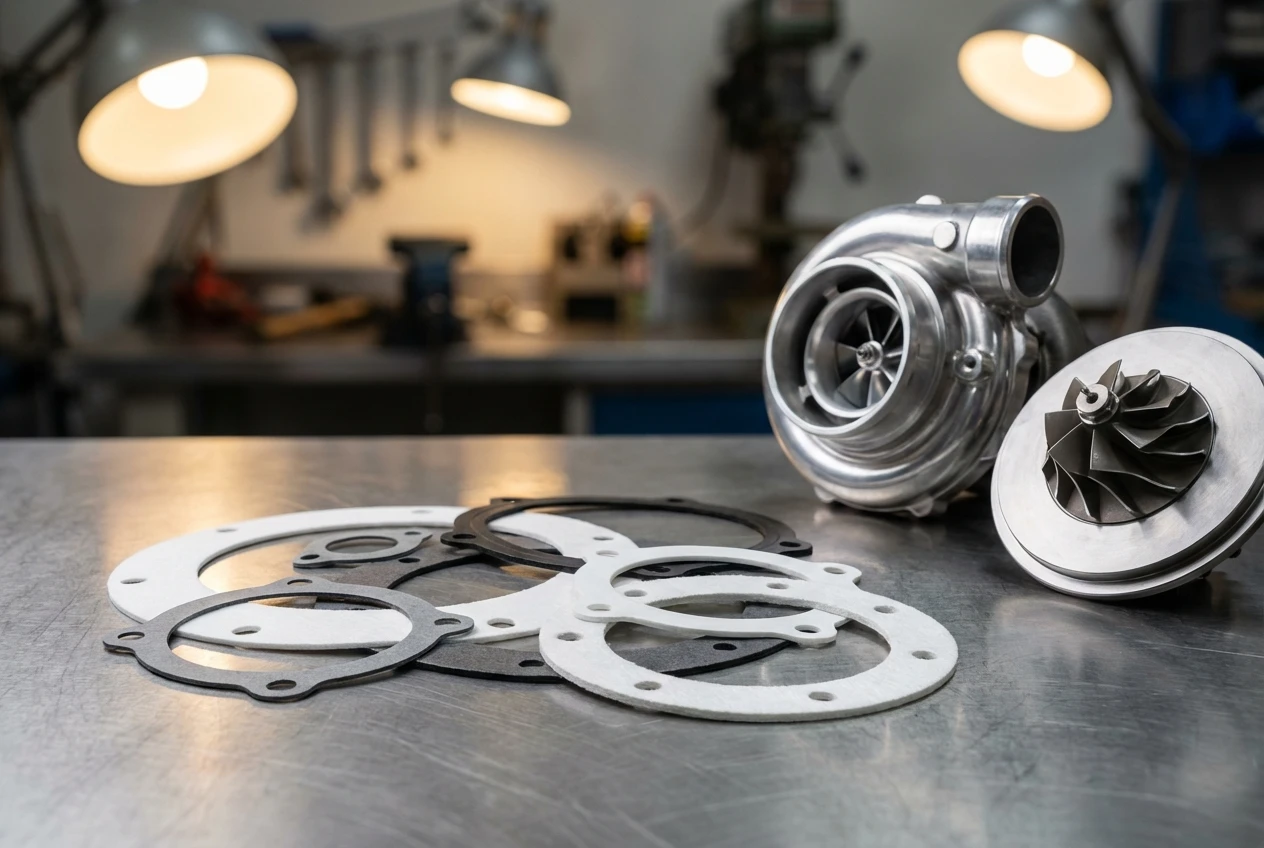
Wstęp
To koszmar każdego konstruktora silników. Spędzasz miesiące na udoskonalaniu stosunku paliwowo-powietrznego, mapowaniu ECU i idealnym dostrojeniu turbosprężarki, tylko po to, by uszczelka zawiodła pod obciążeniem. Bum. Utrata doładowania, a potencjalnie także zaufania klienta.
Od długiego czasu zajmuję się branżą uszczelnień i widziałem już prawdziwe katastrofy, jeśli chodzi o uszczelnienia turbosprężarekLudzie próbują montować standardowe gumowe uszczelki lub tanie kompozyty grafitowe w układach generujących ciśnienie 30 PSI i temperaturę zdolną stopić aluminium. To po prostu nie działa.
Jeśli produkujesz silniki lub budujesz wyczynowe zestawy turbo, musimy porozmawiać o politetrafluoroetylenie (tak, PTFE). A konkretnie o niestandardowych uszczelkach PTFE. W Teflon X, odeszliśmy od podejścia „jeden rozmiar dla wszystkich”, ponieważ, bądźmy szczerzy, każda konfiguracja turbo ma swoje własne, specyficzne cechy.
Dlaczego turbosprężarki „zjadają” uszczelki na śniadanie
Bądźmy techniczni, ale konkretni. Turbosprężarka to w zasadzie pompa ciepła. Strona turbiny jest napędzana gazami wylotowymi. Nie mówimy tu o letniej bryzie, lecz o temperaturach spalin (EGT), które często osiągają od 800°C do 1050°C (co w przeliczeniu dla jednostek imperialnych wynosi około 1472°F do 1922°F).
Chociaż uszczelka zazwyczaj nie znajduje się bezpośrednio w strumieniu spalin (chyba że jest to uszczelka wlotu/wylotu turbiny), nagrzewanie jest ogromne. Cała obudowa ulega rozszerzeniu.
Oto problem: Cykle termiczne.
Metal rozszerza się pod wpływem ciepła i kurczy podczas chłodzenia. Uszczelka jest zgniatana, zwalniana, a następnie ponownie zgniatana.
Większość materiałów ulega „odkształceniu trwałemu”. Oznacza to, że po ściśnięciu pozostają w stanie ściśniętym. Kiedy szczelina otwiera się podczas chłodzenia? Pojawia się nieszczelność.
Uszczelki wysokotemperaturowe muszą spełniać dwie funkcje:
- Wytrzymać wysoką temperaturę, nie zamieniając się w maź ani popiół.
- Powrócić do pierwotnego kształtu (odzyskać sprężystość) przy ruchu kołnierza.
Fizyka awarii
Jeśli przyjrzymy się naprężeniom działającym na uszczelkę, w uproszczonym zapisie matematycznym wygląda to następująco:
Naprężenie (S) = Siła (F) / Powierzchnia (A)
W zastosowaniach z turbodoładowaniem, siła nie jest stała. Gwałtownie rośnie wraz z ciśnieniem doładowania. Jeśli materiał uszczelki ma niską wytrzymałość na rozciąganie w wysokich temperaturach, S > Granica plastyczności materiału. Wynik? Wydmuchanie uszczelki.
To właśnie tutaj samochodowe rozwiązania uszczelniające oparte na standardowym NBR lub nawet zwykłym Vitonie czasem zawodzą, jeśli konstrukcja nie jest idealna. Przegrzewają się. Stają się kruche. Pękają.
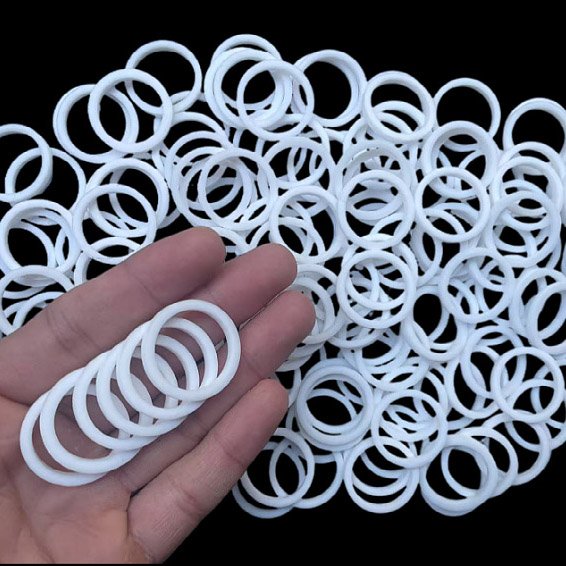
Pierścień uszczelniający Premium Teflon i uszczelka PTFE | Uszczelnienie teflonowe odporne na działanie chemikaliów
Pierścienie uszczelniające teflonowe premium i uszczelki ptfe zapewniają doskonałe uszczelnienie teflonowe do zastosowań chemicznych i przemysłowych. Uszczelnienie PTFE i uszczelki teflonowe są znane z braku reaktywności, elastyczności i długoterminowej niezawodności. Nadają się do uzdatniania wody, sprzętu laboratoryjnego i maszyn do przetwarzania płynów.
Dlaczego PTFE jest królem (w większości przypadków)
Dlaczego więc promujemy PTFE w Teflon X? To nie tylko dlatego, że mamy to w nazwie.
PTFE ma temperaturę topnienia wynoszącą około 327°C (620°F)Choć jest to wartość niższa od szczytowej temperatury spalin (EGT) w turbosprężarce, należy pamiętać, że uszczelka po stronie sprężarki czy przewody powrotne oleju nie są wystawione na bezpośrednie działanie frontu płomienia. W przypadku przewodów olejowych i chłodniczych podłączonych do turbosprężarki lub kolektorów dolotowych, PTFE jest praktycznie chemicznie obojętne. Nie reaguje na gorący olej, paliwo wyścigowe ani metanol.
Oto krótkie wyjaśnienie, dlaczego używamy go w porównaniu z innymi materiałami:
Porównanie materiałów: test „Czy się stopi?”
Przygotowałem tę tabelę w oparciu o dane zebrane przez nas podczas wieloletnich testów.
| Tworzywo | Maksymalna temperatura ciągła | Odporność na olej | Odkształcenie trwałe przy ściskaniu | Najlepszy dla |
|---|---|---|---|---|
| Czysty PTFE | 260°C (500°F) | Doskonały | Słaba (płynięcie na zimno) | Przewody chemiczne, niskie ciśnienie |
| PTFE wypełniony szkłem | 260°C (500°F) | Doskonały | Dobry | Przewody olejowe/chłodnicze turbosprężarki |
| PTFE wypełniony węglem | 260°C+ | Doskonały | Bardzo dobra | Powierzchnie o wysokiej temperaturze |
| NBR (Guma) | 120°C (248°F) | Dobry | Dobry | Tylko dolot zimnej strony |
| Grafit | 450°C+ | Sprawiedliwy | Doskonały | Kołnierze wydechowe |
Zauważysz, że wymieniłem „czysty PTFE” (Virgin PTFE) jako materiał o słabym odkształceniu trwałym przy ściskaniu. To właśnie problem „płynięcia na zimno” lub „pełzania”. Jeśli dokręcisz go mocno, z czasem wyciśnie się na boki niczym pasta do zębów.
Kontrowersyjna opinia: Przestań używać czystego PTFE do kołnierzy wysokociśnieniowych. Po prostu przestań. Jest tani, ale uciążliwy. Potrzebujesz niestandardowych uszczelkach PTFE materiałów wzmocnionych. Stosujemy wypełniacze, takie jak szkło, węgiel lub brąz, aby zatrzymać pełzanie. Nadaje to uszczelce „szkielet”.
Projektowanie niestandardowych uszczelek PTFE do Twojej konstrukcji
Kiedy zgłaszasz się do nas po uszczelki cięte na wymiar, nie bierzemy po prostu arkusza i nie wycinamy go foremkami. Analizujemy zastosowanie.
Znaczenie grubości
Grubsze nie zawsze oznacza lepsze. Widzę ten błąd nieustannie. Ludzie myślą: „O, kołnierz jest wykrzywiony, użyję grubej uszczelki, żeby wypełnić lukę”.
W rzeczywistości cieńsza uszczelka lepiej radzi sobie z wyższym ciśnieniem wewnętrznym.
Wzór na naprężenia obwodowe na krawędzi uszczelki jest z grubsza skorelowany z grubością (t). Niższe t zazwyczaj oznacza mniejszą powierzchnię, na którą działa ciśnienie wypychające.
Wybór wypełniacza
W przypadku turbosprężarek zazwyczaj zalecamy:
- 25% wypełnienie szkłem: Doskonałe do uszczelnień obudowy sprężarki. Jest twarde i odporne na zużycie.
- Wypełnienie węglem: Lepsza przewodność cieplna. Pomaga odprowadzać ciepło z gorących punktów zamiast je izolować, co może powodować miejscowe wypaczenia.
Możesz zapoznać się z naszą ofertą tutaj: Kategoria uszczelek z PTFE.

Uszczelka PTFE do zaworów kulowych o wysokiej temperaturze | Rozwiązania w zakresie pierścieni uszczelniających i arkuszy teflonowych
Uszczelka PTFE (uszczelka teflonowa) zapewnia wyjątkową odporność chemiczną dla systemów uszczelniających zaworów kulowych. Zaprojektowane do mediów korozyjnych pod wysokim ciśnieniem, te uszczelki PTFE zachowują integralność w temperaturze 260°C. Idealne jako uszczelki zaworów kulowych PTFE w zakładach petrochemicznych. Nasze arkusze uszczelek PTFE umożliwiają niestandardowe wycinanie matrycowe separatorów cyklonowych i maszyn przemysłowych. Dostępne jako płaskie pierścienie, tuleje lub uszczelki teflonowe w kształcie 3D.
Szczera rozmowa: Studium przypadku (anonimowe)
Pozwólcie, że opowiem o projekcie, nad którym pracowaliśmy w zeszłym roku. Nazwijmy klienta „SpeedyBoats Inc.” (oczywiście nie jest to ich prawdziwa nazwa).
Problem:
Budowali morskie turbodoładowane silniki wysokoprężne. Wysokie obciążenie, stałe obroty. Do przewodu powrotnego oleju wychodzącego z gorącej strony turbosprężarki używali standardowej tłoczonej uszczelki papierowej.
Ponieważ silnik znajdował się w kadłubie łodzi, przepływ powietrza był bardzo słaby. Temperatura otoczenia wokół turbiny była ekstremalna. Papierowe uszczelki wypiekały się, kruszały i pękały w ciągu 50 godzin pracy. Wycieki oleju w zęzie są poważnym naruszeniem przepisów ochrony środowiska (EPA).
Rozwiązanie:
Zwrócili się do Allison.Ye@teflonx.com. Przyjrzeliśmy się kołnierzowi. Miał nietypowy, niestandardowy kształt — nie istniała żadna gotowa część.
Zaprojektowaliśmy uszczelkę wycinaną na wymiar używając PTFE wypełnionego w 25% węglem.
Dlaczego węgiel? Ponieważ w tym konkretnym zaolejonym środowisku lepiej radził sobie z cyklami cieplnymi niż szkło. Dostosowaliśmy dla nich również specyfikacje momentu dokręcania śrub, ponieważ PTFE jest bardziej śliski niż papier (niższy współczynnik tarcia).
Rezultat:
Zaliczono 500-godzinny test wytrzymałościowy bez żadnych wycieków. Zaoszczędzili tysiące na roszczeniach gwarancyjnych.
Wycinanie CNC a wykrawanie: Czy to ma znaczenie?
Tak.
Jeśli potrzebujesz 10 000 uszczelek, tworzymy matrycę (formę). Jest to tańsze w przeliczeniu na jednostkę.
Jeśli jednak tworzysz prototyp lub wykonujesz ograniczoną serię wysokiej klasy silników, stosujemy cyfrowe cięcie nożem CNC.
- Precyzja: Brak efektu „klepsydry” na krawędziach, który pojawia się przy sztancowaniu grubych materiałów.
- Prędkość: Możemy przejść od pliku CAD do fizycznej uszczelki w Twoich rękach w ciągu dni, a nie tygodni.
- Koszt: Brak opłat za oprzyrządowanie.
W przypadku uszczelnienia turbosprężarek, gdzie powierzchnia jest mała i wymaga precyzji, postrzępiona krawędź z tępego wykrojnika może stworzyć drogę wycieku. My dbamy o ostrość naszych ostrzy.
Wskazówki dotyczące montażu (Nie zepsuj tego)
Nawet najlepsza samochodowe rozwiązania uszczelniające zawiedzie, jeśli zostanie zainstalowana przez nieostrożnego pracownika.
- Oczyść kołnierz: Mam na myśli naprawdę dokładne oczyszczenie. Usuń resztki starej uszczelki, olej, rdzę. Powierzchnia musi być czysta aż do surowego metalu.
- Montaż na sucho: PTFE zazwyczaj nie wymaga silikonu RTV. Co więcej, silikon często działa jak środek smarny, który ułatwia wysunięcie się uszczelki. Montuj na sucho, chyba że zalecimy inaczej.
- Kolejność dokręcania: Wzór na krzyż. Zawsze.
- Ponowne dokręcanie: To jest najważniejszy punkt. PTFE ulega relaksacji. Po pierwszym cyklu cieplnym (uruchom silnik, rozgrzej go, pozwól mu ostygnąć), sprawdź ponownie śruby. Prawdopodobnie będziesz mógł je dokręcić jeszcze o ćwierć obrotu.
FAQ: Pytania, które słyszę w barze
P: Czy mogę użyć PTFE do uszczelki kolektora wydechowego?
A: Szczerze? Zazwyczaj nie. PTFE ulega degradacji powyżej 260°C (500°F). Kolektory wydechowe osiągają temperatury ponad 800°C. Do tego celu lepiej zastosować uszczelki wielowarstwowe stalowe (MLS) lub grafitowe. Jednak w przypadku wszystkiego innego przymocowanego do turbosprężarki (przewody olejowe, przewody płynu chłodzącego, obudowa sprężarki, układ dolotowy), PTFE jest najlepszym rozwiązaniem.
P: Dlaczego uszczelki na zamówienie są droższe niż te z serwisu eBay?
A: Ponieważ te z serwisu eBay mogą mieć napis „PTFE”, ale często są to tylko tanie tworzywa plastiki, które topią się w temperaturze 150°C. Ponadto używamy żywic wysokiej jakości. Tanie wypełniacze (takie jak pył ze szkła z recyklingu) sprawiają, że uszczelka staje się krucha. Dostajesz to, za co płacisz. Czy chcesz zaoszczędzić 2 dolary na uszczelce, ryzykując turbosprężarkę wartą 5000 dolarów?
P: Jaki jest czas realizacji projektu na zamówienie?
A: Jeśli prześlesz nam plik DXF, zazwyczaj jesteśmy w stanie wykonać prototyp dość szybko. Jeśli musimy przeprowadzić inżynierię odwrotną na podstawie przesłanego nam kartonowego szablonu (tak, ludzie to robią), zajmuje to nieco więcej czasu.
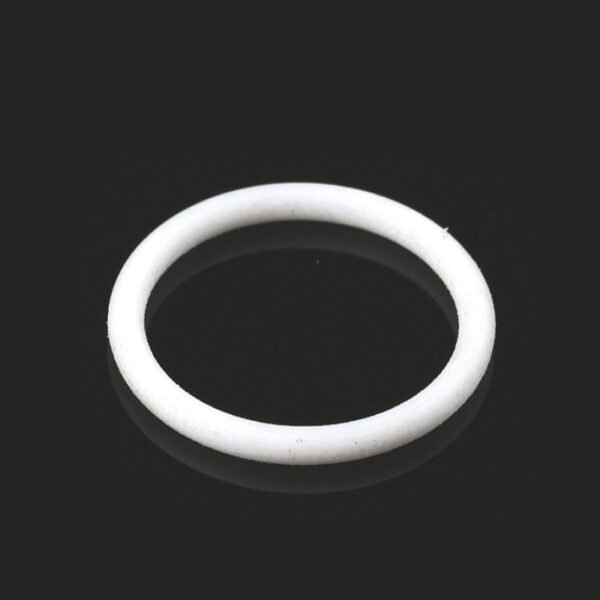
Uszczelka teflonowa PTFE | Niezawodne pierścienie uszczelniające o wysokiej temperaturze i rozwiązania uszczelniające z teflonu
Produkty z uszczelkami teflonowymi PTFE zapewniają najwyższą wydajność w zadaniach związanych z uszczelkami teflonowymi i pierścieniami uszczelniającymi o wysokiej temperaturze. Nasze uszczelki PTFE i teflonowe wytrzymują żrące chemikalia i temperatury do 260°C. Preferowane przez inżynierów w zastosowaniach precyzyjnych, farmaceutycznych i chemicznych.
Zatrzymajmy wycieki
Słuchaj, inżynieria jest wystarczająco trudna bez konieczności martwienia się o wycieki płynów na podłogę warsztatu. Potrzebujesz uszczelnienia, które możesz zainstalować i o nim zapomnieć.
Na Teflon X, specjalizujemy się w uszczelki wysokotemperaturowe dla ludzi, którzy przesuwają granice możliwości maszyn. Nie sprzedajemy tylko plastikowych pierścieni; sprzedajemy niezawodność.
Jeśli pracujesz nad nowym układem turbo lub masz dość ciągłej wymiany tych samych uszkodzonych uszczelek, wyślij do nas wiadomość. Przeanalizujemy Twoje wymagania dotyczące ciśnienia, temperatury i medium, aby dobrać odpowiednią mieszankę PTFE, której potrzebujesz.
Gotowy do zawarcia transakcji? (Przepraszam, musiałem użyć tej gry słów).
- Sprawdź nasze materiały: Kategoria uszczelek z PTFE
- Porozmawiaj z człowiekiem: Skontaktuj się z nami
- Uzyskaj bezpośrednią wycenę: E-mail Allison.Ye@teflonx.com
