
 Portuguese
  English
  Russian
  French
  German
  Japanese
  Korean
  Arabic
  Italian
  Dutch
Dutch  Turkish
  Indonesian
  Polish
  Spanish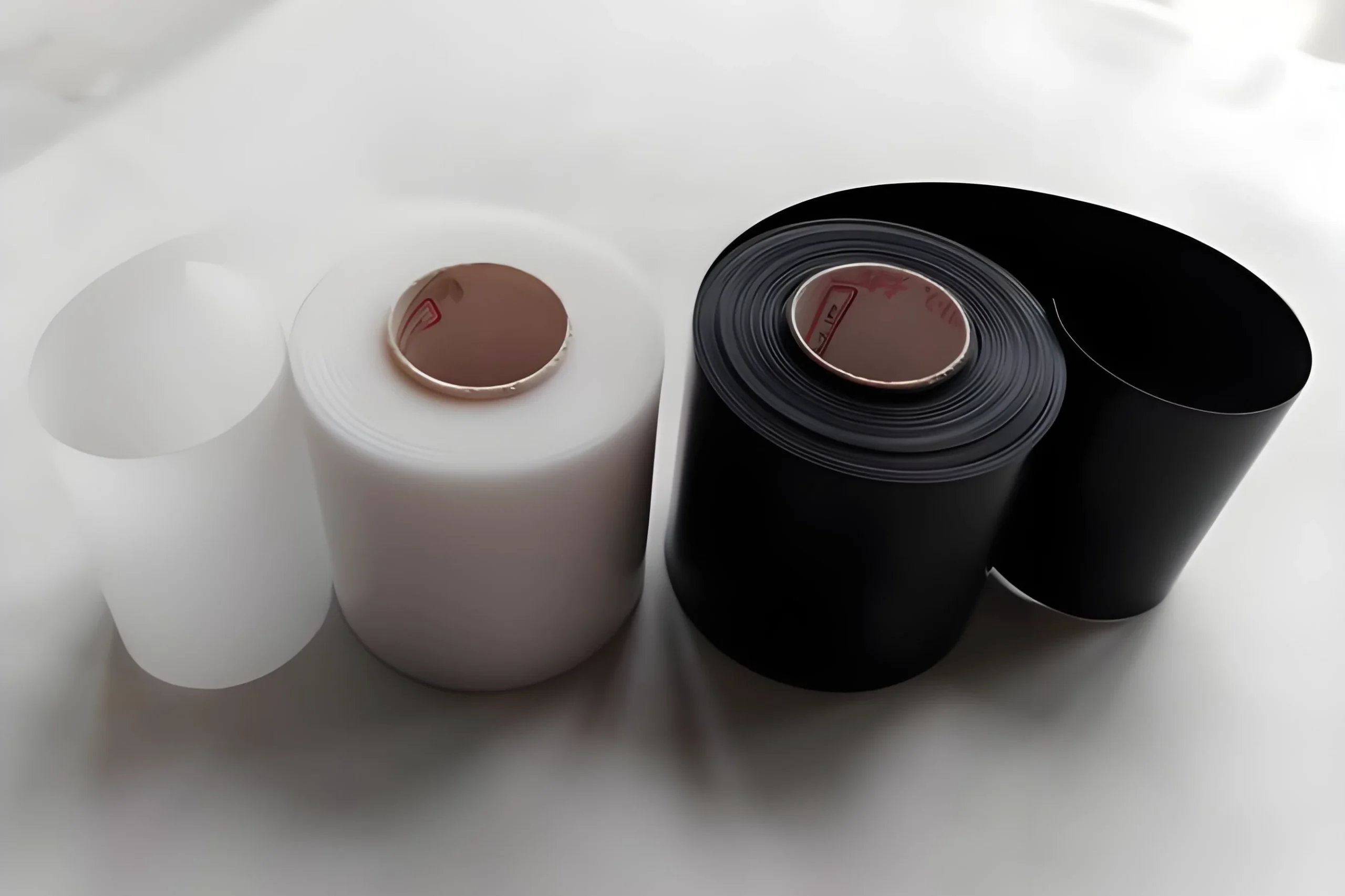
Se você é um engenheiro de baterias ou gerente de suprimentos que já perdeu o sono devido a incidentes de fuga térmica, provavelmente já ouviu falar dos separadores de UHMWPE. Mas o que realmente os torna muito melhores do que os materiais comuns de poliolefina que a maioria das pessoas ainda usa?
Deixe-me explicar para você como se estivéssemos conversando durante um café – sem excesso de jargões, prometo.
O que é, afinal, um separador de UHMWPE?
UHMWPE = Polietileno de Ultra-Alto Peso Molecular.
Parece assustador, mas é basicamente um plástico super-resistente com cadeias moleculares tão longas que se emaranham como espaguete, tornando o material incrivelmente forte e resistente ao calor.
Em uma bateria de íons de lítio, o separador é aquela camada fina situada entre os eletrodos positivo e negativo. Sua função? Permitir que os íons de lítio se desloquem de um lado para o outro (isso é a permeabilidade iônica), enquanto evita fisicamente que os eletrodos se toquem – pois contato = curto-circuito = fogo. Um dia ruim.
Os separadores tradicionais são feitos principalmente de polipropileno (PP) ou polietileno (PE), às vezes ambos em uma configuração de camada tripla. Eles funcionam... até as coisas esquentarem. Então, eles encolhem, derretem e, bum – ocorre a fuga térmica.
Os separadores de UHMWPE desafiam o calor.
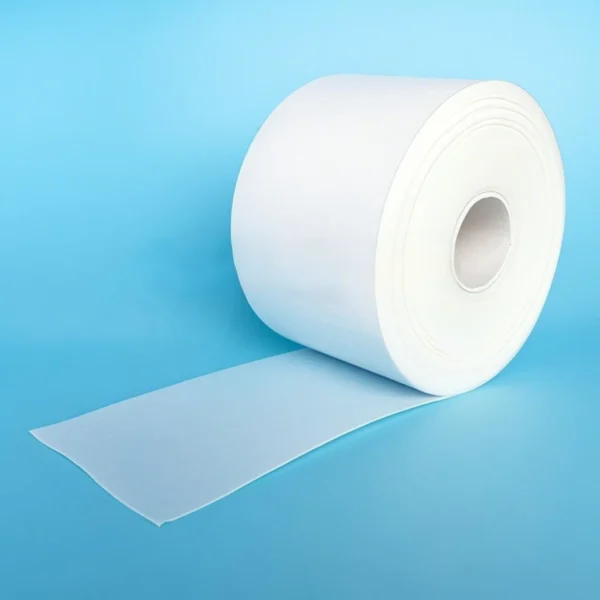
Membrana UPE (filme UHMWPE) – Alta resistência ao desgaste e estabilidade química
A membrana UPE (Polietileno de Ultra-Alto Peso Molecular) oferece excepcional resistência ao desgaste, superando o aço carbono em 8 vezes em ambientes de alto atrito. Sua estrutura molecular inerte garante estabilidade em condições ácidas, alcalinas e salinas. Ideal para revestimentos industriais e sistemas de filtração, esta película autolubrificante reduz a perda de energia, mantendo a flexibilidade em baixas temperaturas. Em conformidade com a FDA e atóxica, é amplamente utilizada em embalagens médicas e aplicações automotivas.
Por que a segurança das baterias tornou-se subitamente inegociável
Lembra-se dos incêndios do Samsung Galaxy Note 7 em 2016? Ou das dezenas de incêndios em patinetes e bicicletas elétricas todos os anos? Pois é, reguladores e consumidores não estão mais para brincadeira.
De acordo com um estudo de 2024 publicado no Journal of Power Sources, mais de 65% das falhas de campo em baterias de íons de lítio que resultaram em incêndio ou explosão foram causadas por curtos-circuitos internos – quase todas evitáveis com uma melhor tecnologia de separadores.
É aí que os separadores de UHMWPE se tornam essenciais.
Números reais que realmente importam
| Propriedade | Separador Típico de PP/PE | Separador de UHMWPE |
|---|---|---|
| Ponto de fusão | ~130–165 °C | >200 °C (basicamente não derrete) |
| Encolhimento a 150 °C / 1h | 10–40% | < 2% |
| Resistência à tração | 100–150 MPa | 300–800 MPa |
| Resistência à perfuração | ~300–450 gf | 600–1200 gf |
| Porosidade | 35–45% | 40–55% |
| Permeabilidade iônica (Gurley s) | 150–250 | 80–150 |
(Dados compilados de múltiplas fontes revisadas por pares, incluindo Advanced Energy Materials 2023 e Nature Energy 2024)
Tradução: Os separadores de UHMWPE permanecem estáveis quando os modelos convencionais já estão se deformando e falhando.
Permeabilidade Iônica – Por que o Carregamento Mais Rápido não é apenas Marketing
Todos querem carregamento em 10 minutos. Mas se o separador da sua bateria de íons de lítio não conseguir transportar íons rápido o suficiente, ou você terá um carregamento lento ou acabará superaquecendo a bateria.
As membranas de UHMWPE possuem uma estrutura de poros mais uniforme e interconectada (pense em um queijo suíço feito por perfeccionistas). Resultado? Menor tortuosidade → os íons seguem um caminho mais direto → maior condutividade iônica → você pode aplicar taxas C mais elevadas sem que a bateria apresente instabilidades.
Um de nossos clientes (um grande fabricante chinês de ferramentas elétricas, que não podemos nomear por razões de confidencialidade/NDA) mudou para os nossos 12 μm Membrana de UHMWPE no ano passado. Eles passaram de um carregamento rápido seguro de 1.5C para 3.5C, mantendo o aumento de temperatura abaixo de 12 °C. A taxa de retorno caiu 68% em seis meses. História real.
Desligamento Térmico? Ainda presente, apenas melhor
Muitas pessoas pensam: “O UHMWPE não derrete, então não há função de desligamento”. Errado.
Os separadores inteligentes de UHMWPE são frequentemente revestidos com cerâmica ou polímeros especiais em um dos lados. Acima de ~130 °C, o revestimento derrete e obstrui os poros → o fluxo de íons para → a bateria desliga com segurança antes que algo exploda. O melhor dos dois mundos: estabilidade térmica extrema + desligamento confiável quando você realmente precisa.
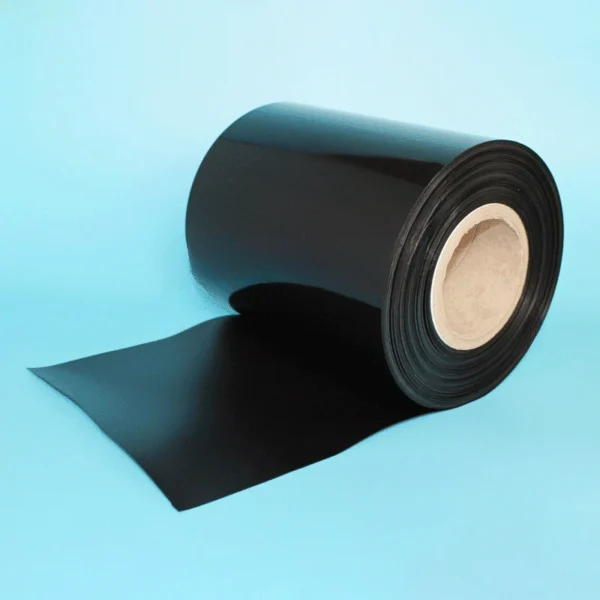
Filme UPE de ultra-alto peso molecular – Solução de embalagem médica durável
Este filme UPE se destaca em embalagens médicas, com conformidade com a FDA, biocompatibilidade e ausência de toxicidade. Sua alta resistência ao impacto e resistência química também beneficia as indústrias automotiva e têxtil. A superfície autolubrificante reduz os riscos de contaminação em ambientes com higiene crítica.
Separadores de UHMWPE via Processo Úmido vs. Processo Seco – Comparação Rápida
| Recurso | UHMWPE de Processo Seco | UHMWPE de Processo Úmido (como o nosso) |
|---|---|---|
| Espessura disponível | Geralmente ≥16 μm | Até 5 μm |
| Uniformidade | Bom | Excelente |
| Resistência mecânica | Muito alta | Ligeiramente menor, mas ainda excelente |
| Custo | Mais baixo | Mais alto |
| Permeabilidade iônica | Razoável | Nível superior |
| Adequado para alta densidade de energia? | OK | Perfeito |
Se você busca células tipo pouch de mais de 300 Wh/kg para drones ou veículos elétricos premium, o UHMWPE de processo úmido é praticamente a única escolha realista no momento.
Aplicações no Mundo Real que Vimos (Anonimizadas)
- Grande empresa de drones dos EUA – mudou para o nosso separador UHMWPE de 9 μm em 2024, aumentou o tempo de voo em 18% porque finalmente puderam incluir mais material ativo sem reduzir as margens de segurança.
- Marca europeia de e-bikes – reduziu as reclamações de garantia relacionadas a incêndios de aproximadamente 1 em cada 800 pacotes para 1 em 47.000 após abandonar o PP/PE revestido com cerâmica.
- OEM chinês de power banks – agora anuncia “não queima mesmo se perfurado” em vídeos de marketing (sim, temos as filmagens de penetração por prego – assustadoras, mas impressionantes).
Como a Teflon X Torna Suas Membranas de UHMWPE Diferentes
Estamos imersos em fluoropolímeros e membranas de alto desempenho há mais de 15 anos; portanto, quando decidimos entrar no mercado de separadores de baterias, não brincamos em serviço.
- Linha de processo úmido interna (não terceirizada)
- Filme base + opções de revestimento cerâmico funcional ou PVDF
- Espessura de 5 μm a 25 μm
- Valores de porosidade e Gurley personalizados – você nos informa seus objetivos de design de célula, nós os atendemos.
- Rastreabilidade total, PPAP de grau automotivo disponível.
Você pode conferir a ficha técnica completa aqui: Membrana de UHMWPE – Teflon X
Perguntas Frequentes sobre Separadores de UHMWPE
P: Os separadores de UHMWPE são mais caros do que os convencionais?
R: Sim, geralmente 15–40% mais caro por metro quadrado. Mas quando você leva em conta a menor taxa de falha, o design mais fino (mais Wh/L) e o fato de não precisar realizar o recall de 2 milhões de dispositivos… a maioria dos nossos clientes afirma que é o seguro mais barato que já compraram.
P: Posso utilizar o separador de UHMWPE com químicas LFP, NMC ou de alto teor de níquel?
R: Com certeza. Dispomos de tipos otimizados para cada um. O alto teor de níquel beneficia-se especialmente da margem térmica adicional.
P: Preciso alterar o meu revestimento ou a formulação do eletrólito?
R: Geralmente não. Nossas membranas são projetadas como substituições diretas. A molhabilidade é, na verdade, superior à da maioria dos PP/PE devido à energia de superfície.
P: Qual é o separador de UHMWPE mais fino no mercado atualmente?
R: Existem opções comerciais de 5 μm (principalmente na China e na Coreia), mas a faixa de 7–9 μm com revestimento cerâmico é o ponto ideal para o equilíbrio entre confiabilidade e densidade de energia em 2025.

Membrana UHMWPE para sistemas de filtração – resistente à corrosão e durável
Otimizada para sistemas de filtração, a membrana UHMWPE resiste a produtos químicos agressivos e ambientes abrasivos. A baixa adesão e a estabilidade térmica do material garantem longevidade em aplicações industriais e médicas. Sua flexibilidade em frio extremo atende a diversas necessidades operacionais.
Pronto para tornar suas baterias mais seguras e potentes?
Se você está cansado de comprometer a segurança pelo desempenho, vamos conversar.
Envie-nos uma mensagem para Allison.Ye@teflonx.com ou preencha o formulário aqui: https://teflonx.com/contact-us/
Enviaremos amostras grátis em formato A4, a ficha técnica completa e até relatórios de testes de terceiros em até 48 horas. Sem pressão de vendas – apenas fatos diretos para que você possa tomar a melhor decisão para suas células.
Porque, nesta indústria, o separador que você escolhe hoje pode literalmente salvar vidas amanhã.
Até breve,
Allison e a equipe Teflon X
P.S. Sim, também fabricamos separadores de PTFE, ePTFE para baterias de estado sólido e de lítio metálico – um desafio diferente, mas com a mesma qualidade obsessiva. É só perguntar. 😄
