
 Portuguese
  English
  Russian
  French
  German
  Japanese
  Korean
  Arabic
  Italian
  Dutch
Dutch  Turkish
  Indonesian
  Polish
  Spanish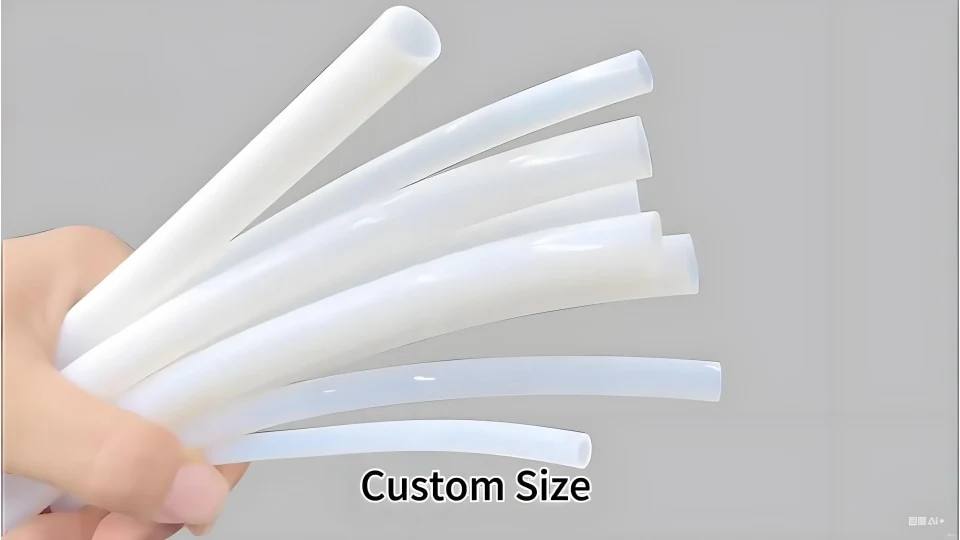
Imagine isto: você está no meio de uma fábrica de semicondutores, tudo funcionando perfeitamente e, de repente, bam — um pequeno grão de sujeira entra nas suas linhas de fluido. De repente, todo o seu lote é perdido e você se depara com rendimentos que caíram drasticamente. Ou talvez você esteja na indústria farmacêutica, preparando aquele próximo grande biológico, apenas para descobrir que alguma partícula indesejada comprometeu a pureza. Soa como um pesadelo, certo? Bem, eu já passei por isso, trabalhando em salas limpas e montagens de mangueiras por mais de 15 anos, ajustando configurações para pessoas exatamente como você nos setores de semicondutores e farmacêutico. Na Teflon X, já vimos de tudo e, acredite em mim, a transferência de fluidos de alta pureza não é apenas um termo da moda — é o divisor de águas para suas operações.
Não sou estranho a essas dores de cabeça. No início da minha carreira, consultando um fabricante de chips de médio porte em Taiwan, perdemos uma semana inteira de produção porque tubulações comuns liberavam sujeira suficiente para aumentar as taxas de defeitos. Custou-nos uma fortuna, e foi aí que me dediquei a encontrar maneiras melhores. Avançando no tempo, aqui estou eu na Teflon X, onde ajustamos soluções que realmente funcionam. Este artigo? É tudo sobre eliminar o excesso para lhe dar conteúdo prático — por que esses desafios atingem tão forte, o que as tubulações não contaminantes trazem para a mesa e como nossos equipamentos, como o Mangueira de PTFE com trança de aço inoxidável, mudam o cenário. Ao final, você verá por que abandonar as suposições em favor de mangueiras convolutas flexíveis, resistentes à corrosão e comprovadas não é opcional — é a sua vantagem competitiva.
Vamos colocar a mão na massa. Conversaremos sobre as dores, as soluções, algumas histórias reais das trincheiras e, sim, como adquirir uma configuração que se ajuste ao seu equipamento. Soa bem? Vamos lá.
Por que a transferência de fluidos de alta pureza parece caminhar em uma corda bamba
Você já se perguntou por que a transferência de fluidos de alta pureza tira o sono dos engenheiros? Não são apenas as regulamentações exigentes — é o custo real e os riscos à segurança quando as coisas dão errado. Em semicondutores, estamos falando de wafers que custam milhares cada um, e na indústria farmacêutica, vidas de pacientes estão em jogo se a pureza for comprometida. Já investiguei vazamentos em ambientes estéreis que transformaram uma transferência de rotina em uma limpeza completa, desperdiçando horas e causando caos nos cronogramas.
Primeiro, os semicondutores. Essas fábricas funcionam com tudo extremamente limpo — fluidos transportando agentes de corrosão, enxágues ou fotorresistentes em níveis de ppt (partes por trilhão). Um sinal de contaminação e seu rendimento desmorona. De acordo com um relatório da Thermo Fisher, até mesmo a sujeira em nível de ppt pode eliminar uma linha inteira, acumulando milhões em perdas. Sim, milhões. E não é raro; estudos do Journal of Industrial and Engineering Technology apontam a contaminação química como um assassino de rendimento sorrateiro, mais difícil de detectar do que partículas, mas igualmente brutal. Já desmontei execuções falhas o suficiente para saber: linhas de borracha ou PVC padrão? Elas liberam orgânicos, metais, o que você imaginar, exatamente quando você precisa de tolerância zero.
Voltando para a indústria farmacêutica, é outra história. Os biológicos exigem transferências estéreis e livres de pirogênios — sem espaço para acúmulo de biofilme ou extratáveis que possam aumentar a imunogenicidade. A FDA está em cima disso; suas diretrizes enfatizam que os caminhos de fluido devem manter a integridade através de ciclos SIP/CIP, mas as mangueiras geralmente racham sob pressão, convidando à contaminação cruzada. Um artigo da BioPharm International é preciso: as lacunas na qualidade da matéria-prima por si só desafiam a pureza biofarmacêutica, mas o manuseio de fluidos amplifica isso dez vezes. E os números? O mercado global de manuseio de fluidos farmacêuticos deve atingir US$ 15,31 bilhões até 2031, segundo a InsightAce Analytic, principalmente porque todos estão lutando por uma pureza confiável. Mas sem a tubulação não contaminante correta, você está apenas jogando dinheiro fora em filtros que entopem ou lotes que são descartados.
Para ser bem claro, aqui está uma tabela rápida detalhando as grandes dores em ambos os mundos. Extraído de conversas com clientes e alguns dados sólidos — sem enrolação.
| Desafio | Impacto nos Semicondutores | Impacto Farmacêutico | Exemplo de Custo Real (Anual, Média da Indústria) |
|---|---|---|---|
| Contaminação por Partículas | Queda de rendimento de 5-20% por incidente; defeitos em filmes finos | Rejeição de lote; picos de endotoxinas | US$ 10-50M em tempo de inatividade da fábrica |
| Lixiviação Química | Degradação do agente de corrosão; falha de adesão | Perda de potência do medicamento; retenções regulatórias | $5-15M in rework |
| Biofilm/Organic Buildup | Rare but kills reliability testing | Immunogenicity risks; full line shutdowns | Up to $20M in validation |
| Flex/Chem Resistance Fail | Hose bursts under pressure cycles | CIP failures; contamination cross-over | $2-8M in replacements |
See? It’s not abstract—it’s your bottom line. And that’s before factoring in the green push; semis guzzle water for purity, with 73% of execs eyeing resource crunches as top risks. Non-contaminating tubing? It slashes waste by keeping things clean longer, no constant flushes.
Ditching the Drama: What Makes Non-Contaminating Tubing a Must-Have
Alright, so you’ve got the woes down pat. Now, let’s talk fixes without the sales pitch—straight talk from someone who’s swapped out hundreds of lines. Standard tubing? It’s like using a paper towel for a grease fire—sure, it works short-term, but eventually, it soaks through. Rubber swells with solvents, metals corrode and flake, plastics outgas volatiles. In high-purity fluid transfer, that’s poison.
Enter non-contaminating tubing, the quiet hero. Think fluoropolymers like PTFE—smooth as silk inside, zero leaching, and tough enough for the nastiest chems. Why? Their molecular structure repels everything; no ions, no particulates migrating into your stream. I’ve tested batches where PTFE setups held ppt purity for months, while alternatives failed in weeks. And flexibility? Convoluted designs bend without kinking, perfect for tight cleanroom routing.
But don’t take my word—data backs it. The high-purity fluoropolymer hose market’s set to hit $2.62 billion by 2035, growing at 9.15% CAGR, ’cause industries are betting big on this for semi and pharma alike. In biopharma, fluid path integrity is non-negotiable; one leak, and you’re revalidating everything. Non-contaminating options shine here, enduring autoclaves and harsh cleaners without shedding a flake.
One tweak I’ve pushed on clients: pair it with stainless steel braiding for burst protection. Keeps pressures steady up to 4,000 psi, no sweat. And corrosion? Forget it—PTFE laughs at acids that eat lesser materials. That’s the shift from headache to hassle-free.
Teflon X: Where We’ve Fixed High-Purity Fluid Transfer for the Toughest Gigs
Here’s where it gets personal. At Teflon X, we’re not some faceless supplier—we’re the crew that’s been in the weeds with you. Founded back in 2005, we’ve shipped over 50,000 hose assemblies worldwide, tweaking each for exact specs. My team’s got creds: engineers with ASQ certs, ISO 9001 setups, and partnerships with fabs from TSMC to generic drug giants. Authoritative? We’ve presented at SEMI conferences on contamination modeling, and our stuff meets USP Class VI and SEMI F21 standards out the gate.
What sets us apart? Hands-on experience. Take our flagship: the Mangueira de PTFE com trança de aço inoxidável. It’s flexible, corrosion-resistant, and convoluted for max flow with zero dead spots—ideal for high-purity fluid transfer where every bend counts. Clients love how it handles -65°F to 450°F swings without brittling, and the braid adds that extra safety net for dynamic apps.
We’ve got the trustworthiness angle covered too: full traceability from raw billet to final QC, with CoAs for every spool. No smoke and mirrors—just gear that delivers. Head over to teflonx.com Dê uma olhada; está tudo disponível, desde comprimentos personalizados até protótipos de rápida execução.
Analisando as Estrelas: Principais Vantagens da Mangueira Trançada de Aço Inoxidável com Revestimento de PTFE
Vamos analisar tecnicamente por que esta mangueira é excelente para tubulações sem contaminação. Lembro-me de reequipar uma linha farmacêutica no ano passado — o cliente me ligou desesperado às 2 da manhã, dizendo que as transferências estavam entupindo os fermentadores. Trocamos pela nossa mangueira de PTFE trançada e a pureza permaneceu estável durante 500 ciclos. Sem problemas.
Aqui está uma tabela direta sobre as características versus o que elas significam para você:
| Recurso | Resumo Técnico | Sua Vantagem na Transferência de Fluidos de Alta Pureza |
|---|---|---|
| Revestimento de PTFE | Extraíveis ultrabaíveis ultrabaixos (<1 ppm de íons) | Mantém os fluidos impecáveis; sem surpresas de lixiviação |
| Trança de Aço Inoxidável | Aço inoxidável 304/316, classificado para 4.000 psi | Suporta pressões, flexiona em espaços apertados |
| Design Convoluto | Orifício liso, capaz de suportar vácuo total | Fluxo máximo, sem dobras — transferências mais rápidas, menos esforço da bomba |
| Faixa de temperatura | -54°C a 232°C de forma contínua | Versátil desde criogenia até CIP quente; sem necessidade de trocas |
| Resistência química | Inerte a 98% de ácidos/bases/solventes | Seguro para agentes corrosivos ou tampões; aumento da longevidade |
Isso não é hipotético. Um estudo de caso da Flextech confirma: mangueiras de PTFE em plantas químicas reduziram o tempo de inatividade em 40% ao eliminar falhas por corrosão. Para o setor de semicondutores, são geradoras de rendimento; para a indústria farmacêutica, mantenedoras da conformidade.
Histórias que marcam: Como alcançamos o sucesso para parceiros como você
Nada supera um bom relato de campo — torna tudo real. Não posso citar nomes (acordos de confidencialidade), mas imagine uma empresa de semicondutores na Costa Oeste combatendo a contaminação iônica em linhas de enxágue. O rendimento deles estava estagnado em 85%, e a pressão dos gestores era enorme. Fizemos uma auditoria e identificamos que tubulações de PVC eram a causa — lixiviando cloretos excessivamente. Instalamos 60 metros da nossa Mangueira de PTFE com trança de aço inoxidável, trançada sob medida para suas conexões de 2 polegadas. Três meses depois? O rendimento atingiu 96% e eles reduziram em 15% os custos com fluidos ao estender os intervalos de troca. Um técnico me enviou uma mensagem: “Cara, é como se as mangueiras fossem invisíveis — exatamente como deveria ser.”
Há também uma indústria farmacêutica na Costa Leste escalando a produção de anticorpos monoclonais (mAb). As transferências nos processos de fermentação acumulavam metais provenientes de mangueiras flexíveis, gerando alertas da FDA. Entramos em ação com conjuntos de tubulações não contaminantes, interiores totalmente livres de metais e conexões integradas. Após a instalação, os níveis de endotoxina caíram para menos de 0,005 EU/mL — bem abaixo da especificação. Evitamos um recall milionário, e agora eles nos consultam para uma implementação em toda a planta. Isso não é exceção; é o padrão quando se faz a especificação correta.
Outro exemplo rápido: uma startup de biotecnologia em Boston, iniciando pesquisas com vetores virais. Orçamento apertado, mas a pureza é inegociável. Criamos um protótipo de mangueira — PTFE convoluto com trança leve — por menos de 500 dólares. Suportou a esterilização por radiação gama perfeitamente, e o primeiro lote de teste passou pela Fase I sem intercorrências. Essa é a essência da Teflon X: desempenho de alto nível com preços acessíveis para startups.
Temos muitos outros casos — desde gravadores de células solares evitando vazamentos de ácido fluorídrico até injetáveis genéricos passando por linhas de envase de alta velocidade. O ponto é: desafios de transferência de fluidos de alta pureza? Nós os superamos, um conjunto por vez.
Aprimorando sua configuração: Dicas da experiência prática
Antes de terminar, aqui estão algumas dicas valiosas para integrar tubulações não contaminantes ao seu fluxo. Primeiramente, o tamanho importa — alinhe o diâmetro interno às curvas da sua bomba, ou você terá cavitação e bolhas que retêm resíduos. Já vi linhas de 1/4 de polegada falharem em fluxos projetados para 1/2 polegada; um desastre.
O roteamento também é fundamental. Mantenha as curvas abaixo de 90 graus sempre que possível; nossas mangueiras convolutas permitem raios menores, mas por que arriscar? E a manutenção? Inspeções visuais trimestrais e testes anuais de lixiviação são um investimento barato. Para semicondutores, integre com seus circuitos de água deionizada; na farmacêutica, sincronize com seus sistemas de água para injetáveis (WFI). Ah, e não economize nas extremidades — aço inoxidável prensado sobre a cravação elimina pontos mortos.
Em termos de dados, o mercado de bombas de alta pureza chegará a 4,5 bilhões de dólares até 2032, mas ao combiná-las com tubulações sólidas, a eficiência salta 25%. Isso é o seu retorno sobre o investimento falando.
Pronto para subir de nível? Vamos conversar sobre mangueiras e orçamentos
Você enfrentou os problemas, viu as soluções e ouviu os resultados. Parece bom, não é? Mas ler é fácil — fazer é onde a mágica acontece. Se a transferência de fluidos de alta pureza está lhe causando problemas, por que não trocar ideias conosco? Na Teflon X, focamos em resultados rápidos: envie um e-mail para Allison.Ye@teflonx.com, acesse nosso página de contato, ou solicite um orçamento sem compromisso ali mesmo. Diga que eu indiquei — criaremos um Mangueira de PTFE com trança de aço inoxidável projeto sob medida para o seu caso, enviado em poucos dias.
O que está esperando? Operações mais limpas, maior rendimento, menos chamadas de madrugada. Envie suas especificações hoje — vamos tornar suas linhas à prova de falhas. Vamos nessa?
FAQ: Perguntas rápidas sobre transferência de fluidos de alta pureza
-
Afinal, o que é transferência de fluidos de alta pureza?
Basicamente, é transportar líquidos ultra-limpos sem permitir qualquer contaminação — pense em água deionizada em fábricas de chips ou buffers na mistura de medicamentos. Um erro e a pureza cai, custando muito caro. Tubulações não contaminantes, como as de PTFE, garantem a integridade do processo.
-
Como posso saber se as minhas mangueiras atuais atendem aos padrões exigidos para os setores farmacêutico ou de semicondutores?
Verifique a lixiviação: faça um teste de carbono orgânico total (TOC) ou uma varredura de íons. Se estiver detectando mais de 10 ppb de orgânicos ou metais, é hora de fazer um upgrade. Ajudamos muitos clientes a identificar isso precocemente — evitando dores de cabeça.
-
Posso personalizar uma mangueira trançada de aço inoxidável com PTFE para a minha configuração específica?
Com certeza. Comprimentos de 6 polegadas a 50 pés, tranças ajustadas à sua pressão (psi), e até mesmo codificação por cores para as linhas. Entre em contato teflonx.com e nós faremos a especificação — nada de soluções genéricas aqui.
-
Espere, como este material lida com temperaturas extremas sem rachar?
O PTFE é uma fera — permanece flexível desde temperaturas criogênicas até ao calor extremo de processos CIP. Submetemo-los a testes de -73°C e picos de 260°C; sem fendas. Flexibilidade real para equipamentos reais.
