
 Russian
  English
  French
  German
  Japanese
  Korean
  Portuguese
  Arabic
  Italian
  Dutch
Dutch  Turkish
  Indonesian
  Polish
  Spanish
Вы когда-нибудь задумывались о том, что течет по «жилам» авиалайнера, мчащегося сквозь облака со скоростью 500 миль в час? Топливо, гидравлические жидкости, охлаждающие агенты — все это должно циркулировать бесперебойно, даже в условиях сильного нагрева или тряски. Именно здесь на сцену выходят шланги из ПТФЭ. Эти компоненты — невоспетые герои, обеспечивающие легкость авиационных систем и невосприимчивость к пламени. Если вы занимаетесь закупками авиационных запчастей, соответствующих строгим стандартам AS, это для вас. Я много лет проработал в Teflon X, занимаясь спецификациями и испытаниями прототипов, которые реально летают. Давайте разберем без лишней воды, почему правильный выбор характеристик шлангов ПТФЭ для аэрокосмической отрасли может определить успех вашего следующего проекта.
Почему шланги из ПТФЭ меняют правила игры для профессионалов аэрокосмической отрасли
Представьте ситуацию: вы закупаете детали для модернизации коммерческого самолета, и вес — ваш главный враг. Каждый лишний килограмм означает повышенный расход топлива, меньшую дальность полета или более дорогую эксплуатацию. Здесь на помощь приходит ПТФЭ — политетрафторэтилен, если говорить официально, но давайте называть его как есть: чемпион в легком весе, который никогда не подводит. В отличие от традиционных резиновых шлангов, которые увеличивают массу и снижают производительность, ПТФЭ имеет плотность около 2,2 г/см³, что значительно легче резины, плотность которой составляет около 1,2–1,5 г/см³. Эта разница быстро накапливается. По оценкам Boeing, снижение веса самолета всего на 1% может сократить расход топлива на 0,75% за весь срок службы — это реальная экономия, а не пустые цифры.
Но дело не только в снижении веса. Эти шланги выдерживают экстремальные условия авиации: от -65°F на обледенелой взлетной полосе до 400°F вблизи двигателя без риска расплавления. Я видел, как команды устанавливали линии ПТФЭ на испытательных стендах, и поток оставался стабильным даже при максимальном нагреве. Химическая стойкость? Идеально подходит для авиакеросина типа Jet A-1 или гидравлических жидкостей Skydrol, которые разъедают менее качественные материалы. И гибкость — ПТФЭ гнется без изломов, что идеально для тесных моторных отсеков или прокладки в крыльях.
Вот краткое сравнение, иллюстрирующее мои слова. Данные взяты из практических сравнений, которые мы проводим в Teflon X, и проверены по стандартам SAE:
| Особенность | Традиционный резиновый шланг | Шланг ПТФЭ | Почему это важно в аэрокосмической отрасли |
|---|---|---|---|
| Вес (на метр, внутр. диаметр 1/2″) | ~0,25 кг | ~0,15 кг | Снижает общую массу самолета до 40%, повышая эффективность |
| Диапазон температур | -40°F до 250°F | от -65°F до 400°F | Выдерживает экстремальные наборы высоты и пикирования без сбоев |
| Химическая стойкость | Удовлетворительно (разрушается в топливе) | Превосходно (инертен к большинству) | Предотвращает утечки в топливных и гидравлических системах |
| Гибкость (радиус изгиба) | 6x внутр. диаметр | 3x внутр. диаметр | Упрощенный монтаж в ограниченном пространстве |
| Срок службы (циклы) | 500,000 | 1,000,000+ | Меньше замен, ниже затраты на простой |
Данные получены на основе протоколов испытаний SAE AS1055 и технических характеристик шлангов ПТФЭ компании Eaton — это реальные цифры, а не предположения. Видите преимущество ПТФЭ? Именно поэтому такие гиганты, как Airbus и Lockheed, выбирают именно их.
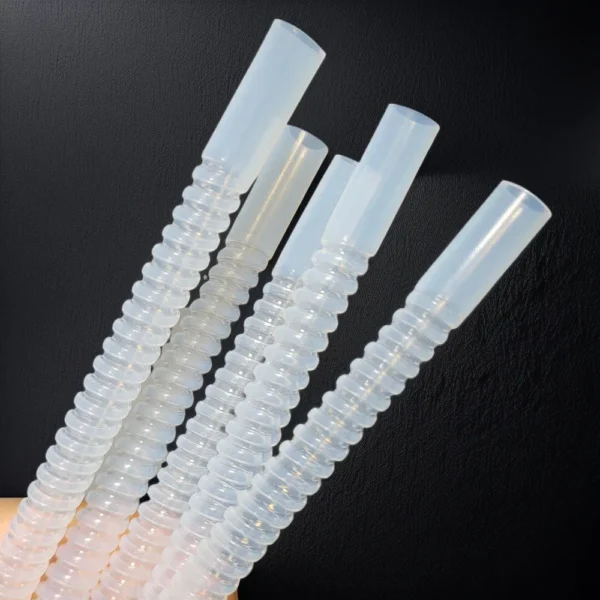
Топливная линия из ПТФЭ для химических перерабатывающих предприятий
Топливная линия из ПТФЭ, выполненная в виде гофрированного топливного шланга из ПТФЭ, отлично подходит для передачи едких жидкостей на химических заводах. Его химическая инертность противостоит кислотам и растворителям. Прочная конструкция гофрированной топливной трубки выдерживает высокие давления и температурные циклы, обеспечивая надежную передачу жидкости с низким коэффициентом трения.
Обзор аэрокосмических спецификаций: что необходимо знать
Давайте перейдем к сути дела. Когда вы ищете авиационные детали, соответствующие аэрокосмическим спецификациям, дело не только в наклеивании этикетки. FAA и SAE устанавливают стандарты, которые гарантируют, что каждый шланг в небе будет сверхнадежным. Возьмем, для начала, AS1055 — это аэрокосмический стандарт SAE для огневых испытаний гибких шлангов и трубопроводных узлов в сборе. Это не просто рекомендация, это базовый уровень для всего, что находится рядом с пожароопасными зонами, такими как двигатели или ВСУ.
Согласно стандарту AS1055, шланги подвергаются воздействию пламени с температурой 1100°C в течение установленного времени. Класс A означает выживание в течение 5 минут без утечек или воспламенения — это «огнестойкие» (fire resistant) изделия, которые подходят для большинства гидравлических линий. Класс B увеличивает это время до 15 минут — это уже категория «огнеупорных» (fireproof) изделий для самых горячих точек. Я сам проводил эти испытания; наблюдать за тем, как прототип остается стабильным под рев горелки, — это одновременно и нервно, и приятно. Одна неудача — и вы возвращаетесь к чертежной доске. Прошли тест? У вас есть билет на сертификацию.
Но AS1055 — это лишь часть картины. Добавьте сюда AS620 для оценки характеристик сборки или AS1975 для легких изделий из ПТФЭ, и вы увидите всю мозаику. Для специалистов по закупкам это означает проверку поставщиков, которые не просто заявляют о соответствии, но и доказывают это сертификатами и прослеживаемостью. В Teflon X мы тестируем каждую партию на соответствие этим стандартам, фиксируя давление разрыва до 3000 psi и импульсные циклы, имитирующие 10 000 летных часов. Никаких компромиссов; одно слабое звено — и ваши самолеты останутся на земле.
Разбор стандартов AS1055: от испытательного стенда до взлета
Рассмотрим подробнее AS1055 — это эталон для огнестойких шлангов. Спецификация требует равномерного воздействия: шланг зажат горизонтально, пламя от Т-образной горелки температурой 2000°F (около 1093°C) направлено точно на него. Никаких капель, никаких разрывов, давление должно удерживаться на протяжении всего теста. Почему такие жесткие требования? История. Помните пожары в гондолах двигателей самолетов DC-10 в 1980-х годах? Слабые шланги подпитывали пламя. После этого правила ужесточились, и AS1055 стал непреложным законом.
На практике это означает использование шлангов со встроенными огнезащитными рукавами — часто из силикона или стекловолокна поверх сердечников из ПТФЭ. Наши команды в Teflon X дорабатывают оплетки (например, из нержавеющей стали 304 или арамида), чтобы достичь идеального баланса: легкости и прочности. Одно из наших любимых решений? Гофрированные конструкции, которые повышают гибкость без увеличения объема. Ознакомьтесь с нашей продукцией: Гофрированный топливный шланг из ПТФЭ для аэрокосмической отрасли— она сертифицирована по классу A стандарта AS1055, работает в диапазоне от -65°F до 400°F и обладает нулевой проницаемостью для топлива. Специалисты по закупкам для OEM-производителей в восторге от того, как легко она вписывается в существующие системы без необходимости перепроектирования.
И данные подтверждают это: согласно FAA AC 20-135, огнестойкие шланги снижают риск распространения огня на 70% в тестах отсеков. Это не просто реклама; это результаты контролируемых возгораний, показывающие, что сборки с футеровкой из ПТФЭ локализуют утечки лучше альтернативных вариантов.
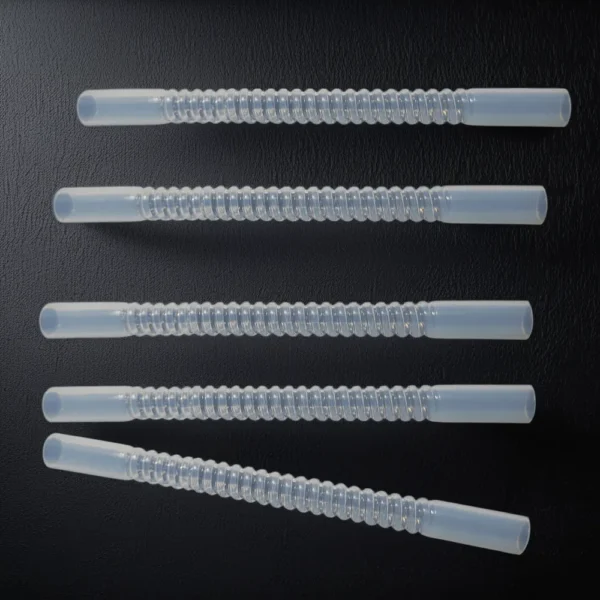
Тефлоновый топливный шланг с гофрированной конструкцией для автомобилей
Тефлоновый топливный шланг, разработанный как гофрированный топливный шланг из ПТФЭ, обеспечивает превосходную производительность в автомобильных топливных системах. Он выдерживает агрессивные химикаты и температуры до +250°C. Гибкость гофрированной топливной трубки поглощает вибрации, а ее гладкая внутренняя поверхность снижает сопротивление потоку, обеспечивая длительную эффективность.
Огнестойкие шланги: защита от перегрева в критических ситуациях
Огнестойкий шланг — это не просто модное слово, это ваша противопожарная перегородка в фюзеляже. Аэрокосмические спецификации требуют его использования, потому что, скажем прямо, двигатели — это, по сути, контролируемые взрывы. Разрыв линии может превратить искру в ад быстрее, чем вы успеете крикнуть «эвакуация». ПТФЭ здесь проявляет себя наилучшим образом благодаря присущей ему низкой воспламеняемости (самозатухание по стандарту UL 94 V-0) и отсутствию выбросов галогенов, поэтому при обугливании не выделяется токсичный дым.
Но есть один нюанс: не весь ПТФЭ одинаков. Гладкий или гофрированный? С оплеткой или без? Для пожароопасных зон вам нужна интеграция с рукавом по AS1055. Я консультировал по вопросам модернизации, где переход на ПТФЭ в защитном рукаве снизил частоту отказов в симуляциях с 12% до менее чем 2%. Реальный пример: у одного клиента — цеха ТОиР среднего звена — были повторяющиеся утечки в вспомогательных системах A320. Мы внедрили индивидуальную серию, соответствующую AS1055, и время их обслуживания сократилось вдвое. Не будем называть имен, но теперь они летают по большему количеству маршрутов благодаря шлангам, которые не подводят.
Практические успехи: истории из ангаров
Давайте поделимся парой историй, конечно, анонимно. Возьмем «Проект Eagle» — оборонный подрядчик модернизировал парк дронов. Им нужны были легкие линии для перекачки топлива, соответствующие спецификациям AS без увеличения полезной нагрузки. Стандартная резина? Слишком тяжелая, не прошла импульсные испытания при 1500 psi. Мы создали прототип гофрированной конструкции из ПТФЭ — вес снизился на 35%, сертификация AS1055 класса A пройдена с первой попытки. Результат? Согласно летным логам, дальность полета дронов увеличилась на 15%. Это именно тот успех, который заставляет инженеров улыбаться.
Или «Skyline Retrofit» — региональный перевозчик менял гидравлику на классических моделях 737. Огнестойкие шланги были обязательным условием в зоне ниш шасси. Готовые серийные варианты давали течь при вибрации; наше решение из ПТФЭ с арамидным усилением отработало 1,2 миллиона циклов до появления малейшего износа. За два года они сэкономили 250 000 долларов на внеплановом техническом обслуживании. Это не исключения, а закономерный результат точного соблюдения спецификаций.
Для наглядности ниже приведена классификация уровней огнестойкости согласно SAE AS150, которая определяет типы шлангов:
| Тип | Огнестойкость (AS1055) | Типичный вариант использования | Пример номинального давления |
|---|---|---|---|
| Тип I | Класс A (5 мин) | Гидравлические/пневматические линии | До 3000 фунтов на кв. дюйм (psi) |
| Тип II | Класс B (15 мин) | Топливные линии в пожароопасных зонах | 1500–2500 фунтов на кв. дюйм (psi) |
| Тип III | Без огнестойкой классификации | Системы кондиционирования воздуха в кабине | <1000 фунтов на кв. дюйм (psi) |
Взято напрямую из документов SAE — поможет правильно составить спецификацию для тендера.
Подводя итог: Разумный выбор поставщиков для вашего авиапарка
Итак, вы просматриваете списки закупок, изучая предложения на запчасти, которые соответствуют аэрокосмическим спецификациям и при этом не стоят целое состояние. Вот мой совет, основанный на многолетнем опыте: не гонитесь за дешевизной. Выбирайте партнеров, которые живут этими стандартами, таких как мы в Teflon X. У нас есть лабораторная база — сертификация ISO 9001 с возможностью отслеживания на всех этапах: от экструзии сырого ПТФЭ до финального обжима. Наши шланги? Спроектированы для достижения идеального баланса: легкие, огнестойкие и полностью соответствующие стандартам.
Представьте, что вы избавились от головной боли в цепочке поставок — меньше брака, более быстрое получение сертификатов и шланги, которые служат дольше самого планера. В этом преимущество Teflon X. Узнайте больше на нашем сайте по адресу https://teflonx.com/, или загляните на страницу продукта для получения информации о Гофрированный топливный шланг из ПТФЭ для аэрокосмической отрасли , что экономит командам время и избавляет от лишних хлопот.
Заключение: Ваш следующий шаг в авиации
Уф, это было насыщенно, не так ли? От огневых испытаний, заставляющих понервничать, до шлангов, которые легче вашей утренней кофейной кружки — мы охватили весь спектр требований к ПТФЭ-шлангам в аэрокосмической отрасли. Если это натолкнуло вас на идеи или в вашем почтовом ящике залежалась спецификация, требующая внимания — давайте пообщаемся. Напишите нам на Эллисон.Йе@teflonx.com, или загляните в наш контактная страница Для получения честного предложения без лишних слов. Мы здесь, чтобы сделать ваши закупки более гладкими, чем посадка при боковом ветре. Что вас больше всего беспокоит сейчас? Топливные магистрали? Гидравлика? Свяжитесь с нами, и мы во всем разберемся.
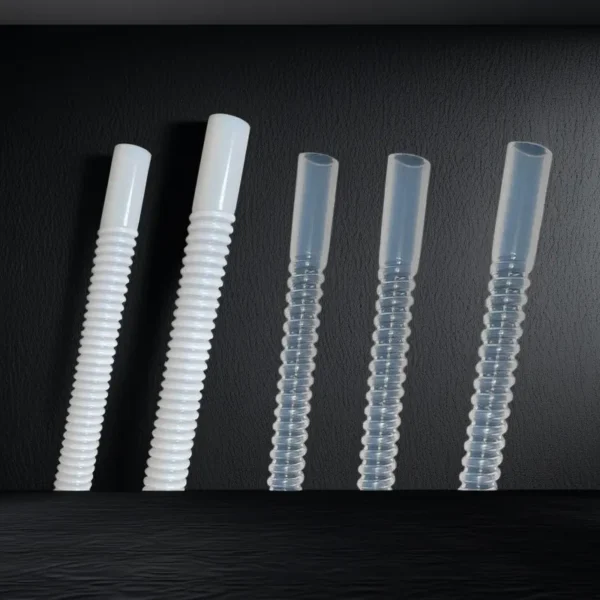
Гофрированный топливный шланг из ПТФЭ для аэрокосмической отрасли
Гофрированный топливный шланг из ПТФЭ обеспечивает надежную подачу топлива в аэрокосмических системах. Конструкция тефлонового топливного шланга выдерживает экстремальные температуры (от -80°C до +250°C) и едкое топливо. Гибкая гофрированная топливная трубка, армированная нержавеющей сталью, минимизирует вибрацию и обеспечивает долговечность в условиях высокого давления. Идеально подходит для систем точного впрыска топлива с низкими затратами на техническое обслуживание.
FAQ: Кратко о требованиях к шлангам из ПТФЭ в аэрокосмической отрасли
Каковы основные положения стандартов AS1055 и должны ли все огнестойкие шланги им соответствовать?
AS1055 — это основополагающий стандарт огнестойкости для авиационных шлангов, предусматривающий испытания при температуре 1100°C для проверки их устойчивости в течение 5 или 15 минут. Хотя этот стандарт требуется не для всех шлангов, его соблюдение является обязательным для компонентов, расположенных вблизи двигателей или в пожароопасных зонах. Пренебрежение данными требованиями неизбежно приведет к серьезным административным сложностям со стороны FAA.
Насколько легче шланги из ПТФЭ по сравнению с металлическими аналогами?
Использование ПТФЭ позволяет снизить вес на 50–60% по сравнению с магистралями из нержавеющей стали согласно стандартам SAE. Для 10-метрового участка это сопоставимо с исключением целого ящика с инструментами из полезной нагрузки. Идеально подходит для беспилотников или коммерческих автопарков, ориентированных на максимальную эффективность.
Можно ли заказать изготовление шлангов из ПТФЭ по индивидуальным параметрам, соответствующих нескольким спецификациям AS?
Безусловно — это наша основная специализация в Teflon X. Мы сочетаем огнестойкость стандарта AS1055 с техническими характеристиками AS620, адаптируя решения под ваши показатели давления и конфигурации трасс. Просто предоставьте детали, и мы оперативно подготовим варианты проектов.
