
 Russian
  English
  French
  German
  Japanese
  Korean
  Portuguese
  Arabic
  Italian
  Dutch
Dutch  Turkish
  Indonesian
  Polish
  Spanish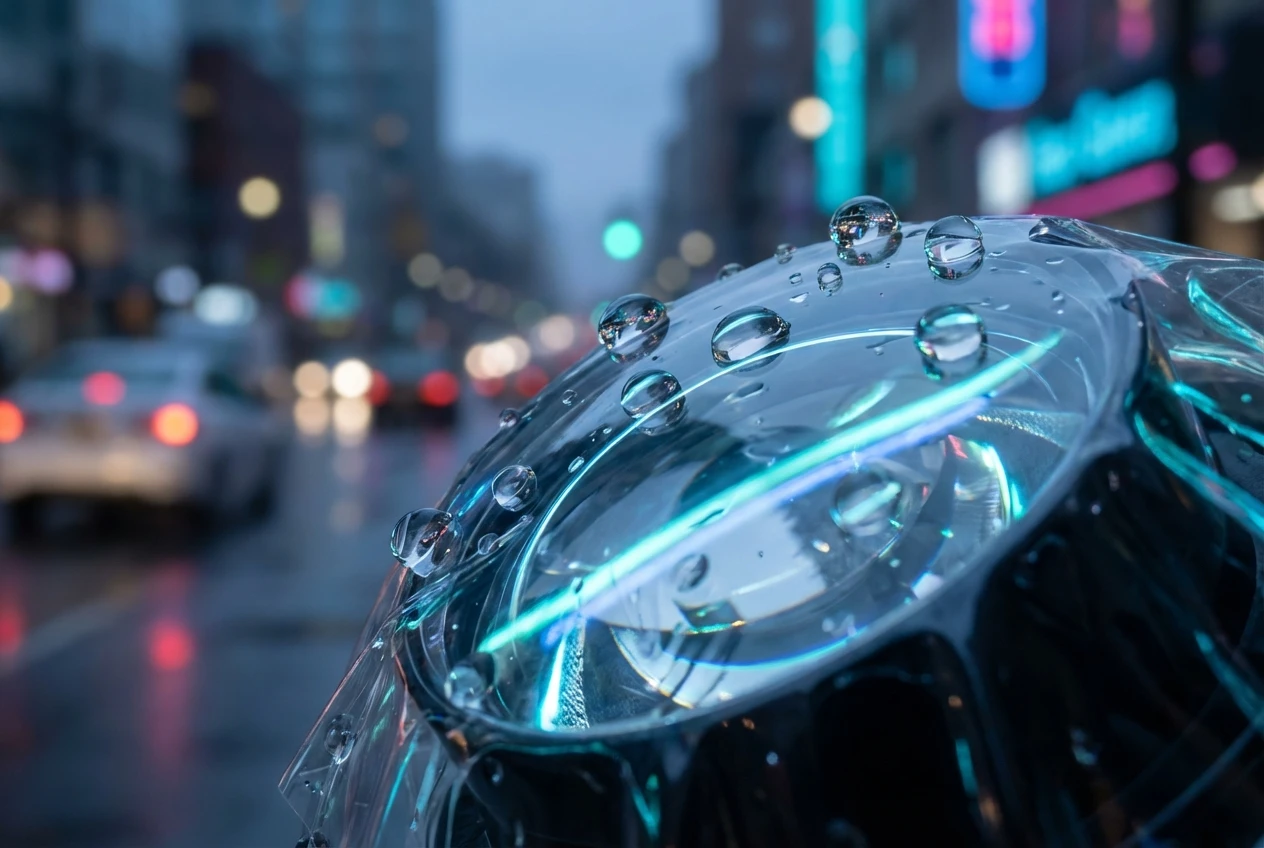
Если вы инженер, работающий над технологиями автономных автомобилей, вам знакома эта боль. Вы создали стек восприятия, который стоит больше, чем Ferrari, но одна грязная лужа разбивает его. Именно здесь Пленка PTFE для датчиков тихо революционизирует отрасль.
Мы говорим не о стандартных защитных экранах. Когда мы обсуждаем Пленка PTFE для датчиковМы говорим о критически важном инфраструктурном уровне, который находится между вашим дорогостоящим оборудованием Lidar/Radar и хаотичным, грязным миром снаружи.
В Тефлон XМы потратили годы на совершенствование химии фторполимеров. Мы на собственном опыте убедились, что механические стеклоочистители выходят из строя. Они царапают поверхности. Они заедают. Они ужасно смотрятся на элегантном дизайне EV. Индустрия переходит на пассивную защиту, и высококачественные Пленка PTFE для датчиков это материал, возглавляющий это обвинение.
Почему? Потому что он сочетает в себе оптическую чистоту, радиочастотную прозрачность и самоочищающуюся поверхность, которая ощущается почти как волшебство. Давайте разберемся, почему этот материал выигрывает у стекла и поликарбоната по всем значимым показателям.
1. Физика потери сигнала: почему Пленка PTFE для датчиков Победы
Давайте на минуту перейдем к техническим вопросам. Я обещаю, что это будет доступно для чтения, но нам нужно поговорить о диэлектрической проницаемости (Dk).
Каждый раз, когда ваш радар 77 ГГц излучает волну, она должна пройти через защитный кожух (радар). Если этот кожух сделан из обычного пластика или стекла, часть сигнала отражается от него. Это называется коэффициентом отражения.
Высокий уровень отражения означает, что ваш датчик "ослеплен" своим собственным покрытием. Это снижает дальность и точность обнаружения объектов.
Стандартный поликарбонат имеет Dk примерно от 2,9 до 3,0.
Пленка PTFE для датчиковВ частности, марка, которую мы разрабатываем для Teflon X, имеет Dk примерно 2.0 - 2.1.
Эта разница кажется небольшой, но в мире радаров, работающих на миллиметровых волнах, она огромна.
Формула передачи сигнала
Поскольку мы не можем использовать здесь модные кодовые блоки, давайте рассмотрим математику открытым текстом. Коэффициент отражения (назовем его гамма) зависит от проницаемости (Er) материала.
Гамма = (sqrt(Er) - 1) / (sqrt(Er) + 1)
Давайте проверим цифры:
- Для поликарбоната (Er = 3,0):
Гамма = (1,732 - 1) / (1,732 + 1)
Гамма = 0,732 / 2,732
Отражение = 0,268 (или около 26,8%) - Для пленки Teflon X PTFE (Er = 2,1):
Гамма = (1,449 - 1) / (1,449 + 1)
Гамма = 0,449 / 2,449
Отражение = 0,183 (или около 18,3%)
Это значительное сокращение потерь сигнала. Переключившись на Пленка PTFE для датчиковЗаменив материал покрытия, вы эффективно повышаете эффективность передачи сигнала радара почти на 10%. Это может быть разницей между обнаружением пешехода на расстоянии 150 метров и 130 метров. В автономном вождении эти 20 метров спасают жизни.

Тефлоновая пленка с низким коэффициентом трения для аэрокосмических и автомобильных компонентов
Скошенная тефлоновая пленка отлично подходит для применения в аэрокосмической и автомобильной промышленности благодаря своей легкой конструкции и термостойкости до 260°C[5]. Поверхность с низким коэффициентом трения снижает износ топливных систем и компонентов двигателя, а диэлектрические свойства повышают производительность в условиях высокого напряжения.
Приложения: Изоляционные пленки для конденсаторов, печатных плат и конвейерных лент.
2. Пленка PTFE для датчиков и "Чудо самоочищения
Я ненавижу термин "самоочистка", потому что он подразумевает, что у пленки есть маленькая рука-робот. Это не так. Он просто полагается на физику - в частности, на гистерезис контактного угла.
Недавно к нам обратился клиент - стартап по созданию ботов-доставщиков, которые боролись с утренней росой. Их камеры запотевали, а капли воды не скатывались, пока бот не набирал скорость 10 миль в час. Но бот только диски со скоростью 5 миль в час по тротуарам. Они застряли.
Они применили наши Пленка PTFE для датчиков над объективом.
Вот почему это сработало:
- Гидрофобность: Вода ненавидит тефлон. Угол контакта с водой (WCA) составляет около 110-115 градусов. Вода собирается в почти идеальные сферы.
- Угол раздвижения: Это и есть секретный соус. Капля воды на стекле может прилипнуть, пока вы не наклоните стакан на 30 градусов. На сайте Пленка PTFE для датчиковУгол скольжения часто не превышает 5-10 градусов.
Гравитация выполняет очистку за вас. Даже легкой вибрации или легкого ветерка достаточно, чтобы сбить воду. Боту-доставщику не нужны были дворники, ему просто требовалась поверхность, на которой не задерживалась бы вода.
Сравнительная таблица: Материалы с первого взгляда
Посмотрите на это сравнение. Становится ясно, почему Пленка PTFE для датчиков это лучший выбор для Автономные транспортные средства.
| Особенность | Стандартное стекло | Поликарбонатная крышка | Тефлоновая пленка X PTFE |
|---|---|---|---|
| Диэлектрическая постоянная (Dk) | 6.0 - 7.0 (Ужасно для радара) | 2.9 – 3.0 | 2,0 - 2,1 (отлично) |
| Потеря сигнала | Высокий | Умеренный | Очень низкий |
| Угол контакта с водой | ~40° (гидрофильный) | ~80° | ~115° (супергидрофобный) |
| Потребности в уборке | Стеклоочистители + жидкость | Покрытия (которые стираются) | Воздушная струя / гравитация |
| Стоимость замены | $$$ (весь объектив) | $$ (литая деталь) | $ (жертвенная пленка) |
3. Экономика: Почему Пленка PTFE для датчиков Экономия бюджета
Давайте поговорим о деньгах.
Стоимость высококлассного лидара может составлять от $1 000 до $10 000. Передняя линза обычно изготавливается из прецизионного шлифованного стекла со специальным антибликовым покрытием.
Если на шоссе в это стекло попадет каменная крошка, устройство будет уничтожено. Вы не можете просто отполировать его, потому что изменится оптическая кривизна. Придется заменить устройство.
Теперь представьте, что вы нанесли слой Пленка PTFE для датчиков с сайта Тефлон X.
Камень ударяется. Он пробивает пленку.
Фикс: Техник отклеивает пленку $5 и наклеивает новую. Под ней находится нетронутый сенсор $5,000.
Мы видим, как операторы автопарков принимают Пленка PTFE для датчиков не только ради оптических преимуществ, но и в качестве страховки. Это жертвенный слой. Он принимает на себя все удары, чтобы ваше оборудование не пострадало.
Реальный случай: тест на грузоперевозки по шоссе
Мы работали с грузовой компанией (назовем ее Transport Z), тестирующей грузовики 4-го уровня. Они выполняют дальние перевозки по маршрутам, где много насекомых. Мертвые жуки невероятно кислотны. Если оставить их на поликарбонатной линзе на 48 часов, кислота начинает травить пластик, вызывая постоянное помутнение.
Компания Transport Z начала использовать наш Пленка PTFE для датчиков. Поскольку тефлон химически инертен (по сути, это тот же материал, что и на вашей сковородке, с химической точки зрения), кислота не могла с ним соединиться.
Результат?
- Время очистки сократилось благодаря 70%. Простое опрыскивание водой сразу же смыло жуков.
- Замена линз снизилась до нуля.
- ROI: За 6 месяцев пилотной программы они сэкономили около $15 000 на замене оборудования.
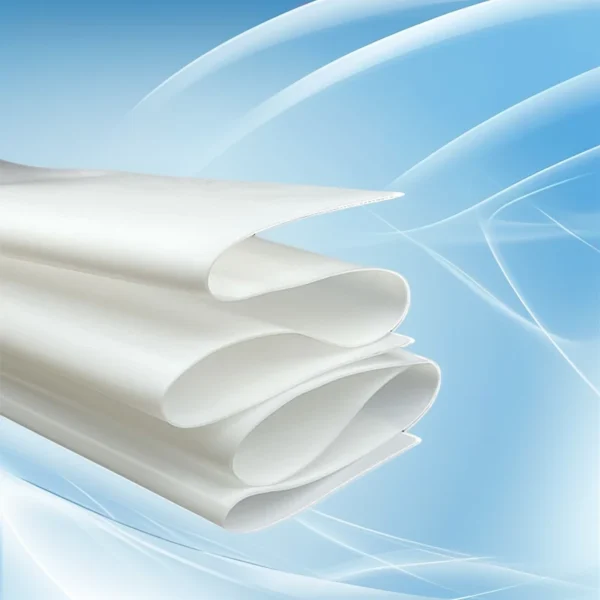
Медицинская строганная пленка ПТФЭ для стерильной фильтрации и покрытия имплантатов
Медицинская пленка Skived PTFE сочетает в себе биосовместимость и микропористую фильтрацию (размер пор 0,02–15 мкм), что соответствует строгим фармацевтическим стандартам. Нетоксичный материал используется в системах доставки лекарств и покрытиях имплантатов, обеспечивая химическую инертность и термическую стабильность при стерилизации.
Основные характеристики: устойчив к УФ-излучению, соответствует требованиям FDA и адаптируется к быстрым температурным циклам.
4. Установка и долговечность Пленка PTFE для датчиков
Один из самых распространенных вопросов, которые я получаю в Эллисон.Йе@teflonx.com это: "Кошмарно ли подавать заявление?".
Слушай, я не буду тебе врать. Это не то же самое, что наклеить наклейку на блокнот. Нужно быть осторожным, чтобы избежать воздушных пузырьков, потому что воздушный пузырек может преломить луч лидара.
Однако современные Пленка PTFE для датчиков В комплект входят усовершенствованные силиконовые или акриловые клеи, которые не требуют смачивания. Это означает, что со временем они растекаются и заполняют микроскопические зазоры.
Процесс подачи заявки:
- Чистый: Абсолютная хирургическая чистота датчика.
- Влажное нанесение: Мы часто рекомендуем слегка смазывать пленку жидкостью, чтобы ее можно было позиционировать.
- Сквиджи: Выдавите жидкость.
- Вылечить: Позвольте ему сблизиться.
Как только она включается, она остается включенной. Наш сайт Пленка PTFE для датчиков рассчитана на температуру от -40°C (привет, Норвегия) до +150°C (привет, Долина Смерти). Он не желтеет под воздействием ультрафиолета, как это делают дешевые пленки из ПВХ или ТПУ.
Замечание по настройке
Мы знаем, что каждый датчик отличается от другого. Некоторые из них плоские, другие - купольные. На сайте Тефлон XМы предлагаем высечку на заказ. Мы можем предоставить Пленка PTFE для датчиков Вырезаны с точностью до миллиметра вашего устройства, с накладками для легкого нанесения.
Не стоит покупать сырой рулон и пытаться разрезать его ножницами в лаборатории. Здесь важна точность.
5. Будущее: Пленка PTFE для датчиков и твердотельная очистка
Промышленность движется в сторону твердотельных устройств. Твердотельные лидары (без вращающихся деталей). Твердотельные батареи. А теперь еще и твердотельная очистка.
Концепция заключается в ультразвуковой очистке объектива (ULC). Крышка объектива вибрирует на ультразвуковых частотах, распыляя воду и пыль.
Вот в чем загвоздка: ULC работает много Лучше, если поверхность уже гидрофобна. Если поверхностная энергия высока (как у обычного стекла), вода прилипает слишком плотно, чтобы вибрации могли ее стряхнуть.
Ламинирование Пленка PTFE для датчиков Присоединение к системе ULC позволяет создать идеальную систему самоочистки. Благодаря низкой поверхностной энергии тефлона вода едва удерживается на поверхности, поэтому ультразвуковые колебания мгновенно отправляют ее в полет с меньшими затратами энергии.
В настоящее время мы разрабатываем прототип этой комбинации с несколькими поставщиками первого уровня. Если вы разрабатываете лидарная очистка Техник, вам нужно протестировать этот фильм.
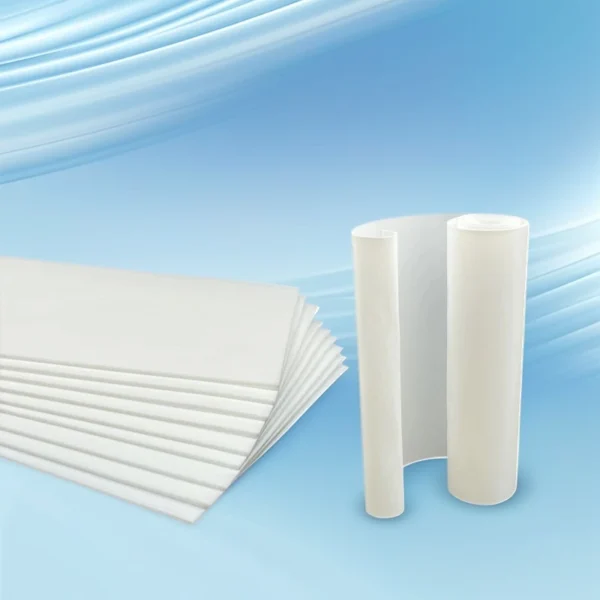
Высокотемпературная строганная пленка из ПТФЭ для промышленных уплотнений и прокладок
PTFE Skived Film обеспечивает исключительную химическую стабильность и термостойкость (от -200°C до +260°C), идеально подходит для промышленных уплотнений в насосах, клапанах и оборудовании для химической обработки[4]. Его низкий коэффициент трения (0,04) обеспечивает долговечность в динамических приложениях, а микропористая структура (пористость 85%) обеспечивает устойчивость к жидкостям и частицам.
Приложения: Коррозионностойкие прокладки, покрытия для авиакосмических двигателей и фильтрующие мембраны медицинского назначения.
Почему именно Teflon X?
Мы не являемся универсальным поставщиком пластмасс. Мы специализируемся на высокоэффективных фторполимерах. Когда вы покупаете Пленка PTFE для датчиков вы получаете от нас:
- Проверенные данные: Мы не угадываем значения Dk, а проверяем их.
- Последовательность: Каждый рулон проверяется на наличие оптических дефектов.
- Поддерживать: На ваши письма отвечают настоящие инженеры, а не чат-бот.
Если вы устали от шума сигнала, частого обслуживания и поцарапанных линз, пришло время обновить материалы.
ЧАСТО ЗАДАВАЕМЫЕ ВОПРОСЫ: Общие вопросы о Пленка PTFE для датчиков
Вопрос 1: Можно ли Пленка PTFE для датчиков можно наносить на криволинейные поверхности?
Да, но у него есть ограничения. PTFE не так эластичен, как TPU (термопластичный полиуретан). Для экстремальных куполов мы используем специализированный "обезжиренный" ПТФЭ, который обладает чуть большей гибкостью, или рекомендуем использовать вакуумное ламинирование. Свяжитесь с нами для получения рекомендаций по конкретной кривизне.
Q2: Влияет ли клейкий слой на сигнал?
Отличный вопрос. Клей обычно является слабым звеном в других пленках. Наш сайт Пленка PTFE для датчиков Используется специально разработанный клей с низким уровнем потерь, который является оптически прозрачным и диэлектрически согласованным, чтобы минимизировать отражения от интерфейса.
Q3: Как долго держится пленка на открытом воздухе?
PTFE славится своей устойчивостью к ультрафиолетовому излучению. Он практически не подвержен разрушению под воздействием ультрафиолета. В реальных автомобильных условиях наши Пленка PTFE для датчиков обычно служит 3-5 лет до замены из-за физического износа (истирание песком), а не химического разрушения.
Вопрос 4: Могу ли я получить образец Пленка PTFE для датчиков чтобы проверить мой радар?
Безусловно. Мы поощряем это. Мы знаем, что вам необходимо самостоятельно подтвердить данные об ослаблении. Свяжитесь с нами через наш Контактная страница или напишите мне напрямую по адресу Эллисон.Йе@teflonx.com.
Готовы решить проблемы с защитой датчиков?
Будущее автономного вождения связано не только с улучшением кода, но и с улучшением интеграции оборудования. Не позволяйте грязному объективу заземлить ваш автопарк.
Переключитесь на Пленка PTFE для датчиков и увидите разницу в качестве данных и циклах обслуживания.
- Посмотреть товары: Обзор категории Пленки из ПТФЭ
- Получите техническую поддержку: Связаться с нами
Давайте обеспечим чистоту датчиков и движение ваших автомобилей.
