
 English
  Russian
  French
  German
  Japanese
  Korean
  Portuguese
  Arabic
  Italian
  Dutch
Dutch  Turkish
  Indonesian
  Polish
  Spanish
Polytetrafluoroethylene (PTFE), commonly known as Teflon, is a versatile fluoropolymer celebrated for its non-stick properties, chemical resistance, and durability. Understanding the PTFE lifecycle—from raw material extraction to PTFE recycling—is crucial for industries aiming to adopt a sustainable product lifecycle.
What is PTFE and Why Does Its Lifecycle Matter?
PTFE is a high-performance material used in industries like aerospace, medical, automotive, and electronics. Its unique properties—such as resistance to extreme temperatures and corrosion—make it indispensable. However, the environmental impact of PTFE production and disposal has raised concerns, pushing companies toward sustainable practices. A well-managed PTFE lifecycle ensures resource efficiency, reduces waste, and aligns with global sustainability goals, such as the United Nations’ Sustainable Development Goals (SDGs).
The lifecycle of PTFE products can be broken down into five key stages: raw material extraction, production, application, end-of-life management, and PTFE recycling. Each stage offers opportunities to enhance sustainability and operational efficiency.
Stage 1: Raw Material Extraction
The PTFE lifecycle begins with the extraction of fluorspar, a primary raw material. Fluorspar is mined and processed to produce hydrofluoric acid, which is then combined with chloroform to create tetrafluoroethylene (TFE), the building block of PTFE.
Environmental Considerations
Mining and chemical synthesis can have significant environmental footprints. According to the U.S. Geological Survey (2023), global fluorspar production reached approximately 7.6 million metric tons in 2022. Responsible sourcing and adherence to environmental regulations, such as the EU’s REACH framework, are critical to minimizing ecological damage.
Best Practices
- Sustainable Sourcing: Partner with suppliers certified by organizations like the Responsible Minerals Initiative.
- Energy Efficiency: Use renewable energy in fluorspar processing to reduce carbon emissions.
Stage 2: PTFE Production
Once TFE is synthesized, it undergoes polymerization to form PTFE resin. This resin is then molded, extruded, or coated to create products like gaskets, seals, and non-stick coatings.
Manufacturing Innovations
Modern PTFE production emphasizes energy-efficient processes. For instance, a 2022 study by the International Journal of Advanced Manufacturing Technology reported that advanced polymerization techniques reduced energy consumption by up to 15% compared to traditional methods.
Quality Control
- ISO Standards: Adhere to ISO 9001 and ISO 14001 for quality and environmental management.
- Traceability: Implement batch tracking to ensure product consistency and compliance.
| Production Stage | Key Process | Sustainability Focus |
|---|---|---|
| TFE Synthesis | Chemical reaction | Use low-emission reactors |
| Polymerization | Resin formation | Optimize energy use |
| Molding/Extrusion | Product shaping | Minimize material waste |
Stage 3: Application of PTFE Products
PTFE’s versatility makes it a staple in diverse applications. In medical devices, PTFE coatings ensure biocompatibility, while in automotive industries, PTFE seals enhance fuel efficiency. According to a 2023 report by MarketsandMarkets, the global PTFE market is projected to reach \$3.2 billion by 2028, driven by demand in high-performance applications.
Industry-Specific Benefits
- Aerospace: Lightweight PTFE components reduce fuel consumption.
- Electronics: PTFE’s dielectric properties support high-frequency circuits.
- Food Processing: Non-stick PTFE coatings ensure hygiene and efficiency.
Stage 4: End-of-Life Management
At the end of their usable life, PTFE products face challenges due to their chemical stability, which makes natural degradation difficult. Historically, PTFE waste was landfilled or incinerated, but these methods release greenhouse gases and waste valuable resources.
Challenges in PTFE Disposal
- Non-Biodegradable Nature: PTFE’s durability complicates traditional waste management.
- Regulatory Pressures: Stringent regulations, like the EU’s Waste Framework Directive, demand sustainable disposal methods.
Stage 5: PTFE Recycling and Circular Economy
PTFE recycling is a game-changer in achieving a sustainable product lifecycle. Recycling PTFE involves collecting used products, cleaning them, and reprocessing them into usable resin or new products. According to a 2023 study by the American Chemical Society, recycled PTFE retains up to 95% of its original mechanical properties, making it a viable alternative to virgin PTFE.
Recycling Processes
- Collection: Gather PTFE waste from industrial and commercial sources.
- Cleaning: Remove contaminants using eco-friendly solvents.
- Reprocessing: Grind PTFE into powder or melt it for extrusion into new products.
- Quality Testing: Ensure recycled PTFE meets industry standards, such as ASTM D4894.
Benefits of PTFE Recycling
- Resource Conservation: Reduces demand for virgin fluorspar.
- Cost Savings: Recycled PTFE can be 20-30% cheaper than virgin material (Plastics Today, 2023).
- Environmental Impact: Lowers carbon footprint by up to 40% compared to new production.
| Recycling Stage | Process | Benefit |
|---|---|---|
| Collection | Waste aggregation | Reduces landfill use |
| Cleaning | Contaminant removal | Ensures product purity |
| Reprocessing | Material reformation | Enables circular economy |
Industry Leaders in PTFE Recycling
Companies like 3M and Chemours have pioneered PTFE recycling programs. For example, Chemours’ 2022 sustainability report highlighted a 25% increase in recycled PTFE usage in their product lines, aligning with circular economy principles.
Aligning with a Sustainable Product Lifecycle
A sustainable product lifecycle integrates environmental, economic, and social considerations. For PTFE, this means:
- Design for Recycling: Create products with end-of-life recovery in mind.
- Supply Chain Transparency: Use blockchain or digital tracking for material traceability.
- Stakeholder Collaboration: Partner with recyclers, manufacturers, and regulators to close the loop.
The Ellen MacArthur Foundation (2023) estimates that circular economy practices could reduce global material waste by 32% by 2030. Adopting these principles positions businesses as leaders in sustainability while meeting consumer demand for eco-friendly products.
How Businesses Can Implement a Sustainable PTFE Lifecycle
- Conduct Lifecycle Assessments (LCA): Use tools like ISO 14040 to evaluate environmental impacts.
- Invest in Recycling Infrastructure: Partner with specialized recyclers to streamline PTFE recycling.
- Educate Stakeholders: Train employees and customers on the benefits of a sustainable product lifecycle.
- Leverage Certifications: Obtain eco-labels like Cradle to Cradle to enhance market credibility.
FAQ: Common Questions About the PTFE Lifecycle
What is the PTFE lifecycle?
The PTFE lifecycle encompasses raw material extraction, production, application, end-of-life management, and recycling. It aims to minimize environmental impact while maximizing resource efficiency.
How is PTFE recycled?
PTFE recycling involves collecting used PTFE products, cleaning them, and reprocessing them into new resin or products. The process retains most of PTFE’s original properties, supporting a circular economy.
Why is a sustainable product lifecycle important for PTFE?
A sustainable product lifecycle reduces waste, lowers carbon emissions, and aligns with global regulations and consumer expectations for eco-friendly practices.
Conclusion: Driving Sustainability Through the PTFE Lifecycle
The PTFE lifecycle offers a roadmap for businesses to balance performance with environmental responsibility. From responsible raw material sourcing to innovative PTFE recycling, each stage presents opportunities to enhance sustainability and efficiency. By embracing a sustainable product lifecycle, companies can reduce costs, meet regulatory requirements, and appeal to eco-conscious consumers.
Ready to integrate sustainable PTFE solutions into your operations? Contact us today to explore eco-friendly PTFE products and recycling programs tailored to your needs. Let’s build a greener future together!
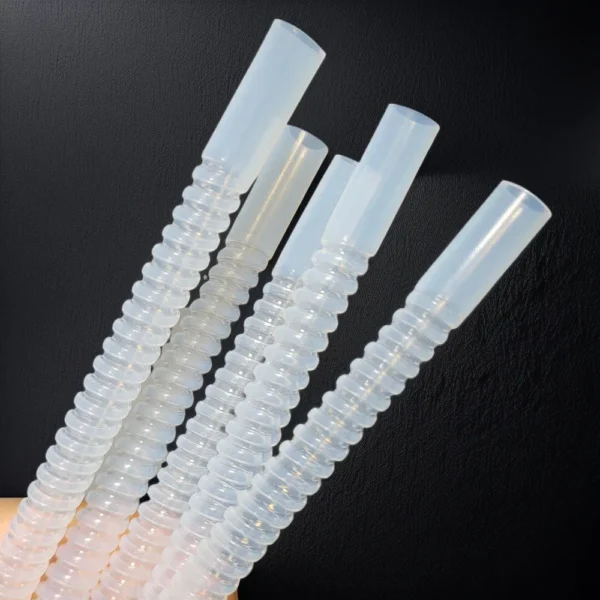
PTFE Fuel Line for Chemical Processing Plants
PTFE fuel line, crafted as a PTFE corrugated fuel hose, excels in transferring corrosive fluids in chemical plants. Its chemical inertness resists acids and solvents. The corrugated fuel tube’s durable design handles high pressures and thermal cycling, ensuring reliable, low-friction fluid transfer.
