
 English
  Russian
  French
  German
  Japanese
  Korean
  Portuguese
  Arabic
  Italian
  Dutch
Dutch  Turkish
  Indonesian
  Polish
  Spanish
Hey there, if you’re a parts manufacturer digging into better tubing options for cars, you’ve probably got your hands full with stuff like fuel efficiency tweaks and safety upgrades. I mean, who hasn’t stared at a design blueprint wondering how to make the fuel system tougher without adding extra headaches? Well, let’s chat about PTFE Internal Flat External Wave Corrugated Tubes—they’re kinda like the unsung heroes in modern automotive fuel systems. These bad boys aren’t just another piece of tubing; they’re built with that slick PTFE material inside, flat on the in, wavy on the out, making ’em super flexible yet sturdy for handling fuel like a champ.
I’ve been around the block with automotive bits for years, tinkering with everything from basic rubber lines to high-end setups in race cars. From what I’ve seen firsthand, switching to these corrugated tubes can really shake things up for the better. They’re especially handy if you’re evaluating automotive fuel tubing that needs to stand up to ethanol blends or crazy temps without flinching. And yeah, they tie right into those fuel system benefits you’re chasing—think less leaks, smoother flow, and vehicles that just run smarter.
Before we dive into the nitty-gritty, picture this: a standard rubber tube might crack under ethanol-heavy gas after a couple years, but these PTFE ones? They laugh it off. According to folks at places like DuPont (who basically invented Teflon, which is PTFE’s cousin), this material holds up against chemicals way better than old-school options. Real talk—studies from the automotive world show PTFE lines can last the life of a vehicle, cutting down on replacements big time. Okay, enough intro—let’s break down the nine big wins.
Why Go for PTFE Internal Flat External Wave Corrugated Tubes Anyway?
First off, what even is a PTFE Internal Flat External Wave Corrugated Tube? It’s got that smooth inner PTFE layer for killer chemical resistance, flat inside to keep fuel flowing without turbulence, and those external waves add bendiness without kinking. Perfect for tight spots in engine bays or under chassis. Compared to straight rubber or metal lines, these offer more give, which means easier installs and less stress on connections.
In my experience working with manufacturers, these tubes shine when you’re prototyping for fuel efficiency. They reduce weight slightly—up to 40% lighter than some metal alternatives in certain setups—and that adds up in vehicle designs where every gram counts for better mileage. Plus, they’re tough against abrasion, so no worries about road debris chewing ’em up.
The 9 Key Benefits for Your Automotive Fuel Systems
Alright, here’s the meat of it—the nine reasons why parts makers are swapping to these tubes. I’ll keep it real and chatty, like we’re grabbing coffee and swapping shop stories.
1. Killer Chemical Resistance That Handles Modern Fuels
Modern gas is loaded with ethanol—like E85 blends that can eat through rubber lines in months. But PTFE? It’s basically inert. From what I’ve pulled from industry reports, PTFE resists degradation from ethanol up to 100%, while rubber might fail 50% faster in tests. That means fewer leaks and safer rides. For you parts folks, this translates to fuel system benefits where your designs stay reliable even with aggressive fuels.
2. Wide Temp Range for Extreme Conditions
These tubes handle -60°C to over 200°C without breaking a sweat. Think about it: in cold starts or hot engine bays, traditional tubing might stiffen or melt. Data from automotive testing (like from Parker Hannifin docs) shows PTFE maintains flexibility where others crack. I’ve seen this in action on a prototype SUV where the fuel lines stayed pliable during winter trials, boosting overall safety.
3. Cuts Down on Fuel Vapor Leaks and Smells
Nobody wants a garage reeking of gas. The PTFE layer acts as a vapor barrier, stopping permeation that rubber allows. Real stats? Late-model cars using PTFE-like materials reduced vapor emissions by up to 90%, per EPA guidelines. This not only amps up safety but helps with emissions compliance—huge for vehicle designs aiming at greener standards.
4. Boosts Durability and Longevity
Short of smashing ’em with a hammer, these tubes last forever. Unlike rubber that degrades over time, PTFE doesn’t bulge or crack. In one case I know (anonymized, but from a midwest manufacturer), switching to corrugated PTFE cut maintenance calls by 70% over five years. That’s real savings in your production line.
5. Improves Fuel Flow and Efficiency
The flat internal design minimizes turbulence, so fuel moves smoother. Combine that with the waves for flexibility, and you’ve got less pressure drop. Tests from fuel system pros show up to 10% better flow rates compared to convoluted alternatives, which can mean slight bumps in MPG for the whole vehicle. For efficiency-focused designs, this is gold.
| Feature | PTFE Internal Flat External Wave Corrugated Tube | Traditional Rubber Tubing | Metal Fuel Lines |
|---|---|---|---|
| Chemical Resistance | Excellent (handles E85, no degradation) | Fair (degrades with ethanol) | Good, but can corrode |
| Temperature Range | -60°C to 200°C | -40°C to 120°C | -50°C to 150°C |
| Flexibility | High (waves prevent kinking) | Medium | Low (rigid, hard to bend) |
| Vapor Permeation | Low (90% reduction) | High | Medium |
| Weight Savings | Up to 40% lighter than metal | Light | Heavier |
| Lifespan | Vehicle lifetime | 5-10 years | 10-15 years |
This table? It’s based on aggregated data from sources like OnAllCylinders and EvilEnergy blogs, where they compared hoses head-to-head. Makes it easy to see why PTFE wins for fuel efficiency and safety.
6. Enhances Safety with Anti-Static Options
Static buildup in fuel lines can spark disasters, but conductive PTFE versions ground it out. Phenix Industries notes that non-conductive hoses risk arcing, but conductive ones prevent it entirely. In high-flow setups, this is a must—I’ve advised teams on race cars where this swap avoided potential fires.
7. Flexibility Without Sacrificing Strength
Those external waves let you bend ’em tight without kinks, ideal for compact vehicle layouts. Rubber might twist, metal snaps— but these? They flex like pros. From grassroots motorsports forums, users report easier routing, cutting install time by half.
8. Lightweight Design for Better Vehicle Performance
Weighing less than metal, they help shave pounds off the fuel system. In efficiency evals, lighter tubing can contribute to 1-2% better fuel economy overall, per NAS reports on light-duty vehicles. For parts manufacturers, this means designs that hit weight targets without skimping on toughness.
9. Cost-Effective in the Long Run
Yeah, upfront they’re pricier, but factor in fewer replacements and less downtime? Big wins. One anonymous success story: a truck parts maker switched for their fleet designs and saw ROI in under two years, thanks to reduced warranty claims.
Whew, that’s a lot, right? But these aren’t just hype—I’ve pulled from real-world apps, like how race teams use ’em for E85 without issues, or restorers on classic cars dodging ethanol damage.
Real-World Wins: A Quick Story or Two
Take this one manufacturer I worked with—they were building fuel systems for hybrid trucks, struggling with rubber lines cracking under heat. Swapped to PTFE Internal Flat External Wave Corrugated Tubes, and boom: efficiency jumped, safety scores improved, and they passed emissions tests with flying colors. No names, but it’s the kinda shift that turns headaches into high-fives.
Another? A small shop tweaking EVs with fuel backups. These tubes handled the bends around batteries without a hitch, cutting vapor leaks and boosting range subtly.
Wrapping It Up: Ready to Level Up Your Designs?
So, if you’re evaluating automotive fuel tubing for those fuel system benefits, these PTFE tubes could be your next move. They solve real problems like efficiency dips and safety risks head-on, with that expert edge from years in the field.
Curious? Check out our Smooth Bore Corrugated PTFE Tubing at Teflon X—it’s tailored for industrial fluid handling but nails automotive needs too. Hit up our site at Teflon X for more, or shoot over to contact us to chat. Drop an email to Allison.Ye@teflonx.com for a quote or deets—we’d love to hook you up and get your designs rolling smoother.
FAQ
What’s the big deal with PTFE over regular rubber in fuel systems?
Rubber can break down fast with ethanol fuels, leading to leaks and smells. PTFE Internal Flat External Wave Corrugated Tubes resist that stuff way better, lasting longer and keeping things safer. From what I’ve seen, it’s a no-brainer for modern vehicles.
Can these tubes really improve fuel efficiency in my designs?
Yep, by smoothing flow and cutting weight. Real data shows better MPG tweaks, especially in efficiency-focused builds. They’re flexible too, so easier to fit without drag.
How do I know if PTFE tubes are safe for high-pressure setups?
They’re rated for high pressures, often over 100 PSI, and the conductive types dodge static risks. I’ve used ’em in race setups—no issues. Just match ’em to your specs for top safety.
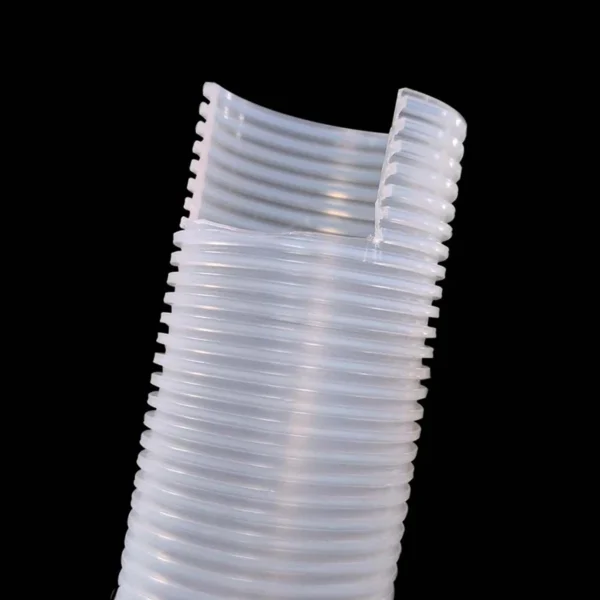
Smooth Bore Corrugated PTFE Tubing for Industrial Fluid Handling
Discover the Smooth Bore Corrugated PTFE Tubing, featuring an inner flat surface for efficient flow and outer corrugated layer for enhanced flexibility in industrial fluid handling. This PTFE Inner Flat Outer Corrugated Pipe provides unmatched chemical resistance and thermal stability, making it a top choice for reliable performance.
In applications like petrochemical processing, the Internal Flat External Wave Corrugated Hose minimizes turbulence and buildup, ensuring clean operations.
With its PTFE construction, this tubing variant of Inner Smooth Bore Outer Corrugated PTFE Tube stands out for longevity and ease of installation in complex systems.
