
 Indonesian
  English
  Russian
  French
  German
  Japanese
  Korean
  Portuguese
  Arabic
  Italian
  Dutch
Dutch  Turkish
  Polish
  Spanish
Jika Anda adalah seorang manajer produksi yang menangani cairan yang mudah terbakar setiap hari, Anda tahu betapa cepatnya segala sesuatunya bisa menjadi buruk. Satu percikan kecil dari penumpukan statis, dan tiba-tiba Anda menghadapi kebakaran atau bahkan lebih buruk. Saya telah melihat hal itu terjadi lebih sering daripada yang saya inginkan di pabrik-pabrik seperti milik Anda – mentransfer pelarut, bahan bakar, atau bahan kimia melalui selang biasa yang tidak menangani statis dengan benar. Di situlah selang PTFE konduktif berperan. Ini bukan sekadar tambahan mewah; melainkan cara yang mudah untuk mengurangi bahaya pelepasan elektrostatik yang membuat Anda khawatir di malam hari.
Pikirkanlah: saat Anda memompa bahan yang mudah terbakar, gesekan di dalam selang akan menimbulkan muatan listrik. Jika tidak ada cara untuk menghilangkannya dengan aman, bum – percikan, penyulutan, kekacauan. Selang PTFE konduktif, seperti milik kami Selang Jalinan PTFE Anti-Statis di Teflon X, memiliki lapisan khusus yang membiarkan muatan tersebut mengalir keluar tanpa membahayakan, biasanya melalui pembumian ke anyaman dan fitting.
Memahami Bahaya Pelepasan Elektrostatik dalam Transfer Bahan Mudah Terbakar
Jadi, apa masalah besar dengan listrik statis pada awalnya? Ketika cairan mengalir melalui selang, terutama yang tidak konduktif, muatan akan terpisah dan terakumulasi. Dalam transfer bahan yang mudah terbakar, hal ini dapat menyebabkan percikan api yang cukup kuat untuk menyulut uap.
Statistik dunia nyata mendukung hal ini. Menurut laporan dari Dewan Keselamatan Kimia AS (CSB), percikan statis telah menyebabkan insiden besar, seperti ledakan tahun 2007 dan 2008 di fasilitas Barton Solvents selama transfer cairan yang mudah terbakar. Dalam satu kasus, pengikatan dan pembumian yang tidak memadai membiarkan listrik statis menumpuk, menyulut uap dan menyebabkan kebakaran besar. NFPA 77, Praktik yang Direkomendasikan tentang Listrik Statis, menyoroti betapa umum hal ini terjadi di industri yang menangani pelarut dan bahan bakar.
Pedoman OSHA di bawah 29 CFR 1910.106 juga menekankan pencegahan penyulutan dari listrik statis selama penanganan cairan yang mudah terbakar. Mereka telah mengutip kasus-kasus di mana pilihan selang yang buruk berkontribusi terhadap risiko.
Sumber Umum Penumpukan Statis
Berikut adalah tabel ringkas yang merinci dari mana listrik statis sering berasal dalam operasi transfer:
| Sumber | Bagaimana Itu Terjadi | Tingkat Risiko dalam Transfer Bahan Mudah Terbakar |
|---|---|---|
| Pemompaan aliran tinggi | Turbulensi dalam cairan | Tinggi |
| Pengisian percikan (Splash filling) | Udara bercampur dengan cairan | Sangat Tinggi |
| Selang non-konduktif | Muatan tidak dapat terurai | Tinggi |
| Filter atau jalur sempit | Peningkatan gesekan | Sedang hingga Tinggi |
| Aliran dua fase (cair/gas) | Gelembung dan agitasi | Tinggi |
Menggunakan selang tahan ledakan atau selang transfer bahan bakar yang dirancang untuk kontrol statis membalikkan keadaan ini.

Selang Jalinan PTFE Anti-Statis – Saluran Gas Fleksibel dengan Jalinan Baja Tahan Karat
Kita selang kepang PTFE antistatis sangat ideal untuk saluran gas fleksibel aplikasi. Diperkuat dengan baja tahan karat, ini saluran bahan bakar dikepang memastikan daya tahan dan keamanan. tabung anyaman konduktif menghilangkan listrik statis, cocok untuk lingkungan berbahaya. Ini adalah selang teflon anyaman baja tahan karat pilihan.
Mengapa Selang Biasa Memiliki Kekurangan – Dan Bagaimana PTFE Konduktif Menjadi Solusinya
Selang PTFE standar sangat baik untuk ketahanan kimia – selang ini menangani bahan agresif tanpa rusak. Namun, selang tersebut adalah isolator, sehingga listrik statis hanya menumpuk di sana. Itu tidak masalah untuk aplikasi yang tidak mudah terbakar, tetapi pada jalur transfer bahan bakar atau pelarut? Tidak begitu baik.
Versi konduktif menambahkan karbon hitam atau sejenisnya pada lapisan dalam, menjadikannya dissipatif. Muatan mengalir ke anyaman baja tahan karat dan keluar melalui pembumian yang tepat. Tidak ada lubang jarum akibat busur api, tidak ada percikan mendadak.
Saya pernah bekerja dengan pabrik di mana beralih ke selang ini secara signifikan mengurangi kejadian hampir celaka. Satu fasilitas kimia yang saya berikan konsultasi (tentu saja dirahasiakan) sedang mentransfer campuran toluena. Mereka mengalami beberapa kejadian berbahaya akibat percikan dari selang lama. Setelah beralih ke PTFE konduktif dan melakukan pembumian dengan benar, masalah tersebut hilang. Kru lebih aman, operasional lebih lancar.
Manfaat Utama Selang PTFE Konduktif
- Disipasi Statis: Menghilangkan muatan dengan aman, mengurangi bahaya pelepasan muatan elektrostatis.
- Kompatibilitas Kimia: Tahan terhadap hampir segalanya, mulai dari asam hingga pelarut.
- Kisaran Suhu: Menangani suhu ekstrem, sering kali -70°C hingga +260°C.
- Fleksibilitas dan Daya Tahan: Bagian luar berbahan anyaman baja tahan karat membuatnya dapat menekuk tanpa tertekuk dan lebih tahan lama.
- Kepatuhan: Memenuhi standar seperti ISO 8031 untuk konduktivitas di lokasi berbahaya.
Dibandingkan dengan selang karet atau plastik biasa, selang ini lebih kuat dan lebih aman untuk kebutuhan selang tahan ledakan.
Aplikasi di Dunia Nyata dan Kisah Sukses
Dalam industri pembuatan cat, pelarut yang mudah terbakar dipompa terus-menerus. Satu pabrik skala menengah mengalami masalah statis yang berulang pada pengaturan selang transfer bahan bakar mereka. Percikan api bermunculan, menakuti operator. Mereka meningkatkan ke lini PTFE anyaman anti-statis, menambahkan klip penyambung, dan mengikuti rekomendasi pembumian NFPA 77. Tidak ada insiden sejak saat itu, dan waktu aktif produksi meningkat karena berkurangnya waktu henti untuk pemeriksaan.
Skenario lain: pabrik farmasi yang menangani aseton atau etanol. Cairan dengan konduktivitas rendah ini cepat mengumpulkan muatan listrik. Selang konduktif mencegah penumpukan tersebut, menjaga agar tetap tahan ledakan.
Atau bayangkan depot bahan bakar – pemindahan diesel, bensin. Selang pemindah bahan bakar yang tepat dengan lapisan konduktif menghindari risiko yang terlihat dalam laporan CSB tersebut.
Di Teflon X, kami telah menyediakan selang ini untuk berbagai operasional, dan umpan balik yang kami terima selalu mengenai ketenangan pikiran. Produk PTFE Anti-Statis Berkepang (Braided) Selang kami dibuat khusus untuk hal ini, dengan kemampuan saluran gas yang fleksibel juga.
Praktik Terbaik untuk Pemindahan Bahan Mudah Terbakar yang Aman
Untuk mendapatkan hasil maksimal dari selang PTFE konduktif:
- Selalu lakukan grounding dan bonding – hubungkan ujung selang ke titik arde yang terverifikasi.
- Hindari pengisian percikan (splash filling); lakukan pengisian dari bawah jika memungkinkan.
- Jaga kecepatan aliran tetap wajar – aliran yang terlalu cepat akan meningkatkan muatan listrik.
- Periksa secara rutin untuk keausan; anyaman pelindung yang rusak akan kehilangan konduktivitas.
- Gunakan dalam kombinasi dengan kontrol lain, seperti inerting atau ventilasi.
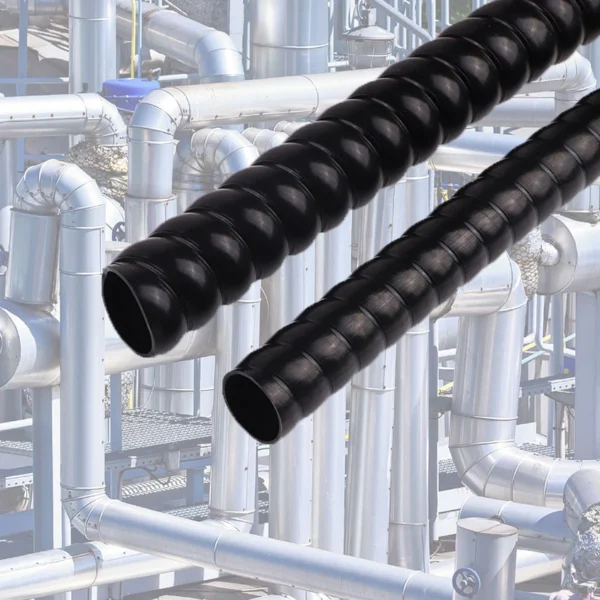
Selang Fleksibel Bergelombang – Pipa PTFE Teflon untuk Penggunaan Medis
Selang fleksibel bergelombang yang terbuat dari PTFE dari Teflon X sangat cocok untuk peralatan medis dan pemrosesan kimia tanpa gesekan. Selang PTFE ini menawarkan dinding bagian dalam yang halus untuk pembuangan cairan dan kebersihan yang optimal. Dibuat dengan kawat baja spiral, pipa bergelombang plastik hitam ini tahan terhadap tekukan dan mendukung ukuran khusus.
Tabel Perbandingan: Jenis Selang untuk Aplikasi Bahan Mudah Terbakar
| Jenis Selang | Kontrol Statis | Ketahanan Kimia | Terbaik Untuk | Kekurangan |
|---|---|---|---|---|
| Karet Standar | Miskin | Sedang | Cairan umum | Cepat aus, tidak untuk kondisi ekstrem |
| PTFE Polos | Tidak Ada | Bagus sekali | Korosif, tidak mudah terbakar | Risiko penumpukan statis |
| PTFE Konduktif Beranyam | Bagus sekali | Bagus sekali | Transfer bahan mudah terbakar, pelarut | Biaya sedikit lebih tinggi |
| Selang Logam | Baik (jika dilakukan grounding) | Bagus | Tekanan tinggi | Kurang fleksibel |
Jelas, untuk kebutuhan Anda sebagai manajer produksi, PTFE konduktif lebih unggul dalam hal keamanan.
Standar dan Mengapa Itu Penting
NFPA 77 merekomendasikan kontrol statis untuk penanganan bahan mudah terbakar, termasuk selang disipatif. OSHA mensyaratkan tindakan pencegahan terhadap sumber penyulutan seperti listrik statis. Di lokasi berbahaya, arahan ATEX atau serupa sering kali mewajibkan penggunaan bahan konduktif.
Memilih selang yang memenuhi standar ini bukan sekadar formalitas – ini adalah tentang melindungi tim dan fasilitas Anda.
FAQ Tentang Selang PTFE Konduktif dalam Keselamatan Industri
Apa yang membuat sebuah selang menjadi “tahan ledakan” untuk transfer bahan mudah terbakar?
Selang ini tidak sepenuhnya tahan ledakan dengan sendirinya, tetapi lapisan konduktif mencegah percikan api statis – sumber penyulutan yang umum. Padukan dengan grounding untuk hasil terbaik.
Bagaimana cara mengetahui apakah selang penyalur bahan bakar saya harus bersifat konduktif?
Jika menangani bahan mudah terbakar dengan konduktivitas rendah seperti pelarut atau bahan bakar, ya. Periksa laju alir dan apakah uap dapat membentuk campuran yang mudah meledak.
Apakah penumpukan listrik statis benar-benar dapat menyebabkan ledakan di pabrik?
Tentu saja – investigasi CSB menunjukkan hal itu terjadi selama pemindahan sederhana tanpa kontrol yang tepat. Selang disipatif membantu menghindari hal tersebut.
Apa perbedaan antara selang anti-statis dan selang konduktif?
Anti-statis mengurangi penumpukan muatan; sifat konduktif sepenuhnya (seperti PTFE berlapis karbon) mendisipasikannya paling cepat, sangat ideal untuk area berbahaya.
Seberapa sering saya harus mengganti selang PTFE konduktif?
Bergantung pada penggunaan, namun lakukan pemeriksaan setiap bulan. Perhatikan adanya kerusakan pada anyaman atau kekakuan. Produk berkualitas dapat bertahan bertahun-tahun jika dirawat dengan baik.
Jika Anda berhadapan dengan risiko ini, ada baiknya mendiskusikan pengaturan Anda. Di Teflon X, kami membantu orang-orang seperti Anda menemukan solusi yang tepat. Hubungi kami di Allison.Ye@teflonx.com atau kunjungi halaman halaman kontak untuk penawaran opsi PTFE konduktif. Lebih baik mencegah daripada mengobati, bukan? Mari jaga pabrik Anda tetap berjalan lancar dan bebas bahaya.
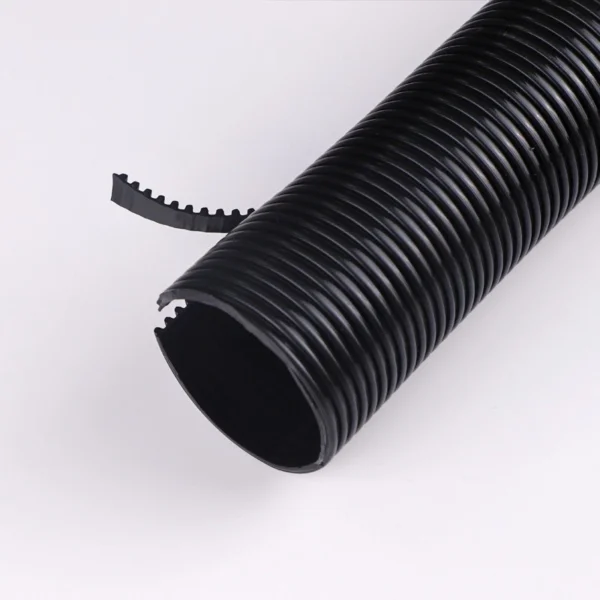
Tabung Bergelombang PTFE Fleksibel Bagian Dalam Datar Luar untuk Pengolahan Makanan
Tabung PTFE Bergelombang Bagian Dalam Datar Luar Fleksibel kami dirancang dengan lapisan dalam yang halus untuk memudahkan pembersihan dan lapisan luar bergelombang untuk fleksibilitas dalam lini pengolahan makanan. Tabung PTFE Bergelombang Bagian Dalam Halus Luar ini memastikan pemindahan makanan dan minuman yang sesuai dengan standar FDA dan tidak beracun.
Sempurna untuk mengangkut bahan kental, varian Tabung Bellows PTFE mencegah kontaminasi rasa dan tahan terhadap pencucian yang sering.
Gabungkan Pipa Bergelombang Internal Datar Eksternal ini ke dalam pengaturan Anda; struktur Pipa Bergelombang Internal Datar Luar PTFE menjamin kebersihan dan daya tahan.
