
 Indonesian
  English
  Russian
  French
  German
  Japanese
  Korean
  Portuguese
  Arabic
  Italian
  Dutch
Dutch  Turkish
  Polish
  Spanish
Luar biasa, CES 2026 benar-benar terasa berbeda tahun ini. Saya menyusuri lantai pameran di Las Vegas beberapa hari yang lalu, dan ke mana pun Anda memandang, terdapat robot-robot humanoid yang melakukan hal-hal yang mencengangkan. Ada yang melipat cucian – ya, memang lambat, tetapi tetap melipatnya dengan benar. Ada lagi yang menuangkan kopi tanpa tumpah sedikit pun, dan beberapa bot asal China dari perusahaan seperti Unitree dan AgiBot mencuri perhatian dengan gerakan yang sangat halus. LG memamerkan bot CLOiD mereka yang bergerak dengan roda, menyelesaikan tugas-tugas rumah tangga seolah-olah itu bukan masalah besar. Boston Dynamics dan Hyundai memamerkan Atlas yang melakukan pekerjaan industri yang terasa seperti berasal langsung dari fiksi ilmiah.
Keriuhan tersebut berfokus pada bagaimana bot-bot ini semakin dekat dengan penggunaan di dunia nyata – pabrik, rumah, bahkan rumah sakit. Namun, ada satu hal yang tidak banyak dibicarakan di lantai pameran: semua gerakan canggih itu disertai dengan masalah tersembunyi yang memusingkan. Pengkabelan di dalam benda-benda ini mengalami tekanan yang sangat berat.
Coba pikirkan – sendi-sendi robot humanoid berputar, menekuk, dan melentur ribuan kali sehari. Kabel biasa tidak akan sanggup mengimbanginya. Kabel tersebut akan retak, terkelupas, atau mengalami hubungan pendek terlalu dini. Di sinilah solusi pengkabelan PTFE benar-benar menunjukkan keunggulannya, terutama dengan tren robotika CES 2026 yang mendorong terciptanya robot yang lebih tangguh dan fleksibel.
Hal-Hal yang Menonjol di CES 2026 untuk Robot Humanoid
CES tahun ini terasa seperti tahun di mana robot humanoid akhirnya menjadi pusat perhatian. Lebih dari 38 perusahaan memamerkan teknologi humanoid, dan separuh dari mereka berasal dari China – Unitree, AgiBot, EngineAI, dan lainnya. Mereka mendominasi Paviliun Robot.
Demonstrasinya tidaklah sempurna – beberapa bergerak agak lamban – tetapi kemajuannya nyata. Satu bot membagikan kartu di permainan blackjack. Yang lain menyortir objek secara mandiri. LG memaparkan ide "Zero Labor Home" mereka dengan CLOiD yang menangani cucian dan piring kotor.
Para ahli mengatakan bahwa pasar robot humanoid sedang meledak. MarketsandMarkets memproyeksikan pertumbuhannya dari sekitar $2,92 miliar pada tahun 2025 menjadi $15,26 miliar pada tahun 2030, dengan CAGR yang luar biasa sebesar 39,2%. ABI Research memperkirakan angka tersebut akan mencapai $6,5 miliar pada akhir dekade ini. Apa pun itu, jelas bahwa bot-bot ini akan segera hadir, dan mereka membutuhkan pengkabelan yang dapat menangani aksi tanpa henti tersebut.
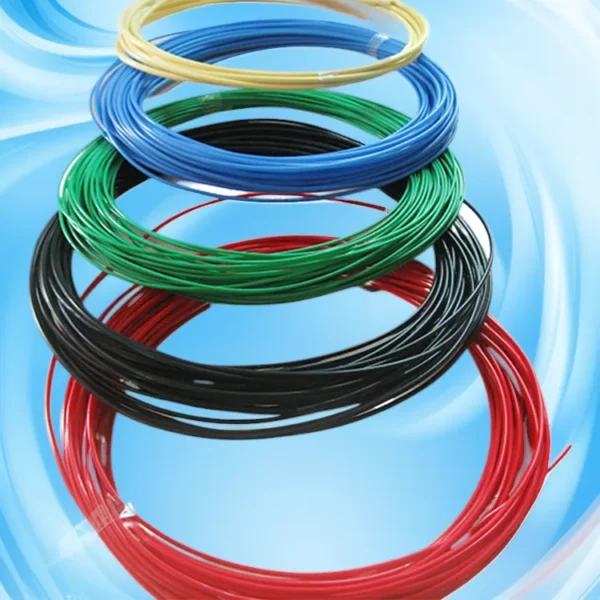
Tabung PTFE Gesekan Rendah | Solusi Pengangkutan Material Hemat Energi
Tabung PTFE dengan gesekan rendah mengurangi konsumsi energi sebesar 20% dalam sistem pengangkutan pneumatik dan pemindahan cairan. Permukaannya yang sangat halus (koefisien gesekan 0,04) mencegah penumpukan material, ideal untuk penanganan serbuk dan cairan kental. Dapat disesuaikan dengan lapisan antistatis.
Kesulitan Pengkabelan yang Sebenarnya pada Robot Modern
Jika Anda pernah menangani pengkabelan robotika – atau sekadar mengintip ke dalam lengan robot – Anda pasti tahu kesulitannya. Mesin-mesin ini bergerak ke segala arah: menekuk, berputar, meregang. Kabel bergesekan satu sama lain, bergesekan dengan sendi, dan dengan apa pun yang ada di dekatnya. Abrasi terjadi dengan cepat, dan dalam waktu singkat, insulasi akan aus.
Ditambah lagi dengan getaran dari motor, fluktuasi suhu dari aktuator yang memanas, dan terkadang bahan kimia atau minyak dalam pengaturan industri. Kabel PVC standar atau silikon dasar akan cepat rusak. Kabel-kabel tersebut menjadi kaku, retak, atau kehilangan sifat kelistrikannya setelah beberapa ribu siklus.
Pada bot humanoid seperti yang ada di CES, kondisinya lebih buruk. Lengan berayun seperti manusia, kaki melangkah dan menyeimbangkan diri, batang tubuh berputar. Satu laporan dari tim igus membahas tentang bagaimana gerakan tiga dimensi membuat abrasi menjadi tidak terduga. Kabel gagal berfungsi karena putaran berbentuk pembuka botol atau pelenturan terus-menerus di ruang sempit.
Kami telah melihat proyek-proyek di mana tim mengganti kabel setiap beberapa bulan – waktu henti (downtime) yang sangat besar, terutama pada prototipe. Itulah sebabnya kabel dengan fleksibilitas tinggi yang dirancang untuk jutaan siklus kini menjadi sebuah keharusan.
Mengapa Insulasi Kabel PTFE Mengubah Segalanya
Jadi, apa solusinya? Insulasi kabel PTFE – ya, itu adalah material Teflon. Ini bukan hal baru, tetapi sangat cocok untuk robotika generasi berikutnya.
Pertama-tama, PTFE mampu menangani suhu yang ekstrem. Material ini tetap padat mulai dari sekitar -100°F hingga +400°F, terkadang lebih tinggi tergantung pada tingkatannya. Sumber-sumber seperti iPolymer dan Chemours mengonfirmasi bahwa material ini menjaga sifat mekanisnya di seluruh rentang suhu tersebut – tidak meleleh, tidak getas.
Lalu ada faktor gesekan yang rendah. Material ini sangat licin, sehingga kabel dapat meluncur satu sama lain tanpa terkikis. Hal ini secara signifikan mengurangi abrasi pada sendi robot yang sempit.
Ketahanan terhadap bahan kimia adalah keunggulan lainnya. Minyak, pelarut, pembersih – PTFE tahan terhadap semuanya. Sangat cocok untuk bot pabrik atau bot rumahan yang berurusan dengan tumpahan.
Dari sisi elektrikal, ini adalah kualitas terbaik. Kekuatan dielektrik yang tinggi berarti insulasi dapat dibuat tipis tanpa risiko kegagalan fungsi, menjaga desain robot yang padat tetap ringkas.
Dan fleksibilitasnya? Orang mengira PTFE kaku, tetapi dalam konstruksi fleksibilitas tinggi yang tepat – seperti dengan konduktor serabut dan ekstrusi khusus – ia bisa melengkung dengan sangat luar biasa. Perusahaan seperti Gore dan Cicoil membuat kabel datar berfleksibilitas tinggi dengan ePTFE yang mampu bertahan jutaan siklus.
Di Teflon X, kami telah menggunakan PTFE dalam perkabelan robotika selama bertahun-tahun, dan performanya jauh lebih baik daripada alternatif lain untuk penggunaan dengan pergerakan tinggi.
Perbandingan Cepat Bahan Isolasi Umum untuk Robotika
Berikut adalah tabel sederhana yang menguraikan perbandingan PTFE terhadap PVC dan silikon untuk penggunaan robot:
| Bahan | Kisaran Suhu | Masa Pakai Fleksibel (Siklus) | Ketahanan Abrasi | Ketahanan Kimia | Biaya | Terbaik Untuk |
|---|---|---|---|---|---|---|
| Bahan PVC | -20°F hingga +220°F | Rendah (10rb-100rb) | Sedang | Adil | Rendah | Aplikasi statis dasar |
| Silikon | -60°F hingga +400°F | Menengah (100rb-1jt) | Bagus | Bagus | Sedang | Suhu tinggi, sedikit fleksibel |
| PTFE (Teflon) | -100°F hingga +500°F | Tinggi (1jt-10jt+) | Bagus sekali | Luar Biasa | Lebih tinggi | Robot berfleksibilitas tinggi, beban abrasi berat |
(Data diambil dari spesifikasi industri umum seperti pedoman NASA dan lembar data pabrikan – PTFE unggul dalam daya tahan untuk kebutuhan yang menuntut.)
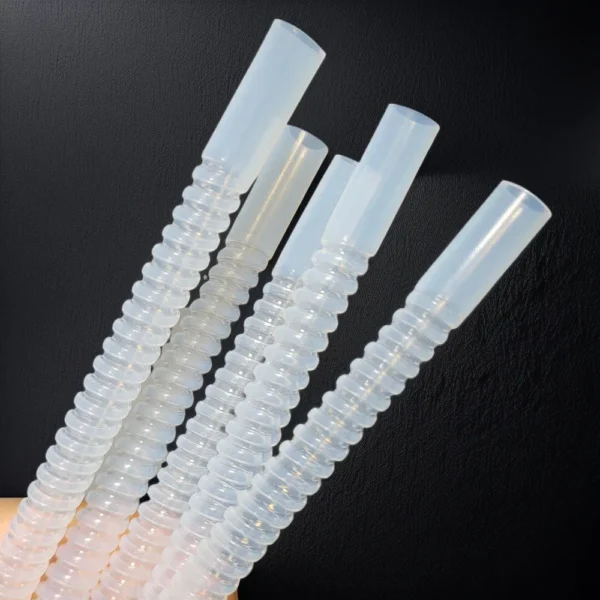
Saluran Bahan Bakar PTFE untuk Pabrik Pengolahan Kimia
Pipa bahan bakar PTFE, dibuat sebagai selang bahan bakar bergelombang PTFE, unggul dalam memindahkan cairan korosif di pabrik kimia. Kelembaman kimianya menahan asam dan pelarut. Desain pipa bahan bakar bergelombang yang tahan lama menangani tekanan tinggi dan siklus termal, memastikan pemindahan cairan yang andal dan rendah gesekan.
Kabel Fleksibilitas Tinggi: Dibuat untuk Pergerakan Robot
Kabel fleksibilitas tinggi membawa PTFE ke tingkat berikutnya. Kabel-kabel ini dirancang dengan serabut halus, pelindung khusus, dan terkadang pita seperti nilon pintal atau balutan rendah gesekan untuk meningkatkan luncuran dan masa pakai.
Dalam robotika, Anda dapat melihatnya dalam pengaturan torsi – kabel yang berputar 360 derajat tanpa tertekuk. igus dan BizLink membuat rantai dengan kabel-kabel ini, yang dirancang untuk akselerasi cepat dan tekukan tajam.
Pada demo CES, robot seperti G1 dari Unitree atau Atlas dari Boston Dynamics mengandalkan teknologi semacam ini di balik layar. Ayunan lengan yang mulus? Itu karena kabel berfleksibilitas tinggi tidak macet.
Kami telah memasok hal serupa di Teflon X – bundel fleksibilitas tinggi PTFE kustom yang pas untuk sendi sempit sambil mengalirkan daya dan sinyal dengan andal.
Beberapa Keberhasilan Nyata dengan PTFE dalam Robotika
Tidak dapat menyebutkan nama demi kerahasiaan, tetapi kami telah membantu beberapa proyek menarik.
Satu tim yang membangun robot humanoid bipedal untuk pekerjaan gudang mengalami kesulitan dengan kabel lengan yang rusak setelah 50.000 siklus. Silikon biasa retak karena gerakan menjangkau dan memutar yang terus-menerus. Kami menggantinya dengan kabel fleksibel tinggi berisolasi PTFE, dan kabel tersebut mencapai lebih dari 2 juta siklus dalam pengujian – peningkatan besar, mengurangi waktu henti pada prototipe.
Kasus lainnya: prototipe robot asisten rumah tangga (mirip dengan pelipat pakaian di CES). Panas dari motor di dekat bagian tubuh melelehkan isolasi yang lebih murah. PTFE menangani suhu tersebut tanpa masalah, dan gesekan yang rendah menghentikan keausan pada sendi bahu.
Kasus industri yang lebih besar – bayangkan lini pabrik dengan pembengkokan berulang – mengalami kegagalan akibat abrasi terhadap rangka logam. Solusi PTFE kami dengan lapisan geser tambahan memperbaikinya, dan robot tersebut beroperasi selama berbulan-bulan tanpa masalah.
Ini bukan hal yang langka – banyak tim robotika menemukan bahwa solusi pengkabelan PTFE dapat mencegah masalah di kemudian hari.
Cara Memilih Pengkabelan Robotika yang Tepat untuk Robot Anda
Memilih kabel bukanlah hal yang bisa disamaratakan untuk semua kebutuhan. Mulailah dengan gerakan: berapa banyak siklus fleksibilitas? Torsi atau sekadar pembengkokan?
Kemudian lingkungan: suhu, bahan kimia, EMI dari motor?
Untuk sebagian besar humanoid generasi berikutnya, gunakan PTFE jika Anda menginginkan daya tahan lama. Pasangkan dengan manajemen kabel yang tepat – seperti dress pack atau rantai energi untuk mengarahkannya.
Pertimbangkan juga ukurannya – PTFE yang lebih tipis berarti robot lebih ringan dan masa pakai baterai lebih baik.
Di Teflon X, kami membantu menentukan spesifikasi ini setiap saat. Kami memiliki opsi mulai dari kabel PTFE spesifikasi militer hingga rakitan fleksibel tinggi khusus.
Melihat ke Depan: Tren CES dan Evolusi Pengkabelan
CES 2026 menunjukkan bahwa robot humanoid akan terus ada, dan tahun 2027 mungkin akan lebih luar biasa lagi. Kecepatan dan ketangkasan yang lebih tinggi berarti tuntutan yang lebih berat pada pengkabelan.
Nantikan lebih banyak penggunaan ePTFE dan material hibrida untuk fleksibilitas ultra. Mungkin juga sensor terintegrasi dalam kabel untuk pemeliharaan prediktif.
Namun intinya: solusi pengkabelan PTFE yang solid akan tetap menjadi kunci bagi robot yang andal.
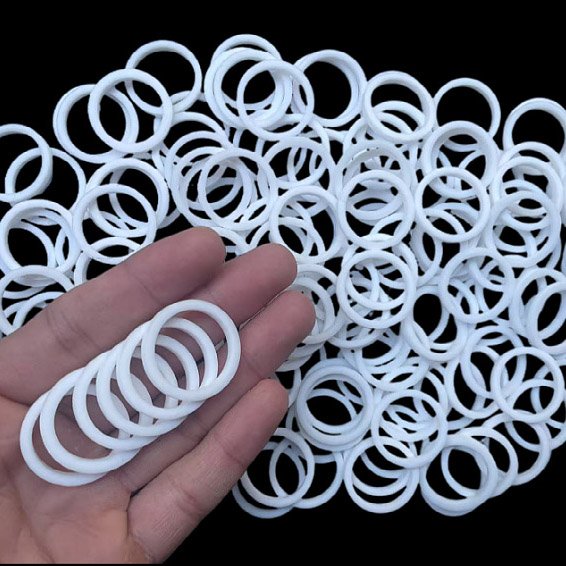
Cincin O Teflon Premium & Gasket PTFE | Penyegel Teflon Tahan Bahan Kimia
Cincin o teflon premium dan paking ptfe memberikan penyegelan teflon yang sangat baik untuk penggunaan kimia dan industri. Segel PTFE dan paking teflon dikenal karena sifatnya yang tidak reaktif, fleksibel, dan dapat diandalkan dalam jangka panjang. Cocok untuk pengolahan air, peralatan laboratorium, dan mesin pengolah cairan.
Pertanyaan yang Sering Diajukan Mengenai Pengkabelan PTFE untuk Robot
Mengapa memilih isolasi kabel PTFE daripada silikon untuk robot dengan pergerakan tinggi?
PTFE mengungguli silikon dalam hal abrasi dan gesekan. Silikon bersifat fleksibel dan tahan suhu, tetapi lebih cepat aus dalam skenario gesekan konstan. Permukaan licin PTFE bertahan jauh lebih lama – seringkali 5-10 kali lipat siklus pada sendi yang berputar.
Berapa banyak siklus lentur yang dapat ditangani oleh kabel PTFE fleksibilitas tinggi yang berkualitas baik?
Tergantung pada desainnya, tetapi kabel berkualitas tinggi dapat mencapai 5-10 juta siklus dengan mudah dalam aplikasi robot. Kami telah melihat uji lab melampaui 10 juta siklus dengan pemintalan dan pelindung kabel yang tepat.
Apakah pengabelan PTFE terlalu kaku untuk sendi humanoid yang sempit?
Tidak, tidak pada versi fleksibel tinggi modern. Dengan kawat halus dan ekstrusi dinding tipis, kabel ini sangat lentur. Radius tekukan lebih rapat dari yang Anda bayangkan – terkadang hingga 6 kali diameter.
Apakah PTFE membantu mengatasi EMI pada pengabelan robotik yang padat?
Benar sekali. Sifat dielektrik yang sangat baik dan pelindung opsional menjadikannya andal untuk menjaga integritas sinyal di sekitar motor dan aktuator.
Jika Anda sedang mengerjakan proyek humanoid dan menghadapi kendala pengabelan, hubungi kami di Teflon X. Kami memiliki pengalaman untuk menyediakan solusi pengabelan PTFE yang sesuai dengan kebutuhan Anda – tahan lama, fleksibel, dan siap untuk gerakan tingkat CES.
Kunjungi teflonx.com untuk spesifikasi lebih lanjut, atau kunjungi halaman kontak kami di https://teflonx.com/contact-us/. Anda dapat mengirim email Allison.Ye@teflonx.com secara langsung untuk permintaan penawaran atau sampel. Mari berdiskusi untuk membuat sistem pengabelan robot Anda sangat andal.
