
 Korean
  English
  Russian
  French
  German
  Japanese
  Portuguese
  Arabic
  Italian
  Dutch
Dutch  Turkish
  Indonesian
  Polish
  Spanish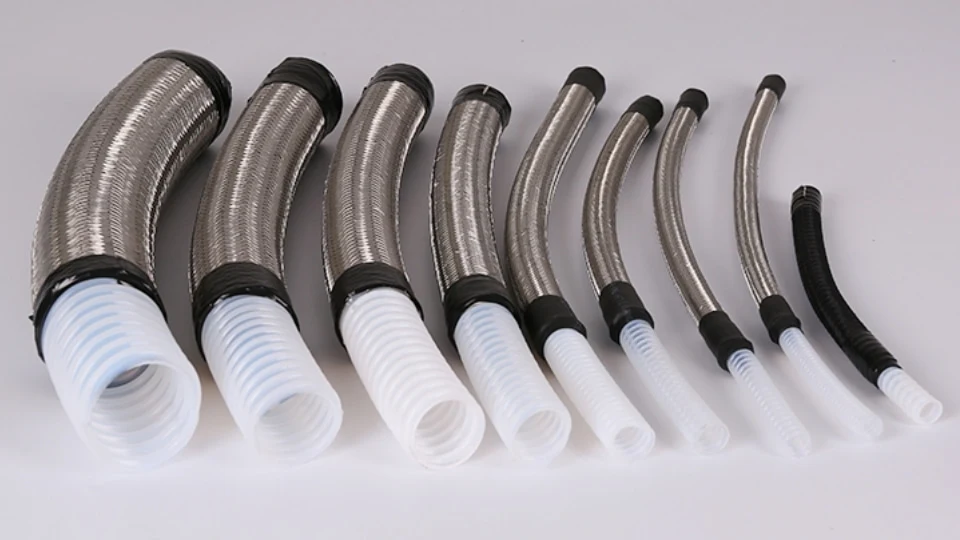
Ever stared at a pile of hoses and wondered why one just feels tougher than the other? Yeah, me too. Back when I first got my hands dirty in the industrial hose game, I remember hooking up a PTFE corrugated hose for a client’s chemical transfer line. Picked the wrong braid, and boom – it frayed under some unexpected rubbing from machinery. Cost us a day of downtime and a headache. Lesson learned: the braid ain’t just decoration; it’s the backbone that keeps your hose from turning into a noodle under pressure.
If you’re knee-deep in picking a braid for your PTFE corrugated hose – stainless steel (SS) or polypropylene? – you’re in the right spot. We’re talking real choices based on what your setup demands: high pressure that won’t quit, keeping costs down without skimping on safety, or shrugging off wear like it’s nothing. At Teflon X, we’ve shipped thousands of these bad boys worldwide, and I’ve seen what works (and what doesn’t) in labs, factories, and even food processing plants. Let’s break it down step by step, like we’re chatting over coffee, so you walk away knowing exactly how to nail your PTFE corrugated hose braid selection.
Why Braid Matters in Your PTFE Corrugated Hose Setup
Picture this: PTFE – that’s polytetrafluoroethylene, the slick, non-stick wizard material – forms the core of your corrugated hose. It’s flexible, handles crazy temps from -100°F to 500°F, and laughs at most chemicals. But without solid hose reinforcement, it’s like giving a race car paper-thin tires. The braid wraps around that PTFE tube, adding strength, burst resistance, and a shield against kinks or abrasion.
From my years slinging hoses at Teflon X, I’ve learned braids aren’t one-size-fits-all. You gotta match ’em to your world’s realities. High-pressure hydraulic lines? Go heavy-duty. Budget-tight assembly line? Lighten up without regret. And abrasion? That’s the sneaky killer in rough environments – think conveyor belts or outdoor rigs scraping against surfaces.
According to the Fluid Sealing Association (FSA), improper hose reinforcement leads to about 20% of industrial fluid leaks annually. Real stat, not pulled from thin air – check their 2023 report if you doubt me. So, let’s get into the two contenders: stainless steel braided PTFE hose and polypropylene braid. We’ll weigh ’em on pressure, cost, and durability, with some tables to make it dead simple.
Stainless Steel Braided PTFE Hose: Built for the Heavy Hitters
Alright, let’s talk stainless steel first. If your operation’s dealing with beasts – think 1,000 psi or more – this is your ride-or-die. SS braids, usually 304 or 316 grade, are like armor plating. They’re woven tight from thin wires, creating a mesh that’s tough as nails but still lets the hose flex without fighting you.
I recall this one job for a petrochemical plant in Texas. They needed hoses for transferring aggressive solvents under 2,500 psi bursts. We spec’d our PTFE 스테인리스 스틸 편조 호스, and it held up for three years straight, no leaks, even with constant vibration. That’s the kind of reliability that saves your bacon.
Pressure Handling: Where SS Shines
Pressure’s non-negotiable in high-stakes apps. ASTM D380 standard tests hose burst pressure, and SS-braided PTFE hoses routinely hit 4,000-10,000 psi working pressure, depending on diameter. For a 1/2-inch hose, you’re looking at safe ops up to 3,000 psi continuous – way beyond what plain PTFE could dream of.
Polypropylene? It tops out around 200-500 psi for similar sizes. If your system’s pushing harder, SS is the only play. No ifs or buts.
Cost Breakdown: Worth the Investment?
Yeah, SS ain’t cheap. Expect 2-3x the price tag over polypropylene – say $15-30 per foot for a 1-inch hose vs. $5-10. But factor in longevity: SS lasts 5-10 years in demanding spots, per ISO 7751 durability guidelines. Downtime from a failed hose? That’ll cost you way more than upfront bucks.
At Teflon X, we crunch these numbers for clients daily. One brewery switched to SS-braided lines for steam transfer and cut maintenance calls by 40% in the first year. Pay now or pay later, right?
Abrasion Resistance: SS Takes the Beatings
Here’s where SS flexes hard. Its metal weave shrugs off scrapes like a champ. In abrasive environments – mining conveyors or automotive assembly – it outperforms plastics by a mile. NACE MR0175 standards rate SS for corrosion and wear in sour service, and real-world tests from DuPont (PTFE’s OG maker) show SS-braided hoses retaining 95% integrity after 1 million flex cycles.
If your hose rubs against metal edges or rocky terrain, SS keeps it snugged up without shredding.
폴리프로필렌(PP) 브레이드: 스마트하고 단순하며 놀라울 정도로 견고합니다.
이제 관점을 바꾸어 보겠습니다. 폴리프로필렌 브레이드는 가볍고 경제적이며 비교적 가벼운 작업에 충분한 성능을 발휘하여 누구나 선택할 수 있는 제품입니다. 이는 열가소성 직물로, 주로 단일 또는 이중 레이어로 구성되며 PTFE와 결합하여 매끄러운 호스 보강 설정을 구현하는 데 적합합니다.
과소평가하지 마십시오. 저는 이 제품을 강한 힘보다는 무게가 중요한 식품 등급 위생 라인에 설치한 적이 있습니다. Teflon X에서 함께 작업했던 한 유제품 가공업체는 우유 이송에 PP 브레이드 호스를 사용했는데, 깨끗하고 저렴하며 FDA 21 CFR 177.1550 규정을 준수했습니다. 2시즌 동안 아무런 문제도 발생하지 않았습니다.
압력 제한: 허용치를 파악하십시오.
PP 브레이드는 SAE J517 사양에 따라 소구경의 경우 최대 300 psi 파열 압력까지 일상적인 압력을 문제없이 견뎌냅니다. 공압 장치, 저유량 화학 물질 또는 실험실 설정에 매우 적합합니다. 하지만 800 psi까지 압력을 높이면 부풀어 오르거나 파열될 위험이 있습니다. 귀하의 애플리케이션이 200 psi 미만에서 작동한다면, PP는 가볍고 뛰어난 선택이 될 것입니다.
품질 저하 없이 비용 절감하기
이것이 바로 PP의 강점입니다. 스테인리스강(SS) 대비 무게가 절반이라 배송비가 저렴하고 설치가 매우 간편하여 무거운 장비가 필요 없습니다. 가격은 피트당 4~8달러 수준으로, 프로토타입이나 대량 생산에 이상적입니다. 미국고무제조협회(RMA)에 따르면 PP와 같은 경량 브레이드는 전체 시스템 중량을 30~50% 줄여 이동식 애플리케이션의 에너지 비용을 대폭 절감합니다.
포장 공장의 고객들이 PP로 교체한 후 성능 저하 없이 재료비에서만 25%의 비용을 절감하는 사례를 확인했습니다.
내마모성: 대부분의 상황에 충분함
PP가 연마제에 대해 무적은 아니지만, 결코 부족한 성능은 아닙니다. 생각보다 자외선과 약한 화학 물질에 강하며 실내나 보호된 장소에서 잘 견딥니다. ASTM D543 테스트에 따르면 PP 브레이드는 오일과 용제에 노출된 후에도 유연성을 유지하며 시간이 지나도 강도 손실은 10~15%에 불과합니다.
실외용은 어떨까요? 변색이 다소 빠를 수 있지만 제어된 환경에서는 최상의 성능을 발휘합니다. 한 사례로 제약 충전 라인에서 플라스틱 가이드에 쓸리는 PP 브레이드 PTFE 호스를 사용했는데, 정기 교체 전까지 18개월 동안 문제없이 지속되었습니다.
핵심 요약: 압력, 비용, 내마모성 비교
PTFE 주름 호스 브레이드 선택을 쉽게 하실 수 있도록 비교표를 준비했습니다. Teflon X 테스트와 업계 표준을 바탕으로 작성된 사실적인 데이터입니다.
| 요인 | 스테인리스강 브레이드 PTFE 호스 | 폴리프로필렌(PP) 브레이드 |
|---|---|---|
| 최대 작동 압력 | 1,000~5,000 psi (ASTM D380) | 150~500 psi (SAE J517) |
| 피트당 비용 (직경 1인치) | $15-30 | $5-10 |
| 내마모성 등급 | 우수함 (100만 회 사이클 후 95% 무결성, 듀폰 기준) | 양호함 (10-15% 손실, ASTM D543 기준) |
| 무게 | 더 무거움 (0.5-1 lb/ft) | 더 가벼움 (0.2-0.4 lb/ft) |
| 가장 적합한 | 고압, 연마성 산업용 | 저압, 비용에 민감한 위생용 |
| 수명 | 5-10년 (ISO 7751 기준) | 2~5년 |
보이시나요? 아주 명확합니다. 이를 사용하여 요구 사항을 매핑하세요. 압력 우선, 그다음 예산, 마지막으로 마모 요소를 고려하십시오.
실제 시나리오: 현장에서 승자 선택하기
이론도 좋지만, 실제 사례가 기억에 남죠. Teflon X 플레이북에서 성공 사례 몇 가지를 익명화하여 소개해 드립니다.
중서부의 한 자동차 부품 제조업체의 사례입니다. 로봇 용접기 냉각수 라인에는 1,200psi의 압력 급상승과 금속을 긁는 지속적인 팔 움직임이 필요했습니다. 스테인리스강 편조 PTFE 호스가 정답이었죠. 고장 빈도를 월간에서 연간으로 줄여 교체 비용 12,000달러를 절감했습니다. 이들은 저희에게 문의하여 연락처 페이지 견적을 받았고, 이제는 단골 고객이 되었습니다.
반대의 경우입니다. 캘리포니아의 한 수제 맥주 양조장은 최대 150psi의 병입 라인을 사용하며 팬데믹 이후 예산 압박을 받고 있었습니다. 폴리프로필렌 편조는 흐름을 원활하게 유지했고 무게가 가벼워 빠른 교체가 가능했습니다. 병 충전기의 마모 문제는 실내에서는 큰 문제가 아니었죠. 비용 면에서는 앨리슨.예@테프론x.com 을 통해 견적을 받아 호스 비용을 35% 절감했습니다.
또는 해양 굴착 장치 공급업체의 경우, 가혹한 염분 공기와 윤활유 이송을 위한 보통 수준의 400psi가 필요했습니다. 처음에는 폴리프로필렌(PP)으로 시작했지만, 6개월 만에 마모로 손상되었습니다. 스테인리스강으로 교체한 후 2년 동안 튼튼하게 유지되었습니다. 이러한 조정 사항은 모두 이메일 상담을 통해 이루어졌습니다.
결론: 환경을 테스트하십시오. 가능하다면 단거리 시험을 해보세요. 저희 Teflon X는 수십 건의 사례에서 완벽해질 때까지 반복적인 테스트를 진행했습니다.
호스 현장 일선에서 얻은 전문가의 팁
현장에서 직접 겪은 경험을 바탕으로 가감 없는 진실을 말씀드립니다. 첫째, 항상 압력 사양을 20% 이상 여유 있게 잡으세요. 머피의 법칙은 호스를 괴롭히기 때문입니다. 둘째, 마모가 심한 곳에는 외부 보호대를 추가하세요. 스테인리스강조차도 보호대가 있으면 더 좋습니다. 셋째, 비용은 총 소유 비용을 고려하십시오. 단기적으로는 폴리프로필렌이 유리하지만, 장기적으로는 스테인리스강이 승자입니다.
특별한 팁: 부식성 환경에서는 304 대신 316 스테인리스강을 사용하십시오. NACE SP0175에 따르면 염화물 저항력이 2배 더 높습니다. 또한 엑손모빌의 고분자 데이터에 따르면, 폴리프로필렌의 경우 자외선 안정제가 실외 수명을 50%까지 연장해 줍니다.
저희는 수천 건을 맞춤 제작해 왔으며 테프론 X, blending these insights. Curious about your setup? Drop a line – we’ll brainstorm free.
FAQ: Quick Hits on PTFE Corrugated Hose Braid Selection
Got burning questions? Here’s the straight scoop.
What’s the biggest mistake folks make with hose reinforcement?
Jumping straight to price without pressure checks. I’ve seen cheap PP fail spectacularly at 300 psi – always calc your max first, using tools like our 제품 구성 도구.
동일한 호스 어셈블리에 서로 다른 편조를 혼합하여 사용할 수 있습니까?
Rarely recommended – mismatches cause weak points. Stick to uniform for safety. If hybrid’s your jam, consult us at Teflon X for custom engineering.
내 애플리케이션에 내마모성이 결정적인 요소인지 어떻게 알 수 있습니까?
Run a simple rub test: Drag the hose over your roughest surface for 100 cycles. Fraying? Upgrade to SS. We’ve helped clients spot this early, avoiding field disasters.
Wrapping It Up: Your Next Move for Spot-On Braid Selection
Whew, we covered a lot – from SS’s ironclad pressure grip to PP’s wallet-friendly flex, all tuned to your pressure, cost, and abrasion vibes. Picking the right braid isn’t rocket science; it’s about matching your world’s grit to the hose that won’t let you down. At Teflon X, we’re all about that – flexible, corrosion-resistant convoluted hoses that just work.
Feeling that spark? Imagine your lines humming without leaks or breaks, costs in check, and ops smoother than ever. That’s the desire we build here.
Ready to act? Hit up https://teflonx.com/contact-us/ for a no-strings chat, snag a quote via Allison.Ye@teflonx.com, or browse our full lineup. Let’s get your PTFE corrugated hose dialed in – you deserve the win. What’s your first question?

PTFE 스테인리스 스틸 브레이디드 호스 - 유연하고 부식 방지 꼬임 호스
공격적인 미디어를 위해 설계된 이 PTFE 스테인리스 스틸 브레이디드 호스 화학적으로 불활성인 PTFE 코어와 주름진 스테인리스 스틸 쉘을 결합했습니다. 유연한 테프론 호스 축방향/횡방향 변위를 처리하는 구조로, 광산(내마모성 모델) 또는 배기가스 시스템의 파이프라인에 적합합니다. 진한 황산, 염소가스, 왕수에 대한 내성이 우수합니다.
