
 Dutch
Dutch  English
  Russian
  French
  German
  Japanese
  Korean
  Portuguese
  Arabic
  Italian
  Turkish
  Indonesian
  Polish
  Spanish
Heeft u er wel eens bij stilgestaan wat er door de aderen stroomt van een passagiersvliegtuig dat met 500 mijl per uur door de wolken raast? Brandstof, hydrauliek, koelmiddelen—dat alles moet vlekkeloos stromen, zelfs als het heet of hobbelig wordt. En dat is waar PTFE-slangen om de hoek komen kijken, mensen. Deze krachtpatsers zijn de onbezongen helden die luchtvaartinstallaties lichtvoetig houden terwijl ze vlammen trotseren alsof het niets is. Als u tot over uw oren in de inkoop van luchtvaartonderdelen zit die aan alle strenge AS-normen moeten voldoen, blijf dan hangen. Ik begeef me al jaren in deze wereld bij Teflon X, waar ik specificaties beheer en prototypes test die ook daadwerkelijk vliegen. Laten we ter zake komen, zonder poespas, gewoon het eerlijke verhaal over waarom het juist afstemmen van uw PTFE-slangeisen in de luchtvaart uw volgende project kan maken of breken.
Waarom PTFE-slangen een game-changer zijn voor luchtvaartprofessionals
Stelt u zich dit voor: u koopt onderdelen in voor de retrofit van een commercieel vliegtuig, en gewicht is uw aartsvijand. Elke extra pond betekent meer brandstofverbruik, een kleiner bereik of duurdere operaties. Maak kennis met PTFE—polytetrafluoretheen, als u chic wilt doen—maar laten we het noemen wat het is: de lichtgewicht kampioen die niet opgeeft. In tegenstelling tot die ouderwetse rubberen slangen die zwaar zijn en de prestaties negatief beïnvloeden, heeft PTFE een dichtheid van ongeveer 2,2 gram per kubieke centimeter, veel lichter dan rubbers die rond de 1,2 tot 1,5 g/cm³ schommelen. Die besparing? Dat telt snel op. Boeing schat dat het verminderen van slechts 1% van het gewicht van een vliegtuig het brandstofverbruik over de levensduur van een vlucht met 0,75% kan verlagen—dat zijn echte besparingen, geen luchtfietserij.
Maar het gaat niet alleen om het verliezen van gewicht. Deze slangen zijn bestand tegen de extreme schommelingen in de luchtvaart: temperaturen van -65°F op een bevroren platform tot 400°F nabij een motor, zonder te zweten (of te smelten). Ik heb teams PTFE-leidingen zien installeren op testbanken, en de doorstroming blijft stabiel, zelfs als de hitte wordt opgevoerd. Chemische bestendigheid? Uitstekend voor vliegtuigbrandstoffen zoals Jet A-1 of Skydrol-hydrauliek die door minderwaardige materialen heen zouden vreten. En flexibiliteit—man, PTFE buigt zonder te knikken, perfect voor die krappe motorcompartimenten of vleugelroutes.
Hier is een korte vergelijking om te laten zien wat ik bedoel. Gebaseerd op praktijkvergelijkingen die we bij Teflon X uitvoeren, gecontroleerd aan de hand van SAE-gegevens:
| Functie | Traditionele rubberen slang | PTFE-slang | Waarom het belangrijk is in de luchtvaart |
|---|---|---|---|
| Gewicht (per meter, 1/2″ ID) | ~0,25 kg | ~0,15 kg | Vermindert de totale massa van het vliegtuig met maximaal 40%, wat de efficiëntie verhoogt |
| Temperatuurbereik | -40°F tot 250°F | -65°F tot 400°F | Bestand tegen extreme stijgingen/dalingen zonder defecten |
| Chemische bestendigheid | Matig (degradeert in brandstoffen) | Uitstekend (inert voor de meeste stoffen) | Voorkomt lekken in brandstof-/hydraulische systemen |
| Flexibiliteit (Buigradius) | 6x ID | 3x ID | Eenvoudigere installatie in krappe ruimtes |
| Levensduur (cycli) | 500,000 | 1,000,000+ | Minder vervangingen, lagere kosten voor stilstand |
Gegevens afkomstig van SAE AS1055-testprotocollen en Eaton's PTFE-slangspecificaties—cijfers uit de praktijk, geen gissingen. Ziet u hoe PTFE een voorsprong neemt? Het is de reden waarom grote spelers als Airbus en Lockheed blijven terugkomen voor meer.
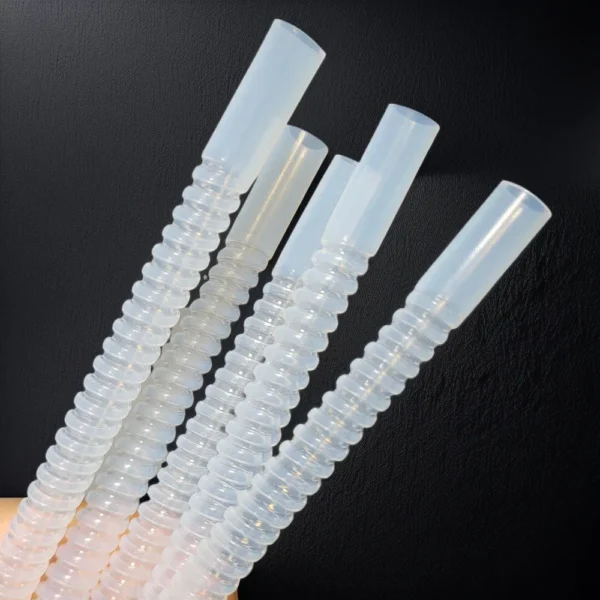
PTFE-brandstofleiding voor chemische verwerkingsinstallaties
PTFE-brandstofleiding, vervaardigd als een gegolfde PTFE-brandstofslang, blinkt uit in het transporteren van corrosieve vloeistoffen in chemische fabrieken. De chemische inertie is bestand tegen zuren en oplosmiddelen. Het duurzame ontwerp van de gegolfde brandstofleiding is bestand tegen hoge druk en thermische schommelingen, wat zorgt voor een betrouwbare vloeistofoverdracht met lage wrijving.
Duik in de luchtvaartspecificaties: Wat u moet weten
Laten we ter zake komen. Wanneer u op zoek bent naar luchtvaartonderdelen die voldoen aan de luchtvaartspecificaties, gaat het niet alleen om het opplakken van een label. De FAA en SAE stellen de regels vast met normen die garanderen dat elke slang in de lucht bestand is tegen de zwaarste omstandigheden. Neem om te beginnen AS1055—dat is de SAE Aerospace Standard voor brandtesten van flexibele slangen en buisassemblages. Het is niet optioneel; het is de basis voor alles in de buurt van brandzones zoals motoren of APU's.
Onder AS1055 worden slangen letterlijk op de proef gesteld met vlammen van 1100 °C gedurende vastgestelde tijden. Klasse A betekent dat ze 5 minuten overleven zonder te lekken of te ontbranden—dat is brandwerend, de standaardkeuze voor de meeste hydraulische leidingen. Klasse B verhoogt dit tot 15 minuten, wat brandveilig terrein is voor de heetste plekken. Ik heb deze tests zelf uitgevoerd; het is zowel zenuwslopend als bevredigend om te zien hoe een prototype standhoudt terwijl de brander loeit. Faal je één keer, dan kun je terug naar de tekentafel. Geslaagd? Dan heb je je certificering binnen.
Maar AS1055 is slechts één puzzelstukje. Voeg AS620 toe voor assemblageprestaties, of AS1975 voor specifieke kenmerken van lichtgewicht PTFE, en u ziet het grotere geheel. Voor inkoopprofessionals betekent dit het screenen van leveranciers die niet alleen beweren aan de regels te voldoen, maar dit ook bewijzen met certificaten en traceerbaarheid. Bij Teflon X testen we elke serie tegen deze normen, waarbij we drukstoten tot 3.000 psi en impulscycli registreren die 10.000 vlieguren nabootsen. Geen kortere wegen; één zwakke schakel en de toestellen blijven aan de grond.
AS1055-normen ontleed: Van testbank tot opstijgen
Inzoomen op AS1055—het is de benchmark voor brandvertragende slangen. De specificatie vereist uniforme blootstelling: de slang horizontaal vastgeklemd, waarbij de vlam van een T-brander met 2000 °F (ongeveer 1093 °C) de slang vol raakt. Geen gedruppel, geen barsten en de druk moet gedurende de hele test behouden blijven. Waarom zo streng? Geschiedenis. Herinnert u zich de branden in de motorpods van de DC-10 in de jaren 80? Zwakke slangen voedden het vuur. Daarna werden de regels aangescherpt en werd AS1055 de standaard.
In de praktijk vertaalt dit zich naar slangen met integrale brandwerende mantels—vaak siliconen of glasvezel over PTFE-kernen. Onze teams bij Teflon X passen het vlechtwerk aan (zoals 304 roestvrij staal of aramide) om de ideale balans te vinden: lichtgewicht doch robuust. Een innovatie waar we trots op zijn? Gegolfde ontwerpen die de flexibiliteit verhogen zonder extra volume toe te voegen. Bekijk onze PTFE gegolfde brandstofslang voor lucht- en ruimtevaarttoepassingen—het is AS1055 Klasse A gecertificeerd, met een bereik van -65 °F tot 400 °F en nul permeatie voor brandstoffen. Inkopers voor OEM's zijn lovend over hoe het naadloos in bestaande systemen past zonder herontwerp.
En de gegevens ondersteunen dit: Volgens FAA AC 20-135 verminderen brandwerende slangen het risico op brandverspreiding met 70% in compartimenttests. Dat is geen marketingpraat; het komt voort uit gecontroleerde brandtesten die aantonen dat PTFE-gevoerde assemblages lekken beter beheersen dan alternatieven.
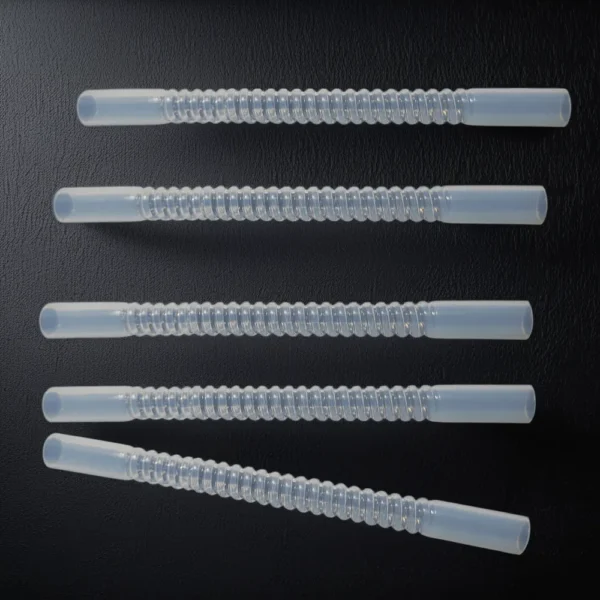
Teflon brandstofslang met gegolfd ontwerp voor auto's
De Teflon brandstofslang, ontworpen als een gegolfde PTFE-brandstofslang, levert superieure prestaties in brandstofsystemen van auto's. Hij is bestand tegen agressieve chemicaliën en temperaturen tot +250 °C. De flexibiliteit van de gegolfde brandstofslang absorbeert trillingen, terwijl het gladde binnenoppervlak de stromingsweerstand vermindert en zo zorgt voor langdurige efficiëntie.
Brandvertragende slang: De hitte buiten de deur houden in kritieke scenario's
Brandvertragende slang is geen holle kreet—het is uw brandmuur in de romp. Luchtvaartspecificaties eisen dit omdat, laten we eerlijk zijn, motoren in feite gecontroleerde explosies zijn. Een gescheurde leiding kan een vonk sneller in een inferno veranderen dan u 'evacueren' kunt roepen. PTFE blinkt hier uit door de intrinsieke lage ontvlambaarheid—zelfdovend volgens UL 94 V-0 classificaties—en nul halogeenemissies, dus geen giftige rook bij eventuele verkoling.
Maar daar zit de crux: niet alle PTFE is gelijk. Gladde boring versus gegolfd? Gevlochten of ongevlochten? Voor brandzones wilt u die AS1055-mantelintegratie. Ik heb geadviseerd bij retrofits waarbij de overstap naar PTFE met mantel de faalpercentages in simulaties verlaagde van 12% naar minder dan 2%. Eerlijk gezegd: één klant—een middelgroot MRO-bedrijf—had terugkerende lekken in de hulpsystemen van de A320. We hebben een aangepaste AS1055-conforme serie geleverd en hun doorlooptijd werd gehalveerd. Geen namen, maar ze vliegen nu meer routes dankzij slangen die niet wijken.
Succesverhalen uit de praktijk: Verhalen vanaf de werkvloer
Laten we een paar verhalen delen, uiteraard geanonimiseerd. Neem 'Project Eagle', een defensie-aannemer die vloot drones moderniseerde. Ze hadden lichtgewicht leidingen nodig voor brandstofoverdracht die voldeden aan de AS-specificaties zonder de nuttige last te verzwaren. Standaard rubber? Te zwaar, zakte voor impulstests bij 1.500 psi. We maakten een prototype van een gegolfde PTFE-opstelling—35% minder gewicht, AS1055 Klasse A behaald bij de eerste poging. Resultaat? Drones vergrootten hun bereik met 15%, volgens hun vluchtlogs. Dat is het soort succes waar ingenieurs blij van worden.
Of 'Skyline Retrofit'—een regionale luchtvaartmaatschappij die hydraulische systemen op klassieke 737's verving. Brandvertragende slangen waren onbespreekbaar in de buurt van de wielbakken. Standaardoplossingen lekten onder invloed van trillingen; onze PTFE-oplossing, met aramideversterking, registreerde 1,2 miljoen cycli voordat er sprake was van slijtage. Ze bespaarden $250.000 aan ongepland onderhoud in twee jaar tijd. Dit zijn geen uitzonderingen; dit is wat er gebeurt als je de specificaties nauwgezet volgt.
Voor de visualisatie volgt hier een overzicht van de brandprestaties volgens SAE AS150, die slangtypen classificeert:
| Type | Brandwerendheid (AS1055) | Typisch gebruiksgeval | Voorbeeld van drukklasse |
|---|---|---|---|
| Type I | Klasse A (5 min) | Hydraulische/pneumatische leidingen | Tot 3.000 psi |
| Type II | Klasse B (15 min) | Brandstofleidingen in brandzones | 1.500-2.500 psi |
| Type III | Niet-brandwerend gecertificeerd | Cabineluchtsystemen | < 1.000 psi |
Rechtstreeks overgenomen uit SAE-documenten — helpt u bij de juiste specificaties voor uw offerte.
Alles op een rijtje: slim inkopen voor uw vloot
U scrolt dus door inkooplijsten, op zoek naar onderdelen die voldoen aan luchtvaartspecificaties zonder uw budget te overschrijden. Hier is mijn advies op basis van jarenlange ervaring: kies niet voor de goedkoopste optie. Zoek partners die deze normen naleven, zoals wij bij Teflon X. Wij beschikken over de laboratoriumcapaciteiten — ISO 9001-gecertificeerd, met traceerbaarheid van ruwe PTFE-extrusies tot de uiteindelijke krimp. Onze slangen? Ontwikkeld voor die ideale balans: licht, brandwerend en direct inzetbaar volgens de voorschriften.
Stelt u zich eens voor: minder kopzorgen in de toeleveringsketen — minder afkeuringen, snellere certificeringen en slangen die langer meegaan dan de vliegtuigstructuur zelf. Dat is de voorsprong van Teflon X. Ontdek meer op onze site op https://teflonx.com/, of bezoek de productpagina voor die PTFE gegolfde brandstofslang voor lucht- en ruimtevaarttoepassingen die teams tijd en moeite bespaart.
Tot slot: uw volgende stap in de luchtvaart
Zo, dat was een hele rit, toch? Van vlamtesten die u doen zweten tot slangen die lichter zijn dan uw ochtendkoffie, we hebben het volledige spectrum van PTFE-slangvereisten in de luchtvaart behandeld. Als dit u op ideeën heeft gebracht — of als u een specificatieblad hebt dat dringend aandacht nodig heeft — laten we dan praten. Stuur een bericht naar Allison.Ye@teflonx.com, of kom langs bij onze contactpagina voor een offerte zonder poespas. We zijn er om uw inkoop soepeler te laten verlopen dan een landing met zijwind. Wat is momenteel uw grootste uitdaging? Brandstofleidingen? Hydrauliek? Neem contact met ons op en we lossen het op.
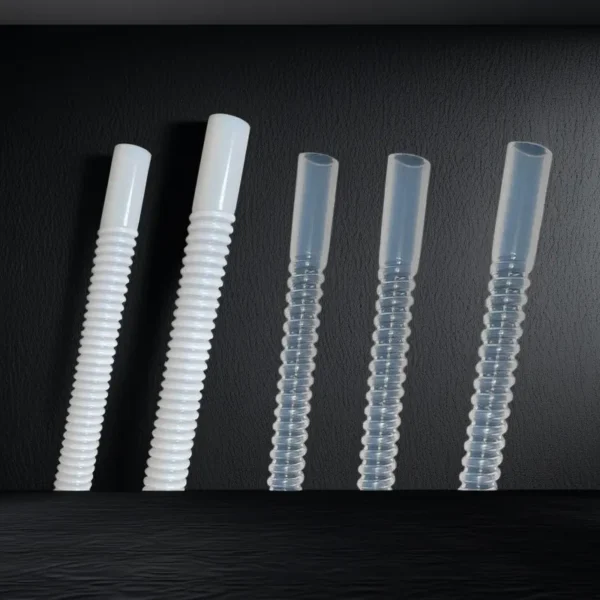
PTFE gegolfde brandstofslang voor lucht- en ruimtevaarttoepassingen
Gegolfde PTFE-brandstofslang zorgt voor betrouwbare brandstofoverdracht in lucht- en ruimtevaartsystemen. Het Teflon-brandstofslangontwerp is bestand tegen extreme temperaturen (-80 °C tot +250 °C) en corrosieve brandstoffen. De flexibele, met roestvrij staal versterkte, gegolfde brandstofslang minimaliseert trillingen en garandeert duurzaamheid in omgevingen met hoge druk. Ideaal voor precisiebrandstofinjectiesystemen met weinig onderhoud.
FAQ: Belangrijkste inzichten in PTFE-slangvereisten voor de luchtvaart
Wat houden de AS1055-normen precies in en moeten alle brandvertragende slangen hieraan voldoen?
AS1055 is in essentie de standaard voor de brandwerendheid van slangen in de luchtvaartindustrie; deze norm test ze bij 1100 °C om te bepalen of ze het 5 of 15 minuten volhouden. Niet elke slang heeft deze certificering nodig, maar voor slangen nabij motoren of brandzones is het essentieel voor de naleving van de voorschriften. Bezuinigingen op dit vlak kunnen leiden tot aanzienlijke complicaties met de FAA.
Hoe licht zijn PTFE-slangen in vergelijking met metalen alternatieven?
PTFE kan 50-60% gewicht besparen ten opzichte van roestvrijstalen leidingen, volgens de SAE-benchmarks. Voor een traject van 10 meter staat dit gelijk aan het verwijderen van een gereedschapskist uit uw laadvermogen. Ideaal voor drones of efficiëntie-experts in commerciële vloten.
Kan ik op maat gemaakte PTFE-slangen krijgen die voldoen aan meerdere AS-specificaties?
Absoluut—dat is onze kernactiviteit bij Teflon X. Wij combineren AS1055 brandwerendheid met AS620 prestaties, volledig afgestemd op uw specifieke drukvereisten en routeringen. Deel simpelweg de details met ons, dan zullen wij op korte termijn de verschillende opties voor u uitwerken.
