
 English
  Russian
  French
  German
  Japanese
  Korean
  Portuguese
  Arabic
  Italian
  Dutch
Dutch  Turkish
  Indonesian
  Polish
  Spanish
If you’re a procurement specialist in the beverage industry, you’ve got a lot on your plate. You’re the gatekeeper of quality, safety, and efficiency. The choices you make, right down to the tubing used on the production line, have a massive impact on the final product. A bad choice can lead to flavor contamination, bacterial growth, or even costly downtime. It’s a pressure cooker, for sure.
We get it. Here at Teflon X, we’ve been in the trenches with breweries, dairies, juice producers, and water bottling plants for years. We’ve seen firsthand how the right equipment can make or break an operation. And one of the unsung heroes of a pristine beverage line is the Inner Smooth Bore Outer Corrugated PTFE Tube.
Sounds a bit technical, right? Don’t worry. This isn’t going to be a dry, jargon-filled lecture. This is your practical, no-nonsense Beverage Tubing Guide. We’re going to break down everything you need to know, from picking the perfect tube for your needs to keeping it sparkling clean, ensuring every drop of your product is as perfect as it was intended to be.
Why This Specific PTFE Tube is a Game-Changer for Beverages
So, what’s all the fuss about this particular type of tubing? You’ve probably seen options made of silicone, PVC, or rubber. They might even be a bit cheaper. But when it comes to handling food and beverages, “cheaper” can quickly become “more expensive” in the long run.
Let’s talk about why this “smooth inside, bumpy outside” tube is the top choice for pros.
The Magic of PTFE: It’s Not Just for Frying Pans
PTFE (Polytetrafluoroethylene) is the secret sauce. You probably know its most famous brand name, Teflon. Its superpower is being incredibly non-reactive and non-stick.
- Purity Protector: PTFE is chemically inert. This means it won’t leach chemicals into your craft beer, organic juice, or spring water. It’s like a ghost in the system – it doesn’t leave a trace. This is backed by regulations; quality PTFE tubing for food contact complies with FDA 21 CFR 177.1550, which is a must-have certification you should always ask for.
- Flavor Neutral: Ever had a sip of water from a garden hose on a hot day? That plastic taste is called flavor transfer. PTFE has an extremely low absorption rate, so the taste of the previous batch of raspberry seltzer won’t haunt your new batch of lemon-lime.
- Temperature Tough: From piping hot wort in a brewery (up to 260°C / 500°F) to chilled dairy products, PTFE handles extreme temperatures without breaking a sweat. It won’t get brittle in the cold or soft in the heat.
Smooth Bore + Corrugated Outer: The Best of Both Worlds
This is the real genius of the design.
- Inner Smooth Bore: The inside of the tube is perfectly smooth. Think of it like a freshly paved highway for your liquid. This ultra-smooth surface means there are no microscopic nooks or crannies for bacteria or sediment (like beerstone or milkstone) to hide in. It ensures a clean, fast flow and makes the Cleaning PTFE Tubes process a whole lot easier.
- Outer Corrugated: The outside is ribbed and flexible. This allows the tube to bend around tight corners and equipment without kinking. A kink is a flow-killer and can create weak spots in the tube. This flexibility makes installation and daily handling so much simpler for your production team.
Quick Look: PTFE vs. The Other Guys
Still on the fence? Let’s put it in a table. We’ve seen clients make switches from all these materials, and the results speak for themselves.
| Feature | PTFE (Our Star Player) | Silicone | PVC (Vinyl) | EPDM Rubber |
|---|---|---|---|---|
| Flavor/Odor Transfer | Virtually None | Low, but can absorb strong flavors | Moderate to High | High |
| Chemical Resistance | Excellent | Good | Fair (reacts to some acids/solvents) | Good |
| Temperature Range | Excellent (-70°C to 260°C) | Good (-50°C to 230°C) | Poor (gets brittle/soft) | Good (-40°C to 150°C) |
| Cleanability (CIP) | Excellent | Good, but can stain | Fair, can degrade with harsh chemicals | Fair to Good |
| Flexibility | Good (Excellent with corrugated outer) | Excellent | Good | Good |
| FDA Compliant? | Yes | Yes (check grade) | Yes (check grade) | Yes (check grade) |
| Cost | Higher Initial Investment | Moderate | Low | Moderate |
As you can see, while PTFE might have a higher upfront cost, its performance and longevity deliver a much better return on investment, especially when product purity is non-negotiable.
Your In-Depth Beverage Tubing Guide: Making the Right Choice
Alright, you’re sold on the material. Now, how do you choose the exact right tube for your facility? As a procurement specialist, the details matter. Getting this wrong means sending it back, causing delays, and getting frustrated looks from the production manager. Let’s prevent that.
Key Factors to Nail Down Before You Buy
Before you even think about getting a quote, have the answers to these questions ready. This will make the process smoother for you and for us.
- What’s Flowing Through It? Is it beer, wine, milk, juice with pulp, or high-purity water? The viscosity and properties of the liquid matter. For example, thicker liquids might require a slightly larger diameter to maintain flow rates.
- Temperature & Pressure: What are the maximum operating temperatures and pressures in your system? And don’t forget the cleaning cycle! Sometimes, the hot water or steam used for sanitization is hotter than the product itself. Always look for the “working pressure” and ensure it’s well above your operational max.
- Bend Radius: How tight are the corners it needs to navigate? The corrugated design helps a ton here, but every tube has its limit. Knowing your required bend radius ensures you get a tube that won’t kink or stress. Our team at Teflon X can help you figure this out if you’re unsure.
- Certifications, Certifications, Certifications: This is huge. For beverages, you should be looking for tubes that are at least FDA 21 CFR 177.1550 compliant. For dairy, 3-A Sanitary Standards are often required. For pharmaceutical-grade applications, USP Class VI is the gold standard. Don’t just take a supplier’s word for it; ask to see the documentation.
- Connections: How will the tube connect to your existing equipment? Tri-Clamp fittings are the most common in sanitary applications for a reason – they are easy to assemble and clean. Make sure the tubing can be fitted with the connections you use.
A Real-World Scenario: The Craft Brewery Conundrum
We worked with a fast-growing craft brewery a while back. They were using some generic, clear tubing for their transfer lines. They were struggling with two big issues:
- Their IPAs were leaving a “ghost flavor” that you could faintly taste in the lighter pilsners they brewed next.
- Their cleaning cycles were taking forever, and they were constantly fighting buildups of beerstone.
They were hesitant about the cost of upgrading their lines. But after we walked them through the benefits, they decided to test our PTFE Inner Flat Outer Corrugated Tubing on one of their most problematic transfer lines.
The result? Within a week, the flavor ghosting was gone. Their Clean-In-Place (CIP) cycle time was cut by nearly 30% because the smooth bore was so much easier to clean. The brewers were happier, and the quality control manager was ecstatic. They’ve since converted their entire facility. It’s a classic case of the right tool for the job saving money and headaches in the long run.
Mastering the Clean: A Practical Guide to Cleaning PTFE Tubes
You’ve selected and installed your shiny new tubes. Awesome! Now, let’s keep them that way. Proper cleaning is what guarantees the tube’s long life and your product’s purity. A great tube with a poor cleaning protocol is a wasted investment.
The gold standard for cleaning is a Clean-In-Place (CIP) system. Here’s a solid, reliable protocol.
Your Go-To CIP Routine
- Pre-Rinse (Warm Water): As soon as the transfer is done, flush the line with warm water (around 40-50°C / 100-120°F). This removes the majority of loose soil and prevents proteins from setting. Don’t use hot water first, as it can “bake on” proteins, especially in dairy.
- Caustic Wash: Circulate a heated alkaline detergent (like a caustic soda solution) for 15-30 minutes. This breaks down fats, proteins, and organic matter. Pro Tip: Always follow the concentration and temperature guidelines from your chemical supplier. A typical temp is around 65-80°C (150-175°F).
- Intermediate Rinse: Flush the caustic out with warm water until the pH of the runoff water is neutral. You don’t want caustic solution mixing with your acid wash.
- Acid Wash: Circulate an acid cleaner for 15-20 minutes. This is your secret weapon against mineral scale like beerstone (calcium oxalate) or milkstone.
- Final Rinse: A thorough rinse with clean, potable water is crucial. Rinse until all traces of the acid cleaner are gone.
- Sanitize (Optional but Recommended): Just before the next use, run a sanitizing solution (like Peracetic Acid – PAA) through the line. This is the final step to kill any remaining microorganisms. Do not rinse after this step unless required by your local regulations.
Common Cleaning Blunders to Avoid
We’ve seen it all. Here are a few things to make sure your team doesn’t do:
- Using Abrasive Brushes: The smooth bore is your friend. Don’t attack it with abrasive brushes or pads. It can create tiny scratches where bacteria can hide. If manual cleaning is needed, use soft-bristled brushes designed for sanitary applications.
- Wrong Chemical Temps: Using chemicals at temperatures outside their effective range can either do nothing or, in some cases, damage the equipment.
- Skipping Rinses: Leaving residual caustic or acid in the line is bad news. It can damage the tube over time and, worse, end up in your product.
Ready to Upgrade Your Beverage Transfer System?
Whew, that was a lot of info. But now you’re armed with the knowledge to make an informed, confident decision. You know that an Inner Smooth Bore Outer Corrugated PTFE Tube isn’t just a part; it’s an investment in quality, safety, and peace of mind.
You understand the critical difference between materials, you have a checklist for selecting the right specs, and you have a rock-solid cleaning protocol.
At Teflon X, we’re more than just a supplier. We see ourselves as partners in your success. We know the challenges you face, and our goal is to provide solutions that make your job easier and your product better. Our PTFE Inner Flat Outer Corrugated Tubing is engineered to meet the highest standards of the beverage industry.
So, what’s next?
- Got Questions? If any of this sparked a question specific to your facility, we’d love to talk. Our team is here to provide solutions, not just sell products.
- Need a Quote? If you’re ready to see the difference for yourself, reach out for a no-obligation quote. We can customize lengths and fittings to your exact needs.
- Take Action! Don’t let subpar tubing compromise your product for another day.
You can dive deeper on our product page or, better yet, get in touch with us directly. You can reach our specialist, Allison, at Allison.Ye@teflonx.com or visit our Contact Us page.
Let’s make sure your beverage lines are as pure as the product you create.
Frequently Asked Questions (FAQ)
Q1: Can these PTFE tubes handle highly carbonated beverages like seltzer or soda?
A: Absolutely. The smooth inner bore of our PTFE tubes is ideal for carbonated beverages. It minimizes nucleation points, which means less foaming and a more stable transfer compared to rougher tubing materials. The pressure ratings are also more than sufficient for standard carbonation levels.
Q2: What is the expected lifespan of an Inner Smooth Bore Outer Corrugated PTFE Tube?
A: This is a great question, but the answer is “it depends.” With proper handling and a solid cleaning protocol like the one we outlined, these tubes can last for many years. Factors that influence lifespan include the frequency of use, the chemicals used for cleaning, operating temperatures, and physical wear and tear. Compared to silicone or PVC, which can degrade and require replacement more frequently, a PTFE tube offers a significantly longer service life, providing excellent long-term value.
Q3: How do I verify that the tubing is actually FDA or 3-A compliant?
A: Never hesitate to ask for the paperwork! Any reputable supplier, including us at Teflon X, should be able to provide you with a certificate of compliance for the specific product you are purchasing. This document traces the material back to its source and confirms it meets the standards claimed. If a supplier is hesitant to provide this, consider it a major red flag.
Q4: Is the corrugated exterior difficult to keep clean?
A: That’s a very practical question! While the focus is often on the interior, the exterior environment of a production facility needs to be clean too. The corrugations can trap dust or spillage. The good news is that PTFE is also non-stick on the outside. A simple wipe-down or spray-down with standard plant-safe cleaners is usually all it takes to keep the exterior clean. It doesn’t absorb moisture or support mold growth, making it easy to maintain.
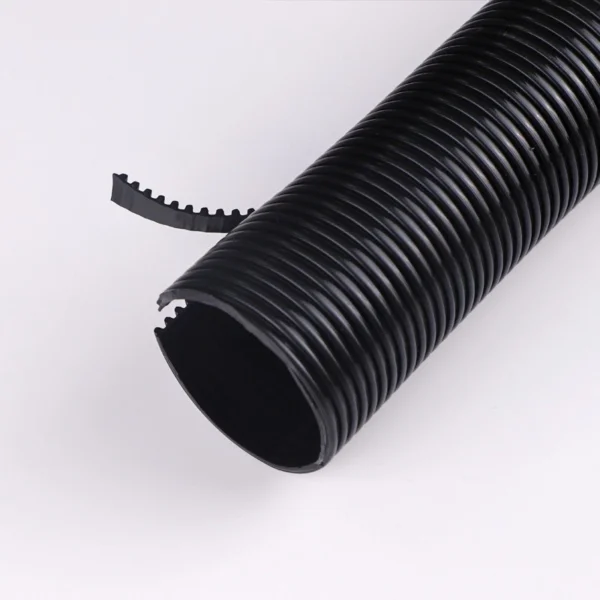
Flexible PTFE Inner Flat Outer Corrugated Tubing for Food Processing
Our Flexible PTFE Inner Flat Outer Corrugated Tubing is designed with a smooth inner layer for easy cleaning and a corrugated outer for flexibility in food processing lines. This Inner Smooth Bore Outer Corrugated PTFE Tube ensures FDA-compliant, non-toxic transfer of edibles and beverages.
Perfect for conveying viscous materials, the PTFE Bellows Tube variant prevents flavor contamination and withstands frequent washdowns.
Incorporate this Internal Flat External Wave Corrugated Pipe into your setup; its PTFE Inner Flat Outer Corrugated Tubing structure guarantees hygiene and durability.
