
 English
  Russian
  French
  German
  Japanese
  Korean
  Portuguese
  Arabic
  Italian
  Dutch
Dutch  Turkish
  Indonesian
  Polish
  Spanish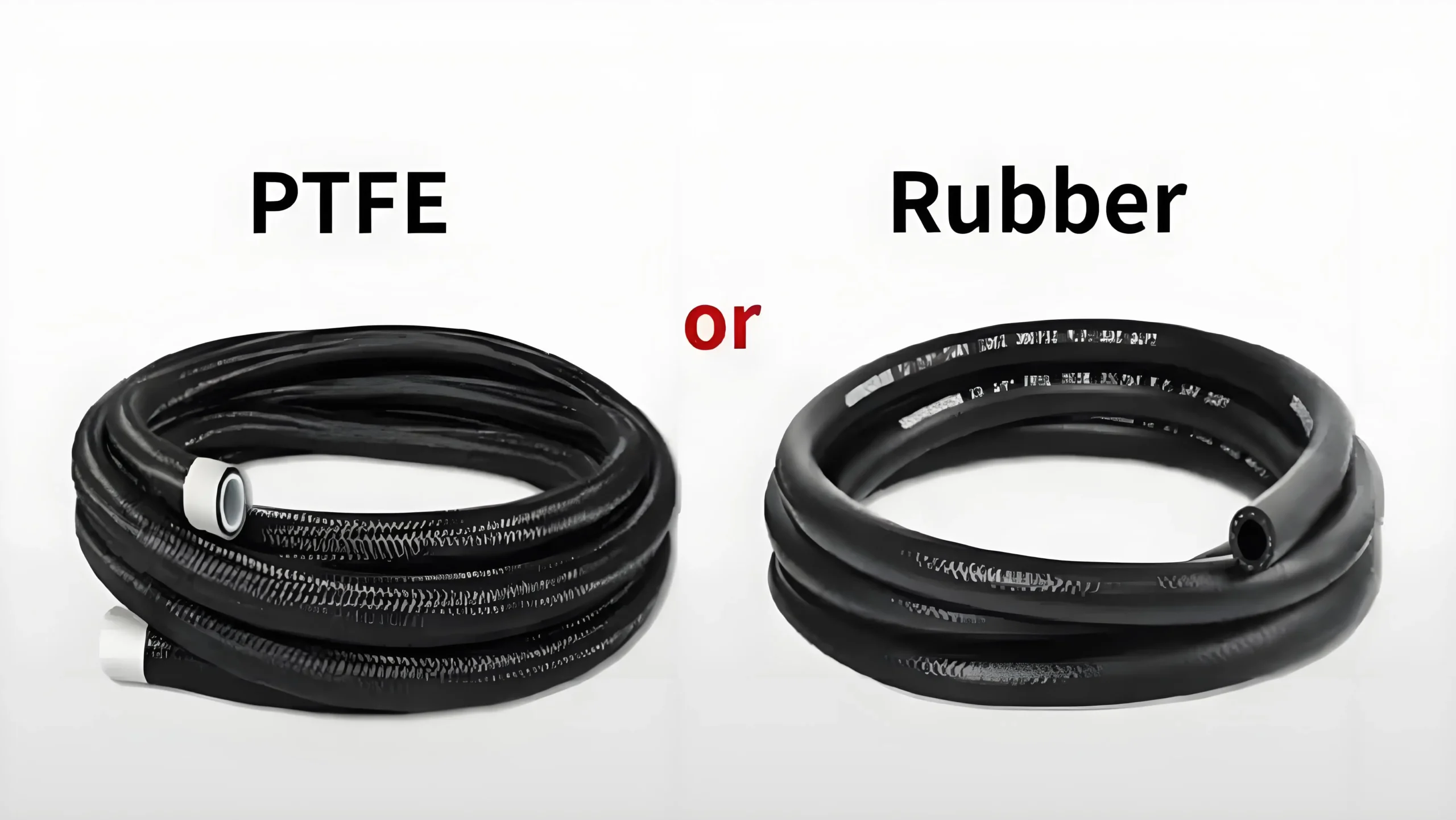
Hey there, if you’re tinkering with fuel systems or just trying to figure out what hose to slap on your ride or industrial setup, you’ve probably wondered about PTFE vs rubber hose. I mean, who hasn’t stared at a leaky fuel line and thought, “There’s gotta be something better out there?” Well, buckle up because we’re diving into a straight-up fuel hose comparison. We’ll chat about hose durability, pros, cons, and all that jazz to help you pick the right material for your fuel systems. As someone who’s been knee-deep in this stuff for years at Teflon X, I’ve seen firsthand how the wrong choice can turn a smooth operation into a headache.
Let’s keep it real – choosing between PTFE corrugated fuel hose and good ol’ rubber isn’t just about grabbing whatever’s cheapest at the store. It’s about what holds up under pressure, literally. PTFE, or polytetrafluoroethylene if you wanna get fancy (but we won’t), is that slick material you know from non-stick pans, but beefed up for heavy-duty jobs. Rubber hoses? They’re the classic go-to, flexible and affordable, but they have their limits. By the end of this, you’ll have the scoop to make a smart call, and hey, if you’re ready to upgrade, check out our PTFE Corrugated Fuel Hose for fuel systems over at Teflon X.
What Makes PTFE Corrugated Fuel Hose Stand Out?
Alright, let’s break down PTFE first. Picture this: a hose that’s corrugated, meaning it’s got those wavy ridges for extra bendiness without kinking. That’s key for fuel systems where space is tight and things move around. PTFE itself is a beast when it comes to resisting chemicals – we’re talking fuels, oils, even harsh stuff like acids that would eat through lesser materials.
From my experience working on custom fuel setups, PTFE hoses shine in extreme conditions. They handle temperatures from -70°C all the way up to +260°C without breaking a sweat. That’s huge for cars in freezing winters or scorching summers. Plus, they’re super durable; they don’t crack or degrade over time like some others. I’ve installed these in racing applications where rubber would’ve given out after a few hard runs.
One thing I love is how PTFE fights off permeation – that’s when fuel vapors sneak through the hose walls, causing smells or even safety issues. With PTFE, that barrier is tight, keeping everything where it should be. If you’re comparing material options for fuel systems, this is a game-changer for efficiency and safety.
Rubber Hoses: The Reliable Workhorse
Now, don’t get me wrong, rubber hoses aren’t slouches. They’ve been around forever for a reason. Made from stuff like EPDM or nitrile, they’re flexible, easy to install, and won’t empty your wallet. In everyday scenarios, like your standard car fuel line, rubber does the job just fine.
But here’s the rub (pun intended): rubber’s temperature range is narrower, typically -40°C to 120°C or so. Push it beyond that, and you might see swelling, cracking, or leaks. Chemical resistance? It’s decent for basic fuels, but throw in ethanol blends or aggressive additives, and it starts to wear down faster. I’ve seen rubber hoses in workshops that looked fine on the outside but were mushy inside after a couple years of exposure.
Still, for low-pressure systems or where cost is king, rubber’s your buddy. It’s forgiving during installation – bends easy without special tools. Just remember, in a fuel hose comparison, rubber might need replacing more often, which adds up over time.
PTFE vs Rubber Hose: A Side-by-Side Fuel Hose Comparison
To make this easier, let’s throw it into a table. Nothing beats visuals for spotting differences quick. This fuel hose comparison covers the biggies like durability, resistance, and more.

| Feature | PTFE Corrugated Fuel Hose | Rubber Hose |
|---|---|---|
| Temperature Range | -70°C to +260°C – handles extremes like a champ. | -40°C to 120°C – good for moderate climates but falters in heat or cold. |
| Chemical Resistance | Excellent against fuels, acids, alcohols; won’t degrade or permeate. | Decent for standard fuels, but swells with ethanol or chemicals. |
| Durability | High hose durability; resists abrasion, UV, and aging – lasts years longer. | Moderate; prone to cracking over time, especially in harsh environments. |
| Flexibility | Corrugated design bends tight without kinking; great for tight spaces. | Very flexible but can kink if bent too sharp. |
| Cost | Higher upfront, but saves on replacements. | Cheaper initially, but frequent swaps increase long-term costs. |
| Weight | Lighter, which helps in performance vehicles. | Heavier, but not a deal-breaker for most. |
See? PTFE edges out in most categories, especially hose durability. But rubber holds its own for simpler needs.
Hose Durability: Which One Lasts the Distance?
Diving deeper into hose durability – this is where PTFE really flexes. In my time at Teflon X, we’ve tested these in real-world fuel systems, and PTFE hoses can outlast rubber by 5-10 times in aggressive environments. Rubber might start showing wear after 2-3 years with constant fuel exposure, leading to brittle spots or leaks. PTFE? It’s inert, meaning it doesn’t react with stuff, so it stays strong.
Think about a client we had – anonymized, of course – running a fleet of delivery trucks. They switched to our PTFE Corrugated Fuel Hose after rubber lines kept failing in hot warehouses. Result? Downtime dropped by half, and maintenance costs plummeted. That’s the kind of unique edge PTFE brings to fuel systems.
Chemical Resistance Showdown
Fuel isn’t just gas anymore; modern blends have additives that chew up materials. PTFE’s non-reactive nature means it laughs off ethanol, biodiesel, you name it. Rubber? Not so much – it can absorb fluids, swell, and lose integrity. If your fuel system deals with varied fuels, PTFE is the safer pick to avoid surprises.
Temperature Tolerance Matters
Ever had a hose freeze up in winter or melt in engine heat? PTFE’s wide range (-76°F to 446°F in some specs) covers that. Rubber taps out quicker, which is fine for garage queens but not for daily drivers in tough spots.
Flexibility and Ease of Use
Both are flexible, but PTFE’s corrugations make it killer for routing in cramped engine bays. Rubber’s softer, but watch for kinks. Installation-wise, PTFE might need fittings, but it’s straightforward once you’re used to it.
Weighing the Costs
Yeah, PTFE costs more upfront – maybe 2-3 times rubber. But factor in longevity, and it pays off. One study from industrial sources shows reduced failure rates by up to 70% with PTFE in chemical handling. For fuel systems, that means fewer headaches and more uptime.
Real-Life Wins with PTFE in Fuel Systems
Let me share a couple stories without naming names. We had a racing team struggling with fuel delivery in high-heat races. Rubber hoses were permeating, causing vapor lock. Switched to Teflon X’s PTFE corrugated ones, and boom – consistent performance, no more DNFs. Another was an industrial pump setup where chemicals were eating rubber alive. Post-switch, they ran flawlessly for over five years, saving thousands.
These aren’t just tales; they’re from hands-on tweaks we’ve done. If you’re curious how PTFE Corrugated Fuel Hose for fuel systems could boost your setup, it’s worth a look.
Why PTFE Might Be Your Next Move for Better Fuel Systems
So, wrapping this up, in the PTFE vs rubber hose debate, PTFE often wins for demanding fuel systems thanks to superior hose durability and resistance. But if your needs are basic, rubber’s solid. The key is matching to your scenario – compare material options carefully.
Feeling pumped to upgrade? Head over to Teflon X at https://teflonx.com/ for more. Drop us a line at our contact page or email Allison.Ye@teflonx.com for a quote or chat. Let’s get your fuel system sorted – no pressure, just real help.

FAQ
Is PTFE hose really worth the extra cost over rubber for my car?
Totally depends on your ride. If you’re into performance or deal with biofuels, yeah, the durability pays off big time. For a daily commuter with regular gas, rubber might suffice, but PTFE gives peace of mind.
How do I know if my fuel system needs a corrugated hose?
If you’ve got tight bends or vibrations, corrugated like PTFE prevents kinks and lasts longer. Check your setup – if leaks or wear show up often, it’s time to consider an upgrade.
Can PTFE hoses handle all types of fuel?
Yup, from gasoline to diesel and ethanol mixes, PTFE’s chemical resistance is top-notch. Rubber can struggle with some additives, so PTFE’s safer for varied fuels.
What’s the lifespan difference in hose durability?
PTFE can last 5-10x longer in harsh conditions, based on real tests. Rubber might need swapping every few years, while PTFE pushes a decade or more.
