
 English
  Russian
  French
  German
  Japanese
  Korean
  Portuguese
  Arabic
  Italian
  Dutch
Dutch  Turkish
  Indonesian
  Polish
  Spanish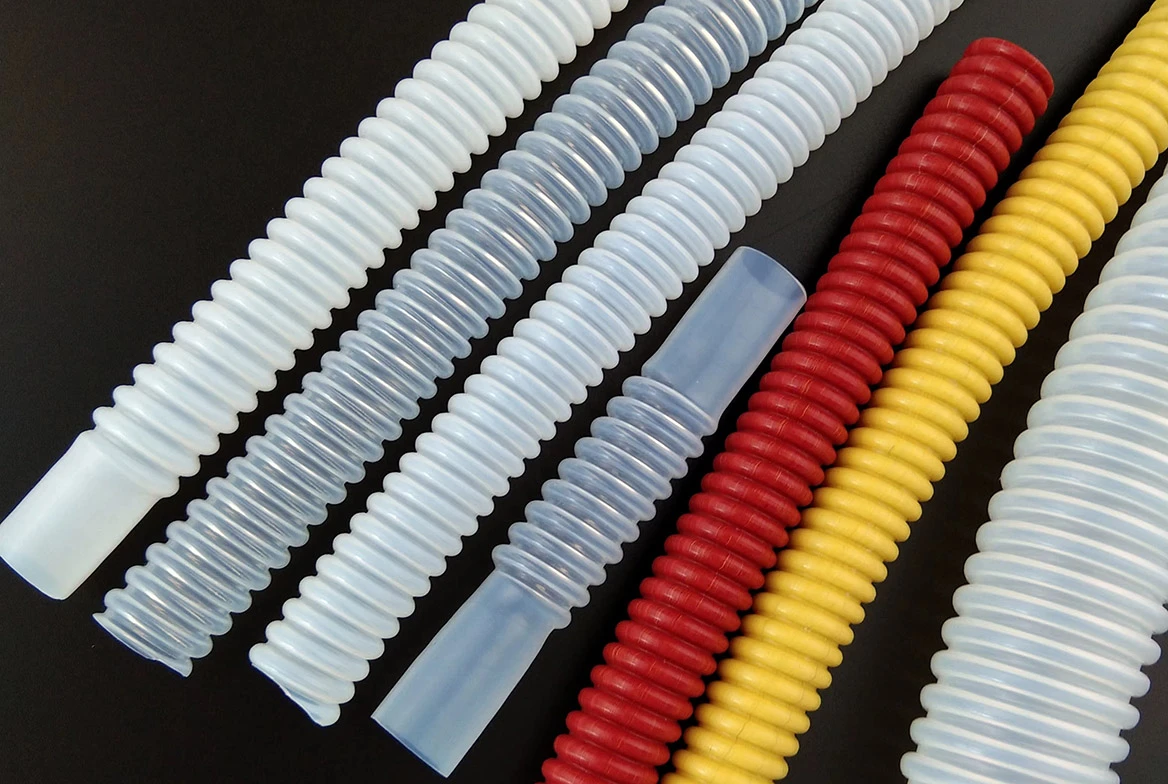
If you’re running a food or beverage plant, you know the drill – keeping everything spotless isn’t just nice, it’s a must. Contamination can shut things down quick, and nobody wants that headache. That’s where silicone covered PTFE hoses come in. They’re kinda the unsung heroes in a lot of facilities I’ve seen over the years.
These hoses have a tough PTFE core (that’s Teflon, basically) with a smooth silicone outer layer. The inside stays super clean because nothing sticks to PTFE, and the outside wipes down easy thanks to the silicone. No rough spots for dirt or bacteria to hide. I’ve chatted with plenty of hygiene supervisors who switched to these and said it cut their cleaning time way down.
Think about your daily washdowns. Traditional rubber hoses can get grimy fast, especially on the outside where they drag around the floor or bump into equipment. But with a smooth cover PTFE hose, it’s different. The silicone layer resists chemicals and heat, so aggressive cleaners don’t chew it up. Plus, it’s FDA-compliant under stuff like 21 CFR 177.2600, meaning it’s safe for food contact without leaching weird stuff into your products.
Why Food Plants Are Switching to Silicone Covered PTFE Hoses
Food processing isn’t gentle on equipment. You’ve got hot fills, cold storage, steam cleaning, and all sorts of acids or alkalis in CIP cycles. Regular hoses might hold up for a bit, but they degrade, crack, or harbor bacteria in tiny crevices.
Silicone covered ones? They handle temps from way below freezing up to around 260°C without batting an eye. The PTFE liner doesn’t react with pretty much anything – oils, flavors, cleaning agents. And that silicone cover makes external cleaning a breeze. It’s non-porous, so no absorbing gunk.
In one dairy setup I know of (keeping it anonymous, but real deal), they were battling recurring bacteria issues with old rubber hoses. Switched to these silicone covered PTFE versions, and their swab tests came back cleaner almost right away. Downtime for cleaning dropped noticeably too – we’re talking hours saved per week.
Another spot, a beverage bottler dealing with sticky syrups, found the smooth bore prevented buildup inside. Less residue means faster rinses and less water/chem usage. Good for the planet and the budget.
Key Benefits for Hygiene and Easy Cleaning
Let’s break it down a bit. Here’s a quick table comparing silicone covered PTFE hoses to common alternatives like plain rubber or basic silicone:
| Feature | Silicone Covered PTFE Hose | Rubber Hose | Plain Silicone Hose |
|---|---|---|---|
| Inner Surface | Ultra-smooth PTFE, non-stick | Can be porous, traps residue | Smooth but can swell with oils |
| Outer Cleaning | Silicone wipes clean easily, chemical resistant | Rough, absorbs dirt | Smooth but degrades faster with CIP |
| Temperature Range | -70°C to +260°C | Limited, often up to 150°C | Up to 200°C but softer |
| FDA/3-A Compliance | Yes, full food contact safe | Varies, some yes | Often yes, but less chem resistant |
| Bacteria Resistance | High, non-porous both in/out | Lower, crevices form over time | Good, but outer can crack |
| Lifespan in Harsh CIP | Long, resists aggressive cleaners | Shorter, swells or hardens | Medium, can leach in some cases |
From what I’ve seen, that combo of inner non-stick and outer easy-wipe is why these are favorites for sanitary washdown hose needs. They’re tough enough for drag-around use but hygienic like a cleanroom hose.
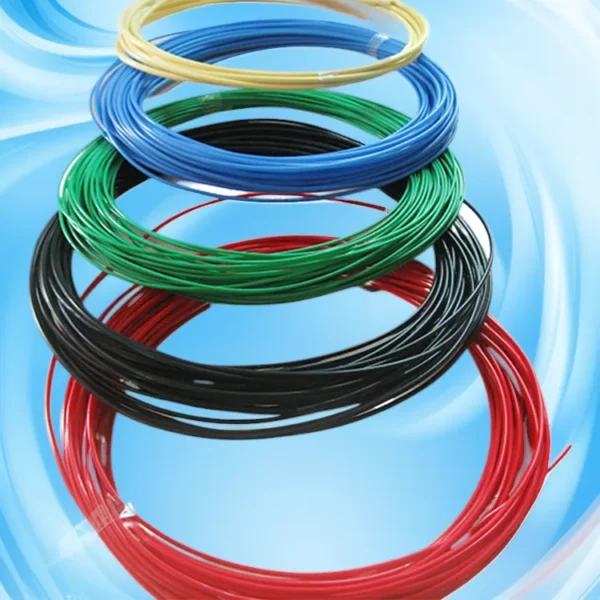
Low-Friction PTFE Tube | Energy-Efficient Material Transport Solutions
Low-friction PTFE tube reduces energy consumption by 20% in pneumatic conveying and fluid transfer systems. Its ultra-smooth surface (0.04 friction coefficient) prevents material buildup, ideal for powder handling and viscous liquids. Customize with anti-static coatings.
Real-World Wins with These Hoses
Over the years working with plants (yeah, including some we’ve supplied at Teflon X), the feedback’s consistent. One mid-sized juice processor was frustrated with hose failures during hot CIP at 120°C. Their old ones would kink or the covers peel. Went with our silicone covered options, and they lasted triple the time. Cleaning crews loved how quick external washdowns became – just hose off and done.
In a bigger dairy operation, they needed something for transferring creamy products without flavor carryover. The smooth cover PTFE hose kept things tasting fresh batch after batch. No off-notes from previous runs.
And for high-purity spots, like craft breweries or pharma-food crossovers, these act almost like a cleanroom hose – minimal particle shedding, easy sterilization.
How They Stack Up for Daily Operations
Cleaning protocols in food plants follow strict rules, like those from 3-A Sanitary Standards or FDA guidelines. These hoses fit right in because they’re designed for CIP (clean-in-place) and SIP (steam-in-place). The PTFE doesn’t break down under steam, and silicone outside holds up to hot water blasts.
No more scrubbing braided exteriors that trap milk stones or fruit pulp. Just smooth silicone that rinses clean. Plants report less water usage too, since rinses are faster.
If you’re dealing with viscous stuff – think yogurts, sauces, or even powders in suspension – the low-friction PTFE inner means better flow and less buildup.
Picking the Right One for Your Plant
Not all hoses are equal, obviously. Look for ones with stainless braid under the silicone for strength, but the cover protects the metal from corrosion and makes it safer to handle.
At Teflon X, we’ve got options like our PTFE Hose lines that can be customized with silicone covers. They’re built for exactly these scenarios – energy-efficient transfer with top hygiene.
If you’re tired of hoses that complicate your sanitation routine, maybe it’s time to upgrade.
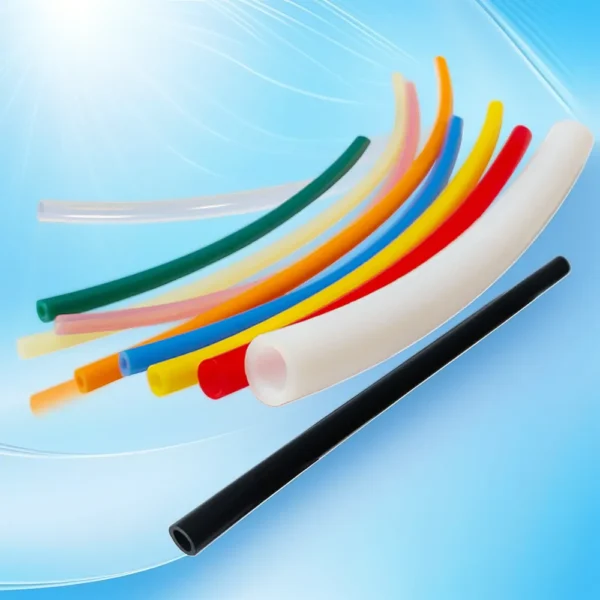
Heavy-Duty PTFE Lined Hose | Multi-Layer Teflon Tubing for Harsh Environments
Heavy-duty PTFE lined hose uses multi-layer construction for abrasion resistance in mining and chemical processing. The PTFE core resists UV degradation and oxidation, while outer braiding adds tensile strength. Service life exceeds 10 years under continuous use.
FAQs About Silicone Covered PTFE Hoses in Food Processing
Are silicone covered PTFE hoses really FDA approved for food contact?
Yeah, absolutely. The PTFE liner and platinum-cured silicone meet FDA 21 CFR 177.2600 for repeated food use. No toxic leach, odorless, tasteless.
How do they handle aggressive cleaning chemicals?
Way better than most. PTFE resists pretty much all acids, bases, solvents. Silicone cover shrugs off CIP agents without cracking or swelling.
Can these be used as a sanitary washdown hose in wet environments?
For sure. The smooth silicone exterior is perfect for washdowns – dirt doesn’t stick, and it dries quick, reducing slip risks too.
What’s the difference from a plain smooth cover PTFE hose?
The silicone adds external protection and easier cleaning outside, while keeping the killer non-stick PTFE inside. Best of both.
How long do they typically last in a food plant?
Depends on use, but often 3-5 times longer than rubber in harsh cycles. We’ve seen some go years with proper care.
If this sounds like what your plant needs, drop us a line at Teflon X. Check out more on our site https://teflonx.com/, or hit up the contact page https://teflonx.com/contact-us/ for a quote. Allison.Ye@teflonx.com is great for quick questions too.
We can chat about your specific setup and get you samples or specs. Easier cleaning means smoother runs – let’s make that happen.
