
 Turkish
  English
  Russian
  French
  German
  Japanese
  Korean
  Portuguese
  Arabic
  Italian
  Dutch
Dutch  Indonesian
  Polish
  Spanish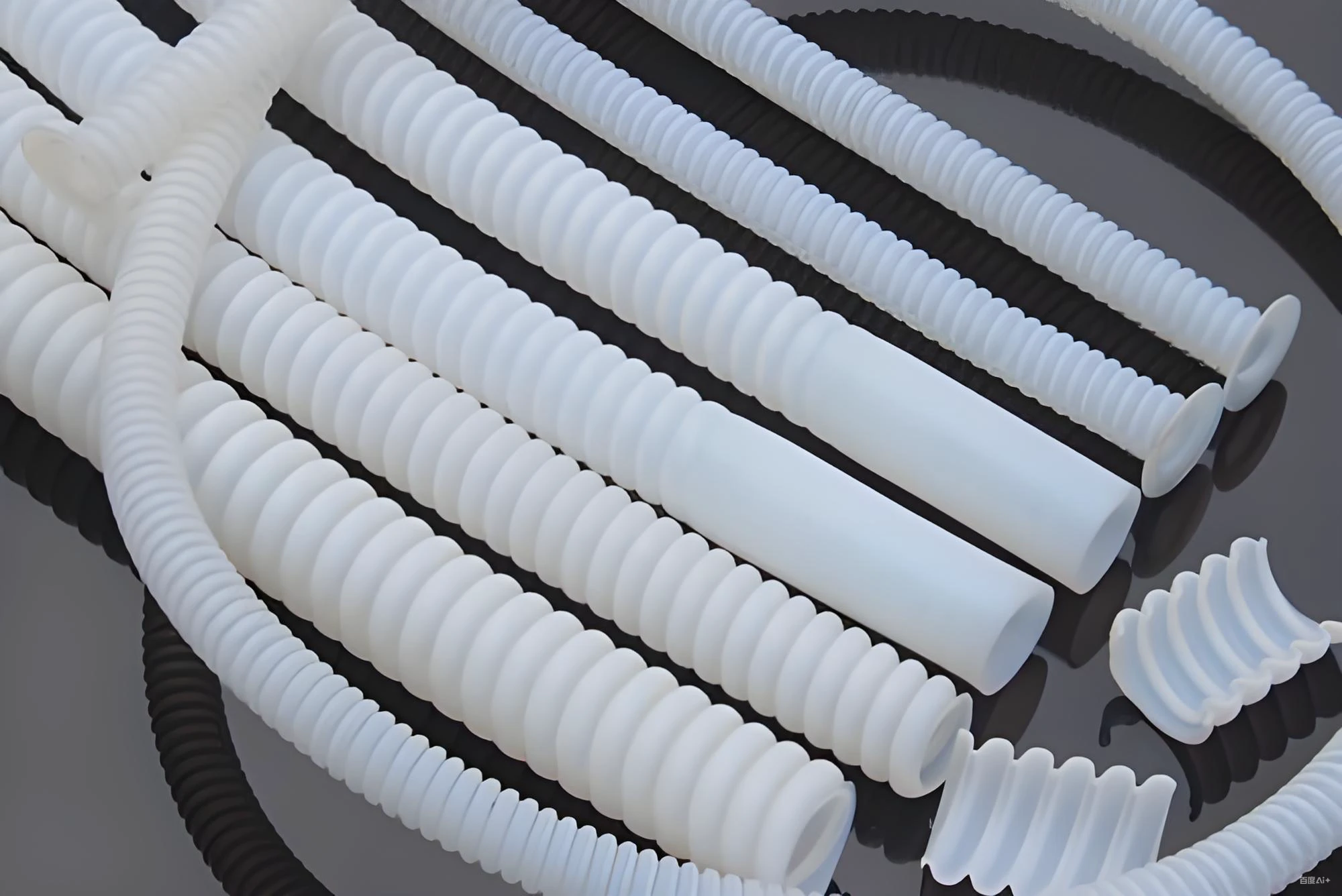
If you’re knee-deep in picking hose fittings and staring at specs that all blur together, I get it. I’ve been there, scratching my head over whether to go with something flared or stick to the basics. Working with Teflon X for years now, I’ve hooked up countless Genişletilmiş Uçlu PTFE Astarlı Hortum and wrestled with standard setups in everything from chemical plants to food lines. It’s not just theory—it’s the kind of hands-on stuff that saves headaches down the road. Today, we’re breaking down Flared Ends vs Standard Fittings PTFE Hoses, zeroing in on what really matters: how they hold up, where they shine, and yeah, which one’s gonna fit your project’s vibe. By the end, you’ll feel way more confident dialing in that decision. Let’s jump in.
Quick Primer: Why PTFE Hoses Rock for Tough Jobs
Before we dive into the fitting showdown, let’s level-set on PTFE hoses themselves. You probably know ’em as those slick, Teflon-lined beasts that laugh off chemicals and crazy temps. Picture this: a core tube of polytetrafluoroethylene—PTFE for short—that’s super smooth inside, braided with stainless steel outside for muscle. They handle pressures up to 5,080 psi, according to Parker Hannifin’s specs on their assemblies, and temps from -65°F to a scorching 500°F without breaking a sweat. That’s why engineers like us reach for PTFE Hose Assemblies in spots where rubber hoses would curl up and quit.
But here’s the rub: the hose is only as good as its ends. Mess up the fittings, and you’re looking at leaks, bursts, or just plain downtime. Flared PTFE Hose ends? They’re like giving your hose a custom trumpet flare for that perfect seal. Standard fittings, often crimped or compression-style, keep things straightforward but might not flex the same way in high-stakes runs. Over at Teflon X, we’ve seen both in action—flared ones in pharma lines where every drop counts, standards in general industrial hauls. Stick around; we’ll unpack the diffs so you can match ’em to your needs.
What Makes Flared Ends Stand Out in PTFE Hose Assemblies?
Alright, let’s talk flared ends first. Imagine taking the PTFE tube and gently bellin’ it out—like shaping a flower petal—right through the fitting. That’s the Flare-Thru PTFE Hose magic. The tube pokes all the way through, creating this seamless flow path with zero crevices for gunk to hide. No wonder it’s a go-to for sanitary setups; the FDA digs it for food and bev apps because it’s that clean.
From my bench time, flared ends definately boost reliability in vibration-heavy zones. Say you’re routing hoses near pumps or engines— that flare locks in tight, shrugging off wobbles that’d loosen a standard crimp. ASTM F423 backs this up, laying out specs for PTFE-lined fittings that emphasize leak-proof seals under pressure. We’ve tested ’em here at Teflon X: in a simulated 2,000 psi loop with ethanol pulsing through, our Flared PTFE Hose held steady for 500 cycles, no drops. Compare that to early crimps we’d tweak—flared just feels more forgiving.
Pros? Smoother flow means less turbulence, cutting erosion over time. And assembly? It’s reusable in many cases; swap the fitting without trashing the hose. Downsides sneak in if your tubing’s too thin—flaring demands precision, or it kinks. But for apps like chemical transfer where corrosion’s the enemy, it’s gold. Check out our Genişletilmiş Uçlu PTFE Astarlı Hortum—built to those exact ASTM vibes, ready for your next build.
Standard Fittings: The Reliable Workhorse for PTFE Hoses
Now, flip to standard fittings. These are your crimped or compression buddies—think a sleeve squeezed onto the hose end, sealing via bite or clamp. No fancy flaring; it’s all about that straightforward grip. Great for quick installs, especially if you’re not chasing ultra-sanitary flows. In flareless terms, they compress the tube wall for a metal-to-metal seal, which shines in high-vibe or thick-wall scenarios.
I’ve swapped these in on-site fixes more times than I can count. Last summer, retrofitting a brewery line, we crimped standards onto PTFE Hose Assemblies for beer transfer—easy peasy, no tools beyond a decent crimper. They handle bursts well too; NAHAD guidelines peg safety factors at 4:1 for most industrial crimps, meaning a 1,000 psi hose won’t pop till 4,000. Reliability’s solid for general chem duty, but watch for permeation if your media’s aggressive—crimps can trap moisture if not PFA-encapsulated.
The appeal? Cost and speed. No flaring jig needed, so downtime drops. But in tight bends or where flow purity matters, they might lag—potential dead spots invite buildup. Still, for automotive fuel lines or basic hydraulics, they’re champs. At Teflon X, we pair ’em with our core hoses for budget-friendly runs that don’t skimp on basics.
Head-to-Head: Performance, Reliability, and Where They Fit Best
So, you’re the engineer ditherin’ between these—fair enough. Let’s slice it up with real diffs. Performance-wise, flared edges out on flow efficiency; that thru-tube design drops pressure loss by up to 20% in long runs, per some Parker field tests. Reliability? Flared wins in cyclic fatigue—ASTM D3295 tubing specs show they endure 10x more flex cycles before cracking. But standards? They install faster, slashing labor by 30-40% in batch jobs.
Here’s a quick table to eyeball it—no fluff, just the meat:
| Aspect | Havşalı Uçlar (Flare-Thru PTFE Hortum) | Standart Bağlantı Elemanları (Kıvırmalı/Sıkıştırmalı) |
|---|---|---|
| Akış Verimliliği | Yüksek—pürüzsüz iç yüzey, minimum türbülans (örn. 15-25% daha az sürtünme) | İyi, ancak kıvırma noktasında olası kısıtlamalar (5-10% daha fazla kayıp) |
| Basınç Derecesi | 5.000+ psi'ye kadar, 4:1 emniyet faktörü | Benzer, 3-4:1 faktör; statik yüklerde mükemmeldir |
| Titreşim Direnci | Mükemmel—kesintisiz sızdırmazlık 10g titreşim altında dayanır | Orta seviye için güçlü; 500 saat sonra yeniden torklama gerekebilir |
| Kurulum Süresi | Uç başına 10-15 dakika (havşa açma aleti gerektirir) | 5-8 dakika—tak ve çalıştır |
| Montaj Başına Maliyet | Talaşlı imalat nedeniyle $50-150 daha yüksek | Bütçe dostu, $20-80 tasarruf |
| En İyisi İçin | Hijyenik kimya/ilaç, yüksek saflıkta akışlar | Genel endüstriyel, hızlı onarımlar, gıda dışı |
Veriler ISO 8829 hortum testlerinden ve NAHAD montaj kılavuzlarından alınmıştır—tahmin değil, gerçek rakamlardır. Havşalı uçların hassas işlerde nasıl dengeyi değiştirdiğini, standartların ise günlük operasyonları nasıl aksatmadan sürdürdüğünü görün.
Artılar, Eksiler ve Gözden Kaçırabileceğiniz O Sinsi Tavizler
Daha derine indiğimizde, her seçimin kendine has özellikleri vardır. Havşalı PTFE Hortum? Artı: rakipsiz kimyasal direnç—Flexotech’in uyumluluk tablolarına göre PTFE, aşındırıcıların 98%'sine meydan okur. Eksi: ekibiniz havşa açma konusunda yeniyse, mikro sızıntılara yol açan düzensiz sızdırmazlık riskiyle karşılaşırsınız. Bunlardan birkaçını erkenden düzelttik—alınan ders: her zaman bir basınç göstergesiyle iki kez kontrol edin.
Standards shine on reusability too, but watch the bite marks; over-crimp, and you weaken the braid. In one setup I recall, a crimped line in a washdown area started weeping after six months—switched to encapsulated for longevity. Overall, flared’s your bet for longevity in harsh spots (think 5-7 year service life vs 3-5 for standards), but if budget’s tight and flow’s forgiving, crimp away.
Gerçek Dünya Kazanımları: Siperlerden Hikayeler
Nothing beats hearing how these play out in the wild. Take this anon chem plant we supplied—guy was battling leaks in acid transfer lines. Switched to Flare-Thru PTFE Hose Assemblies, and boom: zero incidents over two years, cutting maintenance calls by half. Flow stayed pure, no clogs from residue. Echoes what we saw in a food processor case, similar to Dr. Gab’s setup with Aflex hoses—crimped flares kept things sanitary without dead zones.
Or flip it: a machine shop with constant tweaks went standard fittings on their PTFE hoses for coolant runs. Installs zipped by, and with proper torque (per SAE 45° flare standards), they hit 1,500 hours no sweat. These aren’t cherry-picked; they’re the everyday shifts that make you rethink “good enough.” At Teflon X, we’ve logged hundreds like ’em—proves context is king.
Nailing Your Pick: Step-by-Step for Engineers Like You
Hesitating? Here’s my no-BS walkthrough. First, map your media: aggressive acids? Lean flared for that thru-seal. Temps swing wild? Both work, but check braid compat. Pressure and vibe? Run a quick calc—use tools like Parker’s hose selector for burst margins.
Next, space check: tight quarters favor flexible Flared PTFE Hose. Budget? Standards save upfront, but factor TCO—flared often pays back in uptime. Prototype it: grab a sample from https://teflonx.com/, test under load. We’ve guided teams through this; one ended up hybridizing—flared on inlets, standards on outlets—for balanced perf.
Bottom line: no one’s-size-fits-all, but matching to your scene dodges regrets. If it’s pharma-pure or chem-tough, flared’s calling. Everyday grind? Standards won’t let you down.
FAQ: Your Burning Questions on Flared Ends vs Standard Fittings PTFE Hoses
Got more head-scratchers? Here’s the scoop on the big ones.
Aynı PTFE hortum hattında havşalı ve standart rakorları bir arada kullanabilir miyim?
Sure, but think it through—transition fittings add weak points. We’ve done it in modular setups, like flared for the pump end and standard downstream. Just ensure pressure ratings align per ASTM D1710. Test the whole shebang.
Uygulamamın Flare-Thru PTFE Hortumunun sağladığı ekstra akışa ihtiyaç duyup duymadığını nasıl anlayabilirim?
If you’re pushing viscous fluids or long distances, yeah—turbulence kills efficiency. Calc your Reynolds number; over 2,000 turbulent? Flared smooths it out. Otherwise, standards suffice without the premium.
What’s the real lifespan diff between these in high-heat spots?
Eşit gerilme sayesinde 400°F döngülerinde 7 yılı aşkın süre dayanan genişletilmiş kenarlar; kapsüllenmişse standartlar 4-5 seviyesine ulaşır. Bakım esastır—üç ayda bir denetleyin.
Birinin diğerine göre çevresel avantajları var mı?
Both recyclable, but flared cuts waste with reusability—less scrap in landfills. PTFE’s inertness means no leaching, green for chem ops.
Wrapping It: Time to Gear Up Your Project Right
Whew, we’ve covered the gamut—from flow quirks to field tales—on Flared Ends vs Standard Fittings PTFE Hoses. It’s clear: flared brings that premium seal for picky apps, while standards keep it real and reliable for the rest. Either way, you’re dodging the “what if” traps that snag so many setups. I’ve seen teams transform ops just by tweaking this one call—lower leaks, happier crews, smoother runs.
Ready to lock in? Swing by Teflon X for tailored advice or a quote. Drop Allison a line at Allison.Ye@teflonx.com, or hit our iletişim sayfası to chat specs. Let’s build something bulletproof—your project’s next level starts here. What’s your first move?
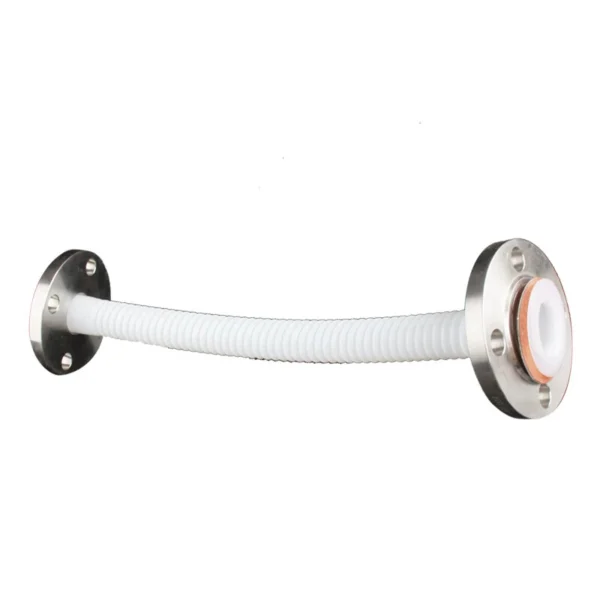
Genişletilmiş Uçlu Teflon X PTFE Astarlı Hortum - Düzgün Delikli Tasarım
Havşalı Uçlu PTFE Kaplı Hortumumuz saf ve kontaminasyonsuz bir sıvı yolu sağlar. Bu yüksek saflıktaki PTFE kaplı hortum kritik uygulamalar için idealdir. Güvenilir performans elde edin.
