
 Turkish
  English
  Russian
  French
  German
  Japanese
  Korean
  Portuguese
  Arabic
  Italian
  Dutch
Dutch  Indonesian
  Polish
  Spanish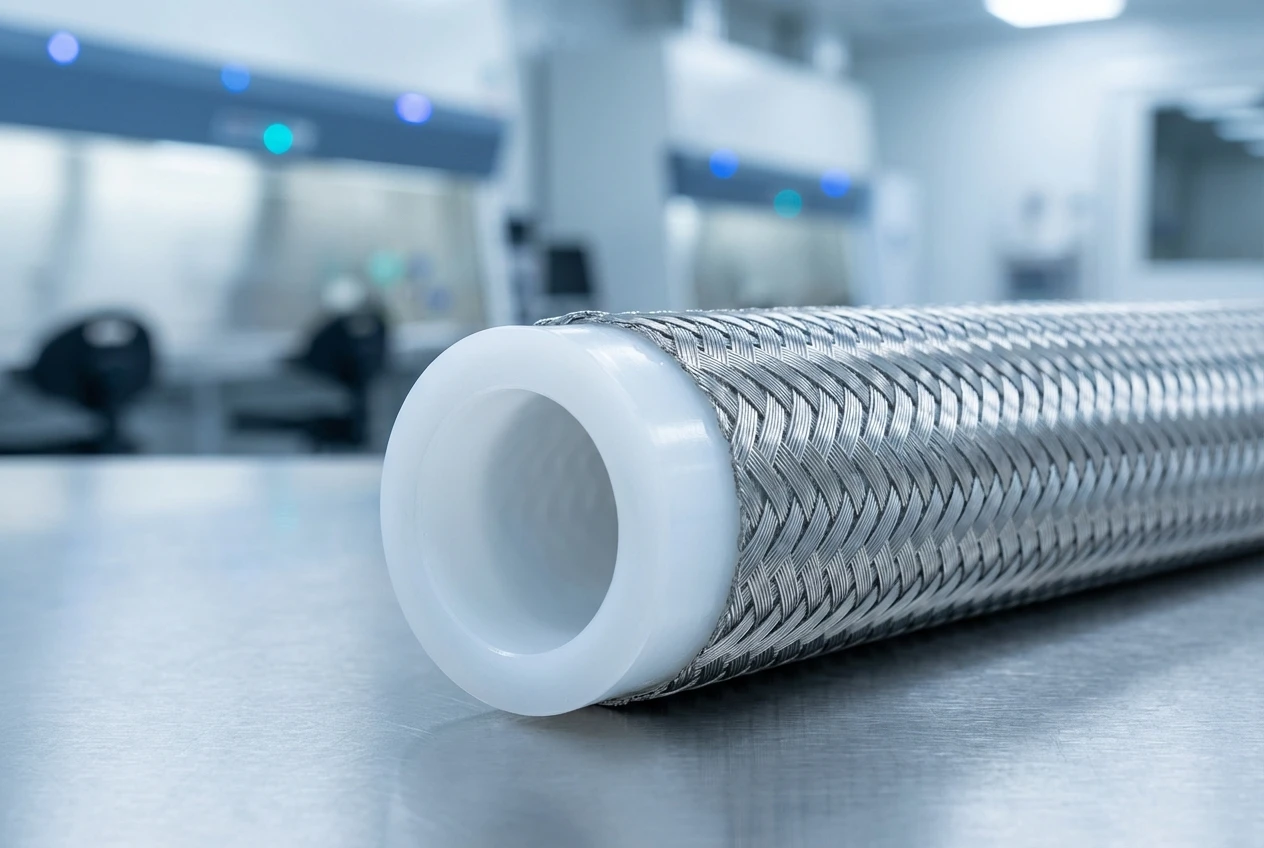
Bakın, bir fabrikada yöneticiyseniz veya bir yarı iletken tesisinde tesis mühendisliğiyle ilgileniyorsanız, verimlilik oranlarının ne kadar stresli olduğunu size anlatmama gerek yok. Partikül sayıları yüzünden uykularınız kaçıyor. Ultra Saf Su (UPW) döngüsüne sızan metal iyonları konusunda endişeleniyorsunuz. Trilyonda bir (ppt) seviyesindeki kontaminasyonda yaşanan tek bir artışla, aniden milyonlarca dolarlık plakalar (wafer) esasen çöp olur.
Bu sektörde, insanların hortum gibi 'ikincil' bileşenlerden tasarruf etmeye çalıştığını ve ardından aşındırma işlemi sırasında bunun bedelini on katıyla ödediğini görecek kadar uzun süredir bulunuyorum. Bugün, sıradan borulardan bahsetmiyoruz. Kimyasal dağıtım sisteminizin can damarından bahsediyoruz: PTFE kaplı hortumlar.
Şu anda Teflon X, 28nm düğümlerden 3nm'ye geçişi gördük. Hata toleransı mı? Temelde sıfır. Bu nedenle, hortum malzemesi seçiminizin neden sandığınızdan daha önemli olduğu ve PTFE'nin (Politetrafloroetilen) neden temiz odanın süper kahramanı olduğu konusunda gerçekçi olalım.
Yarı İletken Üretimindeki 'Sessiz Katil'
Durum şu: Bir sistemden Hidroflorik (HF) veya Sülfürik asit gibi aşındırıcı asitleri, hatta sadece 18,2 mega-ohm UPW pompaladığımızda, sıvı açtır. Dokunduğu her şeyi yemek ister.
Eğer yanlış uygulamada düşük dereceli PFA veya, Allah korusun, standart paslanmaz çelik kullanıyorsanız, o sıvı iyonları doğrudan boru duvarından söküp alacaktır. Biz buna 'sızıntı' (leaching) diyoruz.
İçinde yarı iletken üretimi, sızıntı sessiz katildir. Onu çıplak gözle göremezsiniz. Ancak hatalar birikmeye başladığında, verimlilik yönetimi yazılımınız bunu kesinlikle görecektir.
Pürüzsüzlük Neden Her Şeydir
Bir hortumun iç yüzeyi sadece bir duvar değil, bir manzaradır. Mikroskop altında, ucuz borular Rocky Dağları gibi görünür. Bu tepeler ve vadiler; bakteriler, partiküller ve temizleme döngüsü sırasında dışarı atılamayan kimyasal kalıntılar için mükemmel saklanma yerleridir.
Ra (Aritmetik Ortalama Pürüzlülük) ile ölçülen yüzey pürüzlülüğüne büyük önem veriyoruz. Üst düzey yarı iletken uygulamaları için inanılmaz derecede düşük bir Ra değerine ihtiyacınız vardır.
Mantık:
- Daha düşük Ra = Daha pürüzsüz yüzey.
- Daha pürüzsüz yüzey = Kimyasalların tutunabileceği daha az yüzey alanı.
- Daha az tutunma = Daha az sızıntı ve sıfır partikül hapsolması.
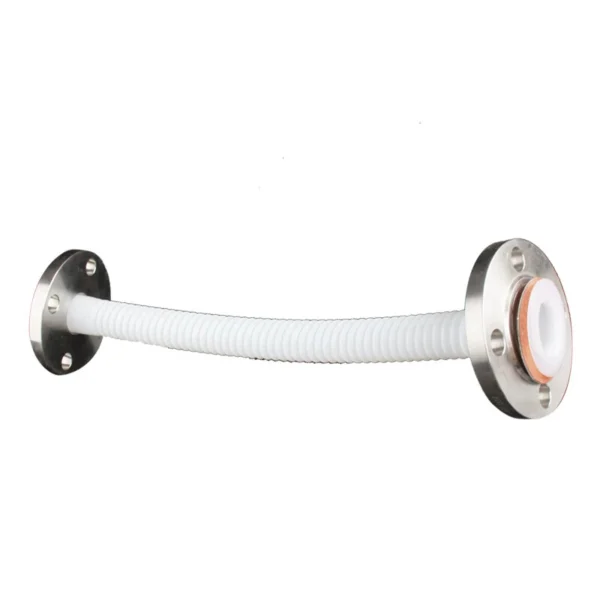
Genişletilmiş Uçlu Teflon X PTFE Astarlı Hortum - Düzgün Delikli Tasarım
Havşalı Uçlu PTFE Kaplı Hortumumuz saf ve kontaminasyonsuz bir sıvı yolu sağlar. Bu yüksek saflıktaki PTFE kaplı hortum kritik uygulamalar için idealdir. Güvenilir performans elde edin.
Kimyasal Direnç: PTFE Süper Gücü
Bir an için teknik konulara girelim ama basit tutalım. PTFE'deki Karbon-Flor bağı, organik kimyadaki en güçlü bağlardan biridir. İnatçı bir bağdır. Kopmak istemez.
Bu yüzden PTFE kaplı hortumlar böylesine muazzam bir performans sunar kimyasal direnç. İster Piranha aşındırma (Sülfürik Asit + Hidrojen Peroksit) ister BOE (Tamponlanmış Oksit Aşındırma) uyguluyor olun, yüksek kaliteli bir PTFE kaplama kalkan görevi görür.
Birkaç yıl önce Tayvan'da bir fabrikayı (fab) ziyaret ettiğimi hatırlıyorum. Kullandıkları solvent astarın şişmesine neden olduğu için her üç ayda bir hortumları değiştiriyorlardı. Şişme, akış hızını ve basıncı değiştirir; tam bir kabustur. Onları yüksek yoğunluklu, macun ekstrüzyonlu bir PTFE astar ile değiştirdik. En son kontrol ettiğimde? O hortumları iki yıldır değiştirmemişlerdi.
Malzeme Karşılaştırması: Kim Kazanır?
Herkes bana, "Neden her şey için sadece 316L Paslanmaz Çelik kullanmıyoruz?" diye soruyor. Paslanmaz çelik harikadır, ancak klorür iyonlarından nefret eder. HF onu kahvaltı niyetine bitirir.
İşte floropolimerlere neden yöneldiğimizin bir dökümü:
| Özellik | Paslanmaz Çelik 316L | PVDF (Kynar) | PTFE (Teflon X) |
|---|---|---|---|
| Asit Direnci (HF) | Zayıf (Korozyona Uğrar) | İyi | Harika |
| Solvent Direnci | Harika | Adil | Harika |
| Sıcaklık Aralığı | Yüksek (>500°C) | Orta (~150°C) | Yüksek (~260°C) |
| Esneklik | Düşük | Düşük (Sert) | Yüksek (Örgülü) |
| Yüzey Pürüzsüzlüğü | Elektropolisajlı (İyi) | Ekstrüde (İyi) | Macun Ekstrüzyonlu (Üstün) |
| İyon Sızıntı Riski | Yüksek (Metal İyonları) | Düşük | Sıfıra Yakın |
Örüntüyü görüyor musunuz? Karma kullanımlı kimyasal dağıtım sistemleri (CDS) için PTFE, genellikle tüm kriterleri karşılayan tek malzemedir.
Akış Fiziği: Basınç Düşüşünü İhmal Etmeyin
Pekala, size biraz matematik sunacağım. Endişelenmeyin, bu faydalı bir bilgi.
Bir ekipman bağlantısı tasarlarken, pompanın hortum uzunluğunu kaldırıp kaldıramayacağını bilmeniz gerekir. PTFE pürüzsüzdür ve bu yardımcı olur; ancak akış hızınızın dağıtım nozulunda sabit kalmasını sağlamak için yine de basınç düşüşünü (Delta P) hesaplamanız gerekir.
Bunun için genellikle Darcy-Weisbach denklemini kullanıyoruz. Burada gelişmiş LaTeX kullanamadığım için, hesaplamalarınızda kullanabileceğiniz düz metin versiyonu aşağıdadır:
Basınç Düşüşü Formülü:
Delta_P = f * (L / D) * (rho * V^2) / 2
Nerede?
- Delta_P: Basınç Düşüşü (Pa)
- f: Darcy sürtünme faktörü (boyutsuz – PTFE için düşüktür!)
- L: Hortum uzunluğu (m)
- D: Hortumun iç çapı (m)
- rho: Akışkan yoğunluğu (kg/m^3)
- V: Akış hızı (m/s)
Bu neden önemlidir:
Hortum iç çapınızı (ID) gereğinden küçük seçerseniz, ‘V’ artar. Formülde ‘V’nin karesi alındığı için basınç düşüşünüz tavan yapar. Bu durum kavitasyona veya içinde mikro kabarcıklara neden olur ultra saf su sistemleri, bu durum plaka (wafer) işleme için kesinlikle kabul edilemez.
Kararsız kalırsanız, iç çapı (ID) her zaman biraz büyük tutun. Bu, hızı düşük ve akışı laminer tutar.

Anti-Statik PTFE Örgülü Hortum – Paslanmaz Çelik Örgülü Esnek Gaz Hattı
Bizim anti-statik PTFE örgülü hortum için idealdir esnek gaz hattı uygulamalar. Paslanmaz çelikle güçlendirilmiş bu örgülü yakıt hattı dayanıklılık ve güvenliği garanti eder. iletken örgülü tüp statik elektriği dağıtır, tehlikeli ortamlar için mükemmeldir. Mükemmeldir paslanmaz çelik örgülü teflon hortum seçenek.
Gerçek Dünyadan Bir Baş Ağrısı: “Geçirgenlik” Sorunu
İşte birçok tedarikçinin size söylemeyeceği bir şey: PTFE büyüleyicidir ancak kusursuz değildir. Şu sorundan muzdariptir: geçirgenlik.
Gaz molekülleri (HCl buharı gibi) aslında hareket edebilir içinden zamanla plastik duvarın içinden geçebilir. İnce PTFE astarlı standart bir kauçuk hortum kullanırsanız, bu gaz astardan geçer, kauçuğa veya paslanmaz çelik örgüye çarpar ve hortumu şuradan aşındırmaya başlar: içten dışa.
Asit buharının astara nüfuz etmesi nedeniyle paslanmaz çelik örgülerin pas tozuna dönüştüğünü gördüm.
Teflon X'te bunu nasıl çözüyoruz:
PTFE'nin kristalliğini artırmak için özel üretim teknikleri kullanıyoruz.
- Daha Yüksek Kristallik = Daha yoğun yapı.
- Daha Yoğun Yapı = Gaz moleküllerinin aradan sızması daha zordur.
Ayrıca, pompaladığınız kimyasalın molekül boyutuna bağlı olarak belirli kalınlık dereceleri öneriyoruz. Hangi kalınlığa ihtiyacınız olduğundan emin değilseniz, şu adrese bir e-posta göndermeniz yeterlidir: Allison.Ye@teflonx.com. Ciddiyim, bu konuda tahmin yürütmeyin.
Temiz Oda Standartları ve “İlk Yıkama”
“Temiz” bir hortum satın alırsınız. Monte edersiniz. Partikül sayacınız kontrolden çıkar. Ne oldu?
Bir hortumun temiz malzemeden yapılmış olması, şu anlama gelmez: içeride temizdir. Fabrika tozu, ekstrüzyon yağları veya kesme kalıntıları orada sıkışmış olabilir.
Şu anda Teflon X, yıkama sürecini dini bir ritüel gibi ele alıyoruz. DI su (Deiyonize Su) durulamaları kullanıyoruz ve her şeyi Sınıf 1000 temiz oda ortamlarında paketliyoruz.
Ancak deneyimden gelen bir ipucu: Üretime başlamadan önce hatlarınızı daima yıkayın.
Mümkünse yeni döngüden en az 24 saat boyunca UPW geçirin. TOC (Toplam Organik Karbon) ve özdirenci ölçün. Yalnızca özdirenç o sihirli 18,2 M-ohm-cm değerine ulaştığında aletin vanasını açın.
Kurulum: Hortumu Bükmeyin!
Bunu söylerken kendimi bozuk bir plak gibi hissediyorum ancak arızaların 'si kurulum aşamasında meydana gelir.
PTFE dayanıklıdır ancak 'Minimum Bükülme Yarıçapı'nı aşarsanız iç kaplamayı bükersiniz. Bükülme bir stres noktasıdır. Zamanla, termal döngüyle (sıcak su, soğuk kimyasallar) bu stres noktası bir çatlağa dönüşür.
Altın Kural:
Katalog Bükülme Yarıçapının 5 inç olduğunu söylüyorsa, onu 4 inçlik bir döngüye zorlamaya çalışmayın. Bugün iyi görünebilir ancak üç ay içinde bir sızıntı yaşarsınız.
Ayrıca 'Tork bükülmesine' dikkat edin. Rakoru (JIC, NPT veya Flare) sıkarken hortumun kendisini bükmediğinizden emin olun. Basınç altındaki bükülmüş bir hortum, saatli bir bombadır. İki anahtar kullanın; biri hortumu tutmak için, diğeri somunu çevirmek için.
Vaka Çalışması: Mantık Çipi Üreticisi
Kısa bir hikaye paylaşayım (isimler gizlilik sözleşmesi nedeniyle çıkarılmıştır).
Akıllı telefonlar için mantık çipleri üreten bir müşterimiz vardı. Islak tezgah temizleme süreçlerinde rastgele verim düşüşleri görüyorlardı. Bunun izini sürerek eser miktarda Demir (Fe) ve Krom (Cr) tespit ettiler.
Tanklarını kontrol ettiler. Temiz.
Filtrelerini kontrol ettiler. Temiz.
Şunları kontrol ettiler: PTFE kaplı hortumlar.
Anlaşıldı ki, statik birikmeyi önlemek için 'iletken siyah' PTFE iç kaplama kullanan bir rakip hortum kullanıyorlarmış. Bu kaplamadaki karbon siyahı dolgu maddesi yüksek saflıkta değildi. Agresif kimya, karbon dolgunun kendisinden metalleri süzüyordu.
Çözüm:
Onları şuna geçirdik: Teflon X tüm iç kaplama boyunca kirli karbonu karıştırmak yerine özel, ultra saf bir karbon şeritleme yöntemi kullanan yüksek saflıkta PFA/PTFE iletken hortumlar.
Sonuç:
Demir seviyeleri tespit limitlerinin altına düştü. Verim normale döndü. Bu hortum değişiminin yatırım getirisi (ROI) günler değil, saatler içinde hesaplandı.
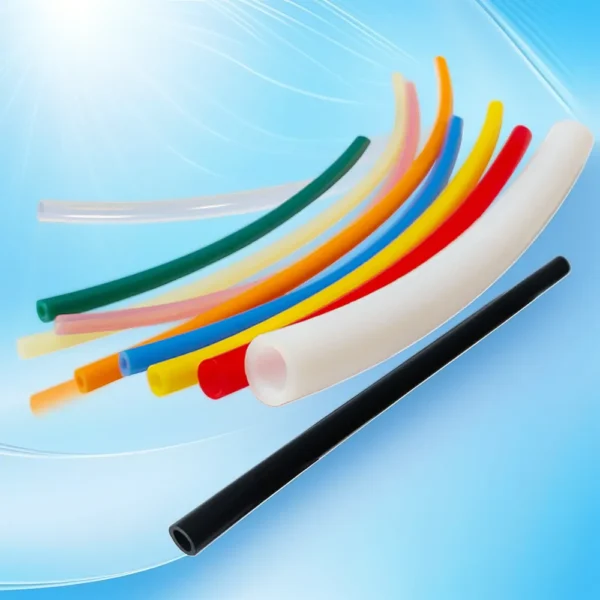
Ağır Hizmet Tipi PTFE Kaplamalı Hortum | Zorlu Ortamlar İçin Çok Katmanlı Teflon Boru
Ağır hizmet tipi PTFE astarlı hortum, madencilik ve kimyasal işlemede aşınma direnci için çok katmanlı yapı kullanır. PTFE çekirdek UV bozulmasına ve oksidasyona karşı direnç gösterirken, dış örgü çekme mukavemeti ekler. Sürekli kullanımda hizmet ömrü 10 yılı aşar.
Doğru Bağlantı Parçalarını Seçmek
Hortum, mücadelenin sadece yarısıdır. Bağlantı noktası genellikle zayıf halkadır.
Yarı iletken uygulamaları için, mümkünse standart NPT dişleri kullanmayı bırakın. NPT, bakterilerin ürediği hapsolma bölgeleri (ölü bölgeler) oluşturur.
Önerilen Bağlantı Parçaları:
- Flare Bağlantı Parçaları: Bunlar, PTFE astarı bağlantı parçasının yüzeyi üzerine genişletir. Akışkan sadece PTFE ile temas eder. Metal teması yoktur. PFA borular için mükemmeldir ve PTFE kaplı hortumlar.
- Sıhhi Tri-Clamp: Daha geniş çaplı hatlar için idealdir. Temizlemesi kolaydır.
- Camlock (PTFE Astarlı): Dökme transfer için iyidir, ancak contanın kimyasal olarak uyumlu olduğundan emin olun.
Eğer şuna bakarsanız ürün kategorisi, pürüzsüz ve kesintisiz akış yolunu koruyan bağlantılara öncelik verdiğimizi göreceksiniz.
Neden "Yeterince İyi", Yeterince İyi Değildir?
Diğer sektörlerde belki sıradan bir hortumla işi kurtarabilirsiniz. "Su sızdırmıyor, değil mi?"
Ancak yarı iletken (Semi) sektöründe "yeterince iyi" kovulmanıza neden olur. Düğümler küçüldükçe (yakında Angstrom çağından bahsediyor olacağız), kontaminasyona karşı hassasiyet katlanarak artar.
Sadece bir tedarikçiye değil, bir ortağa ihtiyacınız var. Zeta Potansiyelini anlayan, hidrofobik bir yüzeyin akış dinamikleri üzerindeki etkisini bilen ve TOC seviyeleriniz yükseldiğinde bunu gerçekten önemseyen birine ihtiyacınız var.
Şu anda Teflon X, biz sadece plastik tüpler satmıyoruz. Biz süreç bütünlüğü satıyoruz.
SSS: Bize Sıkça Sorulan Sorular
S1: PTFE hortumlar yüksek sıcaklıktaki sülfürik aside dayanıklı mıdır?
Kesinlikle. PTFE, 260°C (500°F) sıcaklığa kadar derecelendirilmiştir. Ancak, bu sıcaklıktaki basınç değerini kontrol etmeniz gerekir. Isı arttıkça basınç kapasitesi düşer. Bunu güvenli bir şekilde hesaplamanıza yardımcı olmak için kapasite düşürme çizelgeleri sunuyoruz.
S2: İletken ve iletken olmayan PTFE astarlar arasındaki fark nedir?
Harika bir soru. İletken olmayan akışkanları (solventler veya yakıtlar gibi) yüksek hızda pompalıyorsanız, statik elektrik birikir. Ark oluşursa, iç kaplamada iğne deliği büyüklüğünde bir delik açabilir (buna statik deşarj diyoruz). Bu akışkanlar için, mutlaka yükü topraklamak için iletken (siyah astarlı) bir hortum kullanmalısınız. UPW için, maksimum saflığı sağlamak adına genellikle standart iletken olmayan (beyaz) tercih edilir.
S3: Kimyasal hortumlarımızı ne sıklıkla değiştirmeliyiz?
Kimyasala bağlıdır. Zararsız UPW (Saf Su) için yıllarca dayanabilirler. Sıcak HF veya Ozon için, genellikle her 6-12 ayda bir kontrol içeren koruyucu bir bakım programı öneriyoruz. Sızıntı olmasını beklemeyin. Dış örgüde korozyon görülürse veya hortum esnekliğini kaybederse, derhal değiştirin.
S4: Özel uzunluklar ve bağlantı parçaları sunuyor musunuz?
Evet, uzmanlık alanımız budur. Fabrika yardımcı tesisat döngülerinde, tek bir ölçü her duruma uymaz. İhtiyacınız olan özel havşa veya flanş ile tam istediğiniz uzunlukta montajlar üretiyoruz.
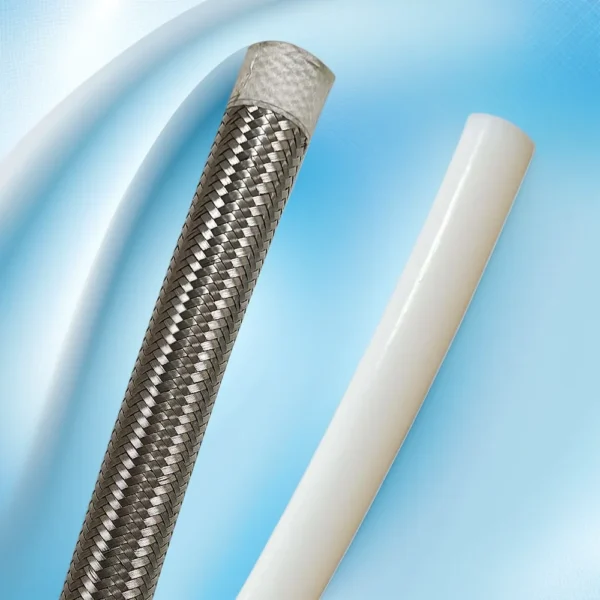
Paslanmaz Çelik Örgülü Teflon Hortum | Yüksek Basınçlı PTFE Kaplı Boru
Paslanmaz çelik örgülü PTFE hortum, üstün kimyasal eylemsizliği güçlendirilmiş mekanik dayanıklılıkla bir araya getirir ve yüksek basınçlı hidrolik sistemler ve havacılık soğutma hatları için idealdir. PTFE iç katman asitlere, alkalilere ve çözücülere karşı direnç gösterirken, metal örgü dayanıklılığı 1,6 MPa'ya kadar artırır. Esnek kurulum için ID 1–200 mm olarak mevcuttur.
Sürecinizi Güvene Almaya Hazır mısınız?
$100'lük bir hortumun $100.000'lik bir gofret (wafer) lotunu mahvetmesine izin vermeyin. Bu riske girmeye değmez.
İster eski bir fabrikayı modernize ediyor olun, ister sıfırdan yeni bir temiz oda inşa ediyor olun, sıvı transfer ihtiyaçlarınız hakkında konuşalım. Sıfır kontaminasyon sağlamak için doğru çapı, doğru iç kaplama kalınlığını ve doğru bağlantı parçalarını seçmenize yardımcı olabiliriz.
Tüm ürün yelpazemize göz atın: PTFE Tüpler burada.
Zorlu bir kimyasal uygulamanız mı var? Teknik özellikleri doğrudan bana şu adresten gönderin: Allison.Ye@teflonx.com. Veya yaptıklarımız hakkında daha fazla bilgi edinmek isterseniz, şu adresi ziyaret edin: Bize Ulaşın sayfa.
Partikül sayılarını düşük, verimliliği yüksek tutalım.
