
 Turkish
  English
  Russian
  French
  German
  Japanese
  Korean
  Portuguese
  Arabic
  Italian
  Dutch
Dutch  Indonesian
  Polish
  Spanish
Bakın, eğer yeni enerji Ar-Ge alanında, özellikle PEM (Proton Değişim Membranı) yakıt hücreleri ile çalışıyorsanız, bu zorluğu bilirsiniz. Harika bir yığın oluşturursunuz, CAD modelinde her şey mükemmel görünür ve ardından test tezgahına geçersiniz.
Basınç düşüşü.
Hidrojen sızıyor. Tekrar.
Evrendeki en küçük moleküldür. Dışarı çıkmak ister. Eğer hala standart kauçuk elastomerler veya ucuz sızdırmazlık çözümleri kullanıyorsanız, dışarı çıkacaktır. Mühendislik ekibinin hidrojen gazının 'sızdırmazlığını' hafife alması nedeniyle projelerin aylarca ertelendiğini gördüm.
Bugün sizlere nedenini anlatacağım hidrojen yakıt hücreleri için PTFE contalar uzun vadeli dayanıklılık için neredeyse tek ciddi seçenektir. Kimyaya, 'akma' (creep) sorunlarına (ve bunların nasıl giderileceğine) değineceğiz ve bazı gerçek verilere bakacağız. Gereksiz laf kalabalığı yok, sadece işe yarayanlar var.
Görünmez Düşman: Hidrojen Geçirgenliğini Anlamak
Hakkında konuşmadan önce Teflon X, gazın kendisi hakkında konuşmalıyız. Hidrojen ($H_2$) yanıltıcıdır. Sadece boşluklardan sızmaz; nüfuz eder içinden malzemenin kendisinden.
Kauçuk bir sızdırmazlık elemanını sünger gibi düşünün. Su için katı görünür. Hidrojen için ise o kauçuk, tel örgü gibi görünür. Hidrojen molekülleri polimer zincirlerinin arasından süzülüp geçer.
İşte sızdırmazlık bütünlüğünü hesaplarken kullandığımız temel geçirgenlik matematiği. Bunu doğrudan notlarınıza kopyalayabilmeniz için burada karmaşık kodlar kullanmıyorum:
Geçirgenlik Akısı (J) = P * (p1 – p2) / d
Nerede?
- J akıdır (içinden geçen gaz miktarı).
- P malzemenin Geçirgenlik Katsayısıdır.
- p1 – p2 sızdırmazlık elemanı boyunca oluşan basınç farkıdır.
- d sızdırmazlık elemanının kalınlığıdır.
Buradaki asıl zorluk şudur: P (Geçirgenlik). Çoğu elastomer hidrojen için yüksek bir P değerine sahiptir. Ancak PTFE, çok daha yoğun bir moleküler yapıya sahiptir. Karbon-Flor bağı, organik kimyadaki en güçlü bağlardan biridir ve bu zincirlerin bir araya gelme şekli, hidrojenin aradan sızmasını inanılmaz derecede zorlaştırır.
Bunu şurada test ettiğimizde: Teflon X, tutarlı bir şekilde şunu görüyoruz: PTFE contalar standart silikonlardan veya EPDM'den mertebelerce daha düşük geçirgenlik oranları sunar.

Küresel Vanalar için Yüksek Sıcaklık PTFE Conta | Teflon Sızdırmazlık Halkası ve Sac Çözümleri
PTFE conta (Teflon conta), küresel vana sızdırmazlık sistemleri için olağanüstü kimyasal direnç sağlar. Yüksek basınçlı aşındırıcı ortamlar için tasarlanan bu PTFE contalar, 260°C'de bütünlüğünü korur. Petrokimya tesislerinde PTFE küresel vana contaları olarak idealdir. PTFE conta levhalarımız, siklon ayırıcılar ve endüstriyel makineler için özel kalıp kesimine olanak tanır. Düz halkalar, gömlekler veya 3D şekilli Teflon contalar olarak mevcuttur.
Neden Sadece Metal Contalar Kullanılmıyor?
İyi bir soru. Metal contalar geçirgenliği durdurmada harikadır. Ancak yakıt hücresi yığınları, özellikle otomotiv uygulamalarında çok fazla titreşir.
Metal contaların esnekliği yoktur. Yığınınız genişler ve büzülürse (termal döngü) veya titreşirse, metal bir conta teması kaybedebilir veya hassas bipolar plakalara zarar verebilir. Biraz sıkışabilen ama gazı bir duvar gibi engelleyen bir şeye ihtiyacınız var. İşte PTFE'nin ideal olduğu nokta burasıdır.
Asit Testi: PEM Ortamında Sağ Kalmak
İşte işlerin zorlaştığı yer burasıdır. Bir PEM içerisinde yakıt hücresi yığını, sadece hidrojen gazı bulunmaz. Ortam sıcak, nemli ve asidiktir.
Membran, protonları iletmek için hidrasyona ihtiyaç duyar. Bu durum sıcak ve ıslak bir ortam oluşturur. Ayrıca, süreçteki kimyasal tepkimeler hafif asidik koşullar yaratabilir (membran bozulması meydana gelirse HF oluşumu).
Standart NBR (Nitril) contaların, kimyasal ortama dayanamadıkları için bir test düzeneğinde sadece 500 saat sonra kırılgan hale geldiğini ve çatladığını gördüm.
PTFE (Politetrafloroetilen) kimyasal olarak inerttir. Onu asitte kaynatsanız bile etkilenmez. Şu bağlamda: hidrojen yakıt hücresi sızdırmazlık elemanları, bu şu anlama gelir:
- Sızıntı Yapmaz: Sızdırmazlık elemanı bozulmaz ve yığına iyon salmaz. Bu çok kritiktir. Sızdırmazlık elemanınız iyon sızdırırsa katalizörü zehirlersiniz; bu da yığın verimliliği için yolun sonu demektir.
- Uzun Vadeli Stabilite: Kimyasal aşınma nedeniyle zamanla bozulmaz.
Laboratuvarda gözlemlediğimiz genel malzeme özelliklerine dayanarak hazırladığım hızlı bir karşılaştırma tablosu:
| Özellik | PTFE Contalar | FKM (Viton) | Silikon |
|---|---|---|---|
| H2 Geçirgenlik Direnci | Harika | Ilıman | Fakir |
| Kimyasal Eylemsizlik | Yüksek (0-14 pH) | Yüksek | Ilıman |
| İyon Sızıntı Riski | Son Derece Düşük | Ilıman | Yüksek |
| Sıkıştırılabilirlik | Düşük (genişletilmemişse) | Yüksek | Yüksek |
| Maliyet | Ilıman | Yüksek | Düşük |
Ar-Ge ekiplerinin neden en sonunda PTFE'ye geçtiğini görebilirsiniz. Katalizör zehirlenmesine karşı bir emniyet ağıdır.
“Sünme” (Creep) Tartışması: Soğuk Akma ile Başa Çıkma
Dürüst olmak gerekirse, standart saf PTFE'nin bir kusuru vardır: Akar.
Yüksek yük altında sıkıştırıldığında, zamanla malzeme basınçtan uzaklaşır. Buna “soğuk akma” veya “sünme” denir. Bir yakıt hücresinde contanız sünme yaparsa, cıvata yükünü kaybedersiniz. Cıvata yükü kaybı sızıntılara yol açar.
Bazı mühendislerin PTFE'den çekinmesinin nedeni budur. 1995'te bir kez denediler, bir hafta sonra sızıntı yaptı ve bir daha kullanmamaya yemin ettiler.
Ancak teknoloji değişti.
Karşınızda Genişletilmiş PTFE (ePTFE) ve Dolgulu Sınıflar
Şu anda Teflon X, yüksek sıkıştırmalı yakıt hücresi yığınları için saf, işlenmiş ham PTFE'yi nadiren öneriyoruz. Bunun yerine modifiye edilmiş versiyonlar kullanıyoruz.
Genleştirilmiş PTFE (ePTFE) oyunun kurallarını değiştiren unsurdur. Üretim sırasında malzemeyi kontrollü bir şekilde gererek çok yönlü lifli bir yapı oluşturuyoruz.
- Yumuşaktır: Bipolar plakalara (tamamen düz olmayabilirler) uyum sağlar.
- Akmayı (creep) durdurur: Yapı yerine kilitlenir.
- Daha az kuvvetle sızdırmazlık sağlar: Cıvataları kopana kadar torklamanıza (sıkmanıza) gerek yoktur.
Bu konuda belirli ürün teknik özelliklerini arıyorsanız, şuraya göz atın: PTFE Contalar kategorisi. Kritik hidrojen bariyerini korurken akmaya karşı direnç göstermek üzere özel olarak tasarlanmış sınıflarımız mevcuttur.
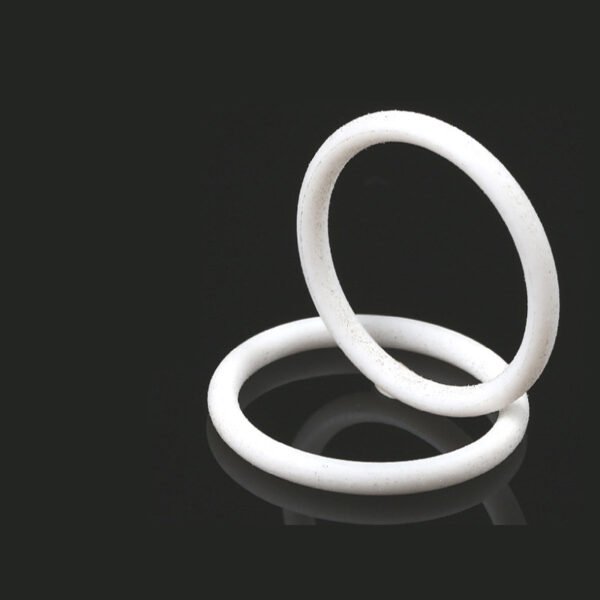
Yüksek Sıcaklık PTFE Conta ve Teflon O-Ring | Kimyasal Direnç için PTFE Conta
Yüksek sıcaklık PTFE conta ve teflon o-ring, aşırı sıcaklıklarda ve agresif kimyasallarda mükemmel sızdırmazlık sağlar. PTFE conta ve teflon conta korozyona karşı direnç gösterir ve uzun hizmet ömrü sağlar. Güvenli, temiz contalara ihtiyaç duyan kimyasal, ilaç ve gıda işleme endüstrileri için mükemmeldir.
Vaka Analizi: 50kW Yığın Projesi
Size geçen yıl üzerinde çalıştığımız bir projeden bahsedeyim. Müşterinin adını vermeyeceğim ancak kendileri hidrojen dron pazarında orta ölçekli bir oyuncudur.
Sorun:
Ağır yük dronu için 50kW'lık bir yığın inşa ediyorlardı. FKM (floroelastomer) contalar kullanıyorlardı. Contalar test tezgahında gayet iyi çalışıyordu ancak uçuş testleri sırasında yığın verimliliği düşüyordu.
Kullanılmış MEA'ları (Membran Elektrot Grupları) analiz ettik ve kirletici izlerine rastladık. FKM, yüksek sıcaklıkta (80°C) çalışma sırasında hafifçe sızıntı yapıyordu ve titreşim mikro sızıntılara neden oluyordu.
Çözüm:
Onları özel kesim bir Teflon X termal iletkenliği artırmak için özel bir dolgu maddesi içeren ePTFE contaya geçirdik.
Sonuç:
- Kontaminasyon: Giderildi. 1000 saat sonra conta bozulmasına dair sıfır kanıt.
- Verimlilik: Stabilize edildi.
- Bakım: Contaların kurumasından veya çatlamasından endişe etmedikleri için servis aralığını aslında uzattılar.
Bu bir sihir değil; sadece doğru malzemeyi uygulamanın fiziğiyle eşleştirmektir.
Pratik Tavsiye: Contanızı Tasarlamak
Şunun için kanal tasarlıyorsanız: hidrojen yakıt hücresi contası, işte sahadan birkaç ipucu.
1. Yüzey Kaplaması Önemlidir
Hidrojen affetmez. Bipolar plakanızın sızdırmazlık yüzeyinde bir çizik varsa, hidrojen onu bulacaktır.
ePTFE ile bazı toleranslara sahipsiniz çünkü malzeme kusurların içine akar. Ancak Ra 3,2 mikrometreden (yaklaşık 125 mikro-inç) daha iyi bir yüzey kalitesi hedefleyin.
2. Aşırı Tork Uygulamayın
Bunu her zaman görüyorum. Elinde büyük anahtarlar olan kişiler 'daha sıkı daha iyidir' diye düşünüyor.
PTFE ile, minimum oturma gerilimine ulaştığınızda, daha fazla sıkmak pek yardımcı olmaz ve plakalarınızı bükebilir. Bir tork anahtarı kullanın. Lütfen.
3. Oturma Geriliminin Hesaplanması
“Minimum Oturma Gerilimine” (ASME kodundaki y-değeri, ancak yakıt hücreleri için biraz farklı metrikler kullanıyoruz) ulaşmanız gerekir.
Yumuşak ePTFE için bu değer 15-20 MPa kadar düşük olabilir. Sıkıştırma sisteminizin bunu homojen bir şekilde sağlayabildiğinden emin olun. Eğri bir yığın şuna yol açar... tahmin ettiğiniz gibi, sızıntılara.
Neden Teflon X?
Dışarıda pek çok conta tedarikçisi var. Neden bize gelmelisiniz?
Çünkü biz sadece plastik levha satmıyoruz. Şunu anlıyoruz: hidrojen geçirgenliği veriler. Bir yakıt hücresi yığını ünitesinin 5.000 veya 10.000 saatlik çalışma süresince dayanması için ne gerektiğini biliyoruz.
Ekibimiz Teflon X mükemmel şekilde uyan prototipler kesmek için doğrudan CAD dosyalarınızla çalışır. Kompakt yığınlar için gereken hassas toleransları karşılayabiliriz.
Üstelik hızlıyız. Ar-Ge hızlı ilerler. Bir sızdırmazlık prototipi için altı hafta bekleyemezsiniz.

Teflon O-Ring Conta | Endüstriyel Kullanım İçin PTFE Conta ve Teflon Sızdırmazlık
Teflon o-ring conta ve ptfe conta endüstriyel sızdırmazlık için yaygın olarak kullanılır. Bu teflon sızdırmazlık çözümleri sızdırmaz çalışma ve yüksek sıcaklık toleransını garanti eder. PTFE conta ve teflon conta zorlu sektörlerdeki pompalar, vanalar ve hassas boru hatları için uygundur.
SSS: Hidrojen yakıt hücreleri için PTFE contalar hakkında Sıkça Sorulan Sorular
S1: PTFE contalar, yüksek sıcaklıklı PEM yakıt hücrelerinin sıcaklığına dayanabilir mi?
A: Kesinlikle. PTFE, 260°C'ye (500°F) kadar stabildir. Çoğu HT-PEM hücresi yaklaşık 160°C ile 180°C arasında çalışır. PTFE, bu sıcaklıklarda bozulmaya başlayan birçok elastomerin aksine, herhangi bir deformasyona uğramadan bu koşullara kolayca dayanır.
S2: Yığını sökersem ePTFE yeniden kullanılabilir mi?
A: Genel olarak hayır. ePTFE'yi bir kez sıkıştırdığınızda, yüzeye uyum sağlar ve kalınlığının bir kısmını kalıcı olarak kaybeder. Bakım için düzeneği açarsanız, her zaman PTFE contalar güvenilir bir sızdırmazlık sağlamak için parçayı değiştirmelisiniz. Ucuz bir sigorta, değil mi?
S3: Hidrojen için PTFE, Grafit contalarla nasıl karşılaştırılır?
A: Grafit yüksek ısı için uygundur, ancak kırılgandır ve iletkendir. Bir yakıt hücresinde, plakalar arasında kısa devreyi önlemek için genellikle contanın bir elektriksel yalıtkan olması gerekir. PTFE mükemmel bir elektriksel yalıtkandır. Grafit, yalıtılması için ek adımlar gerektirir ve bu da tasarımı daha karmaşık hale getirir.
Sızıntıları Durdurmaya Hazır mısınız?
Bakın, contalarınızın arızalanıp arızalanmayacağı konusunda endişelenmeden bir yakıt hücresi inşa etmek zaten yeterince zordur. Bilimi anlayan ve parçaları teslim edebilecek bir ortağa ihtiyacınız var.
Basınç düşüşlerinden bıktıysanız ve Teflon X çözümünün yığınınızı nasıl güvene alabileceğini görüşmek isterseniz, gelin konuşalım.
Çözüm yelpazemize web sitemizden göz atabilirsiniz: https://teflonx.com/
Ya da şu anda çözülmesi gereken özel bir çiziminiz veya teknik bir sorununuz varsa, doğrudan şu adrese e-posta gönderin: Allison.Ye@teflonx.com. Allison bu projelerdeki liderimizdir ve işini iyi bilir.
$5 değerindeki bir contanın $50,000 değerindeki bir prototipi mahvetmesine izin vermeyin. Bugün bize ulaşın.
Teklif Almak İçin Şimdi Bizimle İletişime Geçin
