
 Italian
  English
  Russian
  French
  German
  Japanese
  Korean
  Portuguese
  Arabic
  Dutch
Dutch  Turkish
  Indonesian
  Polish
  Spanish
Se vi è mai capitato di avere a che fare con guarnizioni che non reggono alla pressione o che si usurano troppo rapidamente, potreste esservi imbattuti nelle guarnizioni in PTFE caricato vetro. Sono una sorta di versione potenziata del normale PTFE – quel materiale estremamente scivoloso e resistente agli agenti chimici spesso chiamato Teflon. Tuttavia, l'aggiunta di fibre di vetro cambia notevolmente le carte in tavola. Mi occupo di questi materiali da anni presso Teflon X, aiutando il personale di impianti chimici e realtà industriali a trovare la soluzione ideale. Vediamo quindi cosa rende speciali le guarnizioni in PTFE caricato vetro, i vantaggi, gli svantaggi e dove offrono le migliori prestazioni.
Le persone cercano spesso termini come "guarnizione in teflon caricato vetro" o notano quelle caratteristiche guarnizioni in PTFE blu sui siti dei fornitori. In effetti, quel colore blu solitamente indica che il materiale è caricato vetro: la carica conferisce tale tonalità migliorandone al contempo le prestazioni. Se state cercando di capire se queste guarnizioni siano adatte alla vostra installazione, continuate a leggere. Spiegheremo tutto senza ricorrere a un gergo tecnico troppo complesso.
Cosa sono esattamente le guarnizioni in PTFE caricato vetro?
Il PTFE di per sé è eccezionale per le guarnizioni perché nulla vi aderisce, resiste alla maggior parte dei prodotti chimici e sopporta temperature estreme, da circa -450°F fino a 500°F. Tuttavia, il PTFE puro, o PTFE vergine, presenta un inconveniente: tende a scorrere sotto carico. Ciò significa che, nel tempo e sotto pressione, tende a schiacciarsi e a deformarsi – un fenomeno chiamato scorrimento a freddo o "creep". Non è l'ideale se si deve serrare saldamente una flangia.
È qui che entra in gioco il caricamento con vetro. I produttori aggiungono fibre di vetro, solitamente il 15% o il 25% in peso. Questo trasforma il PTFE, morbido e flessibile, in un materiale più rigido e robusto. Il risultato? Un materiale che rimane chimicamente inerte ma è molto più efficace nel mantenere la forma sotto sforzo.
Spesso si trovano sotto forma di guarnizioni in PTFE blu perché la carica di vetro colora il materiale. Una guarnizione in teflon caricato vetro può essere fornita in fogli da tagliare a misura o in guarnizioni a busta preformate per flange. Presso Teflon X, lavoriamo con varianti di alta qualità che bilanciano la carica in modo ottimale per l'uso reale.
I vantaggi: perché così tanti professionisti scelgono le guarnizioni in PTFE caricato vetro
Bene, passiamo subito agli aspetti positivi. L'aggiunta di vetro corregge diversi punti deboli del PTFE vergine senza comprometterne le proprietà fondamentali.
Innanzitutto, la resistenza allo scorrimento (creep) aumenta drasticamente. Il PTFE puro può deformarsi molto sotto carico costante, causando perdite nel tempo. Con il 25% di vetro, lo scorrimento si riduce in modo significativo: parliamo di miglioramenti che permettono alle guarnizioni di durare anni in più nei punti ad alta pressione.
La resistenza all'usura è un altro grande vantaggio. Il PTFE vergine si usura velocemente in presenza di movimento, come nelle pompe o nelle valvole. Le fibre di vetro lo rendono più tenace, permettendo a una guarnizione in teflon caricato vetro di resistere meglio all'abrasione.
Poi c'è la resistenza alla compressione. I dati delle schede tecniche indicano che il PTFE caricato vetro al 25% raggiunge circa 2200 psi di resistenza alla compressione, a fronte di valori molto inferiori per il tipo vergine. Ciò significa che può sopportare carichi di serraggio dei bulloni superiori senza deformarsi eccessivamente.
Migliora anche la stabilità dimensionale: minore espansione o contrazione al variare della temperatura. Inoltre, mantiene un'eccellente resistenza chimica ad acidi, solventi e quasi ogni altra sostanza, eccetto pochi casi estremi come i metalli alcalini fusi.
Ecco una tabella rapida per confrontare alcune proprietà chiave (basata su schede tecniche tipiche per PTFE caricato vetro 25% rispetto al PTFE vergine):
| Proprietà | PTFE Vergine | PTFE caricato vetro 25% | Perché è importante |
|---|---|---|---|
| Resistenza alla compressione (psi) | Circa 1000-1500 | ~2200 | Ideale per carichi di serraggio elevati, minori perdite |
| Resistenza allo scorrimento | Elevato scorrimento sotto carico | Significativamente ridotto | Maggiore durata delle guarnizioni in applicazioni a pressione costante |
| Resistenza all'usura | Scarso nell'uso dinamico | Notevolmente migliorato | Ottimo per valvole e pompe con movimento |
| Conduttività termica | Basso | Leggermente superiore | Aiuta a dissipare il calore un po' meglio |
| Resistenza chimica | Eccellente | Ancora eccellente (con minimi compromessi) | Sicuro per la maggior parte dei fluidi aggressivi |
| Intervallo di temperatura | Da -450°F a +500°F | Stesso intervallo | Gestisce bene gli estremi in entrambi i casi |
Durante la mia esperienza presso Teflon X, ho visto come questi vantaggi abbiano evitato grossi problemi ai clienti. Ad esempio, in un impianto di lavorazione chimica (di cui manterrò l'anonimato), il passaggio al PTFE caricato a vetro ha aiutato a ridurre i fermi per manutenzione poiché le guarnizioni non si deformavano più.

Guarnizione in Teflon Resistente agli Agenti Chimici | Guarnizioni per Valvole in PTFE e Guarnizioni Cicloniche
Le guarnizioni in PTFE offrono una tenuta stagna in ambienti chimici aggressivi. Queste guarnizioni in Teflon sono eccellenti come componenti di tenuta per valvole a sfera industriali e separatori a ciclone. Resistenti a temperature da -200 °C a +260 °C, le nostre guarnizioni in PTFE includono guarnizioni piatte, rivestimenti personalizzati e varianti con anelli in Teflon. Il materiale conforme alle norme FDA garantisce un utilizzo sicuro nei sistemi a ciclone per alimenti e farmaci.
I contro: sì, ci sono alcuni compromessi
Niente è perfetto, giusto? Le guarnizioni in PTFE caricato a vetro presentano degli svantaggi che occorre valutare.
Il problema principale è l'abrasività. Quelle fibre di vetro possono graffiare le superfici di contatto, come le flange in acciaio inossidabile. Nel tempo, tale usura potrebbe causare problemi se l'apparecchiatura presenta parti tenere o richiede un contatto estremamente liscio.
Richiede inoltre una maggiore sollecitazione di sede per sigillare correttamente, il che significa che è necessario serrare i bulloni con più forza rispetto al PTFE vergine. Se le flange sono vecchie o fragili, come nei reattori rivestiti in vetro, questo potrebbe rappresentare un problema.
La resistenza chimica subisce un lieve calo in alcuni casi. Rimane comunque eccezionale nel complesso, ma gli alcali estremi o l'acido fluoridrico potrebbero aggredire leggermente di più la carica di vetro.
E per le applicazioni alimentari o farmaceutiche? Meglio evitare. Il PTFE vergine è spesso approvato dalla FDA per il contatto con gli alimenti (secondo 21 CFR 177.1550), ma le versioni caricate a vetro non lo sono: la carica le rende inadatte al contatto diretto con i prodotti alimentari.
Inoltre, è più rigido, quindi meno tollerante sulle superfici irregolari. Se la flangia presenta deformazioni o danni, il PTFE puro o espanso potrebbe adattarsi meglio.
Applicazioni nel mondo reale: dove brillano le guarnizioni in PTFE caricato vetro
Queste guarnizioni non sono adatte a ogni lavoro, ma nei contesti giusti sono eccellenti.
L'industria chimica è vastissima. Reattori, tubi, valvole che gestiscono acidi o solventi – le guarnizioni in Teflon caricato vetro resistono alla corrosione e mantengono la tenuta sotto pressione. Abbiamo fornito tonnellate di materiali per impianti che trattano acido solforico o cloridrico, dove il PTFE vergine subirebbe uno scorrimento viscoso eccessivo.
I settori petrolchimico e oil & gas le prediligono per le flange nelle linee ad alta pressione. Il ridotto scorrimento si traduce in minori perdite nel tempo, anche con cicli termici.
Pompe e compressori soggetti a movimenti dinamici beneficiano della resistenza all'usura. Si pensi alle parti alternative dove si verifica lo sfregamento.
Sedi valvole, cuscinetti, anelli anti-estrusione – ovunque sia necessaria robustezza unita a un basso attrito.
Un caso dalla nostra esperienza presso Teflon X: un cliente in una raffineria presentava perdite ricorrenti su flange ad alta pressione. Passando alle nostre lastre caricate vetro 15%, tagliate in guarnizioni personalizzate, i problemi si sono ridotti drasticamente. Hanno resistito egregiamente per mesi al flusso di olio caldo.
Un altro caso in un impianto farmaceutico (non a contatto diretto con alimenti, ma con prodotti chimici puri) – sono state utilizzate guarnizioni in PTFE blu per una migliore stabilità nelle tenute degli agitatori.
Se si tratta di apparecchiature smaltate, a volte le versioni speciali caricate con microsfere funzionano meglio per la compressibilità, ma il caricato vetro standard è ottimale per le flange in acciaio.
Per opzioni di alta qualità, consultate i nostri fogli per guarnizioni in Teflon resistenti agli agenti chimici – disponiamo a magazzino di varianti caricate vetro dalle prestazioni affidabili.
Confronto tra PTFE caricato vetro e altri PTFE caricati
Non tutte le cariche sono in vetro. Il caricato carbonio aggiunge conduttività e una resistenza all'usura ancora migliore, ma ha un colore più scuro. Il bronzo è indicato per carichi pesanti, ma è più pesante e meno resistente agli agenti chimici.
Il vetro è la scelta preferita per bilanciare costi, robustezza e resistenza. 15% per esigenze moderate, 25% per le più gravose.
Rispetto al vergine: il caricato vetro vince sulle proprietà meccaniche, ma perde leggermente in termini di inerzia pura e morbidezza.
Ecco un'altra tabella per un rapido confronto tra pro e contro:
| Aspetto | Vantaggi del caricato vetro | Svantaggi del caricato vetro |
|---|---|---|
| Resistenza e stabilità | Maggiore resistenza alla compressione, minore scorrimento viscoso | Richiede una coppia di serraggio superiore |
| Usura | Eccellente per i componenti in movimento | Abrasivo per le superfici |
| Chimico | Livello quasi pari al vergine | Leggera vulnerabilità in condizioni estreme |
| Costo | Aggiornamento conveniente | Poco più costoso del materiale vergine |
| Applicazioni | Uso industriale, chimico, carichi elevati | Non idoneo al contatto diretto alimentare o farmaceutico |
Scegliere quello giusto: alcuni consigli pratici
Valuta il fluido: sostanze chimiche aggressive? Il caricato vetro è solitamente adatto.
Carico e movimento: alta pressione o sfregamento? Scegli il caricato.
Superfici: morbide o lucide? Potrebbe servire il vergine per evitare graffi.
Sbalzi di temperatura: il caricato resiste meglio.
Percentuale di carica: inizia con il 15% per la maggior parte delle applicazioni, 25% per quelle più gravose.
Controlla sempre le specifiche. In Teflon X, ti aiutiamo nel dimensionamento e nella selezione in base alla tua configurazione specifica.
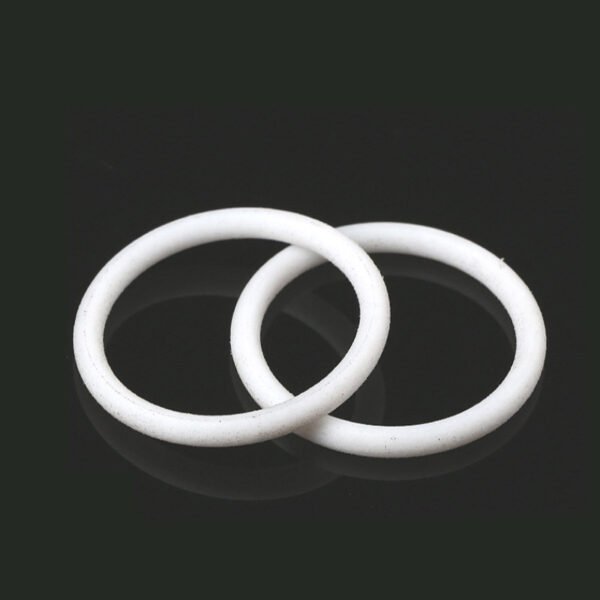
Guarnizione O-ring in PTFE e Teflon | Fornitore di guarnizioni in PTFE e Teflon per alte temperature
L'O-ring in PTFE e la guarnizione in teflon sono perfetti per la tenuta ad alte temperature in ambienti chimici aggressivi. Le guarnizioni in teflon e in PTFE offrono un'eccezionale resistenza chimica e durata. La nostra guarnizione in PTFE garantisce prestazioni affidabili. Ideale per applicazioni industriali e sistemi fluidi.
Domande frequenti sulle guarnizioni in PTFE caricato a vetro (FAQ)
Perché alcune guarnizioni in PTFE sono blu? Significa che sono caricate a vetro?
Sì, nella maggior parte dei casi. Le fibre di vetro conferiscono quella tonalità blu. Una guarnizione in PTFE blu è solitamente segno di un rinforzo per una migliore resistenza e durata all'usura. Tuttavia, verificate sempre con il fornitore: i colori possono variare.
Le guarnizioni in PTFE caricato vetro possono essere utilizzate nell'industria alimentare?
In genere no. Il PTFE vergine può essere conforme alle normative FDA, ma l'aggiunta di fibra di vetro lo rende inadatto al contatto diretto con gli alimenti. Si consiglia di utilizzare PTFE vergine approvato o altri materiali idonei per tale scopo.
Quando dovrei scegliere una guarnizione in Teflon caricato vetro rispetto al PTFE vergine?
Se lo scorrimento viscoso o l'usura stanno compromettendo le vostre tenute, come nelle flange bullonate sotto carico costante o in apparecchiature dinamiche. Il PTFE vergine è preferibile per prodotti chimici purissimi o superfici irregolari a basso carico.
Le guarnizioni caricate a vetro sono adatte per applicazioni ad alta temperatura?
Assolutamente, lo stesso intervallo del materiale vergine: fino a circa 500°F in continuo. La carica aiuta persino a favorire la stabilità in tali condizioni.
Quanto durano in genere queste guarnizioni?
Dipende dalle condizioni, ma con una corretta installazione, possono durare anni in applicazioni statiche. Abbiamo riscontrato che durano 2-3 volte più del PTFE vergine in punti soggetti a scorrimento viscoso.
Se siete stanchi di perdite o sostituzioni frequenti, le guarnizioni in PTFE caricato vetro potrebbero essere la soluzione. Abbiamo aiutato moltissimi clienti di Teflon X a risolvere questo problema, dai tagli personalizzati alla consulenza completa.
Avete bisogno di un preventivo o di discutere delle vostre esigenze specifiche? Inviate un'e-mail a Allison.Ye@teflonx.com o visitate il nostro pagina dei contatti. Saremo lieti di conoscere la vostra configurazione e suggerire l'opzione migliore, magari attingendo alla nostra fogli di guarnizione in Teflon resistenti agli agenti chimici.
Contattateci: sistemiamo le vostre tenute a regola d'arte.
