
 Italian
  English
  Russian
  French
  German
  Japanese
  Korean
  Portuguese
  Arabic
  Dutch
Dutch  Turkish
  Indonesian
  Polish
  Spanish
If you’re reading this, you are probably buried under a mountain of supplier compliance surveys, trying to figure out if your current plastics vendor is actually qualified or just really good at using Photoshop on their ISO certs. As a compliance officer in the medical device industry, your job has never been harder than it is right now.
Between the massive panic over PFAS regulations and the ever-tightening FDA submission requirements, vetting a fornitore di PTFE per uso medico isn’t just about getting a good price per foot of tubing anymore. It’s about keeping your company out of regulatory hell.
I’ll just say it upfront: most of the “medical grade” claims you see on supplier websites are complete garbage. There is no magical, universal FDA stamp that makes a raw material “medical grade.” Suppliers waving around a generic certificate from five years ago are putting your entire 510(k) or MDR submission at risk.
In this teardown, I’m going to walk you through exactly what certifications actually matter this year, what technical specs you need to verify, and why some of the legacy standards you’ve been relying on are pretty much obsolete.
Why “Medical Grade” is Usually Just a Sales Pitch
Let’s get one controversial fact out of the way. The FDA does not approve raw materials. They approve finished medical devices.
When a sales rep tells you their PTFE is “FDA approved,” they are either uneducated about their own industry or they are intentionally misleading you. What they probably mean is that the material complies with FDA 21 CFR 177.1550 (which is actually a food contact standard) or that they hold a Master Access File (MAF) with the agency.
Food contact is great if you’re making frying pans. It’s absolutely useless if you’re manufacturing a central venous catheter. The blood doesn’t care if the material is safe for a scrambled egg.
What actually matters for your regulatory compliance is biocompatibility, traceability, and cleanroom enviroment control. You need a supplier who understands the chemical morphology of Polytetrafluoroethylene (PTFE) and how it interacts with human tissue. Because PTFE has an incredibly low surface energy—typically hovering around 18 dynes/cm (or mN/m)—it resists adhesion. That’s why it’s great for guidewires and catheter liners. But if your supplier contaminates that surface during manufacuring with industrial lubricants, that low surface energy won’t save you from a catastrophic cytotoxicity failure.
The 2026 PFAS Regulatory Minefield (And Why PTFE Survives)
We can’t talk about medical material sourcing in 2026 without addressing the elephant in the room: the global crackdown on per- and polyfluoroalkyl substances (PFAS).
You’ve probably had your engineering team asking if you need to redesign your entire product line because the European Chemicals Agency (ECHA) and the US EPA are banning “forever chemicals.”
Here is the reality check: while thousands of toxic, short-chain PFAS chemicals are getting banned, fluoropolymers like PTFE are widely considered “Polymers of Low Concern” (PLC) when manufactured correctly. They don’t degrade into the environment, and they don’t bioaccumulate in the human body.
But regulatory bodies don’t just take your word for it. Under the latest EPA TSCA Section 8(a)(7) reporting rules and the ECHA restriction proposals active in 2026, medical devices often get critical derogations (exemptions), typically lasting up to 12 years for implantables.
However, getting that exemption requires airtight proof of supply chain purity. Your supplier must prove they are not using banned processing aids (like PFOA or PFOS) during polymerization. If your current vendor is buying cheap, undocumented resin from the gray market, your product will get stopped at customs. Period. You need a partner who can provide full material declarations down to the parts-per-billion level.
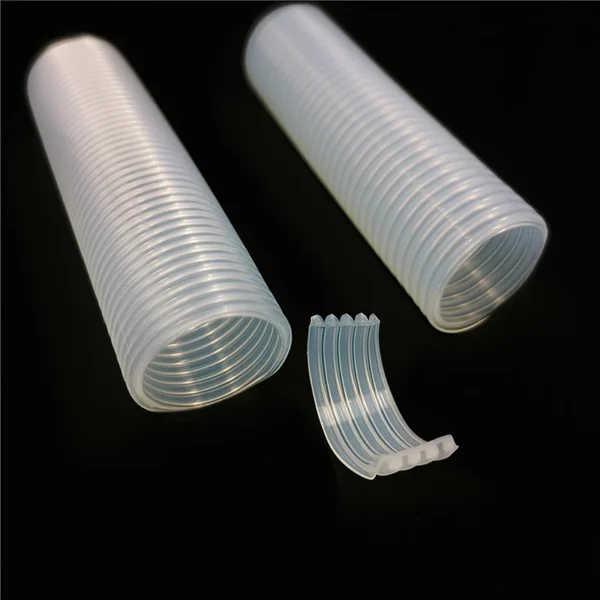
Tubo flessibile in PTFE ondulato piatto interno ed esterno resistente alla corrosione per laboratori
Il tubo flessibile in PTFE corrugato con interno piatto ed esterno resistente alla corrosione offre una superficie interna piatta per un'erogazione precisa dei fluidi di laboratorio e un esterno corrugato per una maggiore manovrabilità. Questo tubo corrugato con interno piatto ed esterno in PTFE offre una resistenza superiore ad acidi e solventi in ambienti di laboratorio.
Essenziale per le strutture di ricerca, il tubo corrugato a onda esterna piatta interna mantiene l'integrità del campione durante i trasferimenti.
Affidatevi a questo tubo in PTFE con interno liscio e esterno corrugato per risultati costanti; il suo design, che richiama quello del tubo in PTFE con interno piatto e esterno corrugato, migliora l'efficienza del laboratorio.
ISO 13485: Il requisito minimo assoluto per l'approvvigionamento di materiali medicali
Vedo molti team di acquisto accettare certificazioni ISO 9001 come prova di qualità. Permettetemi di essere schietto: la norma ISO 9001 è un ottimo standard se state producendo penne a sfera. Per i componenti di dispositivi medici, è ridicola.
Se state valutando un Fornitore di PTFE per applicazioni medicali, ISO 13485 non è un optional. È il livello minimo indispensabile.
Perché? Perché la norma ISO 13485 impone al produttore di implementare una rigorosa gestione del rischio e una tracciabilità dei lotti senza compromessi.
Considerate il processo di estrusione dei tubi in PTFE. A differenza delle normali plastiche che vengono semplicemente fuse e spinte attraverso una filiera, il PTFE non può essere estruso a fusione. Deve essere estruso a pasta. Ciò comporta la miscelazione di polvere fine di PTFE con un ausiliario di estrusione idrocarburico (come nafta o Isopar), la pressatura in una billetta, l'estrusione a freddo e la successiva cottura in forno per vaporizzare il lubrificante e sinterizzare il polimero.
Se la temperatura del forno di un fornitore scende di pochi gradi, residui di idrocarburi rimangono all'interno del tubo. Secondo la norma ISO 9001, potrebbero limitarsi a documentare la deviazione e spedire comunque il prodotto se l'aspetto è conforme. In un sistema di qualità ISO 13485, quel lotto viene messo in quarantena, analizzato per non conformità e distrutto perché il rischio di rilascio di sostanze chimiche nel flusso sanguigno di un paziente è inaccettabile.
Quando vi approvvigionate tramite Teflon X, non state solo acquistando plastica. State acquistando la documentazione rigorosa e l'infrastruttura ISO 13485 che certifica che ogni singolo centimetro di quel materiale è stato lavorato secondo parametri rigorosamente controllati.
ISO 10993 vs USP Classe VI: La battaglia della biocompatibilità
Se state ancora inviando questionari ai fornitori richiedendo "certificazioni USP Classe VI", siete rimasti al passato.
La USP (United States Pharmacopeia) Classe VI era il gold standard per le plastiche medicali negli anni '90. Prevede l'iniezione di estratti di materiale negli animali per verificare se manifestano patologie. È incredibilmente elementare.
Oggi, l'FDA e gli organismi notificati europei richiedono test allineati al quadro normativo ISO 10993. La USP Classe VI è ampiamente considerata insufficiente per qualsiasi componente che abbia un contatto prolungato con il corpo.
Ecco una breve sintesi per sapere esattamente cosa richiedere ai vostri fornitori:
| Caratteristica / Standard | USP Classe VI | ISO 10993-1 |
|---|---|---|
| Focus principale | Tossicità generale e reazione tissutale locale | Valutazione completa del rischio biologico |
| Metodi di prova | In vivo (test su animali): iniezione sistemica, intracutanea, impianto | Combina in vitro (test di laboratorio) e in vivo; privilegia fortemente la profilazione chimica |
| Citotossicità (morte cellulare) | Non strettamente richiesto | Obbligatorio (ISO 10993-5) |
| Emocompatibilità | Non affrontato | Obbligatorio per i dispositivi a contatto con il sangue (ISO 10993-4) |
| Caratterizzazione chimica | Estrazione di base | Analisi approfondita di sostanze estraibili e rilasciabili (ISO 10993-18) |
| Ideale per | Apparecchiature per la produzione farmaceutica, contatto superficiale a breve termine | Dispositivi impiantabili, cateteri, dispositivi permanenti, qualsiasi moderno 510(k) |
Se un fornitore cerca di convincerti che il suo certificato USP Classe VI sia "sufficiente" per il tuo nuovo catetere cardiovascolare, scappa. Faranno sì che la tua sottomissione all'FDA venga respinta.
Specifiche tecniche che determinano il successo o il fallimento della conformità
In qualità di professionista della conformità, potresti non essere l'ingegnere capo, ma devi comprendere la matematica alla base del materiale. Quando un fornitore risparmia sulla qualità, ciò influisce sulla fisica del prodotto, trasformandosi infine in un incubo per la conformità.
Esaminiamo una fase critica dell'estrusione della pasta: il Rapporto di Riduzione.
Quando il PTFE viene spinto attraverso la filiera di estrusione, le particelle di resina subiscono una violenta azione di taglio e fibrillazione per creare resistenza strutturale.
La formula è la seguente:
Rapporto di riduzione (RR) = (Db^2 – Dp^2) / (Dd^2 – Dm^2)
Dove:
Db = Diametro della billetta
Dp = Diametro della spina
Dd = Diametro della matrice
Dm = Diametro del mandrino
Se un fornitore utilizza la resina errata per il RR richiesto, il tubo risultante presenterà una porosità microscopica. Non è visibile a occhio nudo. Tuttavia, quando un chirurgo inietterà il mezzo di contrasto attraverso quel catetere a 1.200 PSI, il tubo scoppierà.
Il vostro team di ingegneria calcolerà i limiti di sollecitazione utilizzando una formula base della tensione circonferenziale:
Tensione circonferenziale (σ) = (Pressione * Diametro interno) / (2 * Spessore della parete)
Se l'integrità strutturale del PTFE è compromessa a causa di scarsi controlli del fornitore, il calcolo della tensione circonferenziale fallisce nel mondo reale. Questo è esattamente il motivo per cui regulatory compliance è strettamente legato al controllo di processo. È necessario un partner certificato ISO 13485 che comprenda la matematica profonda della lavorazione dei fluoropolimeri, non solo qualcuno che utilizzi una macchina economica in un magazzino sporco.
Un altro fattore determinante è la scorrevolezza. Uno dei motivi principali per cui si utilizza il PTFE è che nulla vi aderisce. Il coefficiente d'attrito è incredibilmente basso.
Il calcolo di base è:
Coefficiente d'attrito (μ) = Ff / N
(Dove Ff è la forza d'attrito e N è la forza normale).
Per il PTFE puro di grado medicale, tale coefficiente dovrebbe attestarsi in modo affidabile tra 0,04 e 0,10. Se il fornitore ricicla il materiale di scarto (un enorme segnale di allarme nella produzione medica), la superficie diventa più ruvida, il coefficiente subisce un'impennata e improvvisamente il filo guida rimane bloccato all'interno del sistema vascolare del paziente.
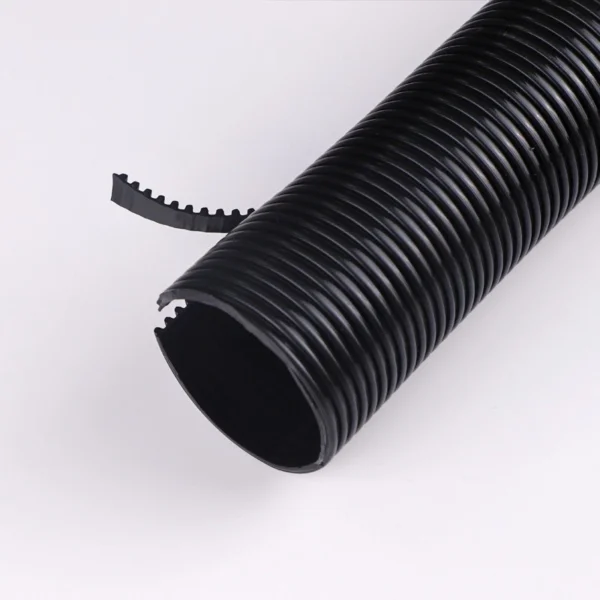
Tubo flessibile in PTFE ondulato interno piatto esterno per la lavorazione alimentare
Il nostro tubo corrugato flessibile in PTFE con interno piatto ed esterno è progettato con uno strato interno liscio per una facile pulizia e un esterno corrugato per la massima flessibilità nelle linee di lavorazione alimentare. Questo tubo corrugato in PTFE con interno liscio ed esterno garantisce il trasferimento di alimenti e bevande conforme alle norme FDA e atossico.
Ideale per il trasporto di materiali viscosi, la variante del tubo a soffietto in PTFE previene la contaminazione degli aromi e resiste a lavaggi frequenti.
Incorpora questo tubo corrugato interno piatto esterno nella tua configurazione; la sua struttura in PTFE garantisce igiene e durata.
Caso di successo: L'incubo del catetere che è stato quasi realtà
Desidero condividere una storia su cosa accade quando ci si fida della documentazione sbagliata. Manterrò l'anonimato dell'azienda, ma si tratta di un produttore di medie dimensioni di dispositivi cardiaci strutturali.
Alcuni anni fa, il loro team di conformità approvò un nuovo fornitore di materie plastiche perché quest'ultimo presentò un certificato USP Classe VI impeccabile e promise una riduzione dei costi del 20% sui tubi di rivestimento in PTFE. Sulla carta sembrava tutto a posto.
Durante i test di validazione finale prima della presentazione alla FDA, il dispositivo ha fallito il test di citotossicità ISO 10993-5. Il laboratorio ha riferito che le cellule umane morivano nella piastra di Petri quando esposte agli estratti del catetere. Ne è seguito il panico. Milioni di dollari in ricerca e sviluppo sono stati improvvisamente congelati.
Ci hanno contattato in preda al panico totale. Abbiamo eseguito un'analisi spettroscopica FTIR (infrarosso a trasformata di Fourier) sui tubi del concorrente. Indovinate cosa abbiamo trovato? Tracce di olio di silicone industriale.
È emerso che il fornitore precedente utilizzava lo stesso estrusore per i tubi medicali e per i rivestimenti di cavi aerospaziali. Non disponevano di una camera bianca dedicata. Si limitavano a pulire la macchina con uno straccio e consideravano il lavoro finito. Il silicone industriale ha contaminato il lotto medicale e, poiché non operavano secondo le rigorose regole di segregazione ISO 13485, nessuno se n'è accorto finché i bio-test non sono falliti.
Li abbiamo trasferiti sulle nostre linee dedicate ai prodotti in PTFE . Presso Teflon X, la produzione medicale avviene in camere bianche certificate ISO Classe 7 e Classe 8. C'è zero contaminazione incrociata con materiali industriali. Abbiamo ricostruito i loro prototipi utilizzando resina PTFE vergine al 100% con tracciabilità completa del lotto. Due settimane dopo hanno superato i test di citotossicità e hanno ottenuto l'autorizzazione 510(k) senza ulteriori complicazioni.
Questa è la differenza tra un vero partner medicale e una generica officina di materie plastiche.
Segnali d'allarme da monitorare durante gli audit dei fornitori del 2026
Se vi state preparando a sottoporre a audit la vostra catena di fornitura quest'anno, ecco cosa dovete effettivamente cercare. Smettete di perdere tempo a controllare se hanno una postazione per il lavaggio oculare in magazzino e iniziate a esaminare questi elementi fondamentali:
- Richiedete i Certificati di Analisi (CoA) della resina: Acquistano resina medicale tracciabile di alta qualità dai principali produttori chimici (come Chemours o Daikin) o acquistano polvere senza marchio da intermediari? Se non vi dicono da dove proviene la resina, lasciate perdere.
- Ispezionate le procedure di vestizione per la camera bianca: Ho controllato strutture in cui i lavoratori indossavano tute per camera bianca ma calzavano le loro normali scarpe da strada. Ciò vanifica completamente lo scopo. Una camera bianca adeguata controlla il particolato (come polvere e cellule cutanee) che può causare reazioni da corpo estraneo se incorporato in un dispositivo medico.
- Verificate le procedure di controllo dei cambiamenti (Change Control): Questo è l'aspetto cruciale. Se il fornitore decide di cambiare la marca del lubrificante per estrusione che utilizza, vi avvisa? Un buon fornitore ISO 13485 non cambierà mai una materia prima senza emettere una notifica formale di cambiamento e ottenere prima l'approvazione del vostro ufficio tecnico.
- Esigete di vedere la loro strategia di conformità PFAS: Chiedete loro come stanno gestendo i requisiti di rendicontazione EPA ed ECHA per il 2026. Se vi guardano con uno sguardo vacuo, siete in guai seri.
FAQ: Valutare un fornitore di PTFE per dispositivi medici
Probabilmente avete ancora alcune domande in sospeso. Ecco le richieste più comuni che ci pongono i responsabili della conformità quando cercano di districare la loro catena di fornitura.
1. Il PTFE di grado medicale deve essere sterilizzato prima che il fornitore lo spedisca?
In genere no. In qualità di produttore di componenti, il fornitore di PTFE per uso medico fornisce la materia prima o i tubi estrusi in uno stato pulito e non sterile. In genere viene prodotto in una camera bianca per ridurre al minimo la carica batterica (batteri e particolato). Il produttore del dispositivo finale è responsabile della sterilizzazione del prodotto assemblato, solitamente tramite gas di ossido di etilene (EtO) o autoclave, prima che arrivi in ospedale. Nota: non utilizzare mai l'irradiazione gamma sul PTFE, poiché le radiazioni decompongono le catene polimeriche e lo rendono fragile.
2. Attualmente acquistiamo PTFE conforme alla normativa FDA 21 CFR 177.1550. È sufficiente per un dispositivo medico di Classe II?
Assolutamente no. Come accennato in precedenza, la norma 177.1550 è uno standard per il contatto con gli alimenti. Dimostra che il materiale non rilascerà sostanze chimiche tossiche nella vostra zuppa. Non serve a nulla per dimostrare la compatibilità con il sangue o i tessuti umani. Avete bisogno di materiale valutato secondo il quadro normativo ISO 10993 per soddisfare i moderni enti regolatori.
3. Come possiamo assicurarci che il nostro fornitore non stia segretamente mescolando PTFE rigenerato (riciclato) nei nostri ordini medicali?
Questa è una pratica spaventosamente comune nel settore industriale per risparmiare denaro. Per le applicazioni medicali, è completamente inaccettabile. Assicuratevi di ciò imponendo rigorosi Accordi di Qualità che obblighino legalmente l'uso di resina vergine al 100% e verificando il loro sistema di tracciamento dei materiali. Secondo la norma ISO 13485, ogni libbra di resina in entrata deve essere contabilizzata nella resa del prodotto in uscita. Se i numeri non corrispondono, saprete che è accaduto qualcosa di losco.
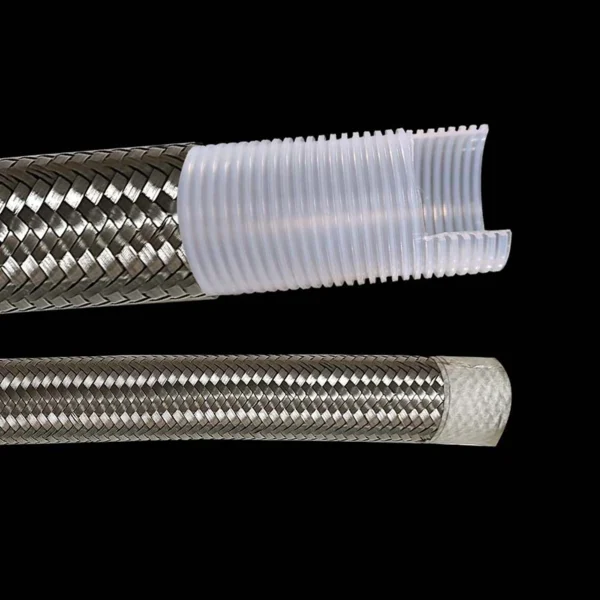
Tubo a soffietto in PTFE: interno piatto esterno ondulato per uso farmaceutico
Il tubo a soffietto in PTFE, con interno piatto e design esterno ondulato, offre prestazioni igieniche e non contaminanti per applicazioni farmaceutiche. Questo tubo in PTFE con interno liscio e esterno ondulato facilita il trasferimento fluido del prodotto, resistendo al contempo agli agenti igienizzanti aggressivi.
Adatto ad ambienti sterili, il tubo corrugato a onda interna piatta esterna mantiene la purezza nei processi di produzione dei farmaci, offrendo flessibilità senza compromettere la resistenza.
Scegli questo tubo corrugato interno piatto ed esterno in PTFE per migliorare l'efficienza; la sua struttura a soffietto, simile al tubo corrugato interno piatto ed esterno in PTFE, garantisce la conformità ai rigorosi standard del settore.
Basta incertezze sulla conformità normativa
L'approvvigionamento di componenti critici non dovrebbe somigliare a una roulette russa con la posizione normativa della vostra azienda. I giorni in cui si accettavano materiali generici accompagnati da documentazione approssimativa sono finiti. L'FDA sta inasprendo i controlli, l'MDR europeo è implacabile e la legislazione PFAS eliminerà rapidamente i fornitori meno solidi.
Avete bisogno di un partner che parli il linguaggio della conformità, comprenda a fondo la scienza dei materiali dei fluoropolimeri e operi secondo un sistema di gestione della qualità inattaccabile.
Se siete preoccupati per un audit imminente, o se avete appena scoperto che il vostro attuale fornitore sta operando con superficialità, dobbiamo parlarne. Abbiamo aiutato decine di aziende leader nel settore dei dispositivi medici a risanare la propria catena di approvvigionamento e a mettere in sicurezza le forniture di materiali a lungo termine.
Non aspettate che un Organismo Notificato segnali criticità nella vostra documentazione. Anticipate il problema oggi stesso. Contattate il nostro team all'indirizzo Allison.Ye@teflonx.com o visitate il nostro Pagina Contattaci per ottenere risposte chiare sulle vostre sfide di approvvigionamento dei materiali. Mettiamo in sicurezza la vostra conformità, affinché possiate finalmente dormire sonni tranquilli.
