
 Turkish
  English
  Russian
  French
  German
  Japanese
  Korean
  Portuguese
  Arabic
  Italian
  Dutch
Dutch  Indonesian
  Polish
  Spanish
Bunu okuyorsanız, muhtemelen tedarikçi uyumluluk anketleri yığını altında kalmış durumdasınız ve mevcut plastik tedarikçinizin gerçekten yetkin mi olduğunu yoksa sadece ISO sertifikalarında Photoshop kullanmakta mı çok iyi olduğunu anlamaya çalışıyorsunuz. Tıbbi cihaz sektöründeki bir uyumluluk görevlisi olarak işiniz hiç şu anki kadar zor olmamıştı.
PFAS düzenlemeleri konusundaki büyük panik ile giderek sıkılaşan FDA sunum gereklilikleri arasında, bir [tedarikçiyi] incelemek tıbbi sınıf PTFE tedarikçisi artık sadece hortumun fit başına iyi bir fiyat almakla ilgili değil. Bu, şirketinizi düzenleyici otoritelerin gazabından uzak tutmakla ilgili.
En baştan söyleyeyim: Tedarikçi web sitelerinde gördüğünüz "tıbbi sınıf" iddialarının çoğu tamamen çöptür. Bir ham maddeyi "tıbbi sınıf" yapan sihirli ve evrensel bir FDA damgası yoktur. Beş yıl öncesine ait jenerik bir sertifika sallayan tedarikçiler, tüm 510(k) veya MDR başvurunuzu riske atıyorlar.
Bu incelemede, bu yıl hangi sertifikaların gerçekten önemli olduğunu, hangi teknik özellikleri doğrulamanız gerektiğini ve güvendiğiniz bazı eski standartların neden neredeyse geçerliliğini yitirdiğini size adım adım anlatacağım.
"Tıbbi Sınıf" Neden Genellikle Sadece Bir Satış Stratejisidir?
Tartışmalı bir gerçeği aradan çıkaralım. FDA ham maddeleri onaylamaz. Tamamlanmış tıbbi cihazları onaylar.
Bir satış temsilcisi size PTFE ürünlerinin "FDA onaylı" olduğunu söylediğinde, ya kendi sektörleri hakkında bilgisizdirler ya da sizi kasıtlı olarak yanıltıyorlardır. Muhtemelen kastettikleri, malzemenin FDA 21 CFR 177.1550'ye (ki bu aslında bir gıda ile temas standardıdır) uygun olduğu veya kurum nezdinde bir Ana Erişim Dosyasına (MAF) sahip olduklarıdır.
Tavalar yapıyorsanız gıda ile temas harikadır. Merkezi venöz kateter üretiyorsanız tamamen işe yaramazdır. Kan, malzemenin çırpılmış yumurta için güvenli olup olmadığını umursamaz.
Mevzuat uyumluluğunuz için asıl önemli olan biyouyumluluk, izlenebilirlik ve temiz oda ortam kontrolüdür. Politetrafloroetilenin (PTFE) kimyasal morfolojisini ve insan dokusuyla nasıl etkileşime girdiğini anlayan bir tedarikçiye ihtiyacınız var. PTFE'nin yüzey enerjisi inanılmaz derecede düşük olduğundan (genellikle 18 dyn/cm veya mN/m civarında), yapışmaya direnç gösterir. Kılavuz teller ve kateter astarları için harika olmasının sebebi budur. Ancak tedarikçiniz üretim sırasında bu yüzeyi endüstriyel yağlayıcılarla kirletirse, bu düşük yüzey enerjisi sizi feci bir sitotoksisite hatasından kurtaramaz.
2026 PFAS Düzenleme Mayın Tarlası (Ve PTFE Neden Ayakta Kalıyor)
Hakkında konuşamayız tıbbi malzeme tedariki görmezden gelinemeyecek o büyük meseleyi ele almadan 2026 yılında: per- ve polifloroalkil maddelere (PFAS) yönelik küresel baskı.
Avrupa Kimyasallar Ajansı (ECHA) ve ABD EPA "sonsuz kimyasalları" yasakladığı için mühendislik ekibinizin muhtemelen tüm ürün hattınızı yeniden tasarlamanız gerekip gerekmediğini sorduğuna tanık olmuşsunuzdur.
İşte gerçekler: Binlerce toksik, kısa zincirli PFAS kimyasalı yasaklanırken, PTFE gibi floropolimerler doğru şekilde üretildiklerinde yaygın olarak "Düşük Riskli Polimerler" (PLC) olarak kabul edilirler. Çevrede bozunmazlar ve insan vücudunda biyolojik olarak birikmezler.
Ancak düzenleyici kurumlar sadece sizin sözünüze güvenmezler. En son EPA TSCA Bölüm 8(a)(7) raporlama kuralları ve 2026'da yürürlüğe giren ECHA kısıtlama önerileri kapsamında, tıbbi cihazlar sıklıkla kritik derogasyonlar (muafiyetler) alır; bu süre implante edilebilir cihazlar için genellikle 12 yıla kadar uzar.
Ancak bu muafiyeti almak, tedarik zinciri saflığının kesin kanıtını gerektirir. Tedarikçiniz polimerizasyon sırasında yasaklı işlem yardımcılarını (PFOA veya PFOS gibi) kullanmadığını kanıtlamalıdır. Mevcut satıcınız gri piyasadan ucuz, belgesiz reçine alıyorsa, ürününüz gümrükte durdurulacaktır. Nokta. Milyar başına parça (ppb) düzeyine kadar tam malzeme beyanı sağlayabilecek bir ortağa ihtiyacınız var.
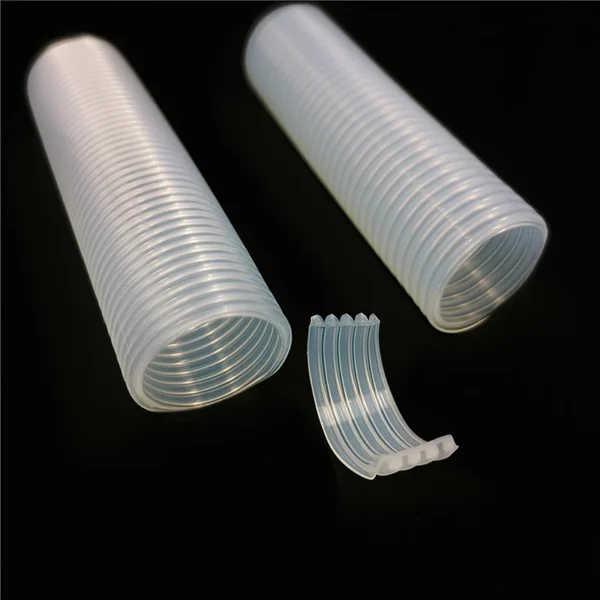
Laboratuvarlar İçin Korozyona Dayanıklı İç Düz Dış Oluklu PTFE Hortum
Korozyona Dayanıklı İç Düz Dış Oluklu PTFE Hortum, hassas laboratuvar sıvısı iletimi için düz bir iç yüzey ve manevra kabiliyeti için oluklu bir dış yüzey sunar. Bu PTFE İç Düz Dış Oluklu Boru, laboratuvar ortamlarında asitlere ve çözücülere karşı üstün direnç sunar.
Araştırma tesisleri için olmazsa olmaz olan Dahili Düz Dış Dalga Oluklu Tüp, transferler sırasında numune bütünlüğünü korur.
Tutarlı sonuçlar için bu İç Düz Delikli Dış Oluklu PTFE Boruya güvenin; PTFE İç Düz Dış Oluklu Boruyu yansıtan tasarımı, laboratuvar verimliliğini artırır.
ISO 13485: Tıbbi Malzeme Tedariki İçin Asgari Gereklilik
Birçok satın alma ekibinin ISO 9001 sertifikalarını kalite kanıtı olarak kabul ettiğini görüyorum. Açık konuşayım: Tükenmez kalem üretiyorsanız ISO 9001 harika bir standarttır. Tıbbi cihaz bileşenleri için bu bir şakadır.
Eğer bir PTFE tedarikçisi tıbbi uygulamalar için değerlendiriyorsanız, ISO 13485 "olsa iyi olur" denilecek bir lüks değildir. Mutlak temel seviyedir.
Neden mi? Çünkü ISO 13485, bir üreticiyi titiz bir risk yönetimi ve tavizsiz bir parti izlenebilirliği uygulamaya zorlar.
PTFE hortumlar için ekstrüzyon sürecini düşünün. Sadece eritip bir kalıptan geçirdiğiniz normal plastiklerin aksine, PTFE eriyik-ekstrüzyon yöntemiyle işlenemez. Macun-ekstrüzyon (paste-extrusion) yapılması gerekir. Bu süreç; ince PTFE tozunun bir hidrokarbon ekstrüzyon yardımcısıyla (nafta veya Isopar gibi) karıştırılmasını, bir kütük haline getirilmesini, soğuk ekstrüzyonunu ve ardından yağı buharlaştırmak ve polimeri sinterlemek için bir fırında pişirilmesini içerir.
Bir tedarikçinin fırın sıcaklığı birkaç derece düşerse, hortumda hidrokarbon kalıntıları kalır. ISO 9001 kapsamında, eğer ürün iyi görünüyorsa sapmayı belgeleyip ürünü yine de gönderebilirler. ISO 13485 kalite sistemi altında ise, hastanın kan dolaşımına kimyasal sızma riski kabul edilemez olduğu için o parti karantinaya alınır, uygunsuzluk açısından incelenir ve imha edilir.
Tedarik işlemini ... üzerinden yaptığınızda Teflon X, sadece plastik satın almıyorsunuz. Bu malzemenin her bir santiminin sıkı bir şekilde kontrol edilen parametreler altında işlendiğini kanıtlayan titiz dokümantasyonu ve ISO 13485 altyapısını satın alıyorsunuz.
ISO 10993 vs USP Class VI: Biyouyumluluk Savaşı
Eğer hala "USP Class VI sertifikaları" talep eden tedarikçi anketleri gönderiyorsanız, geçmişte yaşıyorsunuz demektir.
USP (Amerika Birleşik Devletleri Farmakopesi) Class VI, 1990'larda tıbbi plastikler için altın standarttı. Malzeme özütlerinin hayvanlara enjekte edilerek hastalanıp hastalanmadıklarının gözlemlenmesini içerir. İnanılmaz derecede temeldir.
Bugün FDA ve Avrupa Onaylanmış Kuruluşları, ISO 10993 çerçevesiyle uyumlu testler görmek istemektedir. USP Class VI, vücutla uzun süreli teması olan herhangi bir durum için büyük ölçüde yetersiz kabul edilmektedir.
İşte tedarikçilerinizden tam olarak ne talep etmeniz gerektiğini bilmeniz için kısa bir döküm:
| Özellik / Standart | USP Sınıf VI | ISO 10993-1 |
|---|---|---|
| Temel Odak Noktası | Genel toksisite ve yerel doku reaksiyonu | Kapsamlı biyolojik risk değerlendirmesi |
| Test Yöntemleri | In vivo (hayvan testi) sistemik enjeksiyon, intrakütan, implantasyon | İn vitro (laboratuvar testleri) ve in vivo yöntemleri birleştirir; büyük ölçüde kimyasal profillemeye odaklanır. |
| Sitotoksisite (Hücre Ölümü) | Kesin bir zorunluluk değildir | Zorunludur (ISO 10993-5) |
| Hemouyumluluk | Ele alınmamıştır | Kanla temas eden cihazlar için zorunludur (ISO 10993-4) |
| Kimyasal Karakterizasyon | Temel ekstraksiyon | Ekstraktabl ve liçabl maddeler (çıkarılabilir ve sızabilir bileşenler) üzerine derinlemesine inceleme (ISO 10993-18) |
| En İyi Kullanım Alanı | İlaç üretim ekipmanları, kısa süreli yüzey teması | İmplantlar, kateterler, kalıcı cihazlar, tüm modern 510(k) başvuruları |
Eğer bir tedarikçi sizi USP Class VI sertifikasının yeni kardiyovasküler kateteriniz için "yeterince iyi" olduğuna ikna etmeye çalışırsa, oradan hemen uzaklaşın. FDA başvurunuzun reddedilmesine neden olacaklardır.
Uyumluluğu Belirleyen Teknik Özellikler
Bir uyumluluk uzmanı olarak baş mühendis olmayabilirsiniz ancak malzemenin arkasındaki matematiği anlamanız gerekir. Bir tedarikçi kolaya kaçtığında, bu durum ürünün fiziğini etkiler ve sonuçta bir uyumluluk kabusuna dönüşür.
Pasta ekstrüzyonunun kritik bir aşamasına bakalım: İndirgeme Oranı (Reduction Ratio).
PTFE ekstrüzyon kalıbından itildiğinde, reçine partikülleri yapısal güç oluşturmak için şiddetli bir şekilde kesilir ve fibrillenir.
Bunun formülü şöyledir:
İndirgeme Oranı (RR) = (Db^2 – Dp^2) / (Dd^2 – Dm^2)
Nerede?
Db = Kütük çapı
Dp = Pim çapı
Dd = Kalıp çapı
Dm = Mandrel çapı
Bir tedarikçi gerekli RR (indirgeme oranı) için yanlış reçine kullanırsa, sonuçta ortaya çıkan hortum mikroskobik gözenekliliğe sahip olacaktır. Bunu çıplak gözle göremezsiniz. Ancak bir cerrah, bu kateter aracılığıyla 1.200 PSI basınçla kontrast madde enjekte ettiğinde tüp patlayacaktır.
Mühendislik ekibiniz, stres limitlerini temel bir çevresel gerilme formülü kullanarak hesaplayacaktır:
Çevresel Gerilme (σ) = (Basınç * İç Çap) / (2 * Et Kalınlığı)
Tedarikçi kontrollerinin yetersizliği nedeniyle PTFE'nin yapısal bütünlüğü bozulursa, çevresel gerilme hesaplaması gerçek dünyada başarısız olur. İşte tam da bu nedenle mevzuat uyumu süreç kontrolüne derinden bağlıdır. Floropolimer işlemenin derin matematiğini anlayan, yalnızca kirli bir depoda ucuz bir makine çalıştıran biri değil, ISO 13485 sertifikalı bir ortağa ihtiyacınız vardır.
Bir diğer önemli faktör ise kayganlıktır. PTFE kullanmanızın ana nedenlerinden biri, hiçbir şeyin ona yapışmamasıdır. Sürtünme Katsayısı son derece düşüktür.
Temel hesaplama şudur:
Sürtünme Katsayısı (μ) = Ff / N
(Burada Ff sürtünme kuvveti ve N normal kuvvettir).
Saf, tıbbi sınıf PTFE için bu katsayı güvenilir bir şekilde 0,04 ile 0,10 arasında olmalıdır. Tedarikçi hurda malzemelerini geri dönüştürürse (tıbbi üretimde büyük bir risk teşkil eder), yüzey pürüzleşir, katsayı fırlar ve aniden kılavuz teliniz hastanın vasküler sisteminde sıkışıp kalır.
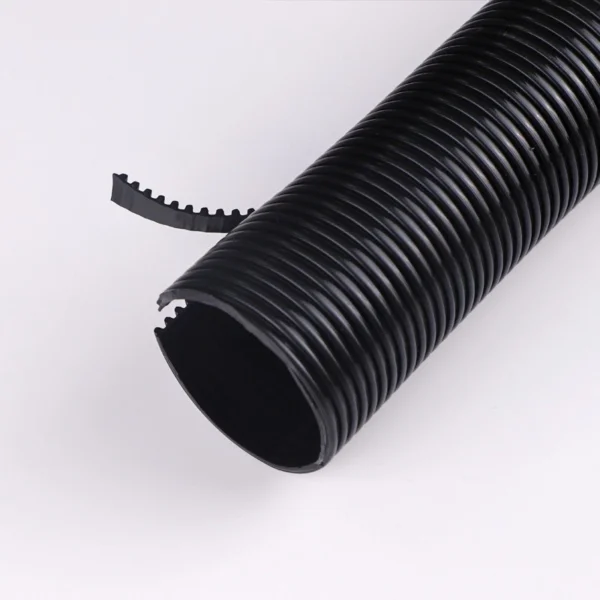
Gıda İşleme İçin Esnek PTFE İç Düz Dış Oluklu Boru
Esnek PTFE İç Düz Dış Oluklu Borumuz, kolay temizlik için pürüzsüz bir iç katman ve gıda işleme hatlarında esneklik için oluklu bir dış katman ile tasarlanmıştır. Bu İç Düz Delikli Dış Oluklu PTFE Boru, yenilebilir gıdaların ve içeceklerin FDA uyumlu, toksik olmayan bir şekilde aktarılmasını sağlar.
Viskoz malzemelerin taşınması için mükemmel olan PTFE Körüklü Boru çeşidi, aroma kirlenmesini önler ve sık yıkamalara dayanıklıdır.
Bu İç Düz Dış Dalgalı Oluklu Boruyu kurulumunuza dahil edin; PTFE İç Düz Dış Oluklu Boru yapısı hijyen ve dayanıklılığı garanti eder.
Başarı Hikayesi: Eşiğinden Dönülen Kateter Kabusu
Yanlış evraklara güvendiğinizde neler olacağına dair bir hikaye paylaşmak istiyorum. Şirketin ismini gizli tutacağım, ancak kendileri orta ölçekli bir yapısal kalp cihazı üreticisidir.
Birkaç yıl önce, uyum ekipleri yeni bir plastik tedarikçisini onayladı; çünkü tedarikçi parlak bir USP Sınıf VI sertifikası sunmuş ve PTFE astar hortumlarında maliyet indirimi vaat etmişti. Kağıt üzerinde her şey yolunda görünüyordu.
FDA başvurusu öncesindeki son doğrulama testleri sırasında cihaz, ISO 10993-5 Sitotoksisite testinden geçemedi. Laboratuvar, kateter özütlerine maruz kaldığında petri kabındaki insan hücrelerinin öldüğünü bildirdi. Panik havası oluştu. Milyonlarca dolarlık Ar-Ge çalışmaları aniden donduruldu.
Bize tam bir panik içinde ulaştılar. Rakip firmanın hortumu üzerinde FTIR (Fourier dönüşümlü kızılötesi) spektroskopisi analizi yaptık. Bilin bakalım ne bulduk? Endüstriyel silikon yağı kalıntıları.
Önceki tedarikçinin, tıbbi hortumları havacılık tel kaplamaları yapmak için kullandıkları ekstrüderin aynısında ürettiği ortaya çıktı. Özel bir temiz odaları yoktu. Makineyi sadece bir bezle sildiler ve işlerini bitirdiklerini sandılar. Endüstriyel silikon, tıbbi partiye çapraz bulaşmıştı ve katı ISO 13485 ayrıştırma kuralları altında faaliyet göstermedikleri için, biyolojik testler başarısız olana kadar kimse durumu fark etmedi.
We transitioned them over to our dedicated PTFE Ürünleri lines. At Teflon X, medical manufacturing happens in certified ISO Class 7 and Class 8 cleanrooms. There is zero crossover with industrial materials. We rebuilt their prototypes using 100% virgin PTFE resin with full lot traceability. They passed their cytotoxicity tests two weeks later and got their 510(k) cleared without any further drama.
That is the difference between a real medical partner and a generic plastic shop.
Red Flags to Look For During Your 2026 Supplier Audits
If you are gearing up to audit your supply chain this year, here are the things you actually need to be looking for. Stop wasting time checking if they have an eye-wash station in the warehouse and start looking at these core elements:
- Ask for their Resin Certificates of Analysis (CoA): Are they buying premium, traceable medical resin from major chemical players (like Chemours or Daikin), or are they buying unbranded powder from brokers? If they won’t tell you where the resin comes from, walk away.
- Inspect the Cleanroom Gowning Procedures: I’ve audited facilities where workers were wearing cleanroom suits but had their standard street shoes on. That completely defeats the purpose. A proper cleanroom controls particulate matter (like dust and skin cells) which can cause foreign body reactions if embedded in a medical device.
- Verify Change Control Procedures: This is the big one. If the supplier decides to change the brand of extrusion lubricant they use, do they notify you? A good ISO 13485 supplier will never change a raw material without issuing a formal Change Notification and getting your engineering approval first.
- Demand to see their PFAS Compliance Strategy: Ask them how they are handling the 2026 EPA and ECHA reporting requirements. If they look at you with a blank stare, you are in serious trouble.
FAQ: Vetting a PTFE Supplier for Medical Devices
You probably still have some questions floating around. Here are the most common things compliance folks ask us when they are trying to untangle their supply chain.
1. Tıbbi sınıf PTFE'nin tedarikçi tarafından gönderilmeden önce sterilize edilmesi gerekir mi?
Genellikle hayır. Bir bileşen üreticisi olarak, tıbbi sınıf PTFE tedarikçisi hammaddeyi veya ekstrüde edilmiş hortumu temiz, steril olmayan bir durumda sağlar. Biyoyükü (bakteri ve partiküller) en aza indirmek için genellikle temiz oda içerisinde üretilir. Hastaneye gitmeden önce monte edilmiş ürünün sterilizasyonundan (genellikle Etilen Oksit (EtO) gazı veya Otoklavlama yoluyla) nihai cihaz üreticisi sorumludur. Not: Radyasyon polimer zincirlerini bozarak malzemeyi kırılgan hale getirdiği için PTFE üzerinde asla Gama ışınlaması kullanmayın.
2. Şu anda FDA 21 CFR 177.1550 uyumlu PTFE satın almaktayız. Bu, Sınıf II bir tıbbi cihaz için yeterli midir?
Definitly not. As I mentioned earlier, 177.1550 is a food contact standard. It proves the material won’t leach toxic chemicals into your soup. It does absolutely nothing to prove compatability with human blood or tissue. You need material that has been evaluated against the ISO 10993 framework to satisfy modern regulatory bodies.
3. How do we ensure our supplier isn’t secretly mixing regrind (recycled) PTFE into our medical orders?
This is a terrifyingly common practice in the industrial sector to save money. For medical applications, it is completely unacceptable. You ensure this by enforcing strict Quality Agreements that legally mandate the use of 100% virgin resin, and by auditing their material tracking system. Under ISO 13485, every pound of incoming resin must be accounted for in the outgoing product yield. If the numbers don’t match, you’ll know something shady occured.
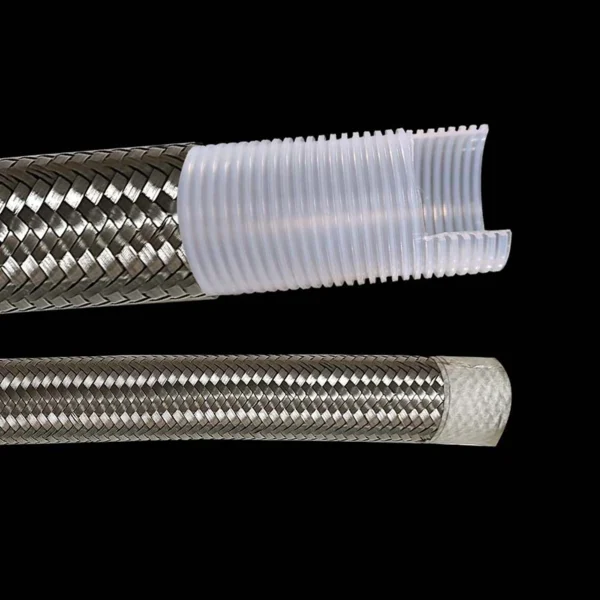
PTFE Körük Borusu: İçi Düz Dışı Oluklu İlaç Kullanımı İçin
İç kısmı düz, dış kısmı oluklu tasarıma sahip PTFE Körüklü Boru, farmasötik uygulamalar için hijyenik ve kirletici olmayan bir performans sunar. İçi Pürüzsüz Delikli Dışı Oluklu PTFE Boru, sert dezenfektanlara karşı direnç gösterirken, ürünün sorunsuz bir şekilde aktarılmasını sağlar.
Steril ortamlara uygun olan İç Düz Dış Dalga Oluklu Boru, ilaç üretim süreçlerinde saflığı korurken, mukavemetten ödün vermeden esneklik sunar.
Verimliliği artırmak için bu PTFE İç Düz Dış Oluklu Boruyu tercih edin; PTFE İç Düz Dış Oluklu Boruya benzer körük benzeri yapısı, sıkı endüstri standartlarına uyumu sağlar.
Stop Guessing With Your Compliance
Sourcing critical components shouldn’t feel like playing Russian Roulette with your company’s regulatory standing. The days of accepting generic materials with flimsy documentation are over. The FDA is cracking down, the European MDR is merciless, and PFAS legislation is going to weed out the weak suppliers very quickly.
Uyum dilini konuşan, floropolimerlerin derin malzeme bilimini anlayan ve kusursuz bir kalite yönetim sistemi altında faaliyet gösteren bir ortağa ihtiyacınız var.
Yaklaşan bir denetim nedeniyle stresliyseniz veya mevcut tedarikçinizin gizlice işin kolayına kaçtığını yeni öğrendiyseniz, konuşmamız gerekiyor. Düzinelerce üst düzey tıbbi cihaz şirketinin tedarik zincirlerini temizlemelerine ve malzeme tedarik hatlarını uzun vadeli olarak güvence altına almalarına yardımcı olduk.
Onaylanmış bir Kuruluşun başvurunuzu işaretlemesini beklemeyin. Sorunun önüne bugün geçin. Şu adresten ekibimize ulaşın: Allison.Ye@teflonx.com veya şu adrese gidin: Bize Ulaşın sayfası malzeme tedarik zorluklarınız hakkında net bir yanıt almak için. Uyumluluğunuzu garanti altına alalım, böylece nihayet geceleri rahat uyuyabilirsiniz.
