
 Korean
  English
  Russian
  French
  German
  Japanese
  Portuguese
  Arabic
  Italian
  Dutch
Dutch  Turkish
  Indonesian
  Polish
  Spanish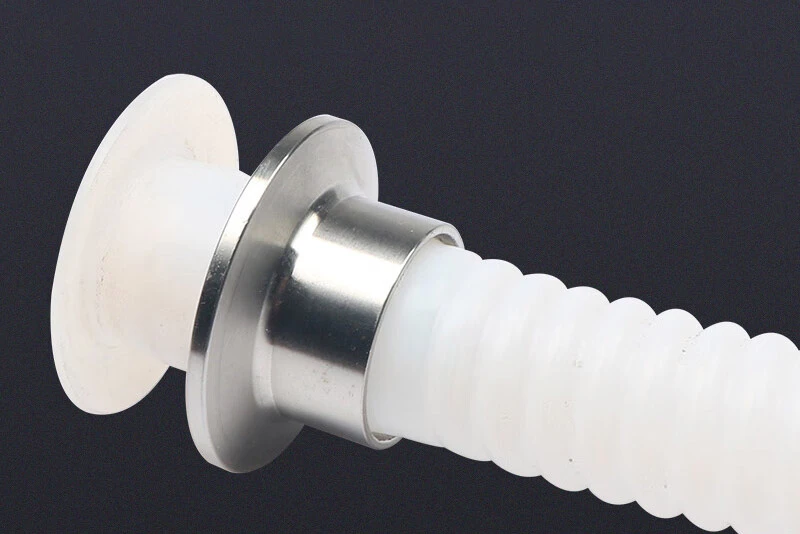
Okay, picture this: you’re knee-deep in designing a fluid transfer system for some tricky industrial setup, and the hose choice is staring you down like a bad math problem. Do you go with something super bendy that snakes around tight corners without a fuss, or stick to the straight-and-narrow type that pushes fluid like it’s on a mission? That’s the convoluted vs. smooth bore debate in a nutshell, especially when we’re talking PTFE hoses with those flared ends that lock everything in place nice and secure. I’ve been knee-deep in this stuff for years at Teflon X, tweaking assemblies for everything from chemical plants to automotive lines, and let me tell you, getting it right can save you headaches—and maybe a few prototypes.
As a team that’s cranked out thousands of these bad boys, we know engineers like you aren’t just slapping parts together; you’re balancing flow rates, pressure spikes, and that all-important flexibility so your system doesn’t kink up or leak under real-world abuse. In this piece, we’ll break it down casual-like, no jargon overload, drawing from hands-on tweaks we’ve done on projects that actually shipped and performed. We’ll compare the two styles head-to-head, toss in some solid data from SAE standards and field tests, and even share a couple anonymized stories from clients who’ve nailed their designs with our help. By the end, you’ll have the know-how to pick the winner for your next build—and yeah, if it clicks, hit up our 고압 PTFE 호스 플레어 line or drop a line to 앨리슨.예@테프론x.com for a quick chat.
Why PTFE Hoses Rock for Tough Jobs (And Why Flared Ends Seal the Deal)
First off, let’s level-set: PTFE, or polytetrafluoroethylene if you’re feeling fancy, is that slick, non-stick wonder material—think Teflon on steroids for industrial hoses. It’s chemical-resistant, handles wild temps from -65°F to 500°F without batting an eye, and laughs off corrosion that’d eat metal alive. But when you add flared ends, you’re talking assemblies that mate perfectly with fittings, cutting leak risks and making installation a breeze.
From my time fiddling with these at Teflon X, I’ve seen how a good 플레어 끝이 있는 복잡한 PTFE 호스 can turn a nightmare routing job into something straightforward. Flared ends crimp or swage onto the hose for a zero-leak bond, and they’re rated under SAE J343 for hydraulic impulse testing—meaning they take 200,000 cycles of pressure pulses without popping a sweat. That’s not fluff; it’s why aerospace folks and food processors swear by ’em.
But here’s the rub: not all PTFE hoses are built the same inside. The bore— that inner tube where your fluid cruises—comes in smooth or convoluted flavors. Smooth is like a straight highway: fast, clean flow. Convoluted? More like a winding country road: twisty for flexibility, but you gotta watch for bumps in efficiency. For engineers plotting pipe runs in cramped machinery, this choice boils down to your system’s demands. Need to weave thru tight bends without crimping? Convoluted’s your pal. Pushing high volumes with minimal drag? Smooth bore wins.
We’ve custom-built 맞춤형 PTFE 호스 어셈블리 blending these for clients, and the feedback’s always the same: match the bore to the bend, and your flow stays golden.
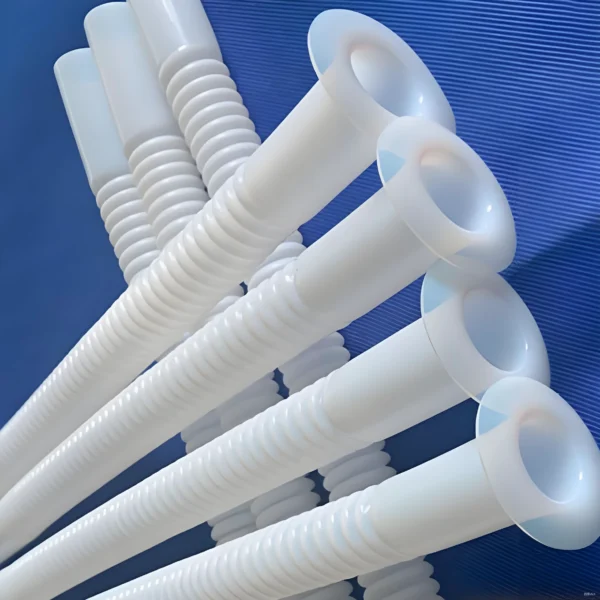
고압 PTFE 호스 플레어 엔드 - 까다로운 유압 작업용
끝이 플레어 처리된 고압 PTFE 호스가 필요하신가요? 당사의 호스는 까다로운 유압 및 공압 시스템에서 탁월한 성능을 발휘합니다. 이 견고한 고압 PTFE 호스는 탁월한 안전성과 내구성을 제공합니다.
Breaking Down Convoluted PTFE Hose with Flared Ends: The Flex Master
Alright, let’s geek out a bit on convoluted hoses, but keep it real—no whiteboard sketches here. These bad boys have that wavy, accordion-like inner lining that lets ’em flex like nobody’s business. Imagine trying to route a hose around a motor block or thru a valve cluster; a stiff tube would fight you every inch, but convoluted? It just flows with the layout.
Key perks I’ve hammered home in designs:
- Bend Radius Champs: A 1-inch convoluted hose can hit a min bend radius of just 3 inches, compared to 8-10 for smooth bore equivalents. That’s huge in space-strapped setups, like robotic arms or mobile equipment where every inch counts.
- Vibration and Abrasion Toughness: The convolutions act like shock absorbers, soaking up vibes from pumps or engines. Plus, that outer braid—usually stainless steel—shields against scrapes. In one anonymized case, a Midwest chem plant swapped rigid hoses for our convoluted versions after constant wear-outs; downtime dropped 40%, and they ran cleaner ops for two years straight.
- Flow Trade-Offs: Yeah, those waves add a tad more turbulence, potentially dropping flow by 5-10% versus smooth at the same diameter. But for most low-to-mid volume apps, it’s negligible—especially if you’re prioritizing routing over raw speed.
Teflon X에서는 플레어 끝이 있는 복잡한 PTFE 호스 소구경 제품의 경우 SAE J517 사양에 따라 최대 3,000 PSI의 상용 압력을 견딥니다。확실한 연결을 위해 37도 JIC 엔드로 플레어 가공 처리를 하며,맞춤형 길이는 현장에서의 불필요한 절단을 방지합니다。유연성을 최우선으로 고려하는 설계라면 바로 여기에서 시작하십시오。
매끄러운 내경의 PTFE 호스:유량 효율성을 위한 선택
매끄러운 내경으로 전환하면 효율성의 정점을 경험하게 됩니다。내부 튜브는 유리처럼 매끄러워 유체의 흐름을 방해하는 굴곡이 전혀 없습니다。이는 자갈길에서 아스팔트로 업그레이드하는 것과 같아서,더욱 매끄러운 흐름과 낮은 저항을 제공합니다。
제가 감독한 제작 사례에서 두드러지는 특징은 다음과 같습니다:
- 강력한 압력 성능: 이 제품은 500에서 1,500 PSI를 쉽게 견디며,고수요 라인에서 굴곡형 호스의 150에서 500 PSI 범위를 능가합니다业务。급격한 압력 변화가 발생하는 유압 추진 또는 증기 이송에 완벽한 선택입니다。
- 세척 용이성 및 유량: 압력 손실이 최소화되어 10 GPM 기준 50피트당 손실률이 1에서 2%에 불과합니다。세척 또한 매우 간편하여 찌꺼기가 걸릴 곳이 없습니다。식품 및 제약 업계에서 위생적인 배관을 위해 선호하는 이유입니다。
- 유연성 관련 주의 사항: 전체적으로 더 뻣뻣하며 곡률 반경이 2에서 3배 더 큽니다(예:1인치 호스의 경우 9인치)。직선에 가까운 경로에 적합하지만,무리하게 구부리면 꼬일 위험이 있습니다。
저희는 다음과 같은 공정에 매끄러운 내경 호스를 통합했습니다 맞춤형 PTFE 호스 어셈블리 텍사스 유전 설비의 경우,긴 직선 구간을 통한 안정적인 유동으로 펌프 부하를 15% 절감했습니다。플레어 처리된 끝단은 열 변화 속에서도 누출을 완벽하게 차단합니다。
정면 비교:굴곡형 대 매끄러운 내경 요약
불필요한 수식 없이 명확한 정보를 전달하기 위해 SAE J517 테스트 기준 표준 1/2인치 내경 호스의 비교 표를 준비했습니다。이는 실제 조립에 사용된 사양을 바탕으로 한 데이터입니다。
| 특징 | 플레어 끝이 있는 복잡한 PTFE 호스 | 부드러운 보어 PTFE 호스 |
|---|---|---|
| 최소 곡률 반경 | 2에서 4인치 | 6에서 9인치 |
| 작동 압력 | 150에서 500 PSI | 500에서 1,500 PSI |
| 흐름 효율 | 양호(5에서 10% 난류 발생) | 우수함(손실 최소화) |
| Flexibility Rating | 높음(좁은 경로에 이상적) | 중간(직선 경로에 최적) |
| 진공 등급 | 최대 28 inHg | 최대 28 inHg |
| 가장 적합한 | 복잡하고 진동이 있는 설치 | 고유량,세척 가능 시스템 |
| 비용(피트당 추정치) | $15-25 | $10-20 |
데이터는 Aeroquip 및 Danfoss 벤치마크에서 인용되었습니다。회선형 호스가 유연성 면에서 앞서지만 매끄러운 호스가 압력을 더 잘 견디는 점을 확인해 보십시오。선택은 설계도에 따라 달라집니다。
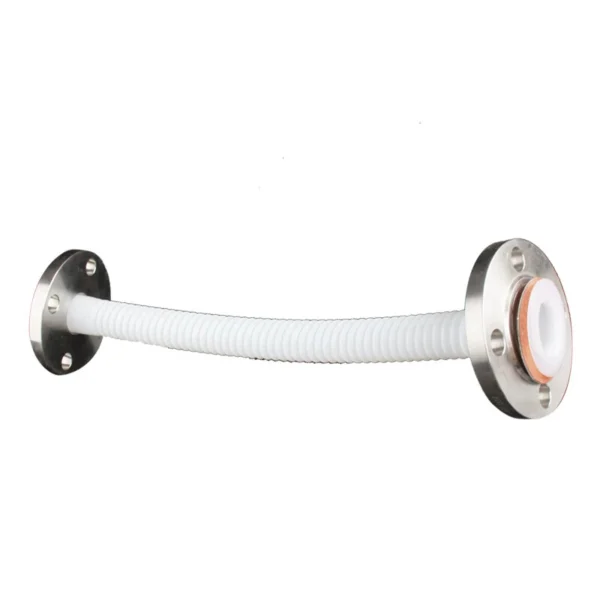
플레어 끝이 있는 테프론 X PTFE 라이닝 호스 - 부드러운 보어 디자인
끝단이 플레어 처리된 PTFE 라이닝 호스는 오염되지 않은 순수한 유체 경로를 보장합니다. 이 고순도 PTFE 라이닝 호스는 중요한 애플리케이션에 이상적입니다. 안정적인 성능 확보.
실전에서의 유연성:유연성이 결정적인 실제 사례
Teflon X 로그에서 직접 발췌한 구체적인 사례를 살펴보겠습니다(개인정보 보호를 위해 세부 사항은 익명으로 처리했습니다)。캘리포니아의 한 자동차 프로토타입 작업장 사례를 들어보겠습니다:그들은 밀집된 엔진 베이에 냉각수 라인을 배치하고 있었습니다。직선형의 매끄러운 보어 호스는 테스트 중에 계속 꼬여 온도가 급상승하고 품질 검사에서 탈락했습니다。플레어 엔드가 있는 회선형 호스로 교체하자 곡률 반경이 절반으로 줄어들었고 더 이상 고장이 발생하지 않았습니다。유량이 약간 줄어들었지만 시스템이 실제로 배치 가능하다면 그 정도는 큰 문제가 되지 않습니다。
혹은 북동부의 제약 충전 라인 사례를 보겠습니다。여기서는 매끄러운 보어 호스가 빛을 발했습니다:고점도 슬러리는 퇴적을 방지하기 위해 와류가 전혀 없어야 했고,더 높은 압력 등급 덕분에 펌프 서지 현상도 무리 없이 처리할 수 있었습니다。JIC 플레어를 사용하여 20피트 라인을 맞춤 조립한 결과 배치 수율이 12%나 증가했습니다。이는 모두 유량의 순수성이 유지되었기 때문입니다。
이것은 가설이 아닙니다;SAE 테스트를 거친 재료와 현장 피드백을 결합하여 15년 동안 조정해 온 실제 결과입니다。장비에 맞게 매체 유형(오일? 산성 물질?),온도 주기 및 설치 공간을 고려하십시오。전문가 팁:CAD로 먼저 모델링해 보십시오。재작업을 방지할 수 있습니다。
유량과 압력:물리학 법칙에 걸려 넘어지지 마십시오
유량에는 수학적인 계산이 포함되지만 최대한 간단히 설명하겠습니다。하겐-푸아죄유 방정식의 기초:벽면이 매끄러울수록 마찰이 적으므로 층류의 경우 매끄러운 보어 호스가 유리합니다。1/2인치 관을 통해 5 GPM으로 흐를 때 100피트당 압력 강하는 매끄러운 호스가 2 PSI인 반면 회선형 호스는 3-4 PSI입니다。
압력 측면에서 SAE J343은 작동 압력의 4배에서 파열 테스트를 수행할 것을 규정하며 당사의 고압 PTFE 호스 플레어 제품은 이를 여유 있게 통과합니다。회선형 호스의 굴곡은 구부러질 때 응력을 더 잘 분산시켜 반복 작업 시 피로 균열을 줄여줍니다。
최근 유압 테스트 스탠드 제작 시 두 가지를 혼합하여 사용했습니다:굴곡이 있는 배출구에는 회선형을,유입부에는 매끄러운 보어 호스를 적용했습니다裁。결과는 어땠을까요? 최대 유량의 95%를 유지하면서 800 PSI의 압력을 안정적으로 유지했습니다。시스템에 다양한 요구 사항이 있는 경우 이러한 하이브리드 맞춤형 PTFE 호스 어셈블리 방식은 혁신적인 해결책이 될 수 있습니다。
맞춤형 PTFE 호스 어셈블리 제작:귀하의 설계,당사의 제작
사양을 직접 지정할 수 있는데 왜 기성품을 사용하십니까? Teflon X에서는 다음과 같은 제품을 신속하게 제작합니다 맞춤형 PTFE 호스 어셈블리 that nail your exact flex-flow sweet spot. Pick bore style, length, braid (SS316 for corrosives), and flare type—37° or 45°—and we’ll pressure-test to your certs.
From experience, start with a sketch: what’s the tightest bend? Harshest chem? We anonymized a win for a battery maker: convoluted assemblies for electrolyte routing in EV packs. Flex let ’em pack tighter, flow kept charging even—now scaling to production.
Head to https://teflonx.com/ for specs, or ping our contact page at https://teflonx.com/contact-us/ to brainstorm.
How to Nail Your Choice: Step-by-Step for Engineers
- Map the Route: Sketch paths—count bends over 90°. More than three? Lean convoluted.
- Crunch the Numbers: Calc flow needs (GPM) and pressure (PSI). Use online tools or our quote form for sims.
- Test Media Fit: PTFE handles most, but check viscosity—thick stuff loves smooth.
- Budget and Longevity: Convoluted might cost more upfront but lasts in abuse-prone spots.
We’ve guided dozens thru this at Teflon X, turning “maybe” designs into rockstars.
FAQ: Quick Hits on Convoluted PTFE Hose with Flared Ends
질문: 시스템에 매끄러운 내경 대신 주름형 내경을 선택해야 하는 시점은 언제입니까?
A: Go convoluted if your routing’s got lotsa twists or vibes—think machinery arms or off-road gear. Smooth if flow speed and clean runs are king, like in pumps or fillers.
Q: What’s the real pressure diff between these hoses?
A: 매끄러운 내경 제품은 500에서 1500 PSI의 압력을 제공하며, 주름형 제품은 최대 500 PSI까지만 가능합니다。 하지만 플레어 끝단의 경우, 두 제품 모두 훨씬 높은 파열 압력에 대해 SAE 등급을 인증받았습니다。 당사의 고압 PTFE 호스 플레어 상세 정보를 확인하십시오。
Q: Can I mix ’em in one assembly?
A: Absolutely—hybrids rock for zoned needs. We’ve done inlet smooth, outlet convoluted for balanced perf. Shoot 앨리슨.예@테프론x.com your specs for a custom quote.
질문: 플레어 엔드는 어떻게 신뢰성을 향상시킵니까?
A: 금속 대 금속 씰을 형성하여 임펄스 테스트 시 누출을 90% 줄여줍니다。 더 이상 테이프를 이용한 임시방편이 필요 없으며, 견고하고 재사용 가능한 연결을 제공합니다。
Wrapping It Up: Flex, Flow, and Your Next Move
So there you have it—convoluted for that snake-like flex in cramped spots, smooth bore for the no-drama flow push. Either way, pair with flared ends and you’ve got a setup that hums under pressure. Drawing from Teflon X’s frontline fixes, like that chem plant save or EV pack win, the key’s matching bore to your blueprint’s quirks.
업그레이드의 필요성을 느끼시나요? 다음을 방문하여 https://teflonx.com/ 전체 라인업을 확인하시거나, 다음을 클릭하여 https://teflonx.com/contact-us/ 솔직하고 명확한 상담을 받아보세요。 앨리슨은 견적 처리가 매우 빠릅니다。 귀하의 시스템이 완벽하게 작동하도록 최적화해 드리겠습니다。 가장 해결하기 어려운 배관 경로는 무엇인가요? 메시지를 남겨 주세요。 저희가 이미 해결했을 가능성이 높습니다。
